FictionNon-fictionChildren's & YAAuthorsAbout us

Representing the authors and titles of Cappelen Damm for translation and adaptation rights worldwide.

Catalogue

  • Fiction
  • Non-fiction
  • Children's & YA
  • Authors

Agency

  • About us
  • Rights catalogues
  • Rights deals
  • News
  • Fairs & events

Get in touch

rights@cappelendamm.no
Stortingsgata 28, Oslo

© 2026 Cappelen Damm AS · Rights & AgencyPrivacy & cookiescappelendamm.no

Literary fiction

Literary fictionCrime & thrillerNarrative non-fictionChildren's & YASelf helpCook booksCrafts & hobbies

Browse

FictionNon-fictionChildren's & YA

Foreign rights

Rights sold

Genre

Children's Books902Literature and Fiction722Narrative Non-fiction336Self Help179Crafts and Hobbies146Mystery and Crime143Cook Books107UpLit82

Published

2025 and newer2020–20242015–20192014 and older

Rights sold to

Clear all filters

254 titles with rights sold

Literature and FictionRights soldClear all
Finnskogen 1-3
Literature and Fiction2013 · 768 pp

Finnskogen 1-3

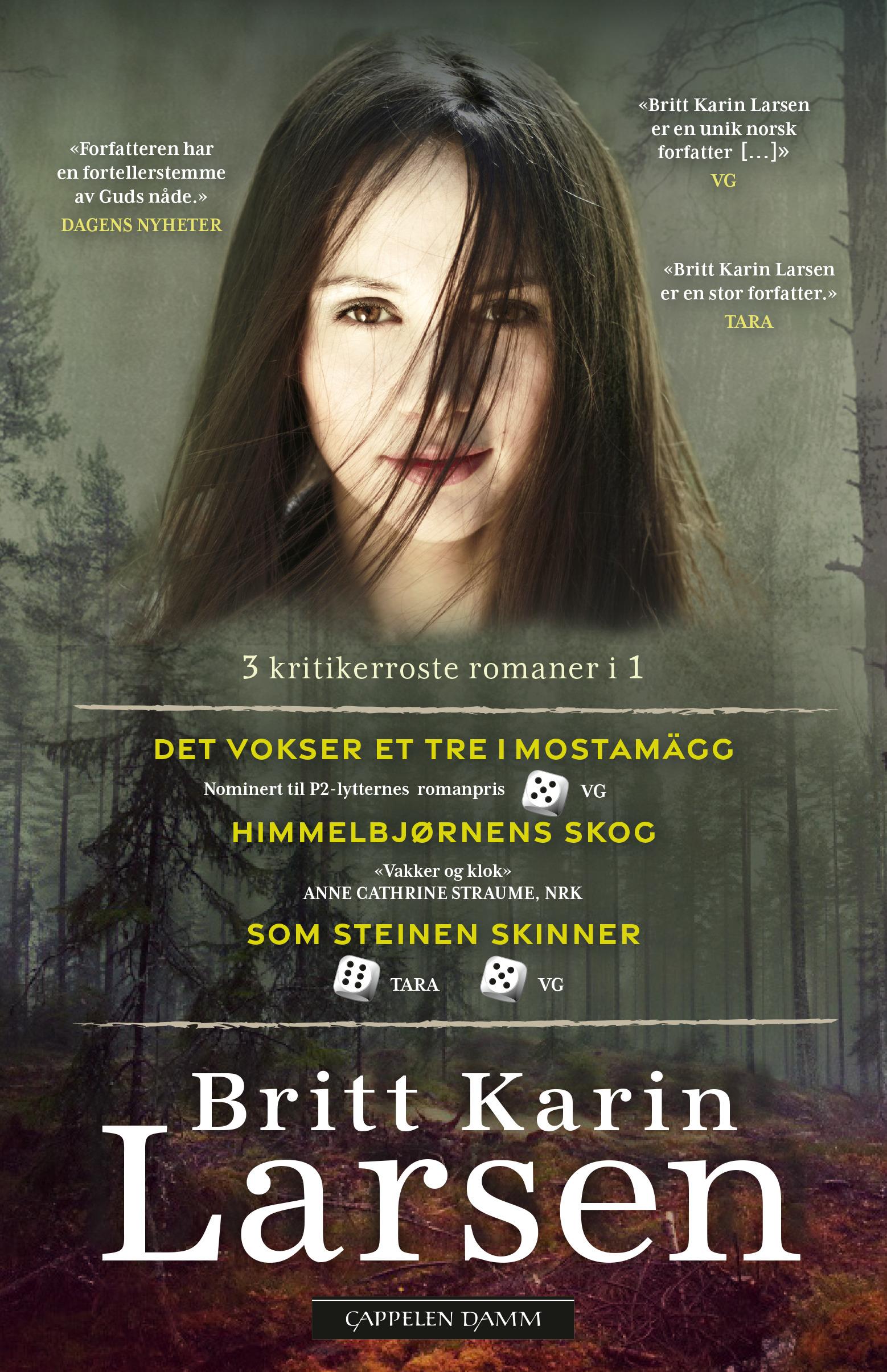
Britt Karin Larsen

Come back in time with us, and meet the cast out bear hunter Taneli and the survivor Lina in a story you will never forget. In the borderlands between Norwegian Hedmark and Swedish Värmland in the 19th century, we meet the ethnic minority of the Wood-Finns. Lina is wandering the woods with a new-born baby in her arms. She meets Taneli, a loner feared by society because of a murder he supposedly has committed. Together they try to build a life. We also get to know the other Finns in the area, like the drunkard Oluf, the witch Kaisa and the beautiful Hilda. In a ravishing, raw, tender and at times deeply moving way, Britt Karin Larsen tell the tale about the fight to survive and the bonds to nature that Lina, Taneli and the others collect strength and life from. The author gives the Forrest Finn-culture a voice, and she does it with tender intensity and great respect. This edition contains: There is a Tree Growing in Mostamägg, The Forrest of the Sky Bear and As the Stone Shines. This collected edition of the 3 first books in the series has had a print run of over 15.000 copies in Norway. ´Is this relevant for the Danish readers? After I have read book two and three in the series the answer is yes. Britt Karin Larsens family chronic about the Finnish migrators, that 500 years ago took residence in areas so wooded that the settlers had to literaly chop and burn their way there, has a rare fascination. This is because of the writers ability to combine the description of poverty and discrimination with the joy of living, human stubborness and the depiction of love for nature.´WEEKENDAVISEN, Denmark

12…151617…2122
Rights soldSold to Finland and Sweden
A Room of One's Own
Literature and Fiction2013 · 208 pp

A Room of One's Own

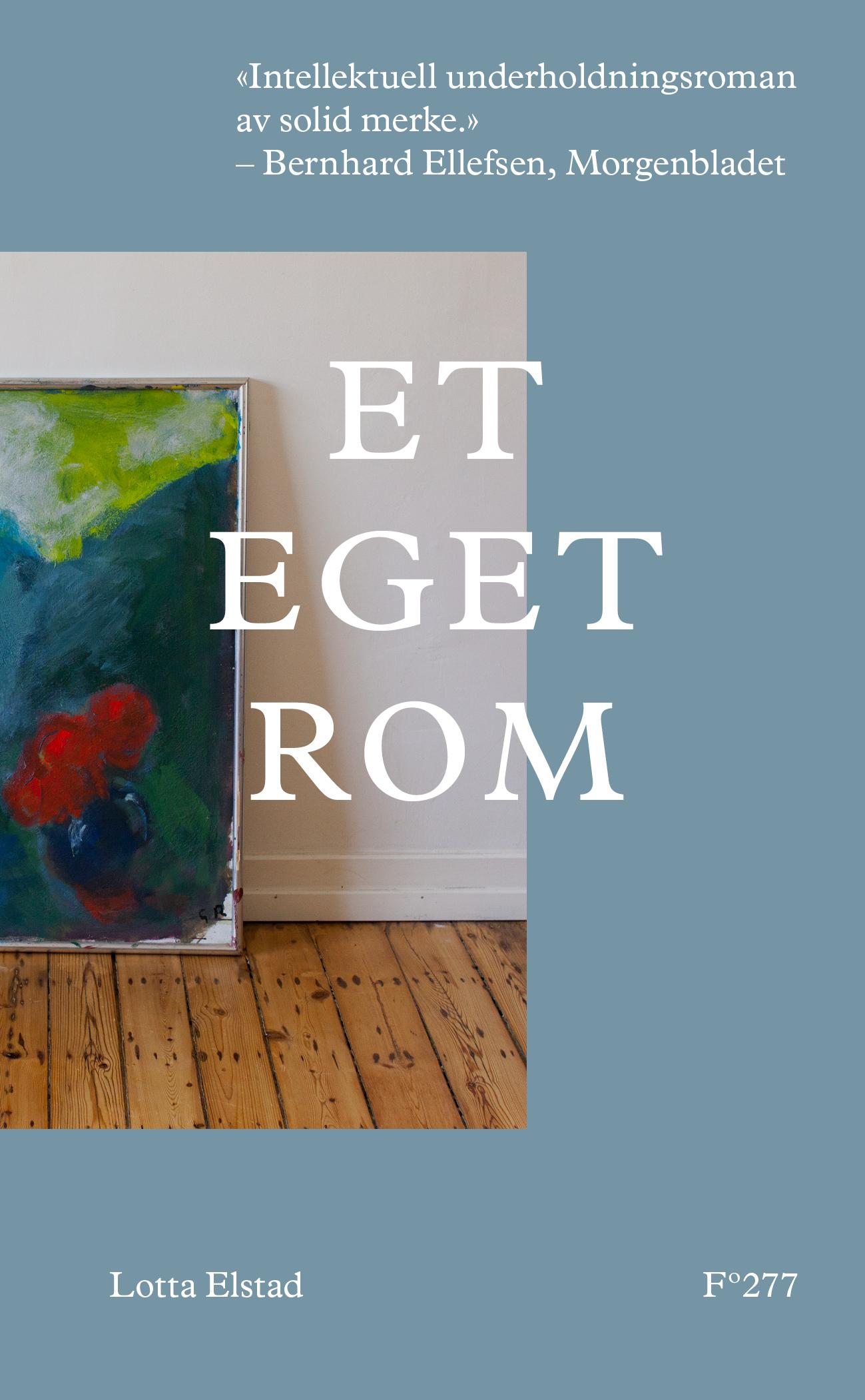
Lotta Elstad

Anna Louisa Millisdotter has her own room and a bank account full of money – what more could a 70-year-old want? Anna Louisa is ripped from her quiet retirement by an article in the country's second biggest newspaper. The author is the same woman who once persuaded her to go into public exile. The woman who claimed to have been lured into prostitution by her academic supervisor. Former student Catherine Wolf, now a professor in Anna Louisa's old faculty. And suddenly the game is on for Anna Louisa. She decides to show her face in public again – for the first time in 20 years. A Room of One's Own is feminist satire, a chamber play with room for both bitcoins and saloon guns.Lotta Elstad writes like a love child of Dag Solstad and Vigdis Hjorth: Intellectual, engaged and witty.DAG OG TIDIn light, satirical style and with a precise depiction of distinctly Norwegian societal structures, Elstad explores the need to find a place in the world and give life meaning, and how banal the outcome of this struggle can be no matter how strong the fighting spirit once was.KLASSEKAMPEN A novel full of social analyses, brimming with zest. (…) Like Elstad’s debut The Studio Apartment, A Room of One's Own is a novel with a political slant. Anna Louisa is bitter at life, tired of the public being made up of idiots, ready to put them in their place. Elstad’s short, concise writing style makes this an entertaining read.STAVANGER AFTENBLAD An intellectual, entertaining novel of high standard.MORGENBLADET

Rights soldSold to France
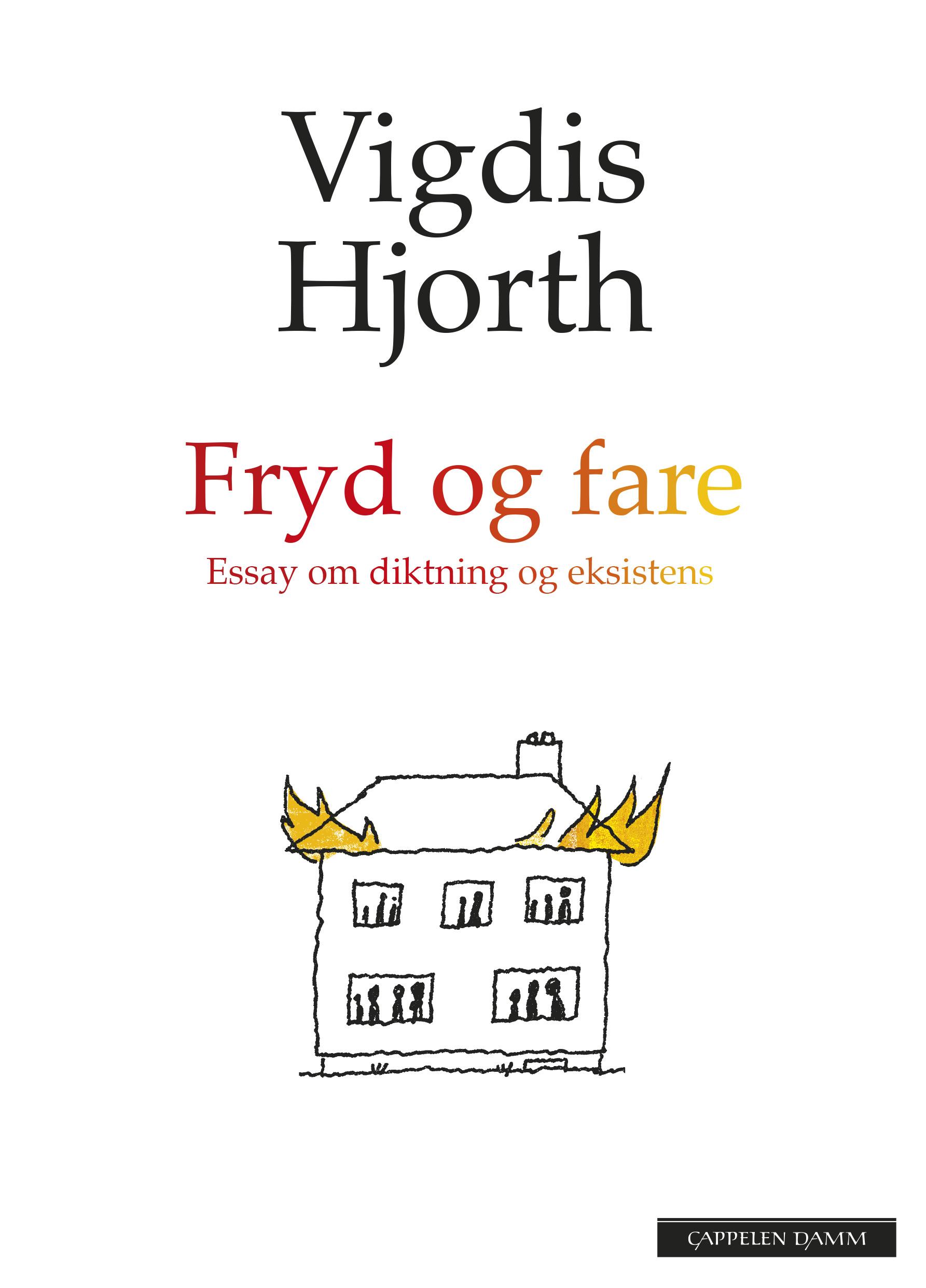
Danger and Delight
Literature and Fiction2013 · 216 pp

Danger and Delight

Vigdis Hjorth

Above all, Vigdis Hjorth is a novelist, but she is also a committed and critical reader and contributor to the social debate. In 1999, her collection of prose pieces Confessions of an Erotic Author was published. The book is a showcase for her sense of humour and acute insights in small as well as larger matters. Since then, her writing has developed until she is now one of Norway's most interesting authors. She was awarded the Hunger (Sult) Prize and her recent Long Live the Post Horn! has just won the Critics' Prize. Her novels always trigger comment and discussion. Now, we are offered another opportunity to read her thoughts about other authors, for instance Hamsun, Brecht, Woolf, Kierkegaard, Gombrowicz and others. This collection contains articles, poetry, interviews and longer essays. The tone of Literary Essays is laid-back and amusing, but demonstrates the author's great intellectual breadth and engagement. 'Vigdis Horth presents a collection of great articles she has written about literature in a book called Fryd og fare, where she proves that a warm, educated and enthusiastic person can make learning fun and inspiring in a way machines just can’t… It takes time to read this book, but not because it’s long or verbose. It takes time because you need to put it down and have a think every now and then and have discussions with yourself about the topics in question. It is only once you’ve had this discussion that you can you pick it up again and carry on, with Vigdis Horth as your able guide.' Dag og Tid 'When I read Fryd og fare, I want to write more like Vigdis Horth... an inspiring contribution to the never-ending debate about the role of literature.' Morgenbladet 'Vigdis Horth is a master of the art of seducing the reader without losing sight of seriousness. The result is eleven great texts about life and literature… Hjort discusses freedom and responsibility, and her essay about Søren Kierkegaard weaves personal experience with philosophical insights about daring to live a life free from the pressure to conform. Vigdis Horth’s life and literature is in itself an example of this. … Vigdis Horth’s essay collection “Fryd og fare” reminds us that literature in one way or another must concern the reader in order to be relevant and interesting.' Bergens Tidende 'An exemplary presentation of other writers.' Dagbladet 'This essay collection showcases an author who plays the whole gamut. … This essay collection gives good insight into Vigdis Horth’s many passionate relationships with literature, relationships which showcase an author who plays the whole gamut and where eroticism by no means reigns supreme, but is one of many human fields which can be used to illuminate our lives and help us to understand ourselves better.' Dagsavisen

Rights soldSold to Germany
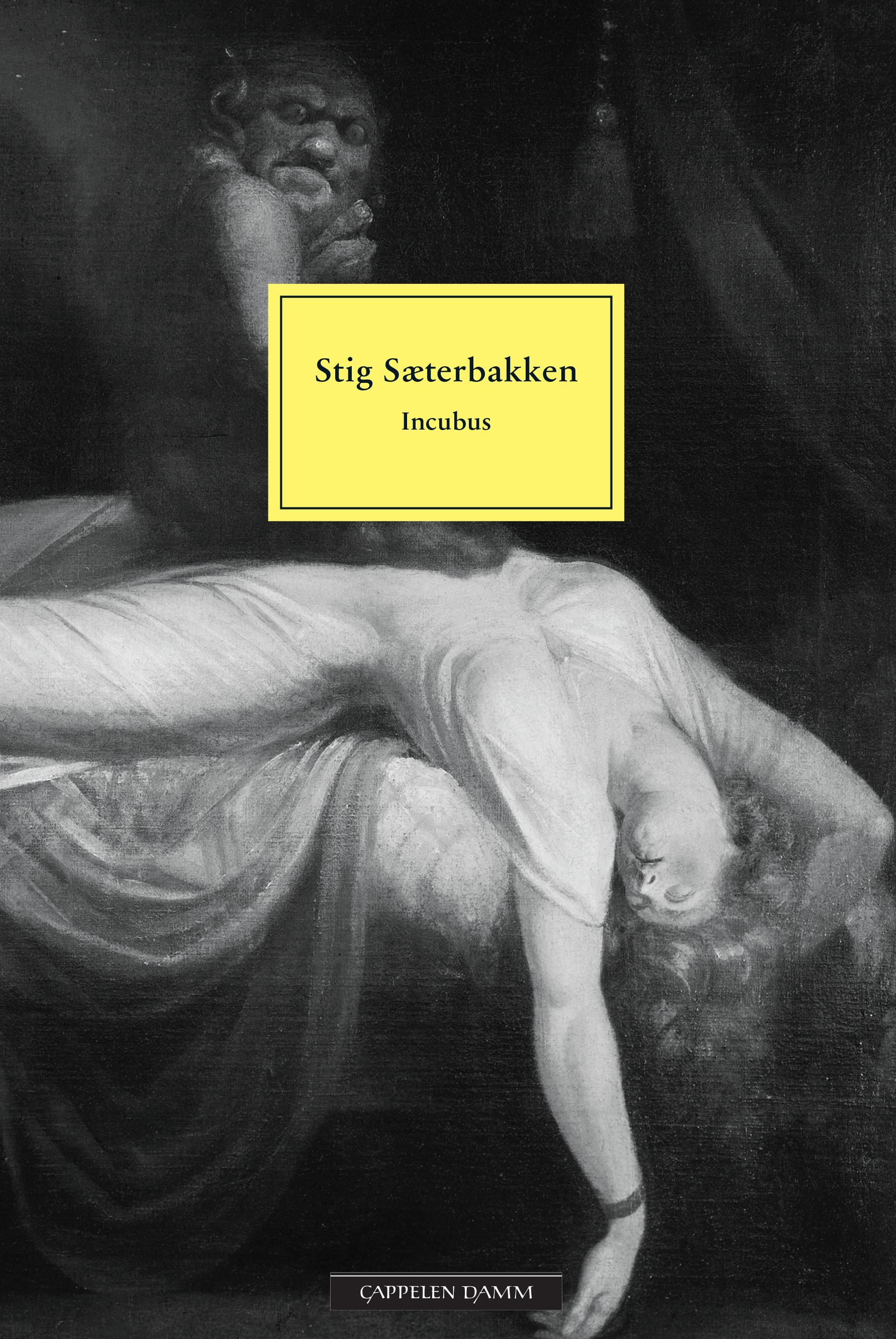
Incubus
Literature and Fiction2013 · 160 pp

Incubus

Stig Sæterbakken

"She smelled so good. A heavy smell of body, that no soap or perfume could chase. When she slept, I sometimes put my head on her shoulder with my nose close to her armpit, and all the air that I would breathe in would be filled with the smell of her.""For a period of time, everything would remind me of her. I could neither see nor listen to anything, smell or touch something, without being reminded of her. All taste reminded me of being with her. I think it is a quite common experience."Incubus was published in 1991, and was Stig Sæterbakkens debut as a novelist. The novel is about a young man that is looking for foothold in the world, a foothold he lost when his girlfriend Maria died. The young man is looking for the essence of life in the mystics and alchemy, together with the intellectual hermaphrodite Magda, or the young weirdo Jonas.

Rights soldSold to United States
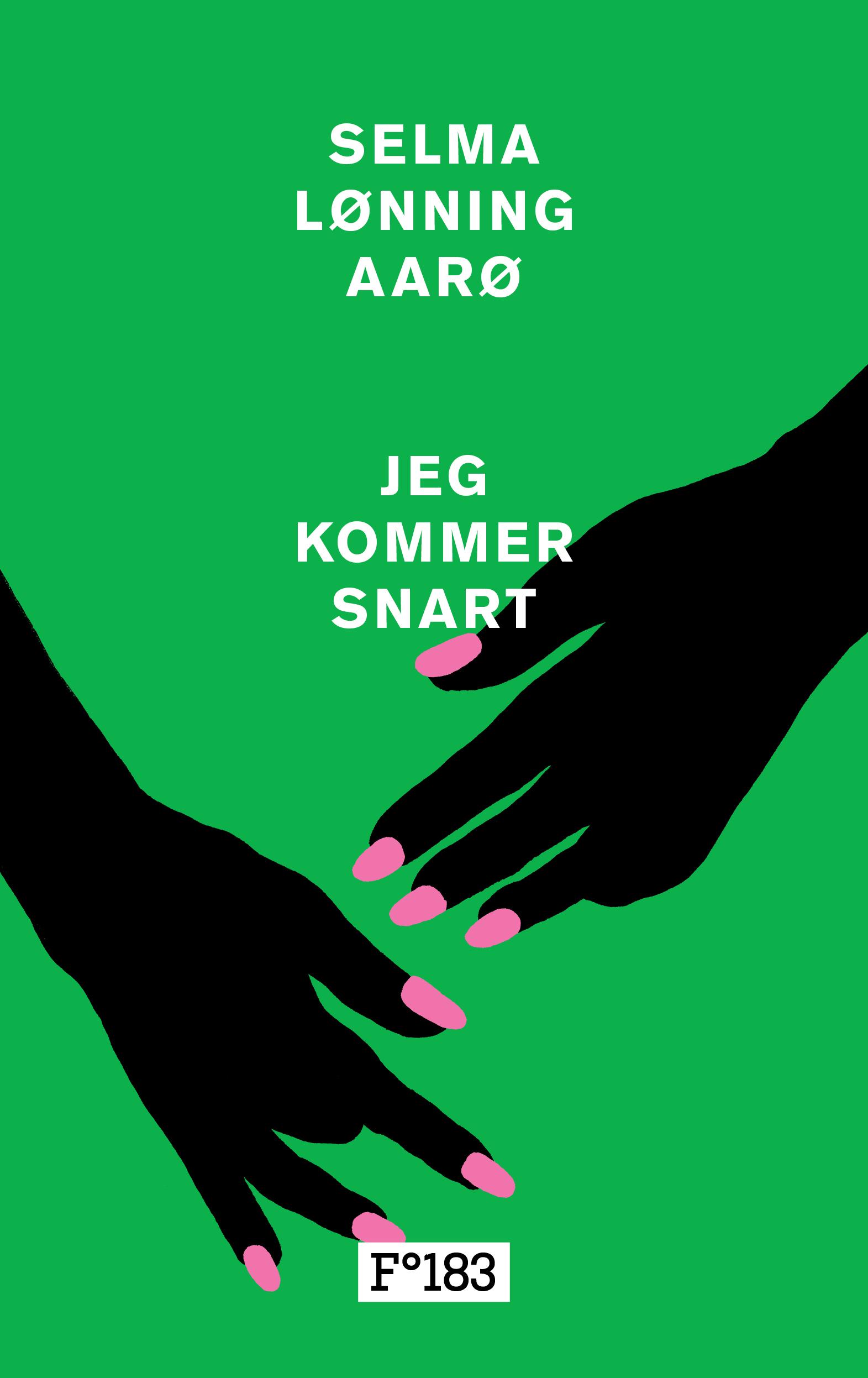
I'm Coming!
Literature and Fiction2013 · 208 pp

I'm Coming!

Selma Lønning Aarø

Is there anything more dangerous than a horny woman? That question was surely asked a hundred years ago, when ladies who were up for it were told Oh-shame-on-you – at least officially. Now, we react the other way round. We live at a time when lusting for someone is obligatory. Old and young alike. All the bonking time. We can hardly pass a newsagent without the tabloids bombarding us, on a more or less daily basis, with hints about how to practice our orgasms, breathe or eat the right way to get them, or talk dirty until we have one. Is it so odd if our heroine asks herself: I don’t come, so is there something wrong with me? The leading lady in Jeg kommer snart is a rather ordinary woman who lies down one day to find out – on her own, or, better, by her own hand – if she can do orgasms or not. And while she lies there, the reader is allowed to sneak into her head and listen to her thoughts and find out about whom she is thinking while she tries to come. This is how Jeg kommer snart becomes something as unusual as a kind of sexual biography, or sexual catalogue, in which we follow what our masturbating heroine is thinking about, like who she has been with and what it was like, and why, to this very day, she hasn’t managed to get a decent orgasm out of it all. Meanwhile, her family is buzzing about on the other side of her bedroom door, forever knocking on it and wondering why she isn’t coming (out) soon. Selma Lønning Aarø’s new novel is about the acute and very real panic that can spread throughout a sexually frustrated woman’s body. Jeg kommer snart is wise, sensitive, funny and, as an existential diagnosis of our time – and our media – almost too close to the bone. ‘Daring and direct writing about a woman’s inability to orgasm, with great satirical subtext. ... In this book, sex is associated with destructive forces such as violence, crime and death. Lønning Aarø has written a book about something rarely discussed nowadays, a frigid woman (as they were referred to way back when), through which she has a nice ironic go at contemporary trends.’BERGENS TIDENDE ‘Funny, smart and important novel about the last sexual taboo – why do women fake it?’DAGBLADET ‘The structure of this novel is delightfully simple… Here Aarø is given the opportunity to talk nonsense about things that many people have observed and will relate to. … How do routines become established in a relationship? How long do the batteries last in a vibrator? There is also a hint of ice-cold darkness in Jeg kommer snart … It takes a while for the reader to understand that this does not belong to the light, chicklit genre they initially thought they’d delved into.’DAGENS NÆRINGSLIV ‘Five years have passed since Selma Lønning Aarø’s last novel. Her distinctive mixture of comedy and seriousness remains intact. This is quite simply enjoyable reading.’KK ‘A serious enough theme can be found at the heart of this novel, connected to society’s expectations of a woman, her expectations of herself, and not least of sexuality. But Lønning Aarø portrays this with a playful elegance and linguistic devices which make this highly entertaining reading.’HAMAR ARBEIDERBLAD ‘Aarø uses humour to approach a theme which is darker and more important than sex: all the stress we go through in trying to be someone worth loving. And she succeeds in being both funny and serious.’DAG OG TID ‘Jeg kommer snart offers a lot in the way of entertainment, this is light-hearted and quickly-read satire of our often self-centred endeavours to achieve perfect lives and sex lives.’DAGBLADET ‘Selma Lønning Aarø writes very pointedly about sex, lust and shame. The story of Julie’s enduring efforts to achieve sexual release makes for entertaining literature. Even though she is intimate with others, she avoids being too private and this also makes it relevant outside of the main character’s bedroom.’AVISA SUNNHORDLAND

Rights soldSold to 4 territories
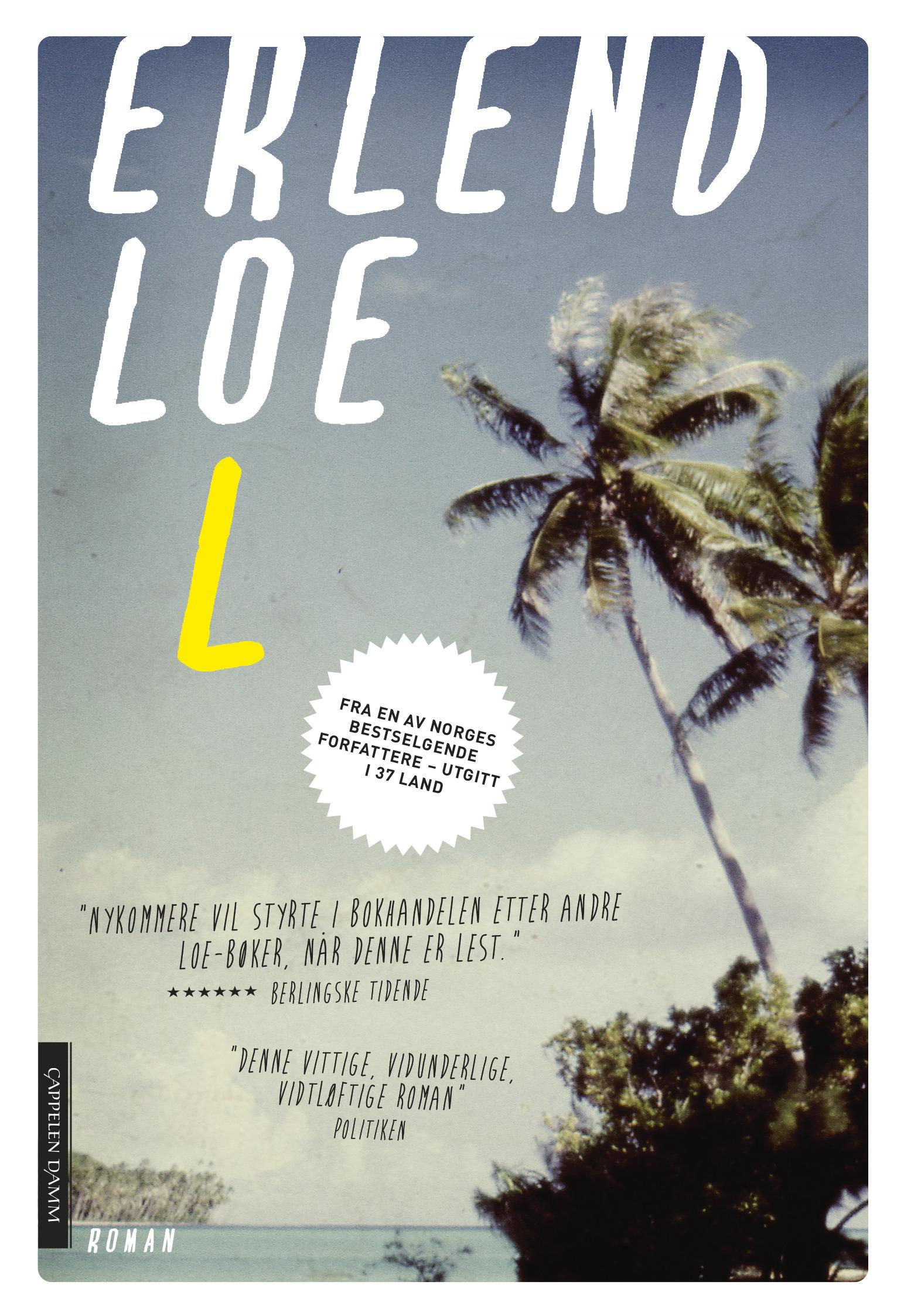
L
Literature and Fiction2013 · 320 pp

L

Erlend Loe

I see the human life here on earth as an endless piece of Group Work. The task, crafted at the beginning of time, is as follows: Discuss what you see around you. Find out how you in the best possible way can organize yourself in order to make use of nature. Describe, in your own words, what it is to be a person. Find out how everything is connected, and why you are here. Take your time. In the 90´s Erlend Loe brought a group of his best friends to an island in the Pacific. The result of the expedition was "L", an adventurous novel about a project that is doomed to fail, about a generation that finds it self in a totally different place than the previous generations, that created myths and real men. "L" is a novel about the young men of our time, and a celebration of humour and community. "Erlend Loe is a well known supernaïvist, a master of the subtle in a class of his own. As a existential humourist and satirist he is incomparable." WEEKENDAVISEN, Denmark "Fans, that know Loes books well, will laugh their pants off, and find leads pointing to other parts of his writing. First-timers will run to the bookshop to buy more books by Loe after finishing this one."BERLINGSKE TIDENDE, Denmark "Erlend Loes copy and satire of Thor Heyerdahls great deeds in the Pacific is witty and wide-ranging (...) This witty, wonderful, wide novel is disguised as a expedition report with photos, maps and the whole shebang!"POLITIKEN, Denmark

Rights soldSold to 5 territories
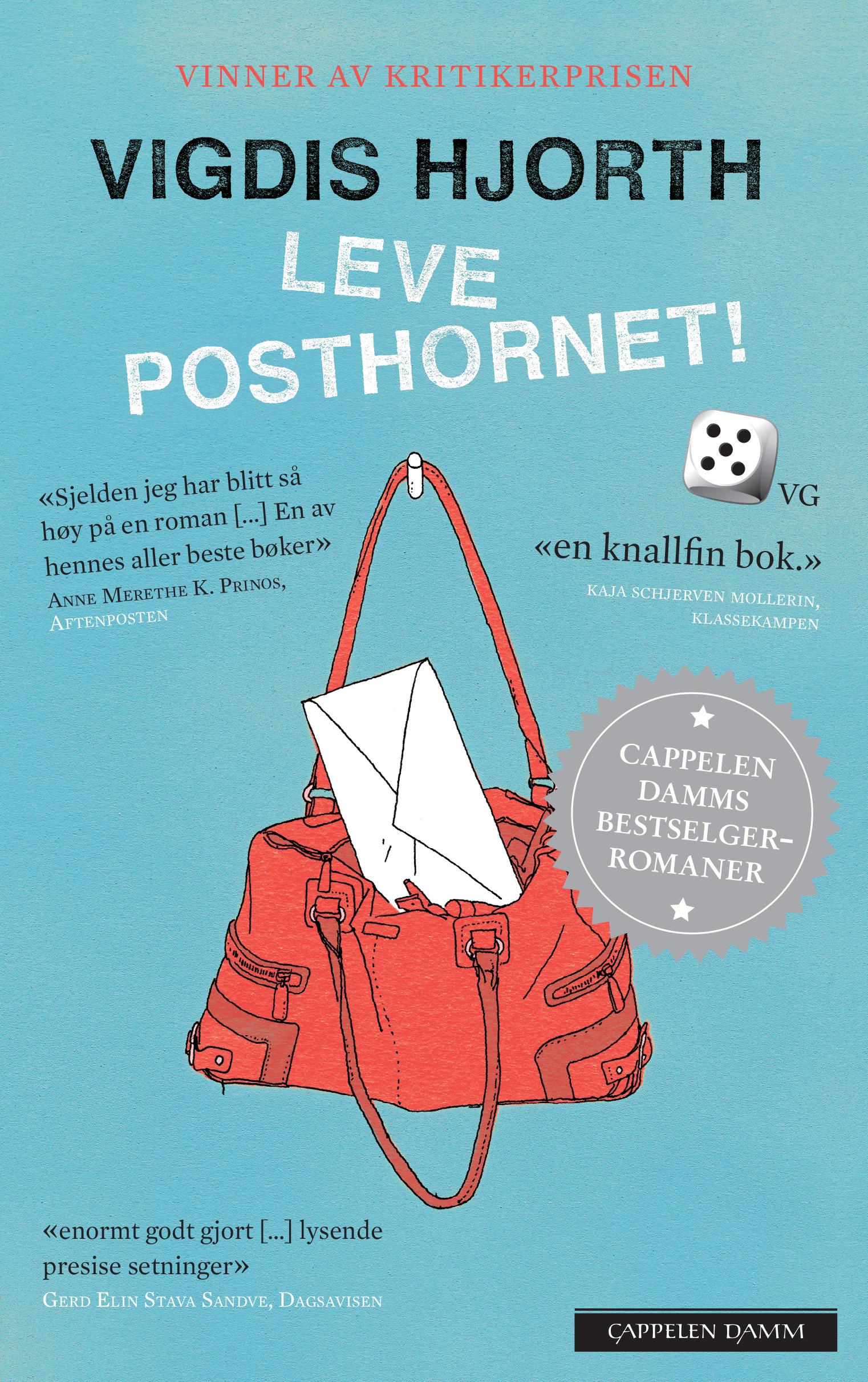
Long Live the Post Horn!
UpLit / Literature and Fiction2013 · 192 pp

Long Live the Post Horn!

Vigdis Hjorth

Ellinor, a communications adviser in her thirties, have a feeling that there is not enough seriousness and sincerity in existence. That her life is to banal for the despair she is feeling. When a colleague goes missing, she has to take on the project he was in the middle of doing for Postkom. By teaching the employees in the Postal Service about the media, power and politics, she is to assist them in the introduction of the third postal directive from the EU. WINNER OF THE NORWEGIAN CRITICS AWARD“If you are going to read just one novel about loneliness and the postal service, let it be this one! (…) It is almost impossible to know where to start when you talk about Hjorths novels. They are instant, but keep hanging around kicking you after you finish reading. This time she brings together politics, the postal service and a lonely woman. Can that be interesting? Yes, with Hjorth it can.” VG “Seldom have I gotten so high on a novel as I did when I was reading Vigdis Hjorths book about the EU Postal Directive. (…)One of her best books. (…) I am almost tempted to say Long Live Vigdis Hjorth!”AFTENPOSTEN Vigdis Hjorth was awarded the Norwegian Critics Award for this novel.

Rights soldSold to 6 territories
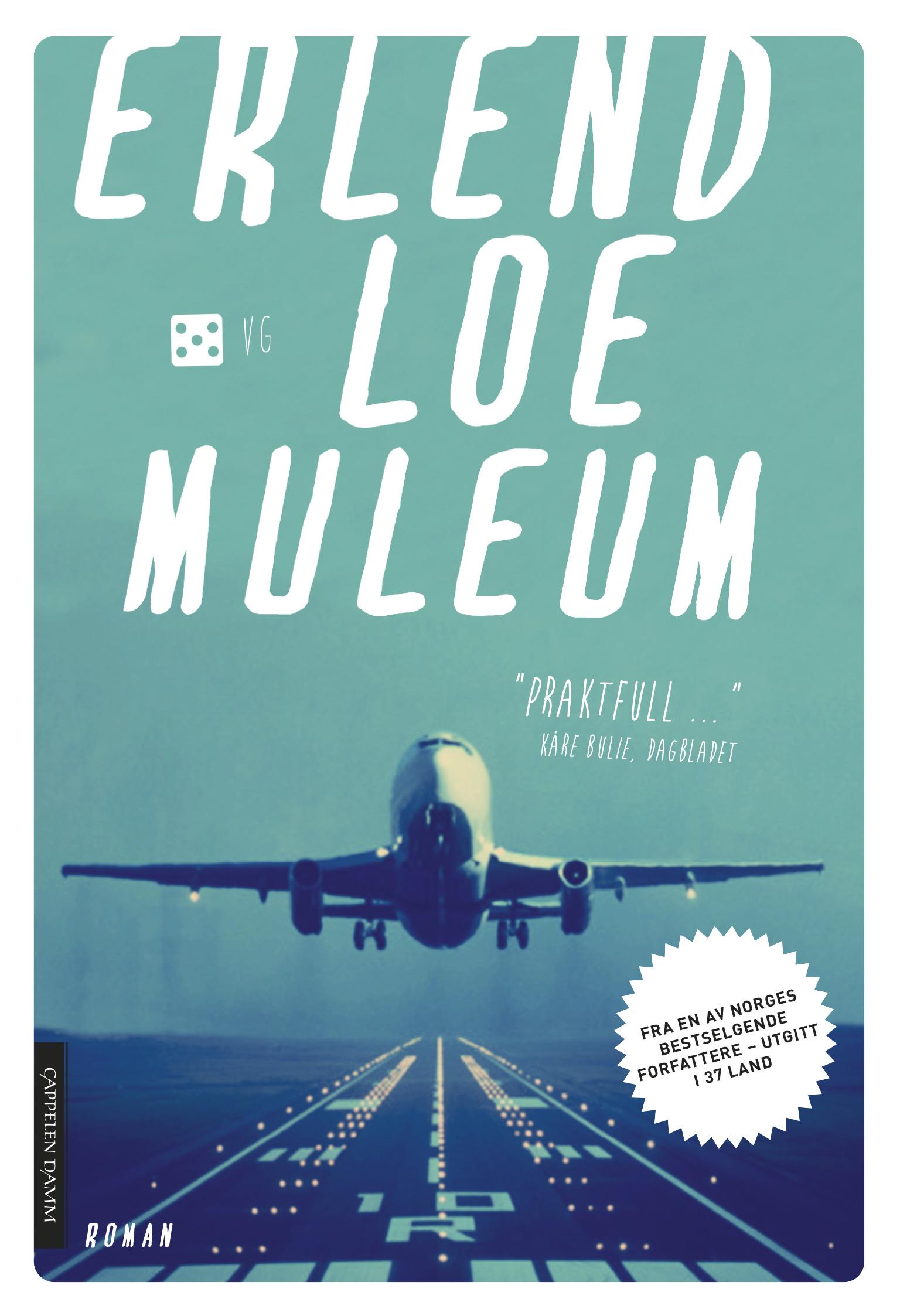
Muleum
Literature and Fiction2013 · 176 pp · Age 9+

Muleum

Erlend Loe

We’re crashing. We love you. Do what you want to do. Dad These are the words in a text-message that turns 16-year-old Julie’s life into a catastrophe. Her mum, dad and her older brother, Tom, are killed in a plane crash in Namibia. Julie sits there in the family’s big house in Oslo's West End with Krzysztof, the Polish craftsman, employed to tile the family’s swimming pool. Julie has been advised by «Psycho Geir with the beard» to write a diary, and reluctantly she has to admit that she has benefited from putting her thoughts down on paper. Through the diary we get insight in her state of mind and her experiences after the tragedy. After a failed attempt to commit suicide during a theatre premiere at the high school she attends, Julie takes off, criss-crossing the world in a desperate attempt at confronting dangers and finding herself. She is a angry young woman, rebellious and carrying a death wish, fleeing desperately from the conformity of society. Muleum won the 2010 Grote Jongeren Literatuur Pris, where he was nominated along with amongst others Dave Eggers. "Potent and playful easy read."VG"Muleum is a magnificent little text - painful and sad, but at the same time as funny and verbally sparky as Loe tends to be at his best."DAGBLADET "Entertaining and wise. Erlend Loe shows us that reading about serious topics do not need to be boring."OPPLAND ARBEIDERBLAD"Beautiful, dark, funny and sad."BERGENS TIDENDE"Erlend Loe is Norway´s version of Nick Hornby, only more crazy and funny (crazy fun!). His method of measuring the temperature of the world has given him a cult status - and it is right to do so!"AMELIA, Sweden

Rights soldSold to 12 territories
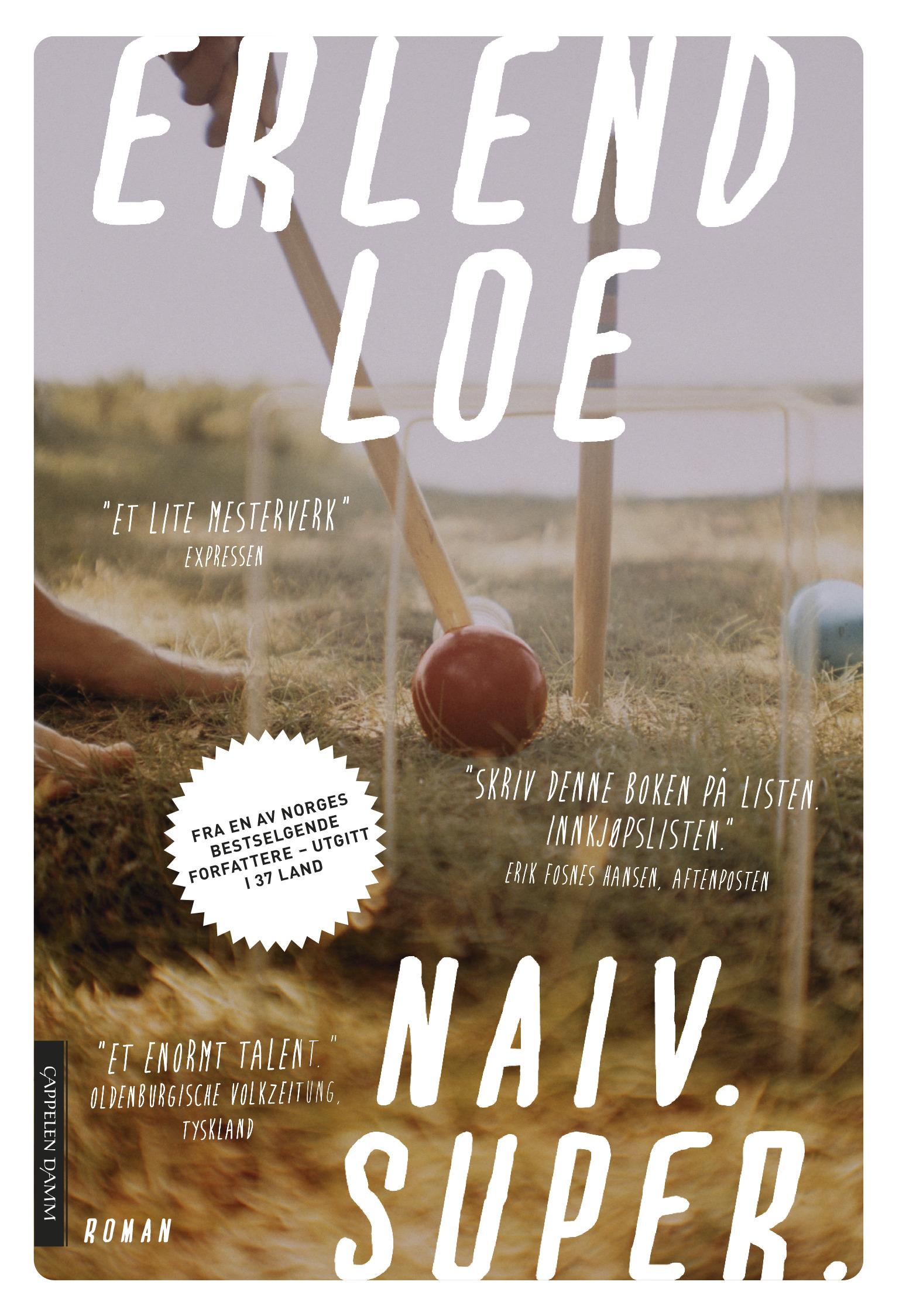
Naiv.Super.
Literature and Fiction2013 · 240 pp

Naiv.Super.

Erlend Loe

The 25-year-old main character of Naiv. Super. has two friends. One good and one bad. And then he has a not too sympathetic brother. When this brother beats him in a game of crocket, his world falls apart. Naiv. Super. is a simple story about complicated things. 'Loe certainly has some of Salinger's lightness of touch, and often comic voice of his unnamed narrator recalls Salinger's Holden Caulfield. A charming debut novel.'THE TIMES 'A little masterpiece'EXPRESSEN, Sweden'It is fascinating, how much depth this young author can convey in a simple language - a major talent.' Oldenburgische Volkzeitung, Germany 'A book overflowing with creative talent on just about every page. Well calculated naivety.'DAGBLADET

Rights soldSold to 4 territories
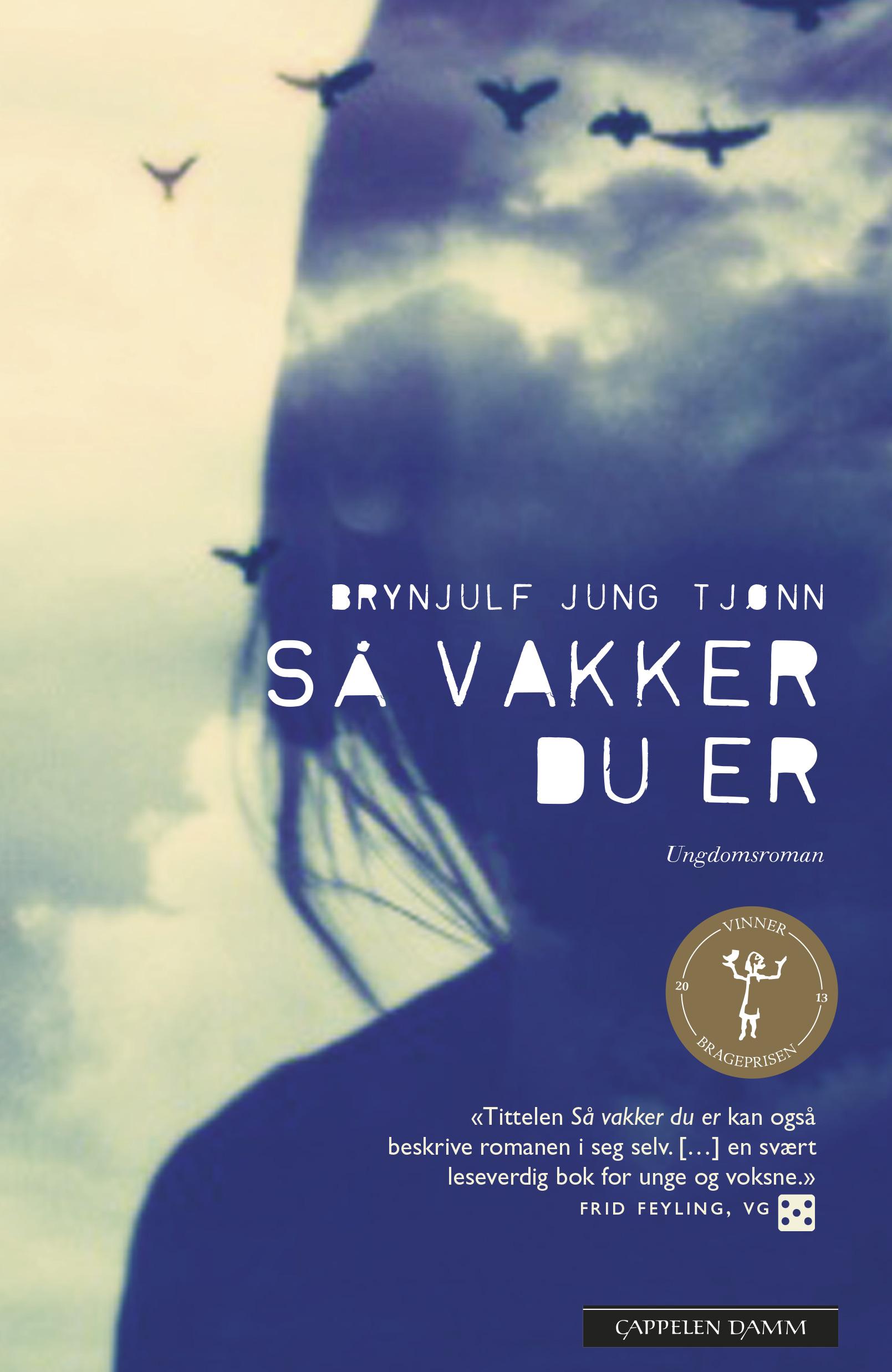
You Are So Beautiful
Literature and Fiction / Children's Books2013 · 128 pp · Age 12+

You Are So Beautiful

Brynjulf Jung Tjønn

It’s summertime, and everything is different now. Uncle Simon moves in with Henrik and his mother. Simon and Henrik have always been close, but now Simon is ill – really ill. It’s not difficult to work out what will happen, even if his mother avoids coming right out and saying it. Henrik tells Simon that he’s kissed Kjersti, a girl in his class at school, even though he hasn’t. He didn’t dare, even when he had the chance. Kjersti is due home soon from her holiday in Italy, and Henrik wonders if she has missed him at all. How beautiful you are (Så vakker du er) is the story of a boy on the brink of becoming a young man, all whilst another young man is fading away. This is a story that touches upon grabbing the chances life gives you – and the fact that one day, quite suddenly, there may be no more chances to grab. Brynjulf Jung Tjønn’s writing is both concise and intimate in form, brimming with language that swells with emotion.Winner of the Brage Prize 2013. ‘The title How baeautiful You are can be seen as a description of the novel itself. … Emphatic sentence structures lend the storytelling intensity and power. As the novel is also short and easy to read, it is, in every way, a gift for young people about to sit their ‘nynorsk’ language finals. Having said that, Så vakker du er is a very readable book for adults as well as for young people. ... The advice to ‘Seize the day’ can be read between the lines. Go for the options open to you in the here and now, one day it might be too late!’ VG ‘If it were possible to speak with books, I might well have said to this short novel How Beautiful You are. How beautiful and how painful you are. … The author does not spare his readers and sets to work with thoroughness and attention to concrete details. He takes both his difficult theme and his readers seriously, and his short sentences hammer into us the cruelty of real life. … Like all outstanding novels for young people, this one too makes good reading for adults.’ NRK.NO ‘… this novel has unmistakable qualities, not least because the young reader is offered good opportunities to keep in touch with his own emotions. Jung Tjønn’s narrator is Henrik, a boy who lives with his mother and, later, also with her brother, Simon, who is mortally ill. The friendship between uncle and nephew is described in sensitive nynorsk, set out in a sentence per line. The layout enhances the poetic feel of the writing … At its best How Beautiful You are hits you where it hurts. … Jung Tjønn’s slow sentences contain a quiet acceptance of the necessity of death. Given that, one had better work out how to relate to death. This means that Så vakker du er might well come to function well as a kind of self-help book. At times, it expresses in new, fruitful ways how to confront Death ’face to face’.’ BARNEBOKKRITIKK.NO ‘The dramatic tension is generated as Henrik accompanies Simon into death, staying close on the journey with no return, an overpowering and claustrophobic experience. Tjønn writes with magnificent effect, but at the same time with nuance and tenderness. … It is the weightiest book I have read for a long time and, when all is said, my favourite for the Brage Prize for the best book for children and young people in 2013.’ AFTENPOSTEN ‘Living is fantastic and painful at the same time, and described here in a poetic prose that moves the reader. This is a fine novel.’ DAG OG TID ‘Tjønn has written a moving and hopeful story about a young man who manages to find within himself the strength to cope with life.’ NYNORSK.NO
Rights soldSold to 3 territories
Frankly, my dear
Literature and Fiction2013 · 176 pp

Frankly, my dear

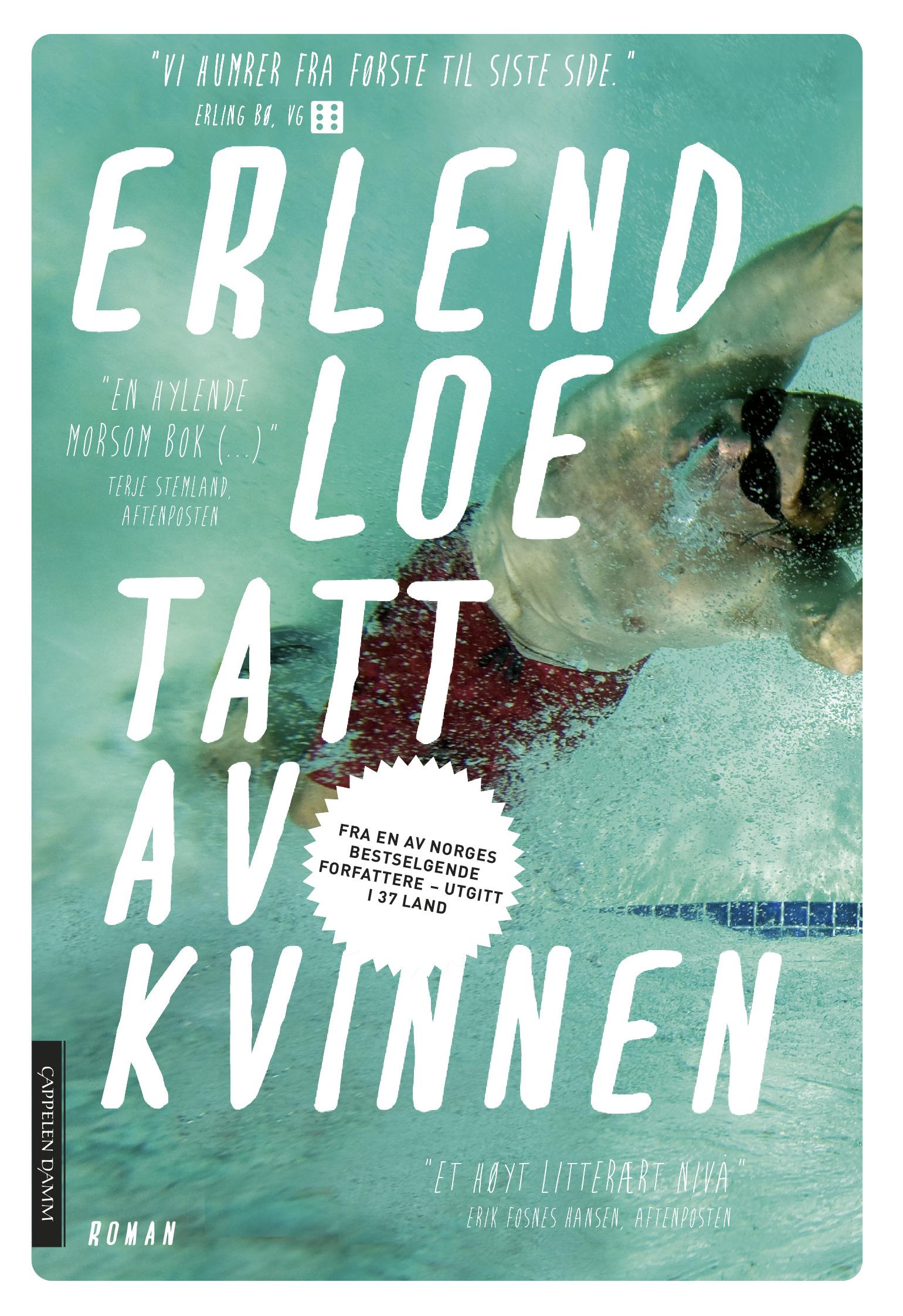
Erlend Loe

It was around then she started to come more frequently. At night, just before I was going to bed. She would sit down and talk. Always about how much she loved silence and how good it was being alone. The talk was never ending. I would sometimes fall asleep, just drift off for a moment. But she would not notice. I woke, every time with a little twitch, sometimes with a noise in my throat.Frankly, my dear is a humoristic story about powerlessness. It is a warning to all young men and women. You enjoy Loe's sarcasms and the young man's considerations about himself and his relationship to the woman. Erlend Loe made his literary debut with this novel at the age of 24 years old, and he received raving reviews for it. "Erlend Loe is a wordsmith that elegantly stretches and underplays his characters amok-running inner monologues. With Loe the absurd is never threatening, it would rather seem to be a form of apolitical alienation process, a way to squeeze new acknowledgements out of well-known themes. While many of his colleagues will look themselves in the mirror, Loe holds up the Troll Mirror. His novels almost insist that prose is something other than reality."From the Jury Statement, Aschehougprisen 2003"Rarely, very rarely, do you read a novel that you know that you will remember. Usually it is only the classical works by the great masters of literature that will give you such a read. But we assure you: Erlend Loe's Frankly, my dear will be remembered." VG"This is penmanship. It is also comical art (...) the situations and characters so mercilessly put on display, the sentences so wizzy and freshly put together, that you have to laugh rather loudly while reading. (...) The cunning and equilibrant way that the book is written in lifts Frankly, my dear to a high literary level. The satire never stands in the way of the disturbing, the existentially serious - or the poetic."ERIK FOSNES HANSEN, writer"Frankly, my dear by Erlend Loe is the story about a chronic pushover, that deviously and distanced tell the story about his sad relationship to The Woman. It is a crazy funny book, but also something more. It is sort of also a barometer of our time." AFTENPOSTEN

Rights soldSold to 11 territories
Taking Stock
Literature and Fiction2013 · 136 pp

Taking Stock

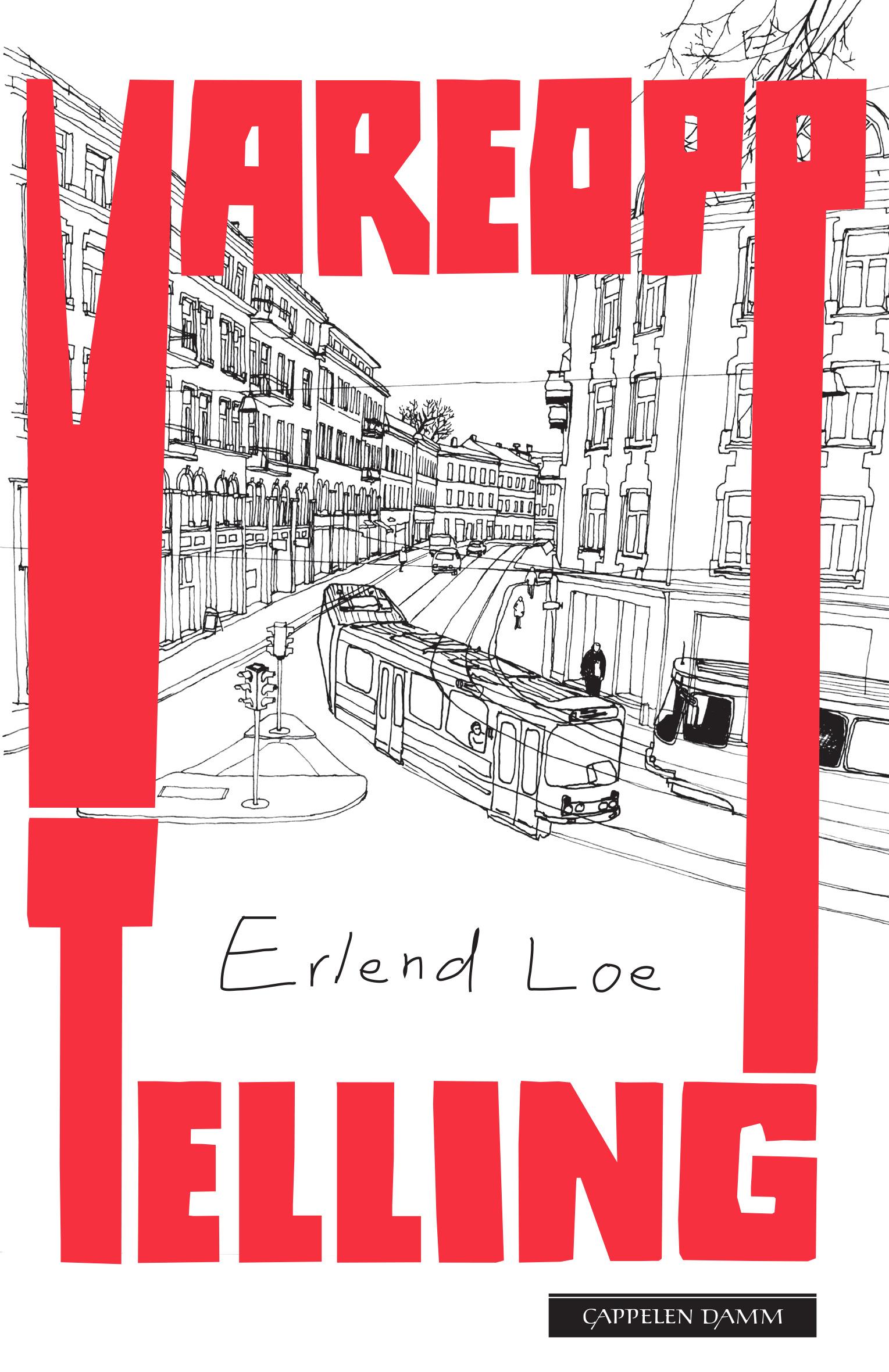
Erlend Loe

"There were those who thought that Nina Faber should have won the Nordic Council’s Literature Prize in the 1970s. In her own careful way she was a fine poet, but never sufficiently able to find the rhythm of the forced political times; when others wrote about Mao, Nina wrote about marsh helleborine, the pattern in the wings of the dragonfly and about the weather in cities she had never been to." Nina is an ageing poet. Thanks to an award she has spent the past few years in Istanbul, where she completed her most recent poetry collection, entitled ‘Bosporos’. Back in Oslo she settles in a cottage in Sogn allotment garden and awakes early, on the day that will come to be her last. She waits for the editor to call and share the good reviews. But it doesn’t happen. Everything falls through, so Nina decides to take revenge. In Taking Stock (Vareopptelling) Erlend Loe writes humorously and ironically about publishing procedures, the mature woman’s meeting with a new age, and about how much anger and bile there is in a woman of a certain age, spectacularly revealed when she makes the decision to take matters into her own hands. ‘The novel Taking Stock by Erlend Loe instantly reminds us all of the author’s obvious qualities. He is funny! Who but Loe would have cared to write about a lactose-intolerant hedgehog? No one, no one at all. Only Erlend Loe.’ NRK ‘Alternating sensitively between rebellion and a feeling of great unease about our culture, Erlend Loe tells the story of a human being who feels that everything fails to be what it should, in her own case and in the world at large. ... The novel is at its best when it describes her general, existential despair.’DAG OG TID ‘It has become a narrative brim-full of nerve-tensing humour; sensitive, full of excitement and humbling ... In this tightly organised short novel of less than 130 pages, Loe offers us a dense and detailed introduction to settings, times and to a personality losing its grip, and thus, Vareopptelling becomes an elegant account of the slippery slope into disgrace and breakdown. But, in razor-sharp literary dissections, Loe manages also to turn humiliation into more than a driving force. Although written with a light keyboard touch, Taking Stock is also a serious analysis of the logic driven by an excessive sense of shame.’DAGSAVISEN ‘A funny, burlesque and grotesque novel about the poet Nina Faber’s intense anger and robust retribution after a cruel review ... According to my own inventory of his writing, Loe has written his best novel since ‘Doppler’- both are also comparable in focusing on protagonists above the ordinary Norwegian standard. Recommended!’ADRESSEAVISEN ‘He picks settings that he pictures with precision, and his funny passages are light-hearted, easy-going and enjoyable. Characterisation is sparse but sharply observed ... The plot sweeps along, told in a lively tone and at a fast tempo, with brilliantly absurd turns of phrase. Towards the end. Loe completely lets go of the reins, with a quite priceless outcome.’KLASSEKAMPEN ‘It’s really great it is, Taking Stock. A darkly funny little story that takes each turns tightly. Concise and suggestive. Stunning finale. Recommended, if you have an afternoon or two to spare.’UNIVERSITAS

Rights soldSold to 7 territories