FictionNon-fictionChildren's & YAAuthorsAbout us

Representing the authors and titles of Cappelen Damm for translation and adaptation rights worldwide.

Catalogue

  • Fiction
  • Non-fiction
  • Children's & YA
  • Authors

Agency

  • About us
  • Rights catalogues
  • Rights deals
  • News
  • Fairs & events

Get in touch

rights@cappelendamm.no
Stortingsgata 28, Oslo

© 2026 Cappelen Damm AS · Rights & AgencyPrivacy & cookiescappelendamm.no

Literary fiction

Literary fictionCrime & thrillerNarrative non-fictionChildren's & YASelf helpCook booksCrafts & hobbies

Browse

FictionNon-fictionChildren's & YA

Foreign rights

Rights sold

Genre

Children's Books902Literature and Fiction722Narrative Non-fiction336Self Help179Crafts and Hobbies146Mystery and Crime143Cook Books107UpLit82

Published

2025 and newer2020–20242015–20192014 and older

Rights sold to

Clear all filters

243 titles in the catalogue

Literature and Fiction2015–2019Clear all
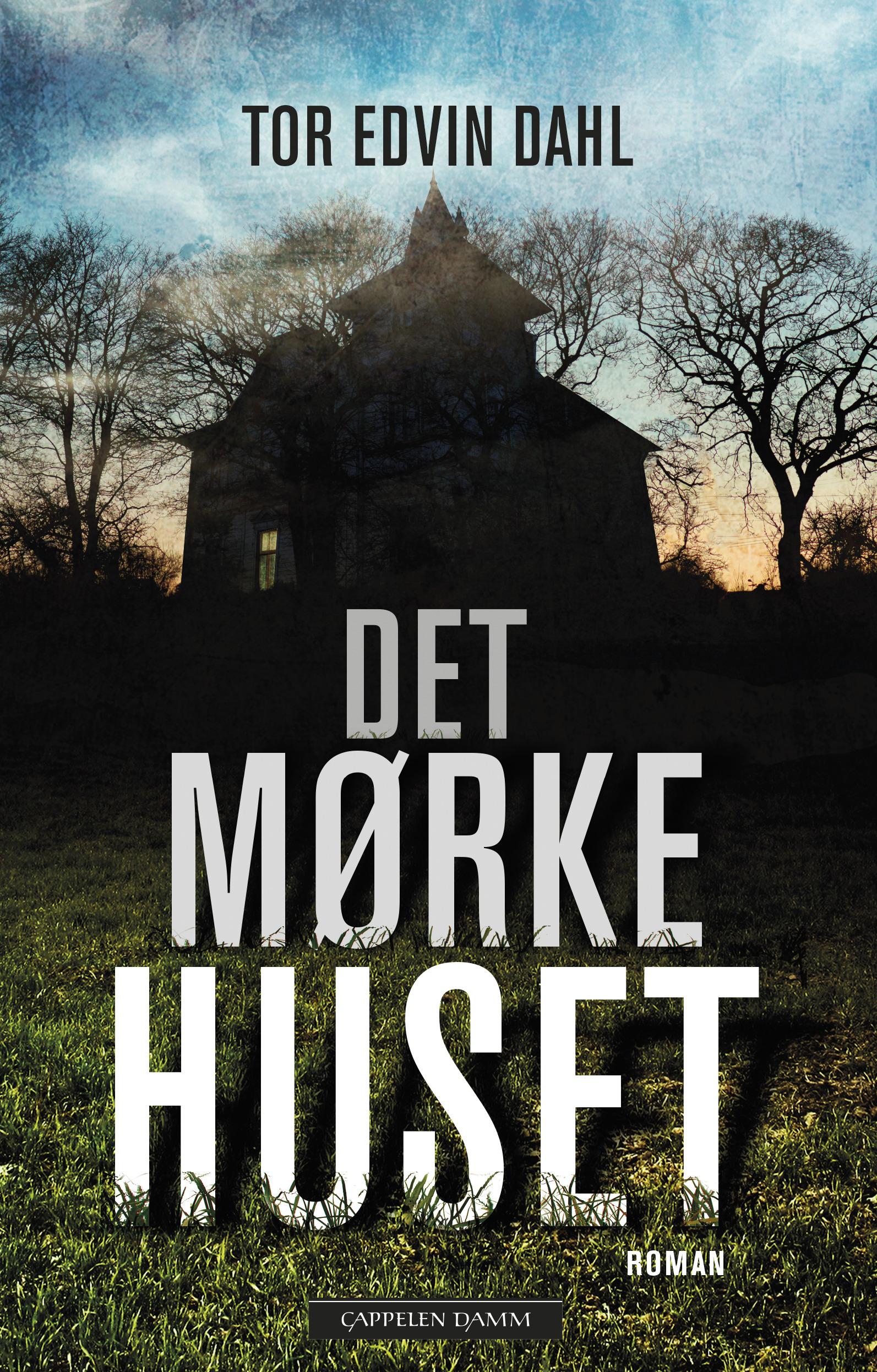
The Dark House
Literature and Fiction2015 · 272 pp

The Dark House

Tor Edvin Dahl

It is a lovely summer's day, one of the best. Arnstein Weide, fourteen years and three months old, is on his way to meet his friend from school, Ørjan. But there are police cars and police officers outside Ørjan's house. One of them asks Arnstein to leave. Next day at school, there is a rumour going around that Ørjan has shot his father. And that he is now missing. It is 1957. Twenty years later, Arnstein has become an author. Ørjan is still missing. The murder remains unsolved. Then a theatre troupe from Germany arrive, and things start to happen. But what really happened in the summer of 1957? And what did it mean for the two friends, their parents and their neighbours – and not least Arnstein's wife, the loving and devoted Lisbeth? The answer only comes when the story fast-forwards to our own time. In a graveyard, in front of a gravestone, two people are forced to make their final decisions. Decisions pushing the limits of loyalty and love, but perhaps desire and justice as well. This is a novel set in Oslo. It reflects life as it was lived in the first afterwar period and all the changes that came with political struggles and youthful rebellion. And where it all ended. ‘This year’s novel from Tor Edvin Dahl is a rare experience. Det mørke huset is also great literature purely from a linguistic and composition-related perspective.’5/6FÆDRELANDSVENNEN

12…1718192021
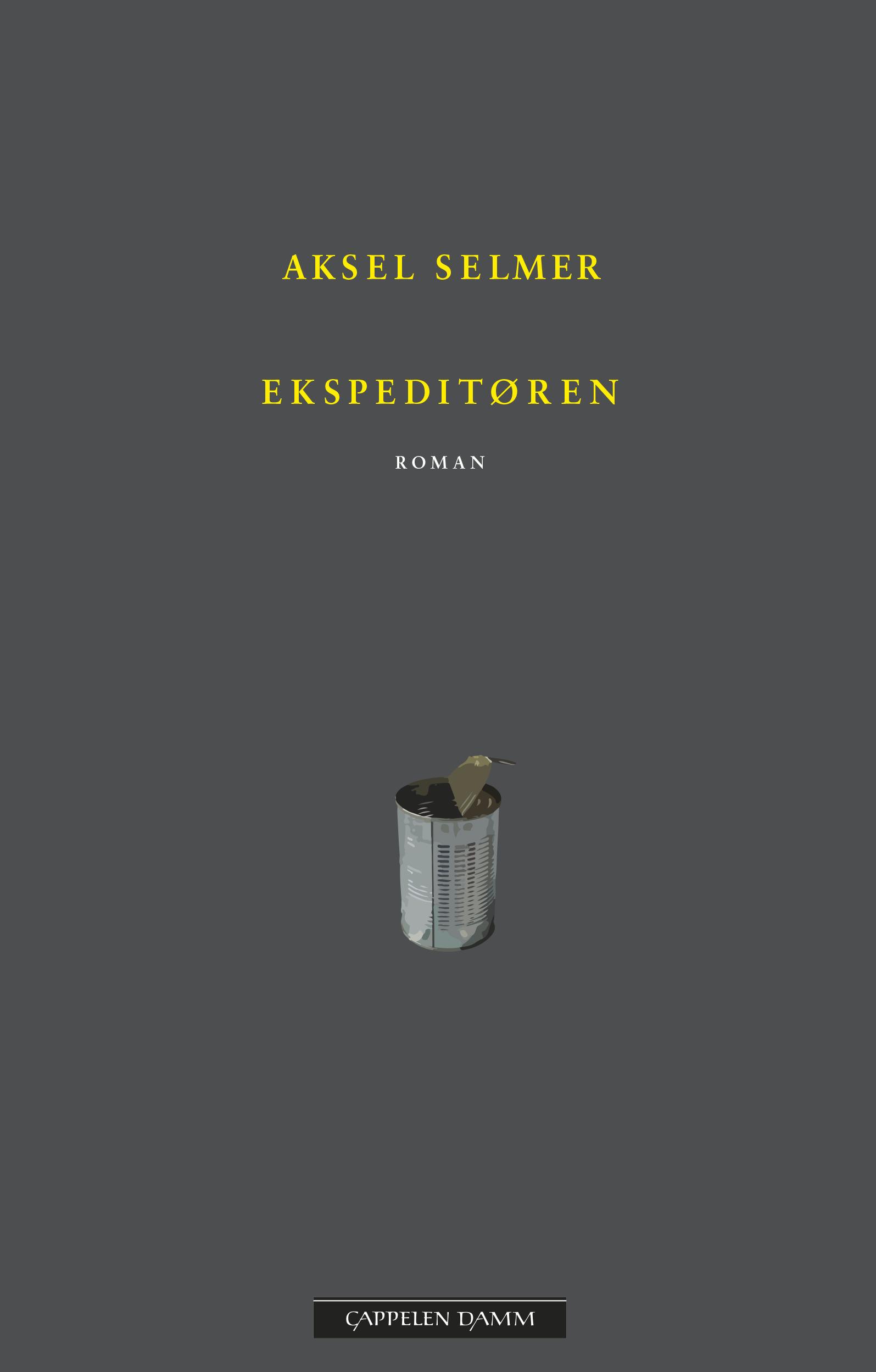
The Salesperson
Literature and Fiction2015 · 144 pp

The Salesperson

Aksel Selmer

Aksel Selmer follows up Bomvokteren with Ekspeditøren and a post-apocalyptic world, neither wholly identical to our own nor so very different. This is a taut and intense drama about people on the margins of existence. 'Aksel Selmer shows in ’The Salesperson’ that he has the skill to write a thriller novel which at the same time gives us thought-provoking insights into the human mind.' ROMSDALS BUDSTIKKE

Rights soldSold to Denmark
There Is Still Time
Literature and Fiction2015 · 280 pp

There Is Still Time

Tora Ørdal Mikkelborg

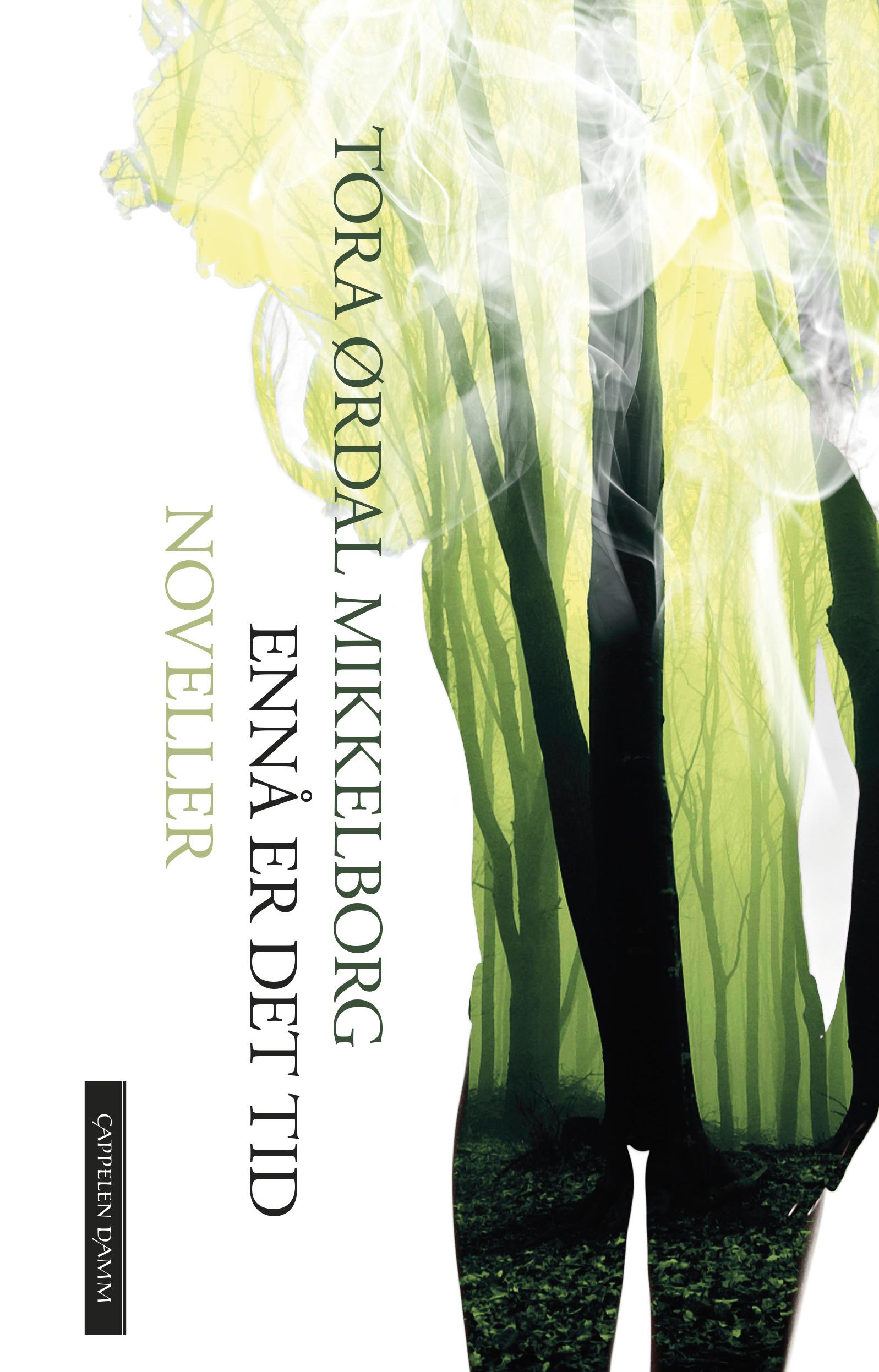
All of the short stories in Ennå er det tid are unique in their own way. The writing is monologic and switches between spoken and everyday language. The purpose of the short stories is not primarily to tell stories – it is the atmosphere, emotions, main character's anger and thought processes, and generally the relationship between inner experience and the outside world that preoccupies the author. That is why the plot aspect is often simple and uncompounded, and often retrospective or suggestive in form. The short stories in Ennå er det tid are told from a subjective perspective in each text, something that gives a fluent and somewhat associate narrative. All of the short stories can be said to feature a kind of pain caused by deceased or absent persons. The main characters in the texts are almost consumed or “haunted” by other people and previous experiences of loss. They also often find themselves in an isolated or marginalised situation such as being in an institution, consumed by grief, alone with imaginary people or excluded from social interaction. The author has a keen sense of what it means to be destructive or marginalised, and writes a sense of human shelteredness and distance that is able to touch and fascinate. With Ennå er det tid, Tore Ørdal Mikkelborg has written an exciting and unique collection of short stories.

SOMEWHERE OUT THERE I’LL BE HAPPY
Literature and Fiction2015 · 72 pp

SOMEWHERE OUT THERE I’LL BE HAPPY

Camilla Groth

Camilla Groth looks at some of Edvard Munch's works (Puberty, The Drowned Boy, etc.) and writes herself into them, into the minds and lives of those depicted. What's going through the mind of the young girl on the edge of the bed as Edvard's gaze moves over her again and again?As we know, Munch's paintings depict a high degree of anxiety: they are dark, unfinished and inquisitive, and full of people in what we can clearly see are difficult situations – so it was high time someone gave these people a voice, let them comment on the pictures themselves, let them live and perhaps bring a little light to Munch's utter darkness. In Puberty, for example: why is the young girl sitting naked on the edge of the bed? Why is she trying to cover herself? Why is Edvard interested? What do you think he sees? What is she seeing as she is observed and immortalised? Is something terrible going to happen? Has it already happened? Et sted der ute er jeg lykkelig reverses the relationship between the artist and his motives: here they're staring back at him.

Children of Eternity
Literature and Fiction2015 · 352 pp

Children of Eternity

Beate Grimsrud

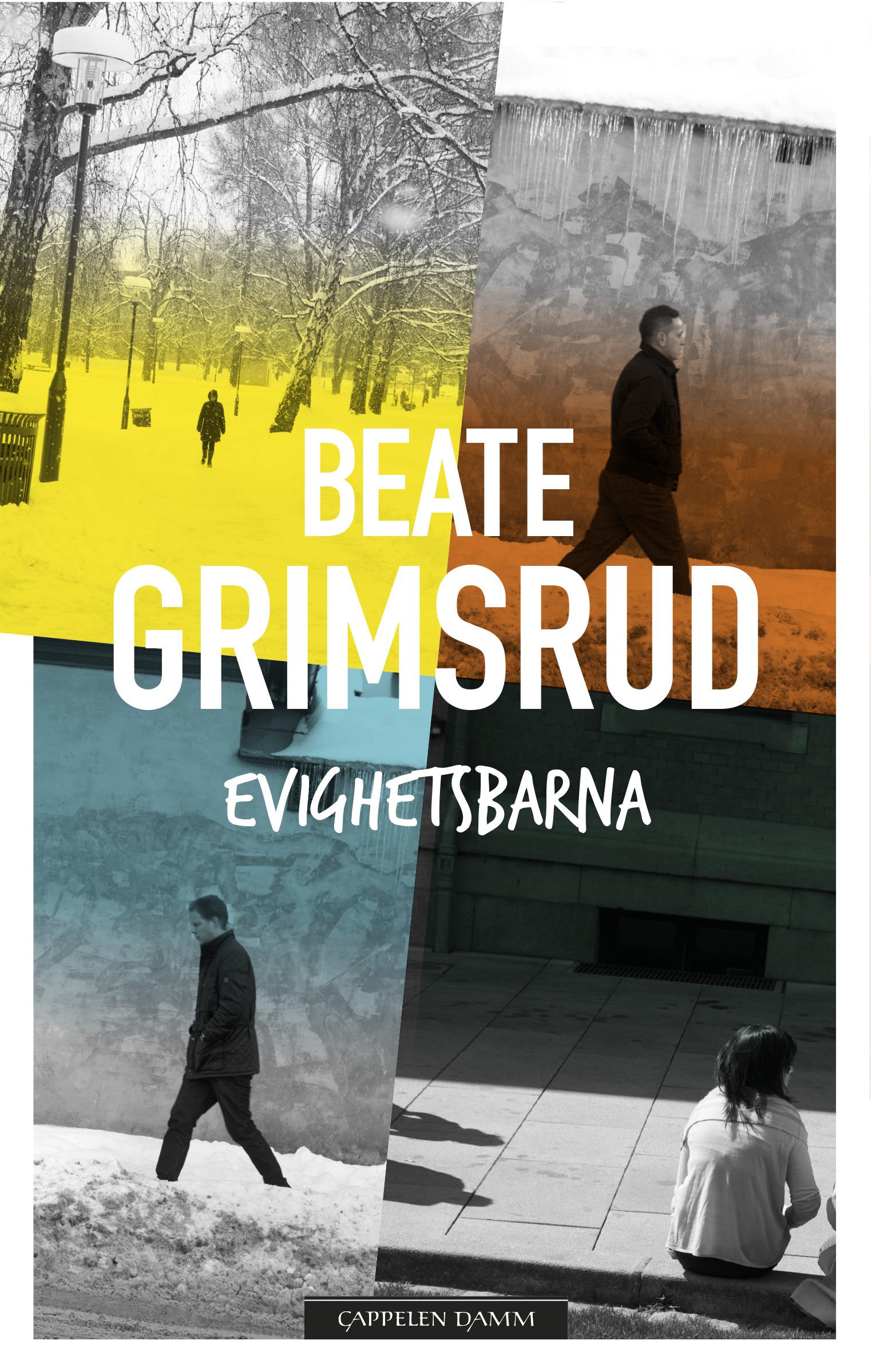
In Evighetsbarna we meet Siri, Louise and Tomas, who are trying to understand what it means to be adults as they are thrown into experiencing the contrasts between strong interdependence and stark loneliness one winter and spring on the island of Södermalm in the city of Stockholm. In her new novel, Beate Grimsrud tries to extend the bounds of narrative with her blending of realism with poetry, humour and philosophical gravity. 'I know of few authors who manage in this way to express the big existential and philosophic questions by describing people’s lives in short episodes which each end slightly unresolved. This is one of the autumn’s best and most important books.' ADRESSEAVISEN '... her characteristic strength lies in going so far into existential situations that she normalises the madness. She turns things inside out, and writes about the most painful situations with a comic levity and most amazing images.' DAGBLADET 'Beate Grimsrud’s language is always close to experience and feeling, expressed in plain words without explanations or circumlocutions. We as readers are thereby compelled to see and experience the world in a new way.' P2 'Grimsrud has a fabulous talent for drawing the reader right into loosely coupled trains of thought which will make sense even to the most healthy. Even psychotic situations can seem logical within her linguistic repertoire.' AFTENPOSTEN ''Evighetsbarna' is a new reminder of Beate Grimsrud’s literary gifts and her intelligent, oblique view of the world and existence.' DAGSAVISEN 'Beate Grimsrud and her books have a rare quality, recognisable when you see it. […] outstanding book of the year.'STAVANGER AFTENBLAD Reviews of the Swedish edition of Evighetsbarna: 'Altogether, this novel approaches the human condition with such sympathy and respect that my eyes watered as I read it. Grimsrud expresses in words the fundamentals of being human, and reminds us of obvious truths which we stupidly seem to have forgotten.' GÖTEBORGS-POSTEN 'Beate Grimsrud's greatness and strength – for she is one of our great Scandinavian authors – are in the voices, the spaces between the words, the rhythm, the flows of thought, the contrasts, the language. Despite her dyslexia she writes relaxed, strong, independent, soaring prose. It is often mournful and not infrequently funny – often both at the same time.' VÄSTERBOTTENS-KURIREN
Rights soldSold to Denmark
For You, For You Alone
Literature and Fiction2015 · 208 pp

For You, For You Alone

Line Nyborg

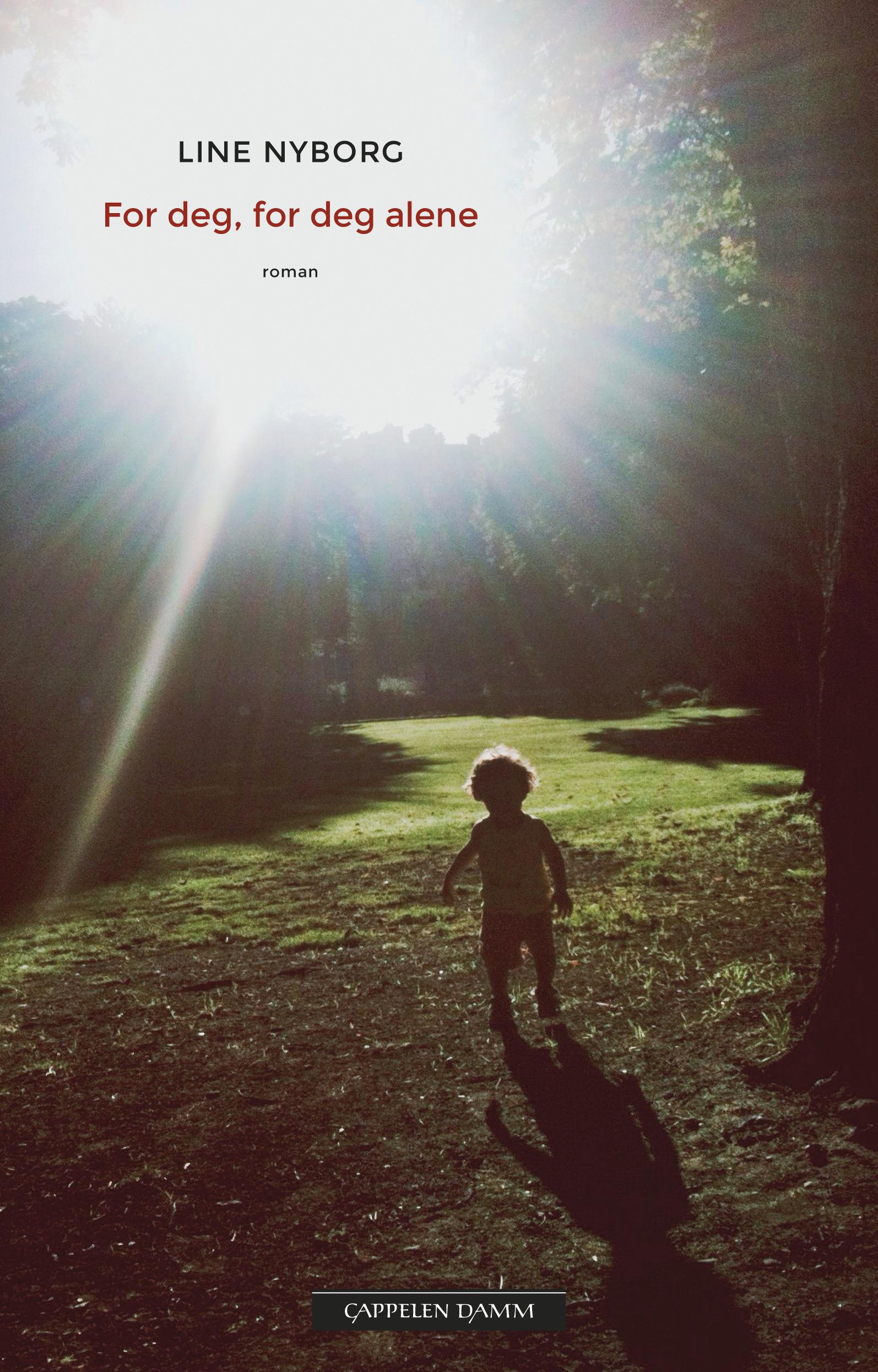
”To all single mothers” is the dedication at the front of Line Nyborg's novel For You, For You Alone (For deg, for deg alene). It is a stand alone sequel to Only Mother, who is God (Bare Mamma som er Gud) (2010) and You do not know who I am (Du vet ikke hvem jeg er) (2012). Nyborg's first book got exellent reviews, and her second novel won the Havmann Prize for the best North Norwegian novel that year. For You, for You alone gives an authentic picture of life as a single mother in the capital city. When Elin becomes pregnant for the second time, all she knows is that she can't face another abortion. But who is really the father? She hopes it is Agnar, the man who is from the north like her, who appears serious and for whom she has strong feelings. Except that he isn't really ready to have children. Or could it be Arvid, the man who is so distant and who comes from posh Slemdal, from a background quite different from her own? The lack of a father for her children and the daily toil to survive with limited means in a student flat, are vividly portrayed in this sensual novel. 'The author’s language succeeds in presenting the main character’s life sincerely and authentically without overflowing into sentimentality and pathos.' TØNSBERGS BLAD

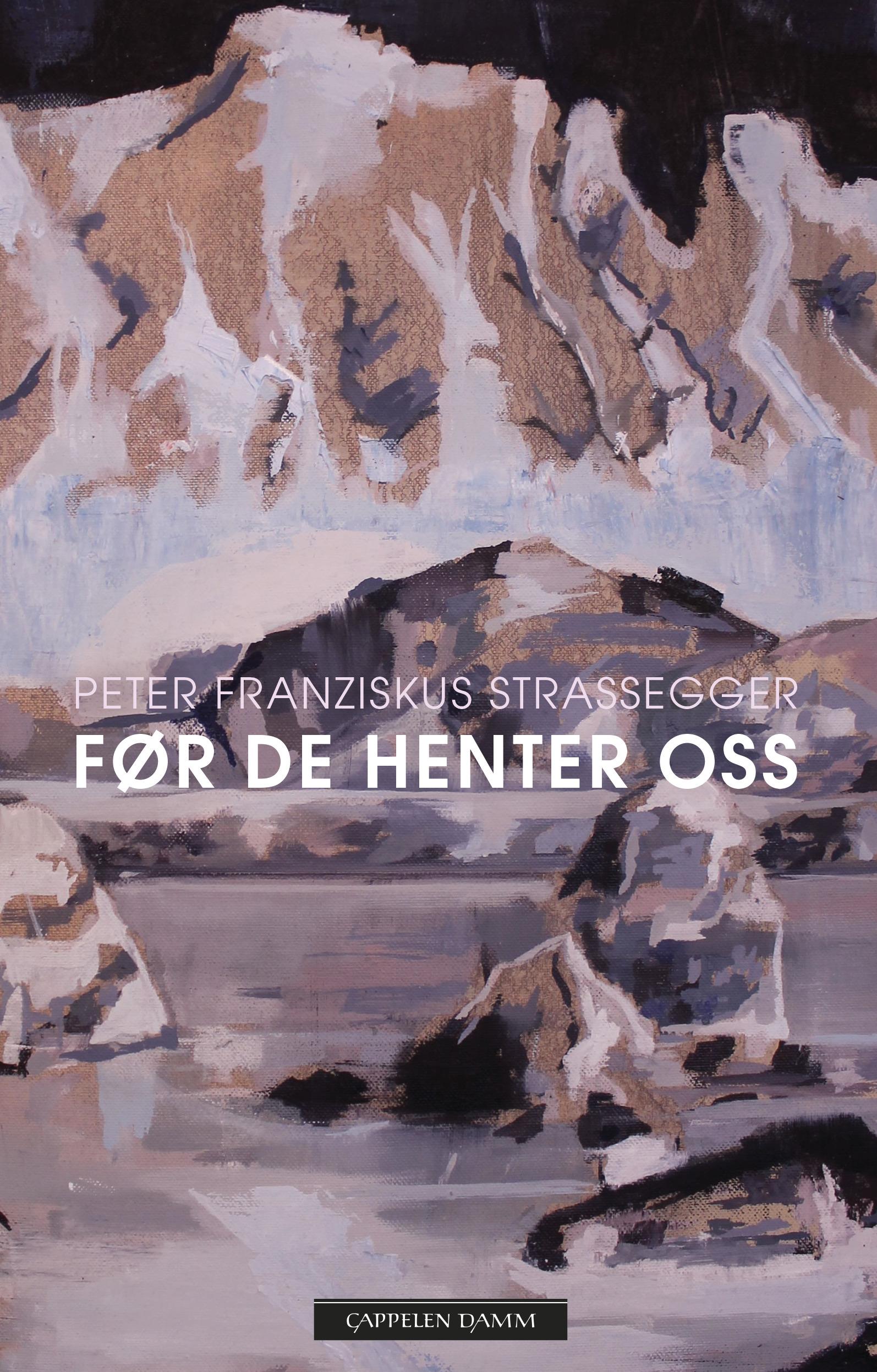
Before They Come to Fetch Us
Literature and Fiction2015 · 160 pp

Before They Come to Fetch Us

Peter Franziskus Strassegger

It is always a sign of quality when the second book is better than the first, but this is particularly impressive when it is better than a Vesaas Prize winning debut novel. In Peter Strassegger's new novel we meet Alma, who is married to Oscar. She is old, and he is much older. They live in a ruined and neglected landscape where the rich earth has been washed away by rain and flood. In these almost post-apocalyptic conditions the pair of them go home and wait to be fetched. It is unclear who will come to fetch them or where they will take them. Every time they think they see a car at one of the neighbours they scurry slow-footedly up the stairs to put on their Sunday best. They have clear ideas about how they are to be fetched, and they hope it will be done correctly. Alma is the spokesperson, and through her eyes we see the scorched, ash-grey landscape with only a couple of occupied houses, where the only accessible shop is a filling station which is about to be demolished. In flashbacks and in the present time we also meet Elisa, the neighbour who spends her days sitting out on the veranda of her grand house. She has a place there for Alma if she wants to come to visit, but otherwise the door is bolted. In case anybody should be in doubt, this is a very special novel, and like Strassegger's first book it is refreshingly un-Norwegian. 'Alma’s unsentimental account, rambling between then and now, seems believable, touches on fundamental existential questions and is based on precise sensory impressions (…)'STAVANGER AFTENBLAD 'Strassegger shows inventiveness and impressive determination in describing a situation very different from his own. (…) The dramatic element adds weight to the novel’s ecopolitical message.'KLASSEKAMPEN 'Strassegger writes so well.'NRK 'What work best are the many passages where Strassegger devastates the immediate environment and the human bodies (…) The tactile descriptions are good, and the language creaks in time with the badly treated and neglected bodies of the two characters.'VÅRT LAND

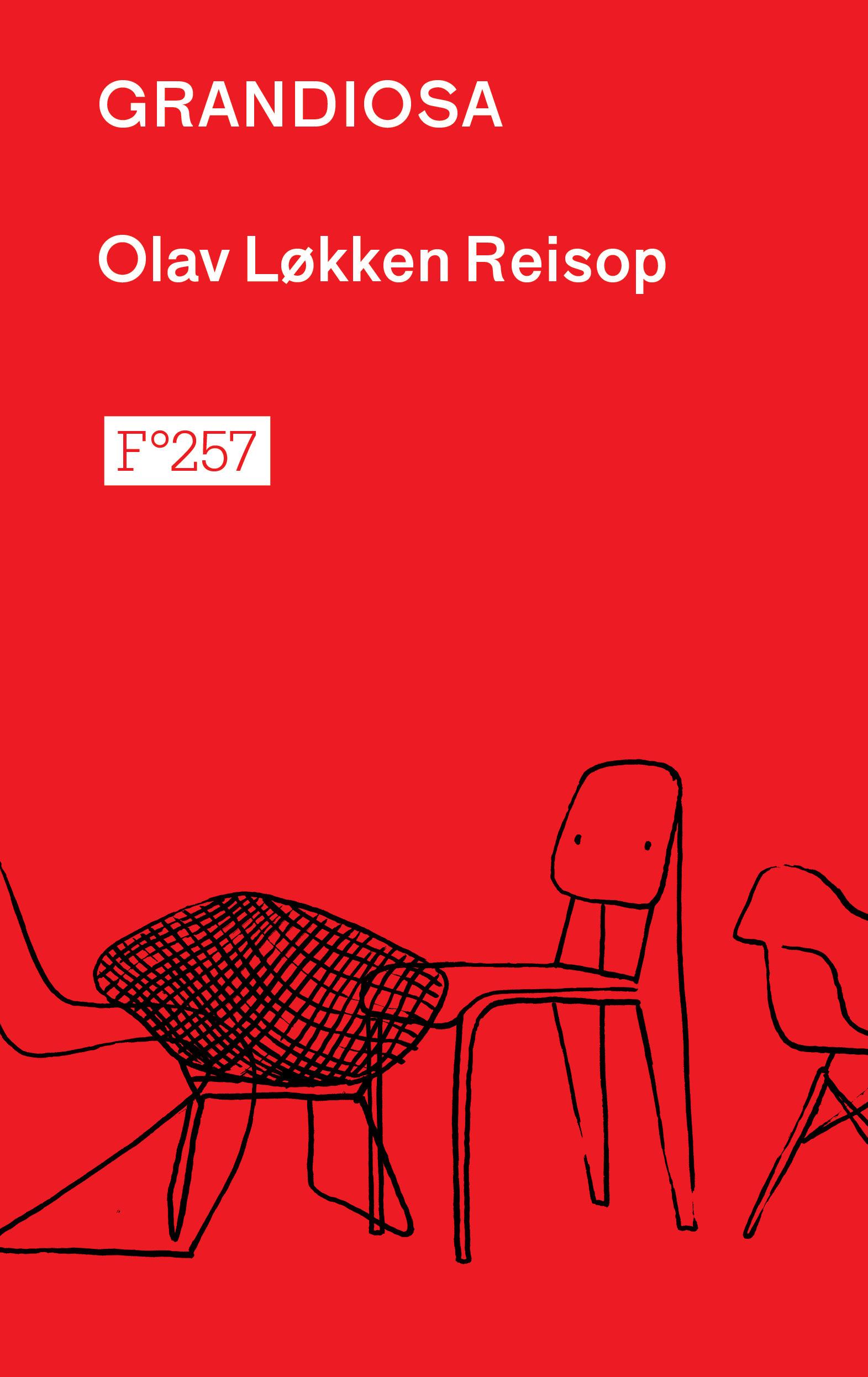
Grandiosa
Literature and Fiction2015 · 448 pp

Grandiosa

Olav Løkken Reisop

Nikolai has, to his great despair, forgotten to decline his invitation to the residents' association's annual dinner. This means that he must spend an entire evening as a guest of Rolf Slependen, a nouveau-riche architect who has build himself a luxury apartment on the top floor of the tallest apartment building in the condominium. The other guests represent a cross section of the new cultural elite: the artistic director of a theatre, a publisher, an author, a retired surgeon – and behind the kitchen counter there is a nationally renowned chef. As dinner progresses, the atmosphere around the table becomes more and more tense. Mr and Mrs Slependen are clearly drunk before the main course is even served. And it is clear to the guests that they were not invited to the Slependen's house out of politeness, but to bear witness to a merciless battle between spouses. Grandiosa is a hysterically funny novel about art and kitsch, architecture and the self-image of new culture capitalists.

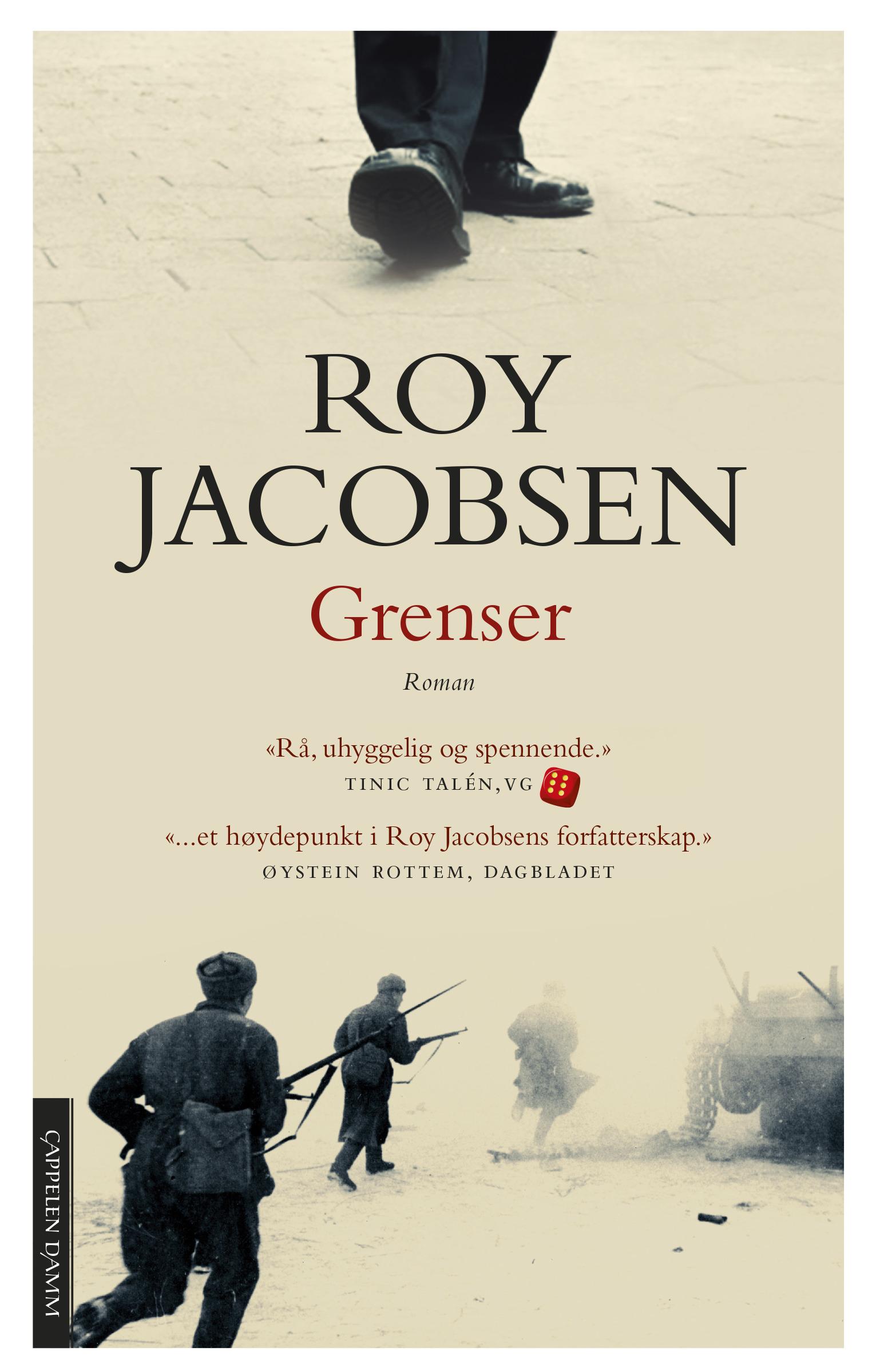
Borders
Literature and Fiction2015 · 304 pp

Borders

Roy Jacobsen

After the war the Belgian man Markus poses as blind, even though the eyesight behind his dark glasses is still intact. The only one who knows the secret is little Robert, the son of an American soldier devoured by the war. Robert is the person Markus tells his story to, a story about the siege of Stalingrad, about making impossible choices, about the curse of doubt and the randomness of war. ´Borders is a sweeping Masterpiece´WORLD LITERATURE TODAY ´...a highlight in the authorship of Roy Jacobsen´DAGBLADET ´A great European novel.´AFTENPOSTEN ´...an enormous, exciting and entirely breakneck canvas (...) this book is impossible to put down, and you will be sorry to reach the end of.´DAGSAVISEN Six out of six stars´Raw, grim and exciting.´VG

Rights soldSold to 7 territories
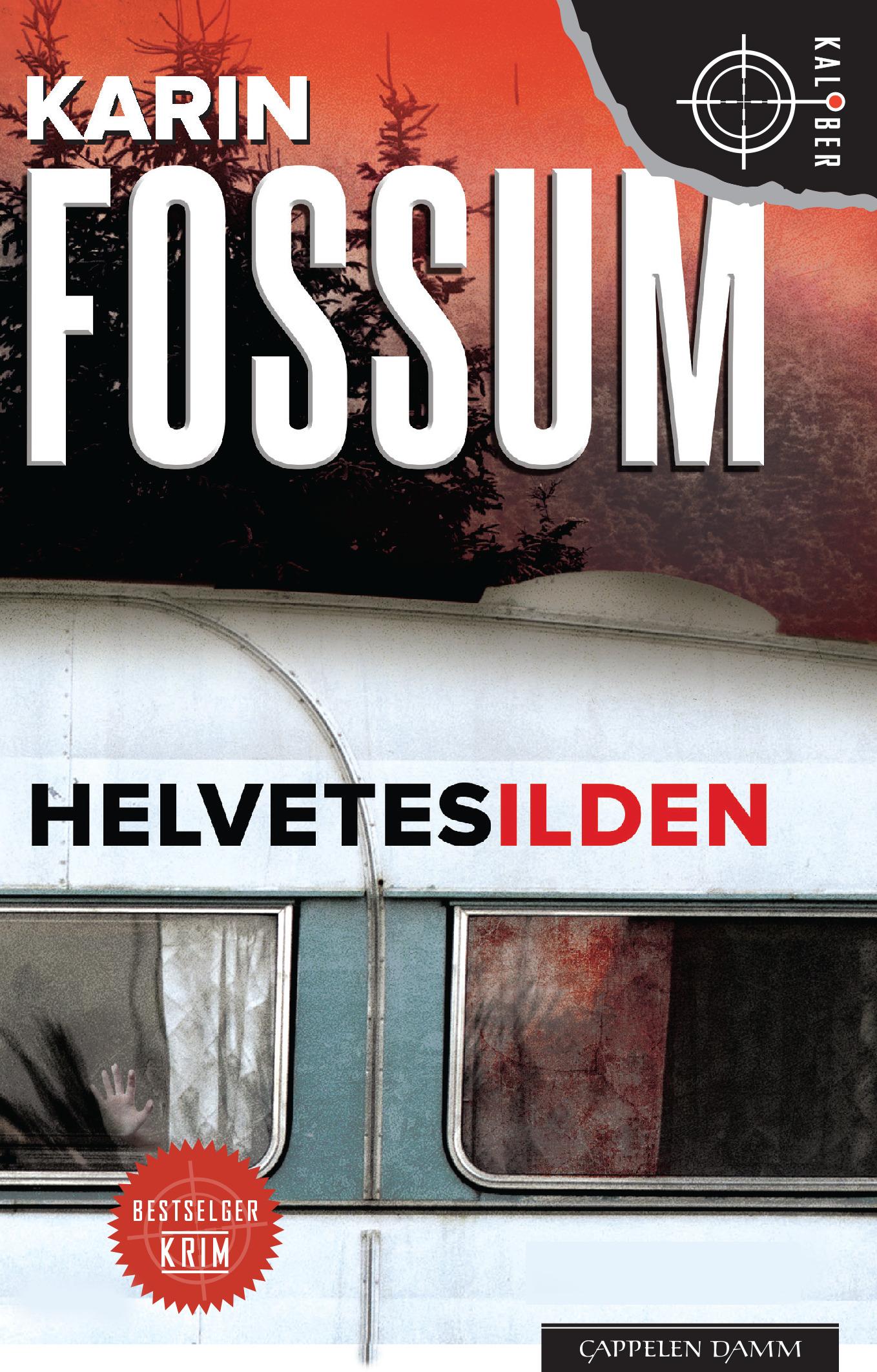
Hellfire
Literature and Fiction / Mystery and Crime2015 · 256 pp

Hellfire

Karin Fossum

Inspector Konrad Sejer is called to investigate the double murder of a mother and her young son. They have been found, knifed repeatedly, in a worn-out caravan on a remote piece of land. A bloody footprint is discovered. Meanwhile, another mother, dying of cancer, confesses to her 21-year-old son that he is adopted. The man who abandoned them, whom the boy has become obsessed by, is not his real father.Delving deep into the vagaries of family and why we lie, Fossum expertly intertwines their stories, forcing us to question what drives people to commit the most horrific of crimes. This is the twelft book about Inspector Sejer. Hellfire is one of Karin Fossum’s best crime stories. … In her writing, Fossum expertly captures the nuances of everyday life and the way in which living people struggle to make sense of life. She does it with a subdued tone and an unwavering dedication to her characters. … In Helvetesilden, the story approaches a point which is heartbreaking rather than thrilling. This novel shows that Karin Fossum is in a class of her own as a crime writer.DAGSAVISEN Here she delivers what must be one of her most penetrating and moving novels. An author at the height of her creative ability. … The composition is almost a stroke of genius in itself, as for a long time we are at a complete loss as to how Fossum intends to fuse the parallel storylines. … The way she does it demonstrates both her mastery of her trade and her formidable ability to portray tormented minds without diminishing them through inconsequential platitudes about insanity and other dissociative diagnoses.AFTENPOSTEN The opening scene showcases Fossum at her best – the dank camper van, the heat and the brutal murders. The detailed, subdued tone; the grotesque in the middle of the everyday.DAGBLADET Karin Fossum is the most literary of the Norwegian crime writers ... The novel is skilfully composed, and several of the characters from Hellfire will remain with the reader long after the final page has been turned.ADRESSEAVISEN

Rights soldSold to 9 territories
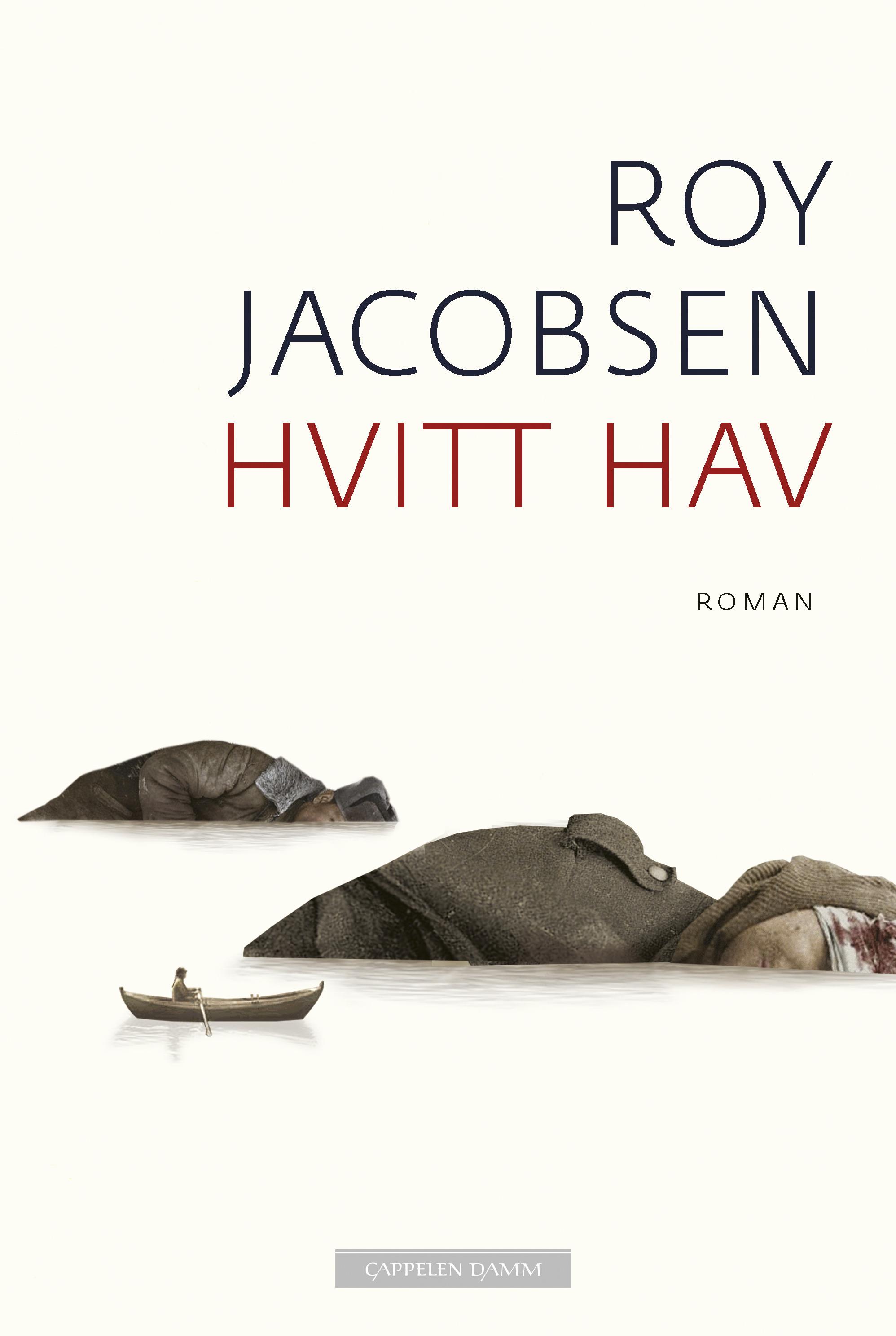
White Shadow
Literature and Fiction2015 · 240 pp

White Shadow

Roy Jacobsen

This is the stand alone sequel to the successful novel The Unseen. White Shadow is a dramatic love story from the small island Barrøy in the year 1944–45. Ingrid thinks she is alone on the island, but experiences an unusual love affair in the course of several intense winter-weeks. In this novel Roy Jacobsen gives us a welcome reunion with the people of Barrøy. This time he unrolls an even bigger canvas as he delivers a powerful and eventful novel about a fateful year in Norwegian history. ‘Roy Jacobsen’s novel creates plot without sweeping gestures and effects. The unspoken dramas lie in the subtext of many of the utterances. Through the art of suggestion, the reader is constantly drawn into the underlying tension of the book, which is created through the interplay and exchanges between the novel’s protagonists. Few other contemporary Norwegian authors match him in living up to the Hemingwayesque motto of “show don’t tell”, using language that bears the stamp of the terse style of the sagas. It is masterly.’ Tønsbergs Blad 6/6 Great, great art from Roy Jacobsen ‘The only thing to be said about this book is that it is fantastic. Gripping. This is less to do with the novel’s story than the very way Roy Jacobsen has told it. He has a fantastic story to tell, true, but in another author’s hands it could easily have become a mess of sentimentality. In Jacobsen’s it has become great, great art.’ Fæderlandsvennen 6/6 Beautiful and brutal ‘He is the master of the coastal folk, Roy Jacobsen, a virtuoso, poetic portrayer of coastal culture – with its fish, boat crews and practical activities. (…) The novel is safe in the hands of a novelist who commands a wonderfully beautiful language and has a poetic power. The dialogue and the powerful expressions in local dialect create authenticity. The chapters and scene after scene are rounded off with elegance and finesse. Roy Jacobsen masters the short format. A joy for heart and soul.’ VG 6/6 ‘Jacobsen’s poetic prose is well-tempered for the most part, and yet it is remarkably rich in precise, era-appropriate nouns. Among the novel’s most outstanding qualities is its capacity to fill the rooms of the empty houses on Barrøy with ghostly traces of the past.’ Morgenbladet ‘Roy Jacobsen is a true storyteller; with his capacity to give the reader both overview and detail in the same image – without losing perspective. (…) In White Ocean, life is portrayed with both beauty and brutality.’ Bergens Tidende 5/6

Rights soldSold to 19 territories
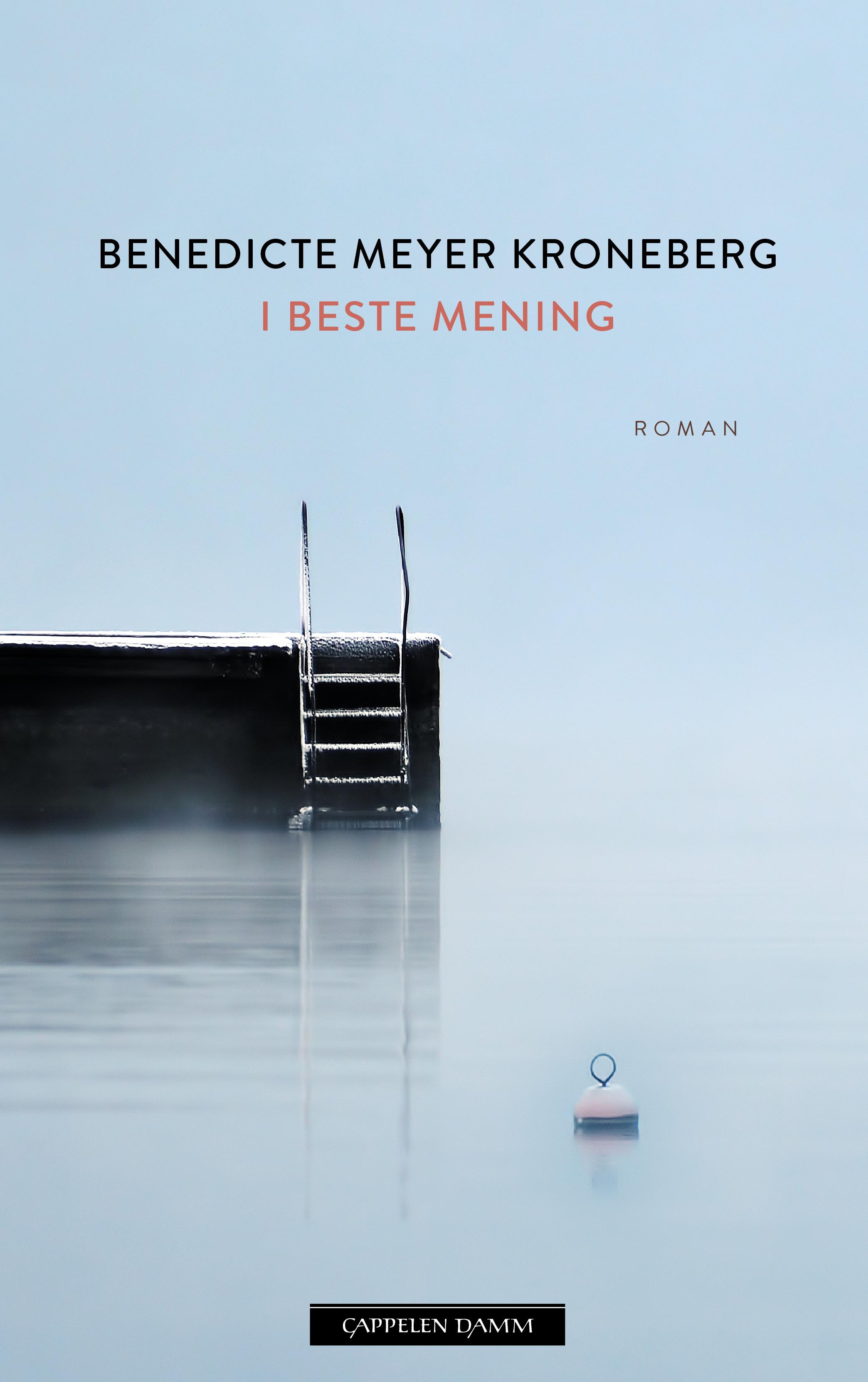
In the Best Sense
Literature and Fiction2015 · 224 pp

In the Best Sense

Benedicte Meyer Kroneberg

Helene grew up with foster parents Anna and Helge. She has now started her own family and moved back to her home town in the hope of saving her marriage with Karl. It is winter, they are living in a huge old house, and Karl is working out of town. He says that he cannot come home because of the weather. This novel tells the story of Helene's search for companionship: about feeling like a guest in her foster parents' house, about young love, longing and loneliness. Helene and her growing sense of unease are headed for a storm: will Karl come home?I beste mening is an insightful novel about belonging. Benedicte Meyer Kroneberg explores communication problems in close relationships and how people can become lonely even in the most seemingly ideal situations. It is also a novel about those that fall between the cracks, about those who are too unforgiving for most, but not confident enough when it comes to those closest to them, and about how the incorrect assumptions we make about the motive of others can have serious consequences. ‘A strong story of being disconnected and the need to belong. … This book’s strength is the author’s insight into what it means to be human. It is with warmth that she investigates what is necessary to feel that you belong, how expectations of dedication can be too high and how trust is a risky business.’5/6 FÆDRELANDSVENNEN

Rights soldSold to Bulgaria