FictionNon-fictionChildren's & YAAuthorsAbout us

Representing the authors and titles of Cappelen Damm for translation and adaptation rights worldwide.

Catalogue

  • Fiction
  • Non-fiction
  • Children's & YA
  • Authors

Agency

  • About us
  • Rights catalogues
  • Rights deals
  • News
  • Fairs & events

Get in touch

foreignrights@cappelendamm.no
Stortingsgata 28, Oslo

© 2026 Cappelen Damm AS · Rights & AgencyPrivacy & cookiescappelendamm.no

Literary fiction

Literary fictionCrime & thrillerNarrative non-fictionChildren's & YASelf helpCook booksCrafts & hobbies

Browse

FictionNon-fictionChildren's & YA

Foreign rights

Rights sold

Genre

Children's Books902Literature and Fiction722Narrative Non-fiction336Self Help179Crafts and Hobbies146Mystery and Crime143Cook Books107UpLit82

Published

2025 and newer2020–20242015–20192014 and older

Rights sold to

Clear all filters

722 titles in the catalogue

Literature and FictionClear all
Elsi Lund
Literature and Fiction2014 · 320 pp

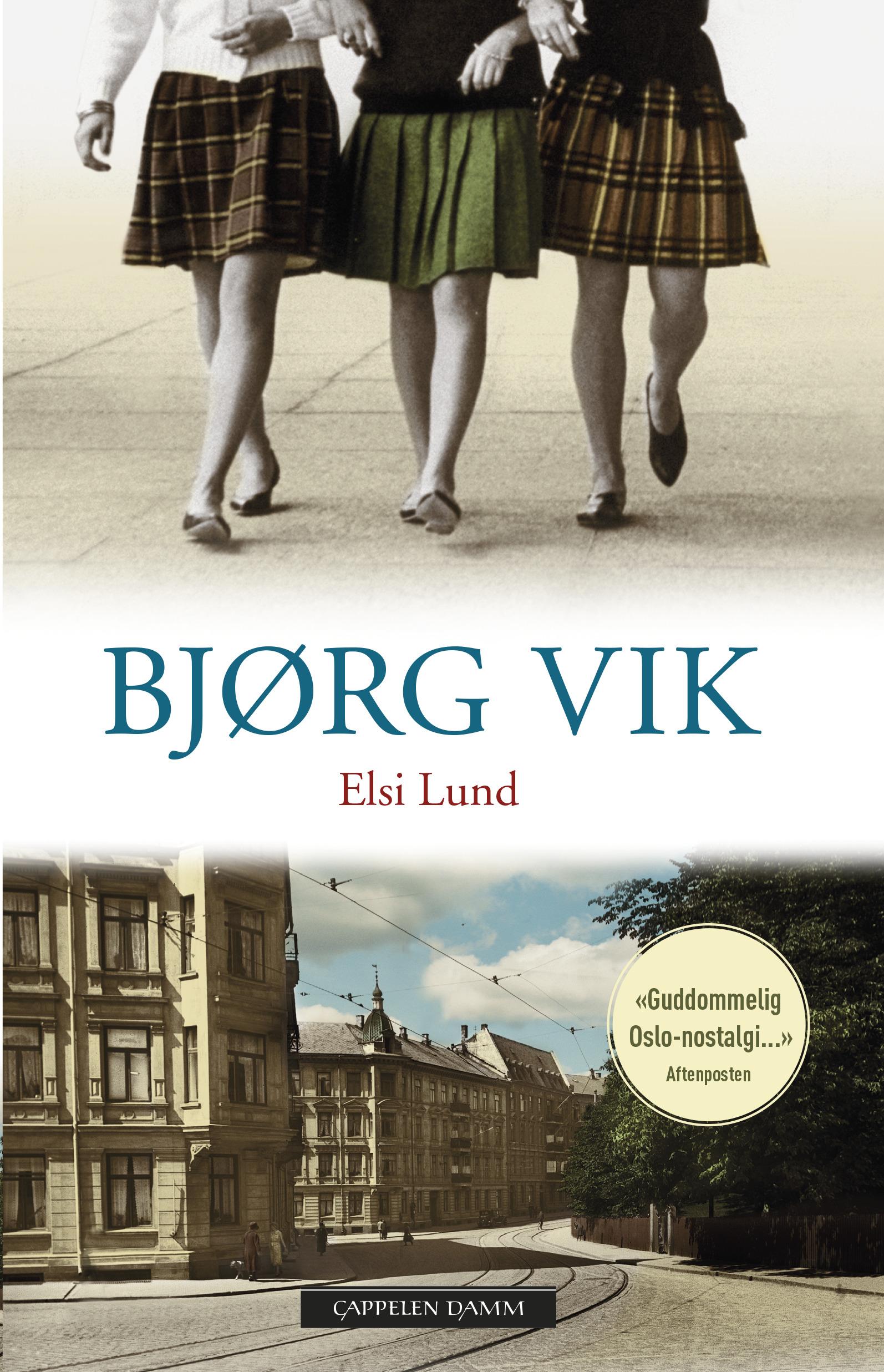
Elsi Lund

Bjørg Vik

In the third book in the series about Elsi Lund, she has reached womanhood. We follow Elsi through the mid-1950s: from graduation and domestic science college to engagement, break-up, and mental collapse, before she finds the key to her own life and her own voice at the Journalism Academy. With warmth, precision, and sensuality, Vik portrays the transition from youth to adulthood in a time marked by conventions and narrow frameworks for how women were expected to live their lives. The Elsi Lund trilogy today stands as a major work of Norwegian post-war literature and demonstrates why Bjørg Vik is considered one of our most central authors.

Rights soldSold to Denmark
12…484950…6061
Aestethic Bliss
Literature and Fiction2014 · 168 pp

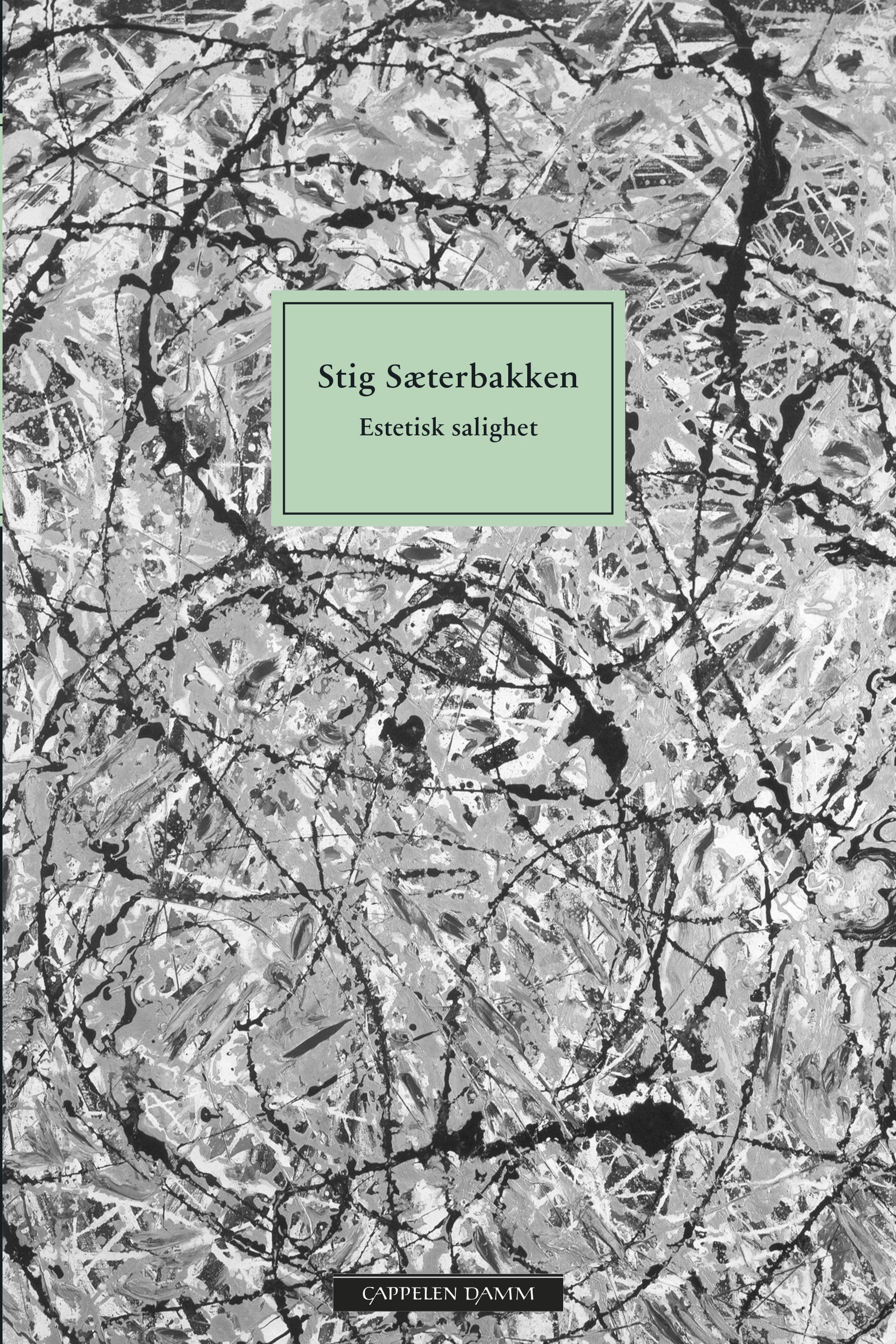
Aestethic Bliss

Stig Sæterbakken

Stig Sæterbakken was a sharp essayist and wrote essays through most of his authorship. His first collection Aesthetic Bliss (Estetisk salighet) from 1994 was written over a five year period and relates to "The Aesthetic Dimension" within different expressions of art, such as literature, film, painting and sculpting. "He is one of the most gifted essayists of Norway."MORGENBLADET"Sæterbakkens essays give us at least fifteen reasons to use art."ARBEIDERBLADET

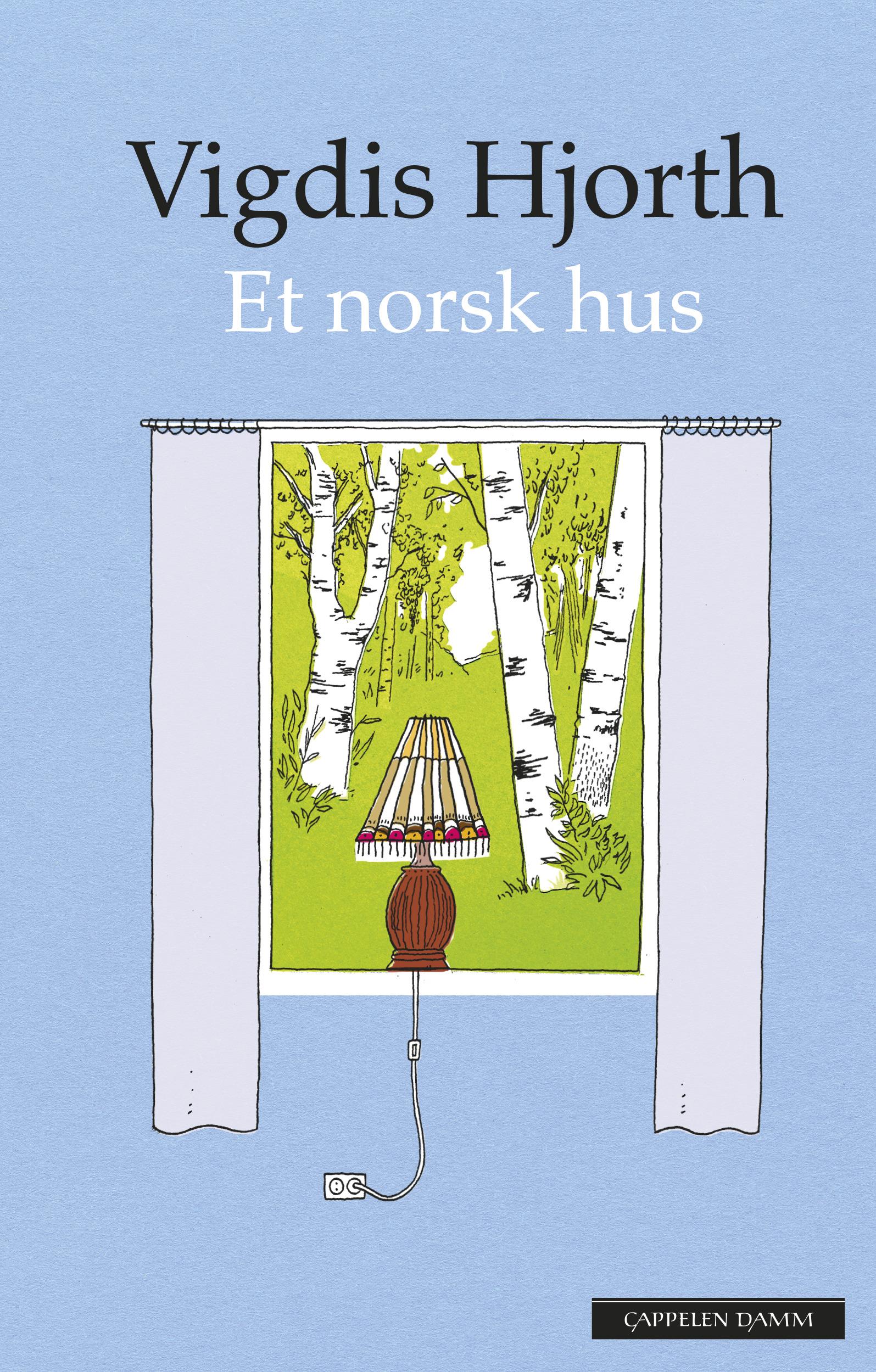
A Norwegian House
Literature and Fiction2014 · 192 pp

A Norwegian House

Vigdis Hjorth

A Norwegian log cabin plays one of the main roles in Vigdis Hjorth's new novel. What does it mean to own a house or land, to look after it and rent it out? Alma is a divorced, middle-aged textile artist who makes standards for marching bands and trade unions for a living, and who, for that reason, rents an apartment to a Polish family. One day, Alma is given an assignment requiring empathy and creativity: to make a carpet which will be displayed as part of an exhibition for the anniversary of the constitution and which should focus on the 100th anniversary of women being given the right to vote. Alma is flattered and accepts, but soon wonders if she's in over her head. Where should she begin? When, at the same time, she enters into a conflict with her Polish tenants, Alma's perception of herself as a good Norwegian feminist is challenged and she finds that her very existence is on shaky ground. A house in Norway is a novel about the joy of creating and gaining recognition and the despair in realising that this recognition is difficult to translate to reality. So is it really worth it? ‘... a great novel that is plausible and realistic, but which has a metaphoric potential that the author cleverly never points out.’ DAG OG TID ‘Vigdis Hjorth has never been afraid of the banal or clichéd. She also has an uncanny ability to write through the hackneyed and stereotypical to something more painfully existential. This is one of the reasons that I am becoming more and more appreciative of her authorship. ... An important book about the dilemmas facing us all, about the relationship between what is familiar and strange and about Norwegian self-awareness.’ AFTENPOSTEN ‘Just as profound, existential and original as always. ... As always when I read Hjorth, it strikes me how deeply she thinks. And how elegant and original she is in her formulation of these thoughts.’ DAGBLADET ‘I don’t know how she does it, but I must say I’m impressed. Vigdis Hjorth always has her finger on the pulse of Norwegian society. ... There is a fire in everything she writes – a fire that Alma in this novel thinks must smoulder in young souls – and I think that Vigdis Hjorth gets older and wiser and younger and more passionate with every book she writes.’ NRK.no ‘A great book about the distance between ideals and everyday challenges.’ TRØNDER-AVISA ‘Hjorth unmasks us again, this time in a novel about inequality in the world’s richest country. Pressing questions and a prism of today’s Norway.’ KLASSEKAMPEN

Rights soldSold to 5 territories
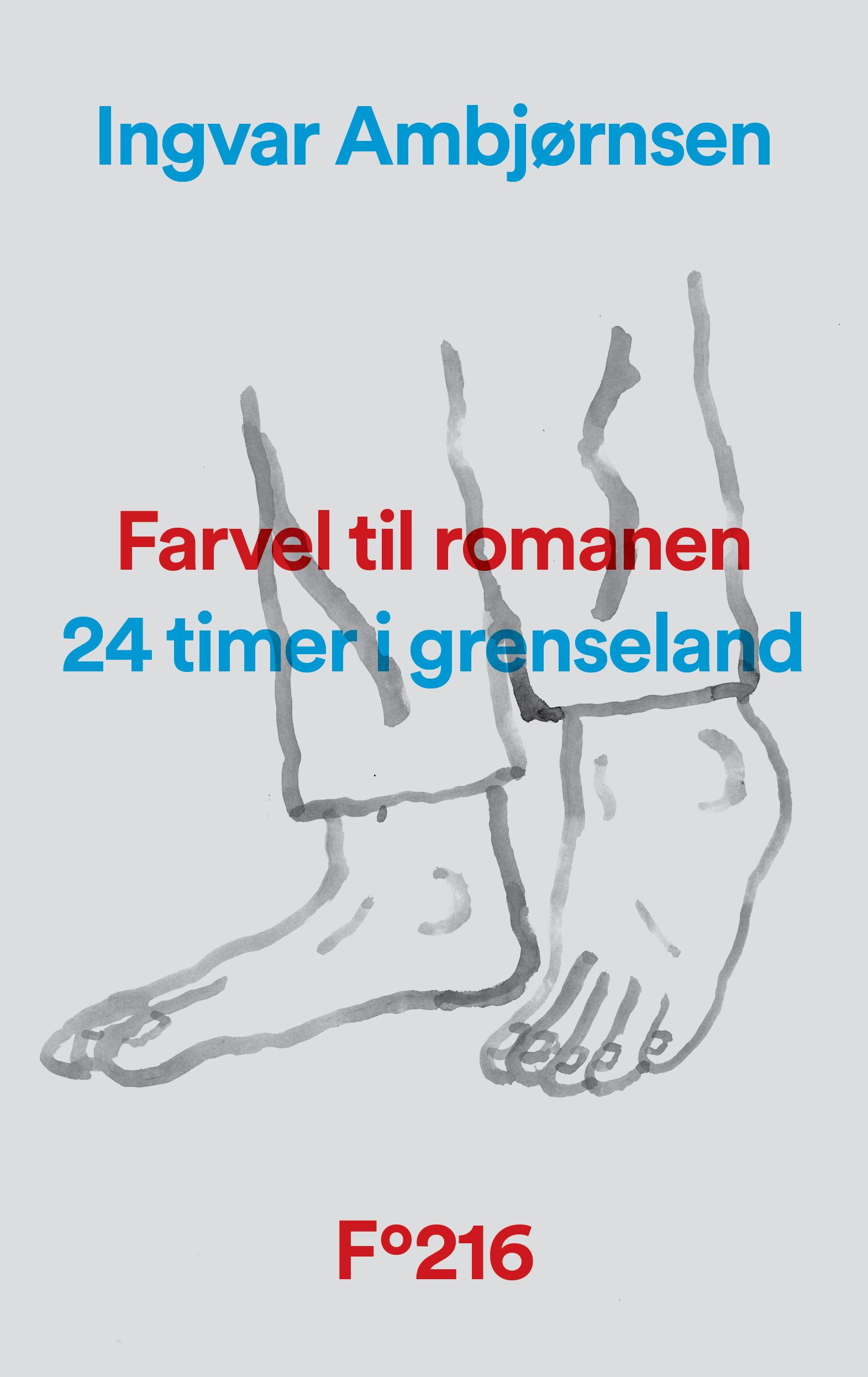
THIS IS GOODBYE TO NOVELS
Literature and Fiction2014 · 128 pp

THIS IS GOODBYE TO NOVELS

Ingvar Ambjørnsen

On the evening of 17 June 2010, Ingvar Ambjørnsen makes a snap decision to stop writing novels. It just comes to him. He's been writing, just like always. He's written the first forty pages of Brev til en uvenn, and he's not dissatisfied with what he's written. He reads it through and thinks it's good. He can do this. He's in control. But then, his thoughts turn on him: this is no good. He can't keep on doing this. He doesn't believe in himself anymore. Maybe he never has. And it's not the first time he's had this thought this spring or summer. It's come to him on a regular basis, and now, apparently, it's here to stay. But giving up being a novelist is a serious decision. Because he is a novelist. What else could he do? In Farvel til romanen, we follow Ingvar Ambjørnsen through a dramatic June day which threatens to turn his life upside down.

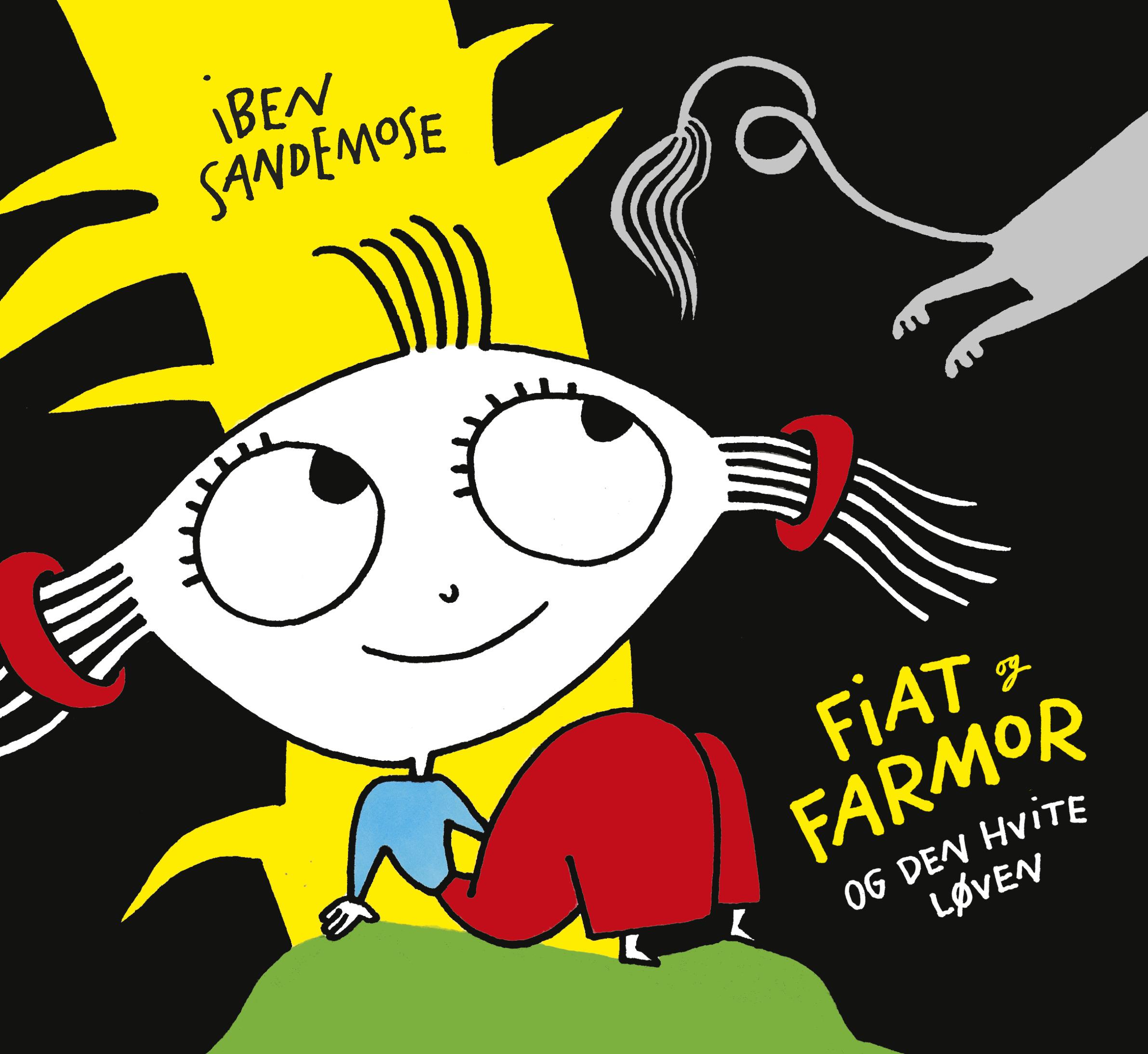
FIAT AND GRANDMA AND THE WHITE LION
Literature and Fiction / Children's Books2014 · 40 pp · Age 3 - 9

FIAT AND GRANDMA AND THE WHITE LION

Iben Sandemose

Fiat and Grandma are going to the lion forest. They have lion costumes on and lion food in a bag. Then they see a white lion. ’We need to get Granddad,’ whispers Fiat. ’He loves lions.’ But when they come home, Granddad is fast asleep in his favouritechair. They try to wake him, but they can’t, and he is very cold. Fiat gets a blanket. It doesn’t help. ’Is Granddad dead?’ Fiat asks. ’Yes,’ says Grandma, crying. Fiat and Grandma both have their own way of grieving. They ride lions, find a lovely yellow coffin, and Fiat writes a letter to Granddad which she puts under his jumper. No one other than Iben Sandemose could write such a nontraditional book about death. The book is sad, funny, playful and clever. Sandemose’s illustrations are as colourful and imaginative as ever. A great book to read for those who have lost someone they love and for those who are about to lose someone. Fiat og Farmor is an exciting and unique series for small children. Fiat og Farmor og den hvite løven is the seventh book in the series. The books have been translated into several languages.

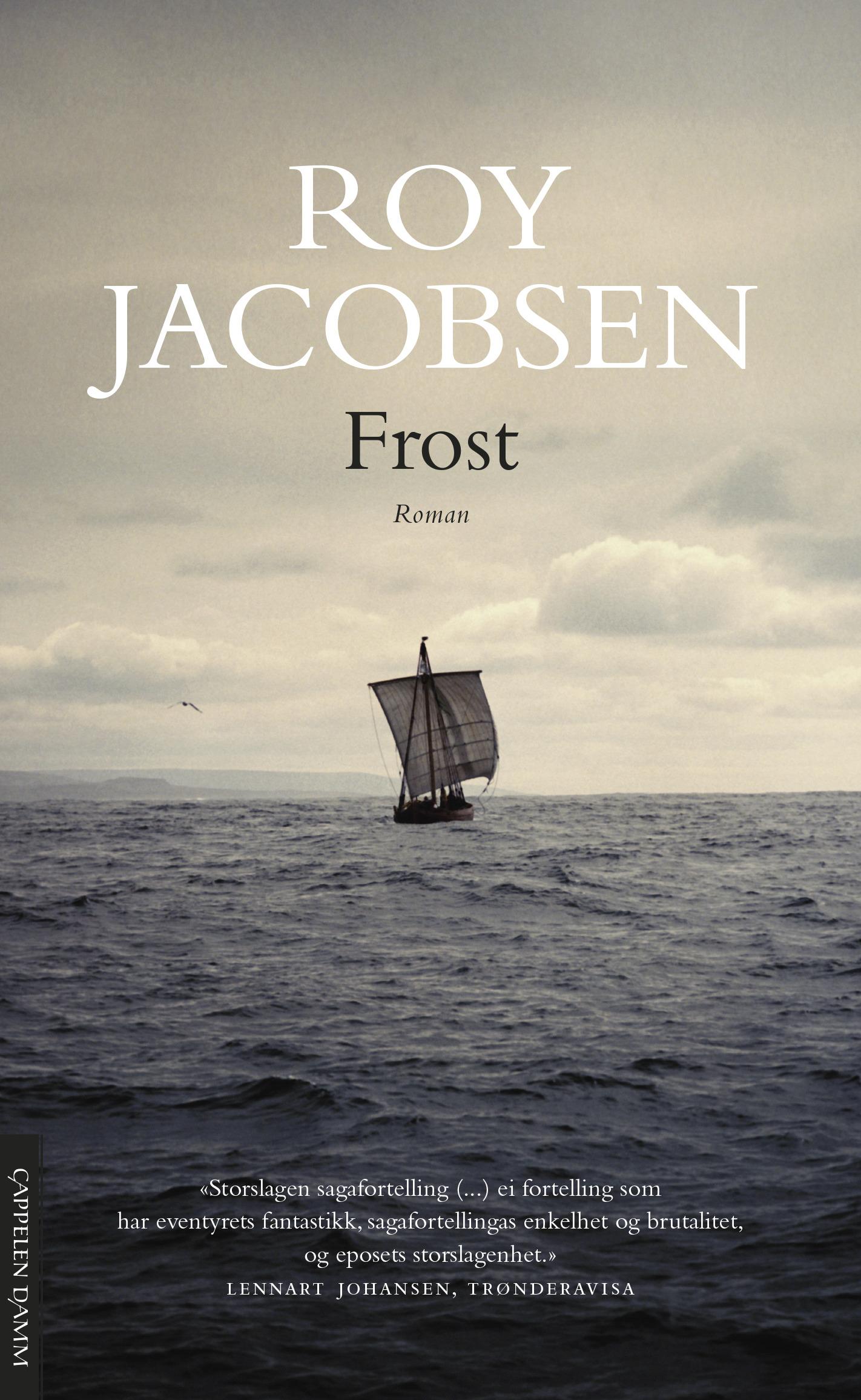
Frost
Literature and Fiction2014 · 496 pp

Frost

Roy Jacobsen

In this novel Roy Jacobsen takes us back to one of the most dramatic periods in Scandinavian history. FROST is the adventurous tale about the Icelandic boy Gest, born in the year of 993, who at the age of just thirteen years old becomes an outlaw when he avenges the murder of his father by killing one of the most powerful chiefs of Iceland. With his companion, the wildling Teitr, he flees Iceland and makes it to Norway. There he walks on foot from Trondheim to Hålogaland and further south. He is cold, he is going nowhere, and he will kill again. ´Frost is a great novel and a riveting adventure. At the same time.´AFTENPOSTEN ´Roy Jacobsen is a storyteller touched by God. Frost is a well filled, well written and fascinating saga novel.´DAGBLADET ´Frost is an impressive parade of a novel (...) As a whole: A riveting triathlon of a novel. Here we meet a storyteller who knows what he is doing. He has extensive knowledge about Nordic literature and let himself be inspired by the sagas without becoming a predictable imitator.´STAVANGER AFTENBLAD ´Frost is a through and through modern novel exactly because of its historic slant, drawing a precise curve through todays conflict-areas, both outwards and as an inner journey.´BERGENS TIDENDE

Rights soldSold to 7 territories
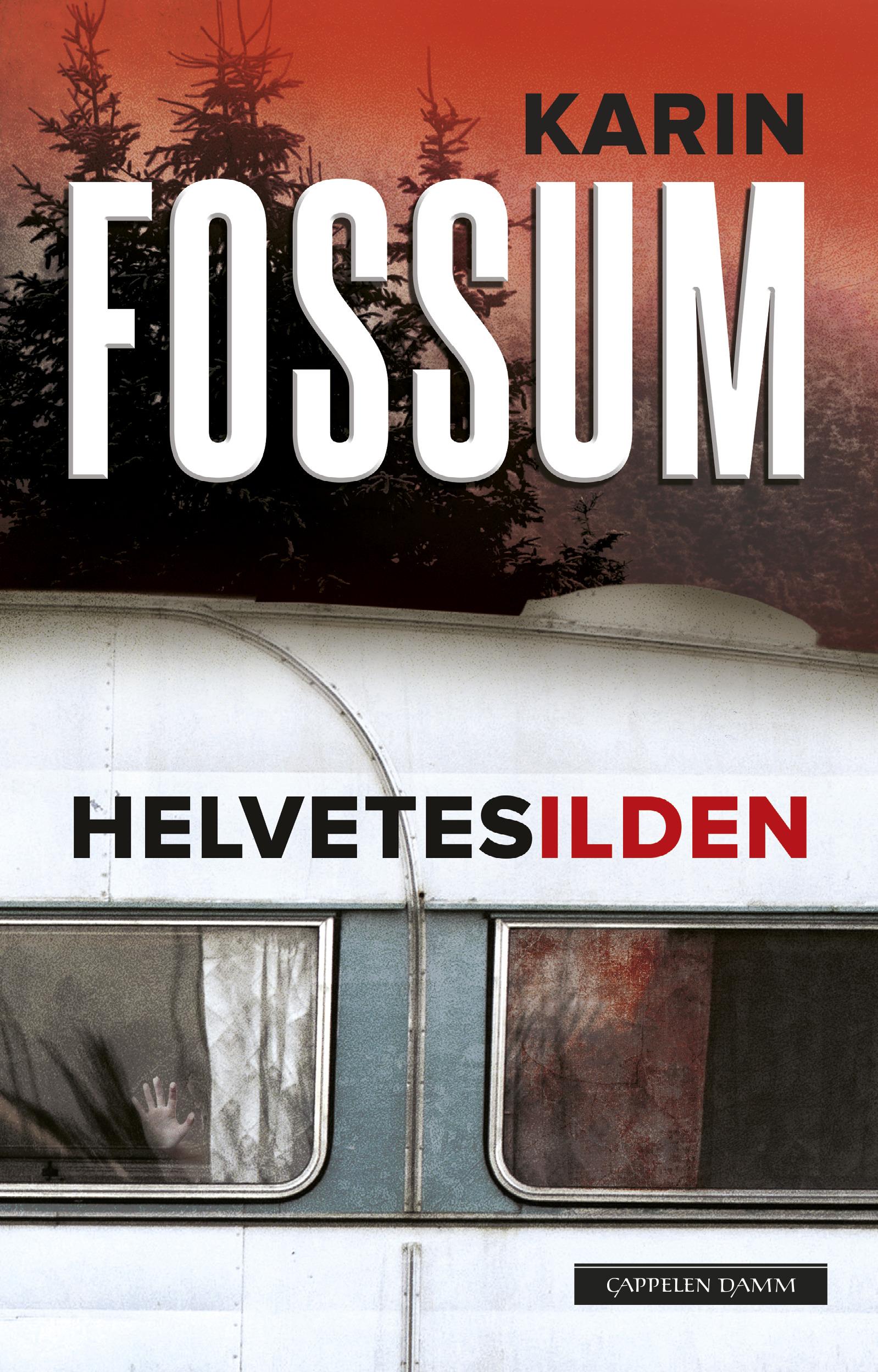
Hellfire
Literature and Fiction / Mystery and Crime2014 · 256 pp

Hellfire

Karin Fossum

A rusty old caravan sits in a forest grove. The door is open and a four or five year old child lies inside. The child's body has been chopped into pieces and is nearly drained of blood. An adult woman, presumably the child's mother, lies on a sofa, also stabbed to death.This is brutal even for Konrad Sejer. The deceased are Connie, who works as home help for the elderly, and Simon, her son. There are many characters in this book, but the central figures are Connie and Simon as well as Mamma Mass and her 21-yearold son Eddie. Both are single mothers not in contact with the fathers of their children. As Connie works as home help, we also encounter many other people and their destinies in the homes she visits. The author switches deftly between chapters set in 2004 and chapters set in 2005, or rather, before and after the murders. This increases the tension, and the reader is able to participate in solving the mystery of who the killer is. There are many clues leading in different directions. Helvetesilden deals with topics such as poverty in a wealthy Norway, the situation of the elderly and the absence of a father. But above all it makes for very exciting reading. ‘Helvetesilden is one of Karin Fossum’s best crime stories. … In her writing, Fossum expertly captures the nuances of everyday life and the way in which living people struggle to make sense of life. She does it with a subdued tone and an unwavering dedication to her characters. … In Helvetesilden, the story approaches a point which is heartbreaking rather than thrilling. This novel shows that Karin Fossum is in a class of her own as a crime writer.’DAGSAVISEN ‘Here she delivers what must be one of her most penetrating and moving novels. An author at the height of her creative ability. … The composition is almost a stroke of genius in itself, as for a long time we are at a complete loss as to how Fossum intends to fuse the parallel storylines. … The way she does it demonstrates both her mastery of her trade and her formidable ability to portray tormented minds without diminishing them through inconsequential platitudes about insanity and other dissociative diagnoses.’AFTENPOSTEN ‘The opening scene showcases Fossum at her best – the dank camper van, the heat and the brutal murders. The detailed, subdued tone; the grotesque in the middle of the everyday.’DAGBLADET ‘A really high-grade crime novel should delve deep into human motivation, both that of the main characters and the supporting characters, so that the hero and antagonist are not merely presented in black and white. And not least, the language should be functional, precise and efficient. There are not many people who write like this within the extensive crime genre. Karin Fossum is one of few who can. She writes high-quality crime of the best, international standard. She has now focused her attention on a novel which, in my opinion, has to be one of her very best. It is called Helvetesilden. So disturbing, riveting and painful that you can’t help but be drawn in.’TØNSBERG BLAD ‘And just like Ibsen, Fossum’s use of language is beautiful - precise, expertly calling to mind images without ever employing a single superfluous word… it is a sheer joy to reunite with old companions Sejer and Skarre ... Their best attributes are put to the test, and yet again they pass with flying colours. The same can be said for Karin Fossum.’DRAMMENS TIDENDE ‘Intricate and surprising.’VARDEN‘Karin Fossum is the most literary of the Norwegian crime writers ... The novel is skilfully composed, and several of the characters from Helvetesilden will remain with the reader long after the final page has been turned.’ADRESSEAVISEN‘Karin Fossum has mastered the art of describing the exhausting everyday lives of individuals. We come to understand how a monstrous double-murder can occur, and Fossum writes with a wonderful and affectionate eye for detail and the bonds that connect people.’OPPLAND ARBEIDERBLAD‘It is a joy to observe the weaving together of the three parallel stories contained within the novel - the author is in her element in this respect. The way in which she describes the crime and that which is hidden in the shadow of madness reveals an empathetic logic from which many members of society can learn a great deal. Karin Fossum is truly a writer unlike all others.’TRØNDER-AVISA‘The tight focus on the protagonists and the tempting darkness lurking beneath the surface makes this no typical tale of murder and police investigation. Instead, this is a story of human destiny, buried history and painful feelings that grip the reader and refuse to let go until long after the book has ended.’TELEMARKSAVISA‘Helvetesilden is a strong sequel to Fossum’s earlier psychological novels - glittering prose situated within a framework that both fascinates and inspires the reader.’GJENGANGEREN‘Yet again, Karin Fossum delivers an impressive piece of work - one would expect no less...’LO-MEDIA

Rights soldSold to 9 territories
The Gates of Hell
Literature and Fiction2014 · 192 pp

The Gates of Hell

Hilde Lindset

Thematically, Helvetesporten looks at Rodin's sculpture of the same name. In these three short stories we meet artists who are at a crucial point in their lives, both artistically and in their interpersonal relationships. In one of the stories we meet Rodin himself, who takes in a young Rainer Maria Rilke to assist him in his work with the sculpture. Hilde Lindset's second book is a powerful collection of short stories!

The Burnt-Out Town of Miracles
Literature and Fiction2014 · 176 pp

The Burnt-Out Town of Miracles

Roy Jacobsen

"... everyone has the right to be complete in their own life, even the lame and the blind, or, with a little help, those with a crater in their face. Where would we be without a little help?"When the Finns burn down and flee from the small town of Suomussalmi before the Russians come in November 1939, one man stays behind. The hewer, Timmo Vatanen Timmo, has lived in Suomussalmi all his life and cannot live anywhere else. And one man has to defend the ruins and do the right thing, even though it seems like an impossible task and will do nothing to help him to make friends. The Burnt-Out Town of Miracles is a gripping existential novel about seven men who have to carry the load together, about wood and warmth and a pair of ladies shoes and about the words, "thank you." Shortlisted for the IMPAC award in 2009. 'Once again Roy Jacobsen has delivered a beautiful piece of writing.'AFTENPOSTEN 'Roy Jacobsen is a fantastic story teller. He has a simple and unpretentious style; sensitive without being sentimental, masculine without showing off ... Not to mention his ability to create great psychological portraits.'DAGBLADET 'Roy Jacobsen’s new novel is economically cut, enigmatic and ambiguous. And utterly well written.'VG 'Roy Jacobsen has written a thin novel with regard to number of pages. As for the content, this is one of the most pregnant novels I remember having read.'KLASSEKAMPEN 'Jacobsen has an almost magical ability to draw up a believable and original sketch of a character within a couple of lines, so that one remembers this character, and never has any doubts about it. All seems real and authentic.'DAG OG TID 'At the end of The Burnt-Out Town of Miracles the main character thinks to himself that one day he will find someone who can tell his story. He could hardly hope for a better story teller than Roy Jacobsen.'VÅRT LAND 'Being one of our best prose writers, his books are a delight to read. The same goes for his mini novel The Burnt-Out Town of Miracles.'TØNSBERGS BLAD '... a powerful and well-written account of an unfamiliar episode in the Second World War.'TIMES LITERARY SUPPLEMENT, UK 'The electric power in Jacobsen’s rugged narrative style is generated by what happens beneath the surface, the way feelings and thoughts diverge and converge, and words and actions come into being. Jacobsen’s motive force comes from the same place: all of a sudden something has happened, something unclear, almost mysterious, yet full of meaning, not to say fateful, and the perspective has slightly shifted. It is a suggestive effect which always makes me both confused and uneasy, and that is precisely how great literature should creep up on you. Read the book. It’s an order. Now I have to go out, chop wood, get warm and feel like a hero.'SVENSKA DAGBLADET, Sweden 'The new novel The Burnt-Out Town of Miracles ... is a thought-provoking saga about wood, war and male friendship. … And amid all the freezing temperatures, which cause tears to go black and the human heart to petrify, there is a rare narrative tale of warmth, a thought-provoking saga about wood and war and male friendship, about how human compassion can exist through the fury of battle and express itself in everyday actions and in an economy of words. It is about the greatness of the individual – and the smallness. … In his restrained, fastidious style, without the slightest hint of sentimentality, Jacobsen draws a portrait of the intelligent (on the sly) oddball who is as moving as he is enigmatic.'SYDSVENSKAN, Sweden 'The universality of Jacobsen’s novel is self-evident as we all at some time will see our greatness flicker and die in the winds of time. Jacobsen has simply made the image of this drama so much clearer; allowed it to stand out in black against the white forests.'DAGENS NYHETER, Sweden 'This beautiful little novel is a poetic take on an intriguing bit of history.'SYDNEY MORNING HERALD, Australia
Rights soldSold to 16 territories
ICE SCORCH
Literature and Fiction2014 · 224 pp

ICE SCORCH

Kjersti Kollbotn

Knut and Sissel, a couple in their forties, move from a city in Eastern Norway to a smallholding in Western Norway to start a new and more natural life. Knut's great dream is to live as one with animals and nature. Physical labour and closeness to nature will make him stronger in body and mind.However, he also has to take a part-time job in the municipality's building and planning department to earn a living. And, as it turns out, it's not that easy to run a farm using old methods such as a horse and cart. Not least the water freezing in the winter poses a challenge. Slowly but surely the problems in Knut and Sissel's relationship float to the surface: Knut has a daughter from a previous relationship and doesn't want more children, but Sissel's biological clock is ticking.Kjersti Kollbotn's story of two people's struggle to find their place in the world is unsentimental yet insightful. ‘Kollbotn is exploring a serious theme. She does not only point out that men are also bullied, downtrodden and that they also feel excluded in today’s society, she follows the main character and paints a convincing and apparently truthful picture of him. Kjersti Kollbotn has once again succeeded in making way for new insight into how complex cohabitation and relationships between men and women can be – even from a man’s point of view.’NORDLYS‘Kjersti Kollbotn writes well and precisely. She understands her material and its environment, the mentality of the people and the nature in a west-coast village.’DAG OG TID

I’VE TRIED MAKING FRIENDS WITH ANIMALS
Literature and Fiction2014 · 48 pp

I’VE TRIED MAKING FRIENDS WITH ANIMALS

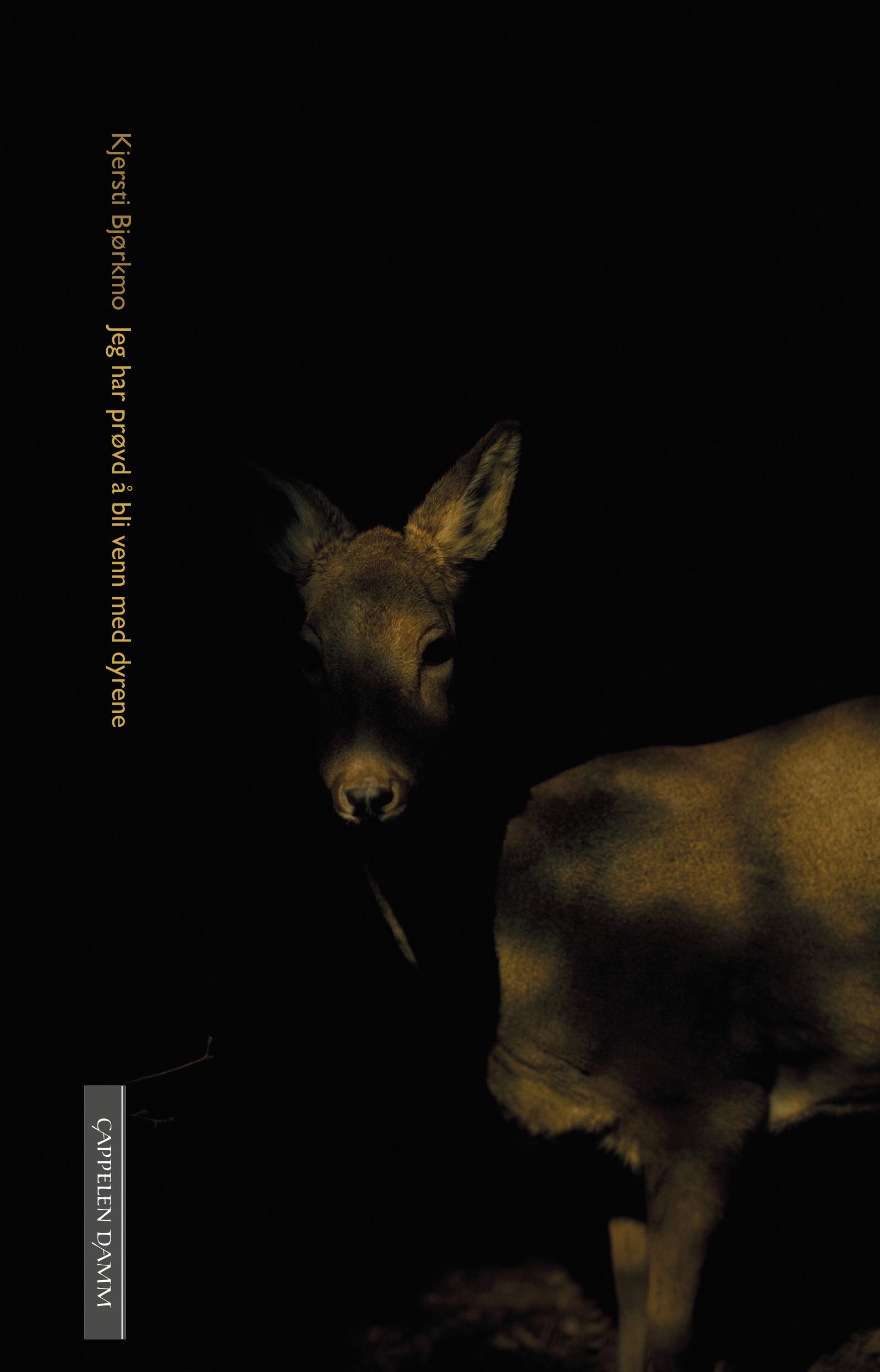
Kjersti Bjørkmo

Kjersti Bjørkmo debuts with the poetry collection Jeg har prøvd å bli venn med dyrene. Here we're dealing with a very gifted poet. A surprising and strong use of imagery characterises Kjersti's poems. When used to explore classic themes such as loneliness, alienation, memories and so on, the poems expand and give a nostalgic sense of poetic delight.

The Caractères.
Literature and Fiction2014 · 392 pp

The Caractères.

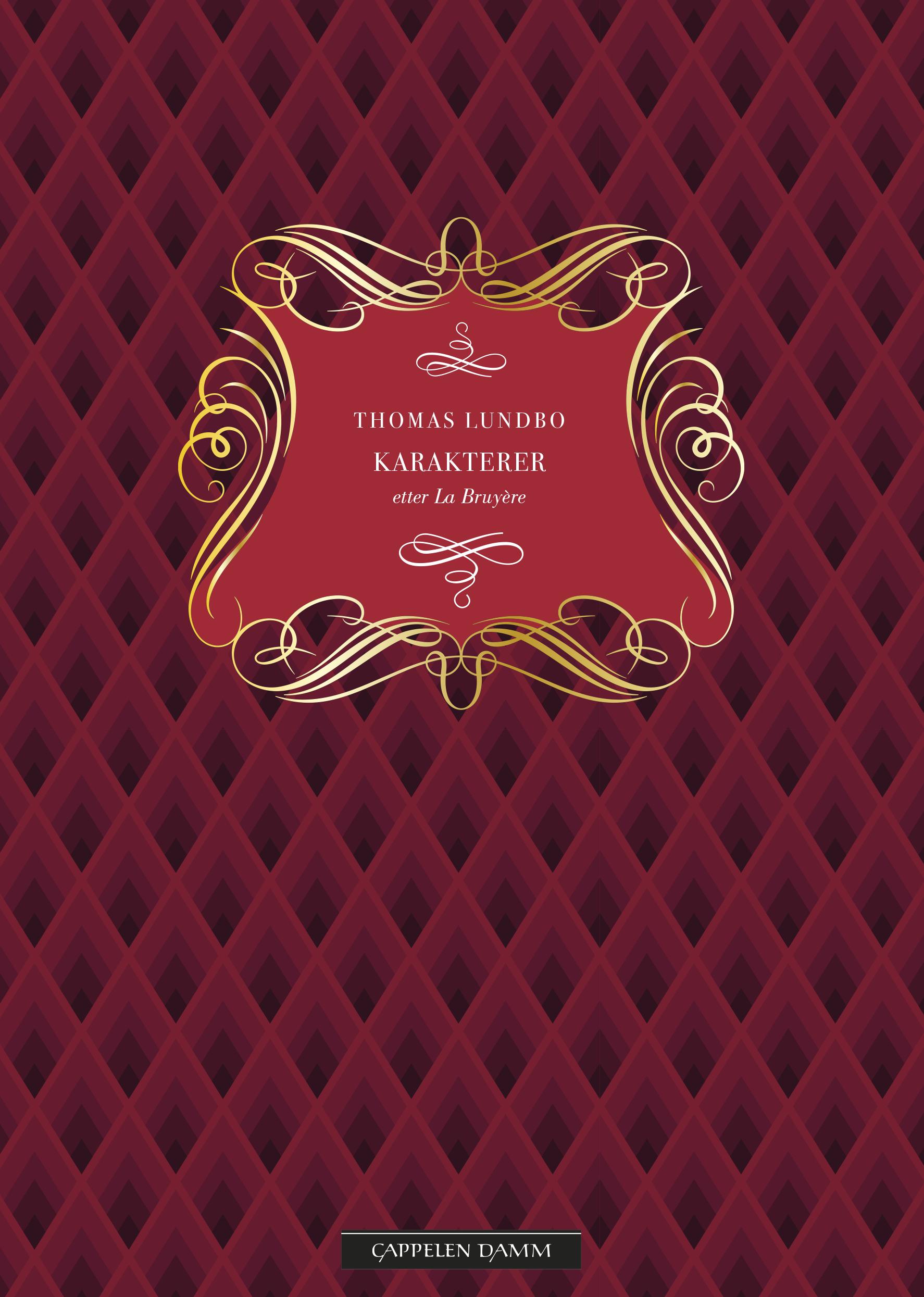
Thomas Lundbo

Karakterer. Etter La Bruyère is loosely based on the French classic Les Caractères by Jean de La Bruyère (1645–1696), which was in itself a continuation of Teofrast's (around 371–287 BC) Characters. In Thomas Lundbo's version, the future is used to reflect our time as a kind of reversed science fiction. It contains a few direct translations from La Bruyère's texts, and also develops some ideas discussed in La Bruyère's book. However, this collection for the most part comprises original texts.Karakterer. Etter La Bruyère contains portraits of different 'characters' or types of people, small short story-like tales, aphoristic reflections on the historic development and characteristics of our time, reflections on morality, society and modern life in general. ‘Karakterer. Etter La Bruyère is a non-traditional work. Bold as regards the choice of an old form, but linguistically readable and very clever. The texts allow room for reflection and contemplation, and are ideal for reading in chunks.’5 out of 5TØNSBERG BLAD ‘A playful, self-ironic and invigorating text about how and how quickly we “recreate” ourselves. The masks and fashions change so quickly that a “bohemian” becomes an “amateur” and then more or less “passé” in the space of nine lines. And we get the point. Well done, Lundbo.’KLASSEKAMPEN‘I’m having trouble thinking of another Norwegian publication in recent years that might be more aptly described as a “cornucopia”. While reading I sometimes wondered whether it was the qualities of the original that made it seem so fresh or whether Lundbo’s style was simply coming into its own in this form – but it doesn’t really matter. Put simply, we are all compositions or products of our own time, but also of times gone by. Lundbo dresses up in the finery of old, but not without an eye for what is new. Character literature in full regalia.’MORGENBLADET