FictionNon-fictionChildren's & YAAuthorsAbout us

Representing the authors and titles of Cappelen Damm for translation and adaptation rights worldwide.

Catalogue

  • Fiction
  • Non-fiction
  • Children's & YA
  • Authors

Agency

  • About us
  • Rights catalogues
  • Rights deals
  • News
  • Fairs & events

Get in touch

foreignrights@cappelendamm.no
Stortingsgata 28, Oslo

© 2026 Cappelen Damm AS · Rights & AgencyPrivacy & cookiescappelendamm.no

Literary fiction

Literary fictionCrime & thrillerNarrative non-fictionChildren's & YASelf helpCook booksCrafts & hobbies

Browse

FictionNon-fictionChildren's & YA

Foreign rights

Rights sold

Genre

Children's Books902Literature and Fiction722Narrative Non-fiction336Self Help179Crafts and Hobbies146Mystery and Crime143Cook Books107UpLit82

Published

2025 and newer2020–20242015–20192014 and older

Rights sold to

Clear all filters

240 titles in the catalogue

Literature and Fiction2020–2024Clear all
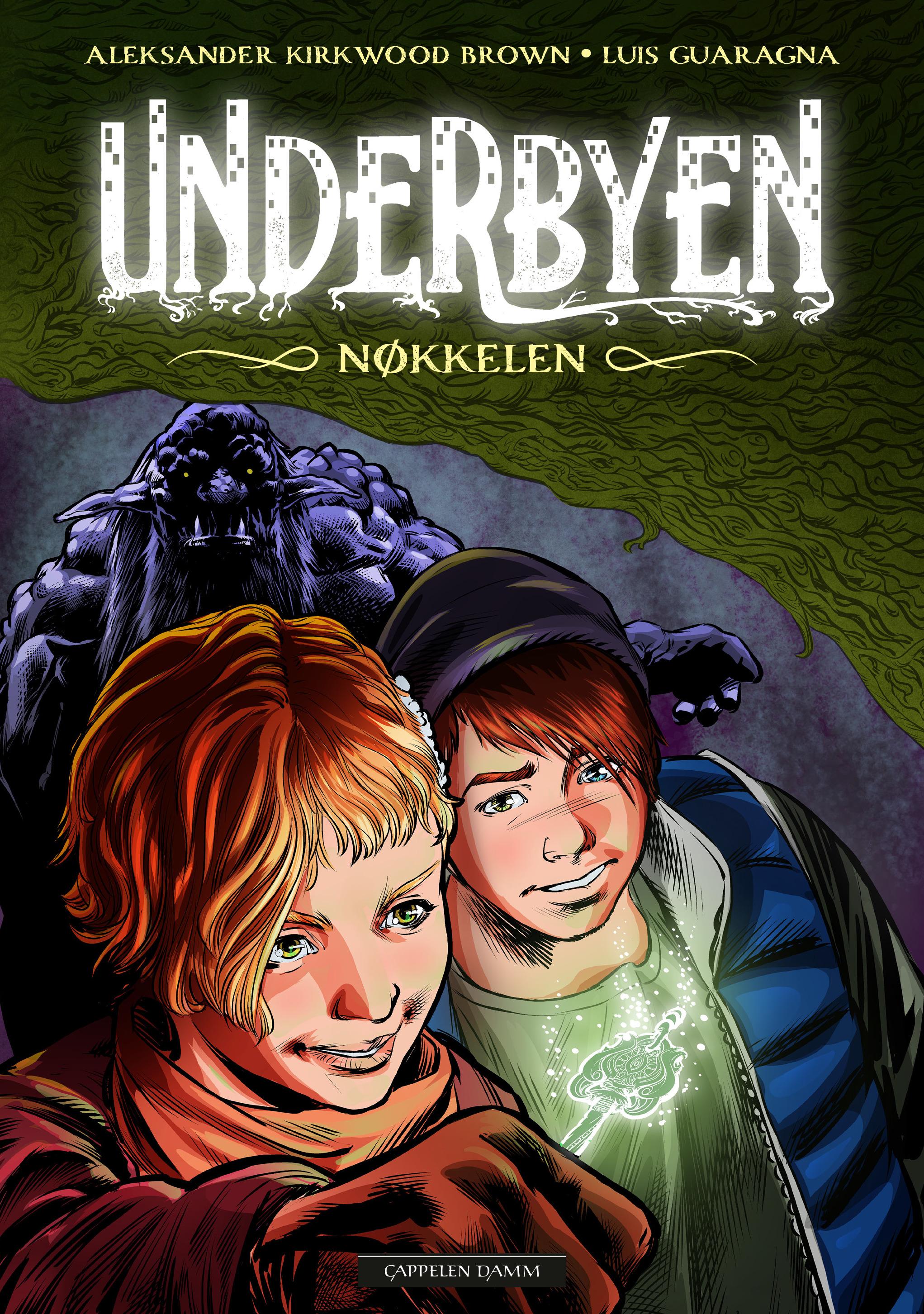
The Key
Literature and Fiction / Children's Books2023 · 120 pp · Age 9 - 12

The Key

Aleksander Kirkwood Brown

Two Hulders are trying to steal Tyri’s medallion, a key she has promised her father to protect at all costs. Tyri and Peter realize something is going on, and they must hide the key. At the midnight market in Oslo's Royal Park, they meet Bhurai, who reveals that the key protects the Floral, an ancient and powerful magical artifact. If the Floral's power is unleashed, it could have devastating consequences for the world. Together, Peter and Tyri descend further into the underground city, facing unknown dangers in their quest to protect the artifact. This is the second book in a critically acclaimed urban and magical graphic novel about friendship and commitment, based on fairytales, folklore and intense action. Aleksander Kirkwood Brown is skilled at creating exciting and original stories, based mostly on fairytales and Norse folklore. Kirkwood Brown is original in the sense that he combines the vernacular folklore traditions with an urban, modern story and personal challenges which contemporary readers can recognise. Luis Guaragna is a well-known and talented graphic novel illustrator with an international career. In The Undercities series he wishes to combine his own Italian-Argentinian background with the Norwegian world of fiction. Both his illustrations and characters are rich with traces of folkloric traditions – emphasising that the population of the Underground City is just as diverse as those of us who live above ground. Reviews «The second book in the Undercities series makes the reader thirst for more. ... a refreshing and different fantasy title.»Empirix «Undercities 2: The Key does exactly what the middle part of a fantasy trilogy should do; it sharpens the conflicts, expands the universe, and pumps up the tension ahead of the grand finale.»D2 «Magical realism is a literary term, but with The Undercities series one may be able to launch a new term: realistic magic. Brown and Guaragna manage to bring people and supernatural beings to life in a very convincing way.»Serienett.no

12…8910…1920
Rights soldSold to Denmark
The Water Warden
Literature and Fiction2023 · 128 pp

The Water Warden

Rannveig Fern Leite Molven

The Water Warden is Rannveig Fern Leite Molven’s first collection of short stories. In this collection the big turning points in life and distinctive meetings between humans are explored, with an elegant language management and existential seriousness. Some moments change everything. For example, for Jenny who’s previously lost a child. She’s now pregnant again, but unable to feel joy about what’s coming. Jenny is visiting her friend Ida and is surprised by her lack of empathy and understanding for the situation. Not least is Jenny caught off guard by Leo, a young boy’s who verbally attacks the child she’s carrying. Mari isn’t quite a child, but still not a grown up. Every summer she meets Siren, who spends his summers where Mari and her parents live. This time everything is about to change. Siren, who is a few years older, invites her on a camping trip, where things don’t go quite like Mari had imagined. She doesn’t have the experience to understand that what happens is wrong, even though she can feel it in her bones that it’s uncomfortable, that she doesn’t want to. Life will never be the same again. Ruth and Maria are a young couple in Bergen. Maria invites Ruth home to visit her parents. They live in a wealthier area than where she comes from; everything is different here. Cleaner. Nicer. But this is just a façade, because Ruth’s parents are not living very happy lives. Her father is violent. Her mother is worn down and hurt, both mentally and physically. What is Maria actually thinking? And how does it affect Ruth being involved in her plan? What does it mean to save someone, and what price should you pay for that?

The Antagonist
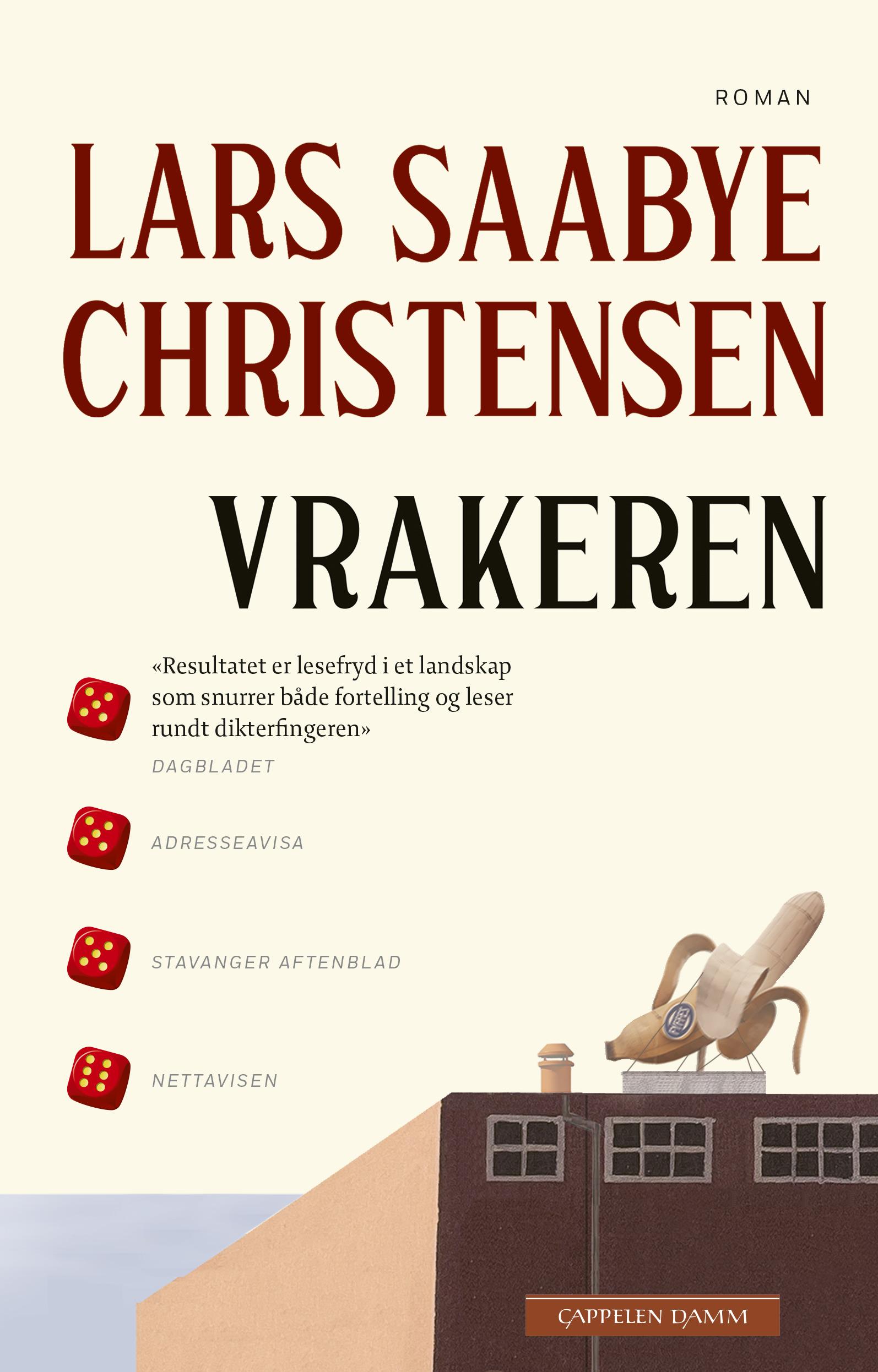
Literature and Fiction2023 · 696 pp

The Antagonist

Lars Saabye Christensen

In The Antagonist we meet Jørgen Ribe, whose father is a manager at the banana company, Banan-Matthiessen. They live in Frogner in Oslo, and in the attic, his father is working on building a model of the royal palace in a matchstick box. One day, a new family moves into the apartment building, including Carl, a boy around Jørgen’s age. A friendship develops between them. “What will become of Jørgen Ribe? He became a well-known author, it’s not unreasonable to say one of the best of his generation, at least for a while, and he also had many readers around his own age, who had followed his authorship loyally since the beginning, specifically since 1976 when he published his debut Between the Hotel and Time, or maybe it was more accurate to say they had been loyal since his novel Mobs, which was published six years later in 1982, a classic coming-of-age story, no less, but durable and entertaining, set in the 60s in Oslo, the book which marked his breakthrough both commercially and literarily, in that order, because to be honest. Mobs represented a rare moment when audience and critics were in agreement that for this novel, we may meet over a pint and pose the classic question: What in the world will happen to the main character? For a while, Jørgen Ribe was the name on everyone's lips, which is not necessarily a becoming place for an author." «The Antagonist joins the rank of the very best books Lars Saabye Christensen has written.»NETTAVISEN, six/six stars The half sister to The Half Brother«Lars Saabye Christensen always writes well, and sometimes – as here – he writes extremely well.»ADRESSEAVISA, five/six stars«It's a mystical story, and it's magically written.»«I'm hooked.»DAGBLADET, five/six stars«Lars Saabye Christensen's The Antagonist appears as an impressive and intricate work, where remembrance and oblivion alternate as the protagonist.»DAGSAVISEN « From the first line, this unruly and rich novel is narrated maximally non-chronologically, a grinding, spinning work of excess, a Sarepta's jar of whims, digressions, fantasy constructions and loans from reality.»KLASSEKAMPEN «... a style and a way with words that belongs to the top shelf of what Norway has to offer.»STAVANGER AFTENBLAD, five/six stars «He dares to point out and show off. Repeats himself, and refers back to his own books. In fact, much of The Antagonist is a play with such references, a comparison between Saabye's catalogue and the characters in the book. It is an extremely self-aware book, which constantly points to the fact that literature is literature.»NRK «There are books you could read. And books you should read. This one, you MUST read.»KULTUREN (Denmark), six/six stars «It's distinguished art of fiction. But it's also more than that.»BERLINGSKE (Denmark), six/six stars
Rights soldSold to Denmark
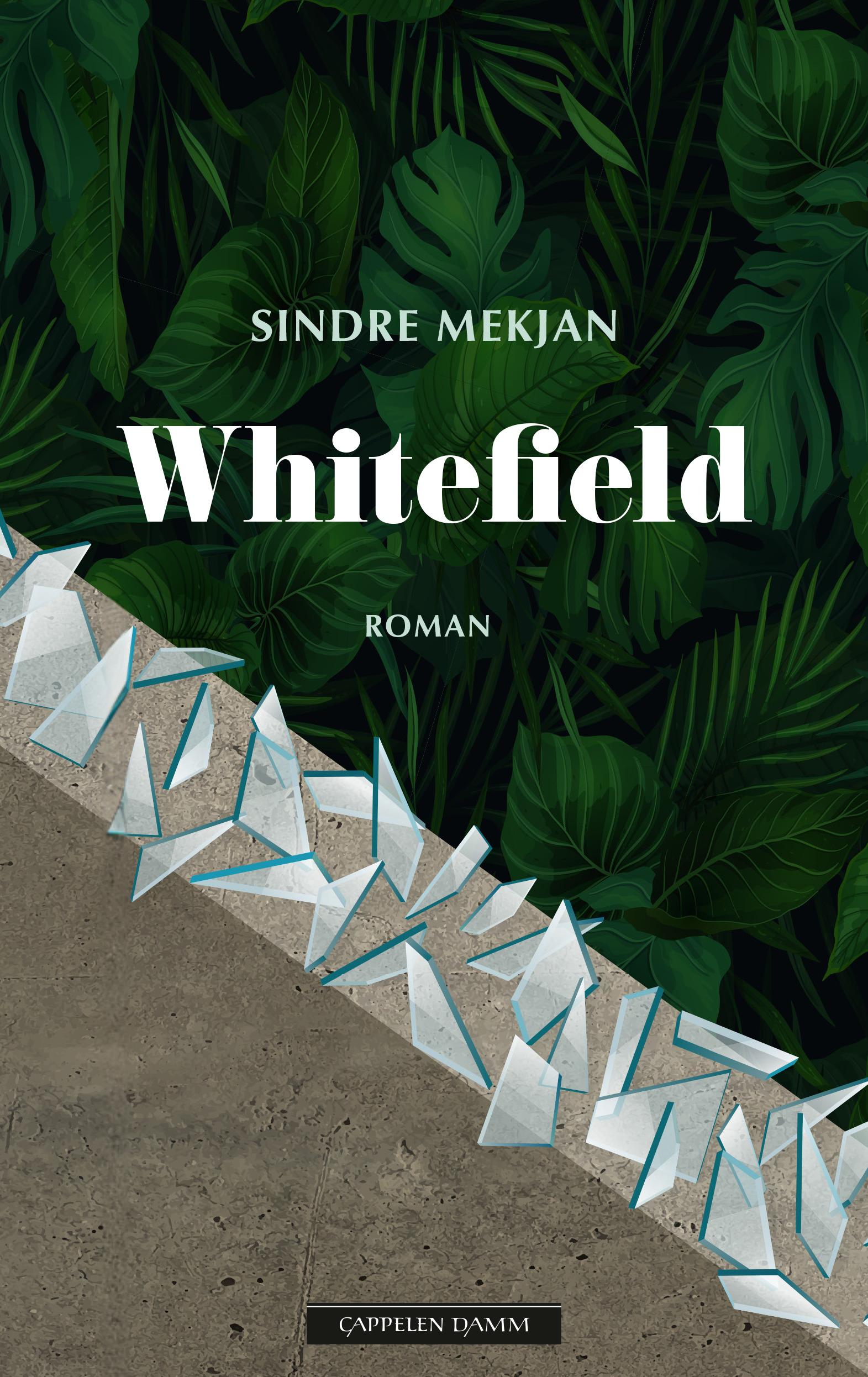
Whitefield
Literature and Fiction2023 · 288 pp

Whitefield

Sindre Mekjan

Grom is an author and lives in India with his Norwegian-Indian wife, Sneha. When they first moved to India, they dreamed about writing a novel together there. The novel would portray the complexity, the diversity, the rich history of this country that they believe has been negatively portrayed and caricatured in Norway. But at the beginning of the novel, they’ve become disillusioned and lost their faith in India. A white, Norwegian family moves in next door to them, and they behave in a way that Gorm and Sneha find prejudiced, condescending, and racist, without the family themselves realising this. But when the man, Adrian, falls in love with their Indian maid and starts a relationship with her, Gorm has an extremely negative reaction, not just because Adrian is cheating on his wife, but because he thinks a relationship between Adrian and a casteless, illiterate woman from the slum could never work. He’s convinced Adrian and this woman could never understand each other. Adrian refuses to admit to the affair, and while the tension between the characters grow, their prejudice become apparent: about Indians and Norwegians, different castes, intellectuals and manual workers.

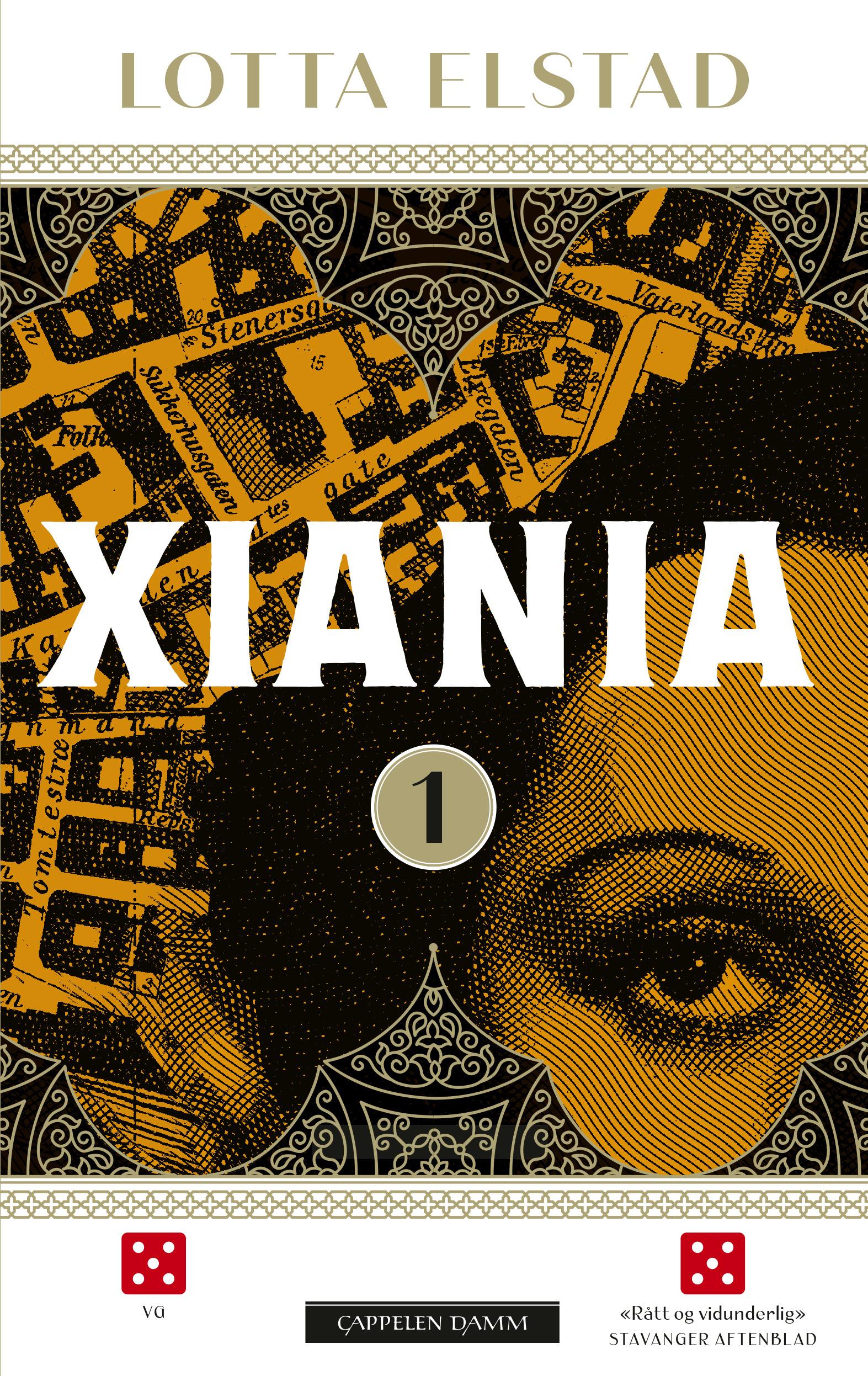
Xiania 1: Klara
Literature and Fiction2023 · 320 pp

Xiania 1: Klara

Lotta Elstad

My part in the story starts like most stories do: with a thrust and a premature ejaculation. The year is 1922. Klara takes the train from a country village to the capital Kristiania (Xiania) to get rid of an unwanted pregnancy. She's 19 years old, and in her pocket she has a not with a name and an address: Madam Zavarella, Elvegata 2. After the abortion, which almost costs Klara her life, she becomes a part of Madam Zavarella's sphere in the slum in Vaterland. It's a smelly, poor, pulsing underworld, but at Madam Zavarella's stacks of money are hidden in cracks in the walls and under mattresses, there's a motor car in the backyard, connections to the rich villas on Bygdøy peninsula, and even though it's prohibition times, the alcohol is in free flow. Xiania is a portrait of the jazztime in Norway – back when Oslo was known as Kristiania (Xiania). It's the burlesque, snappy and vividly feminist first novel in a planned series. «... so vivid, so fundamentally exciting. Rarely read anything like it. Historical and modern and personal and entertaining and smart and beautiful and well-written all at once.»Thomas Korsgaard, author of Hvis der skulle komme et menneske forbi (Were someone to drop by) «Lotta Elstad’s richly-colored story from 1920’s Oslo is a slow-burning bildungsroman that screams to be adapted for film.» «Not only does the author have a keen eye and a sensitive nose for the less appealing sides the urban life, she also has a downright poetic approach to the hedonism and zest that is often associated with the roaring 20s …»VINDUET Cheeky and fresh! «Elstad folds out a canvas that is wide, vivid and colorful.» «… Elstad writes with a crunch so satisfying that one will sometimes re-read whole paragraphs to fully take in the cheeky style.»VG, 5/6 stars «Xiania 1 is an unusually charming novel ... more than anything it’s a story with great drive, told with bounce in its language.»NRK Clever and wild noir from the east side «Xiania definitely created expectations to the continuation, more than anything because the author is so inspired and inventive.»AFTENPOSTEN «Elstad's writing is raw and wonderful.»STAVANGER AFTENBLAD, five/six stars «It will take a lot for a Norwegian book to have a stronger opening this year ... The opening line [...] has already become iconic, and Xiania keeps the linguistic pace throughout the book.»NATT & DAG

Rights soldSold to Denmark and Hungary
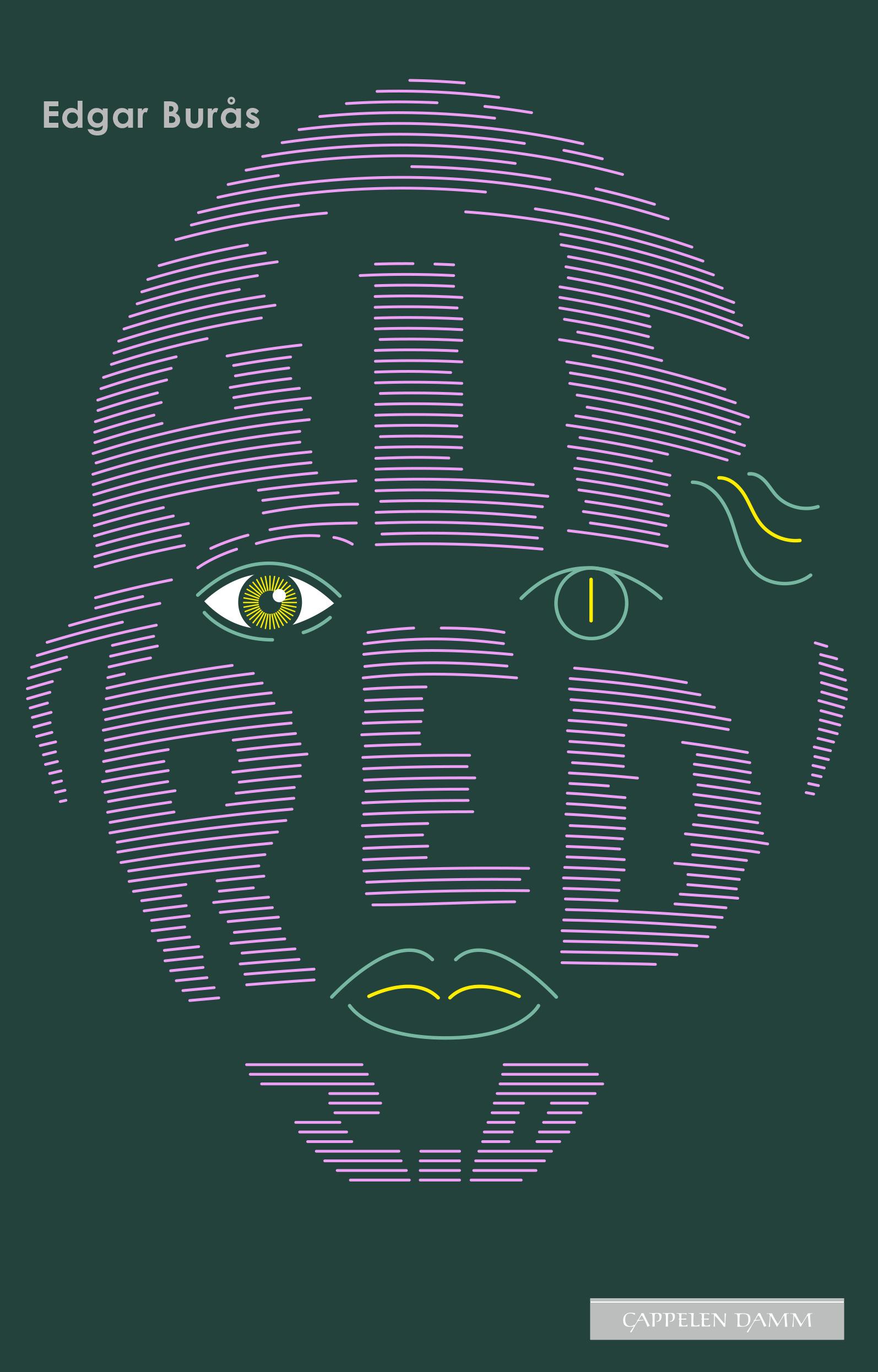
Alfred 2.0
Literature and Fiction2022 · 128 pp

Alfred 2.0

Edgar Burås

Elias is fleeing east from what was once Norway. The authorities are after him again because most robots are either slaves or prohibited. Elias likes the digital beings as much as anyone else and doesn’t think they should have to die because they want to be free. That is why he hopes to find “the wonderful place”, the small enclave where cybernetic organisms can live in peace. But in 2131, the world lies in ruins and chaos. It is difficult to find food, and acid rains down from the sky. Such times of crisis make strange bedfellows. Elias finds friendship with Lilac, a rebellious robot who is also on the run, and Alfred, a fully digitised, sentient house program who is temporarily loaded into teddy bear. Alfred 2.0 is a wonderful new science fiction novel from a master of the genre, and an exciting and gripping story.

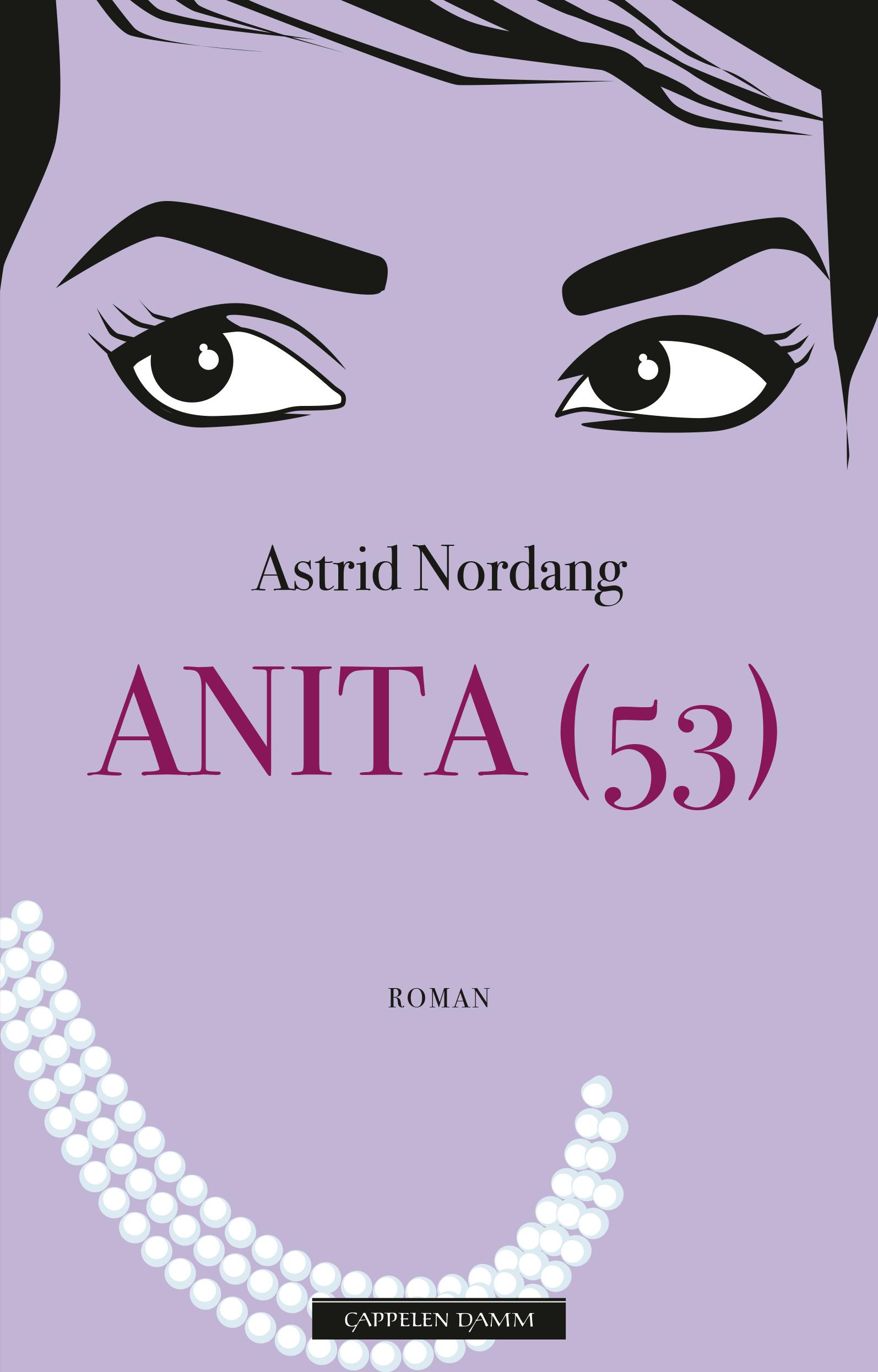
Anita (53)
Literature and Fiction2022 · 358 pp

Anita (53)

Astrid Nordang

Anita (53) is funny, modern and topical. Anita’s 15-year-old son says he wants to transition. Anita (53) herself is menopausal and experiencing violent hormone fluctuations, hot flushes and increased libido. The day before Anita (53) is due to travel to Rome for work, her son says: ‘Mum, I want to become a woman’. He is 15 years old and determined to transition. Has he started taking hormone blockers? Anita can’t help but think about her own hormones and the menopause she’s experiencing, and about the GP who doesn’t want to prescribe her oestrogen. She travels to Rome to live at the collective-like Norwegian Institute and write an essay about opera diva Maria Callas and filmmaker Pier Paolo Pasolini, who became lovers and confidants during the filming of Medea. Alongside the entertaining story of Anita’s days in Rome, we are told the beautiful, painful and poetic story of Maria Callas and Pier Paolo Pasolini.

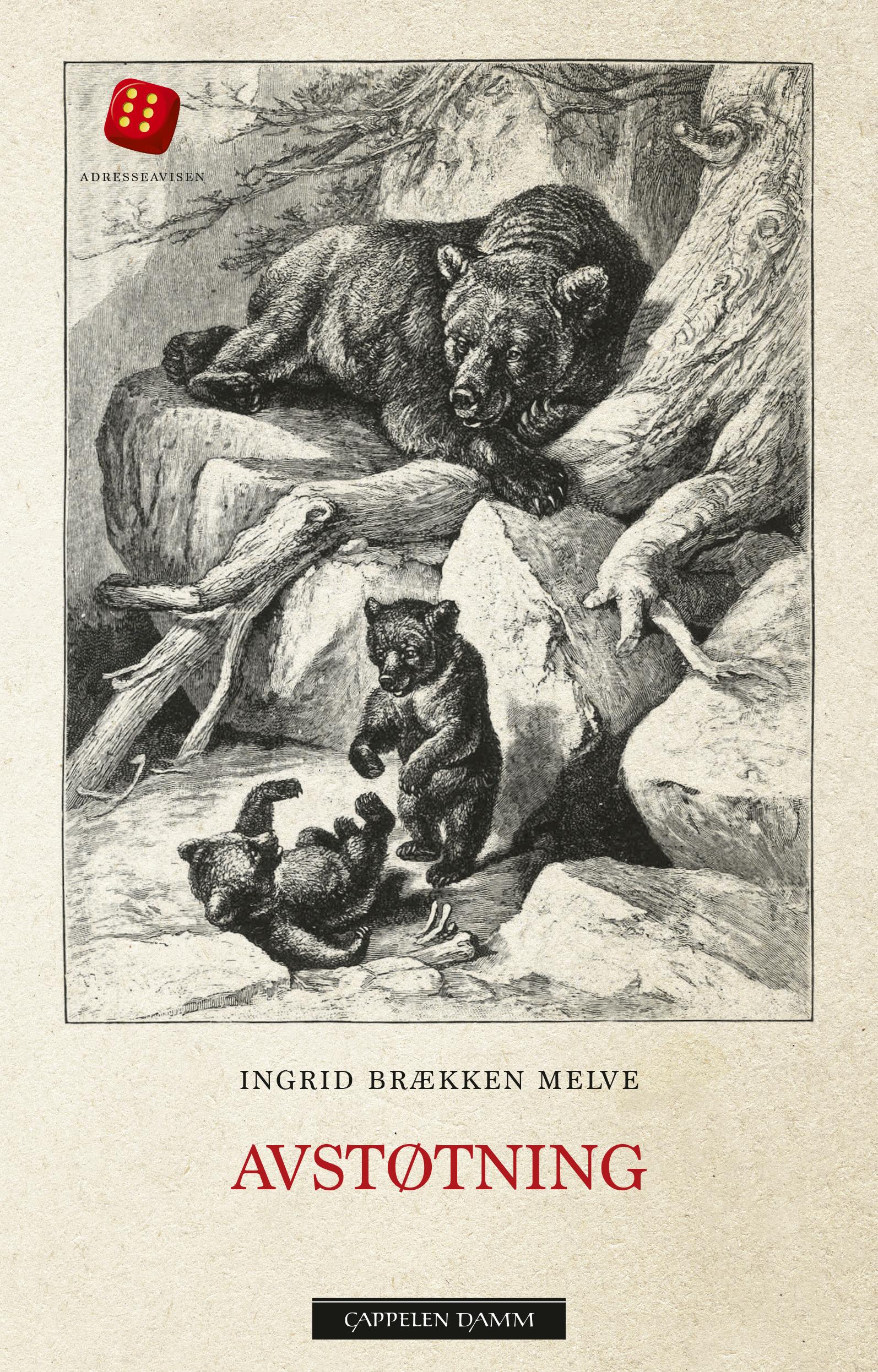
Rejection
Literature and Fiction2022 · 272 pp

Rejection

Ingrid Brækken Melve

Rebekka wakes up at the hospital after a heart transplant. She has never thought of her body as her own, but rather a tool through which God has shown himself. The close, interwoven relationship with God is beautiful to her and offers her life meaning and cohesion. At the same time the relationship is painful, and Rebekka experiences God’s wrath when she seeks closeness with other people, without thinking about God. After waking up Rebekka looks back at her life so far. Can her new heart, which has been given to her because of someone else dying, show her a new way to live? At the same time, she is scared of losing what she’s had. Is a new and different life possible while still keeping her relationship with God? Is that really what she wants?REVIEWSHer entire earthly existence is at stake«It is rare that I encounter a debutant with such confidence in form and awareness of language. ... the author posesses a superb sense of empathy, and in all instances, great narrative skills.»ADRESSEAVIDEN, six out of six stars

The Book of Tilia
Literature and Fiction2022 · 176 pp

The Book of Tilia

Silje Aanes Fagerlund

In The Book of Tilia we meet a woman who has become pregnant right before the end of a relationship. She decides to carry out the pregnancy alone, and all contact between herself and the baby’s father is ended. The novel is about the process the narrator goes through from the beginning of the pregnancy until the birth. Using a direct and sincere language the novel circles around the movement from fear and insecurity to gradual feelings of safety, from ambivalence to happiness, from weakness to strength, from isolation to moving out into the world as an expectant mother, and from winter to spring, summer and early autumn, where spring coincides with a change in the narrator’s emotional life. The Book of Tilia can also be considered a novel which deep down is about embracing life – and daring to explore the unknown.

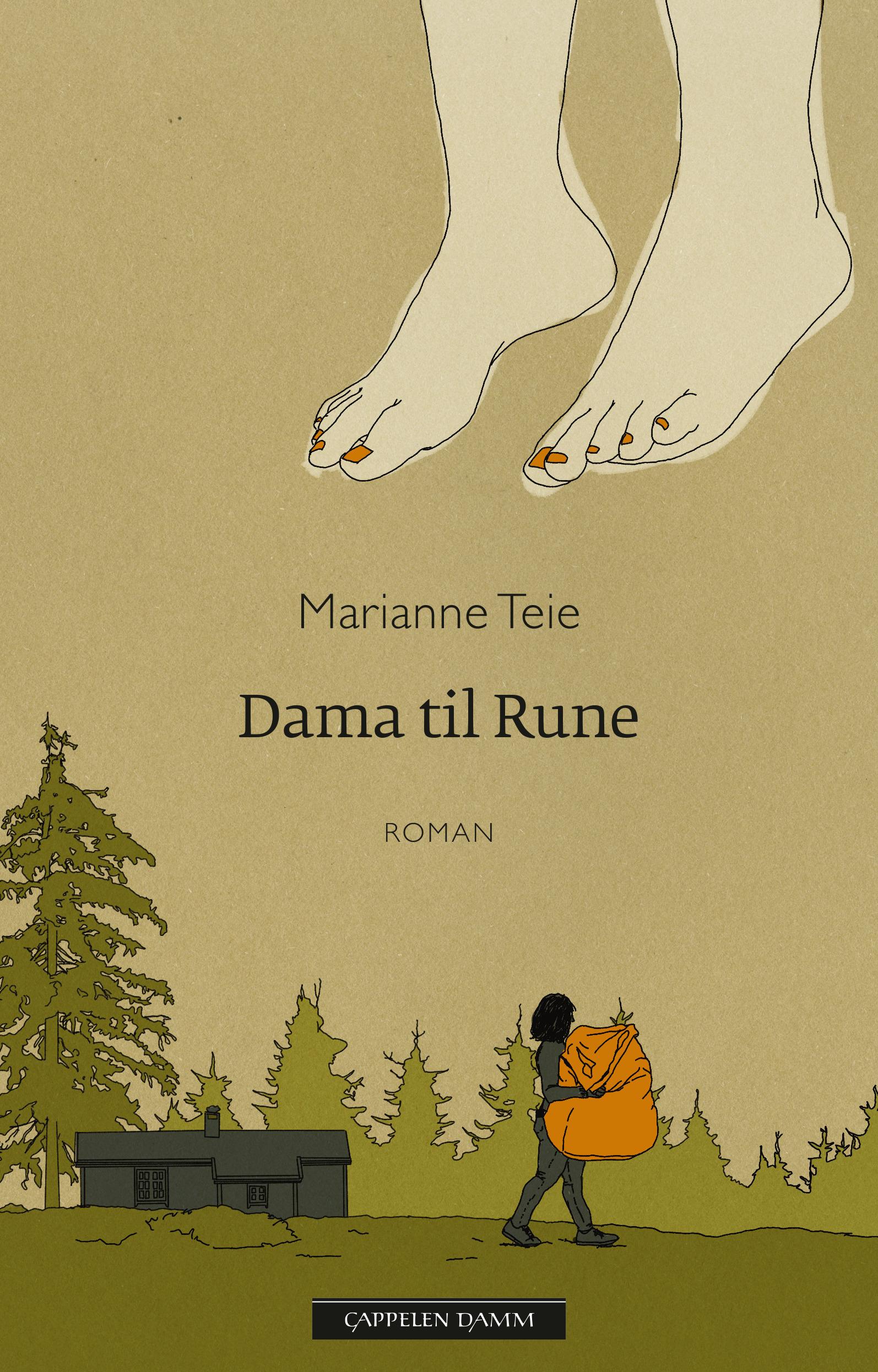
Rune’s Woman
Literature and Fiction2022 · 224 pp

Rune’s Woman

Marianne Teie

After two poetry collections, Marianne Teie debuts as a novelist with a harrowing, desperate and humorous novel about a young woman in a crisis. The nameless protagonist, “Rune’s woman”, travels to a cabin in the country to get away from Rune, but being alone triggers all her memories and longing. She’s not as alone as she’d like to be, either. Rune’s Woman is a funny and dark novel about growing up, about the challenges of being a couple and about how difficult it is to find peace alone in a family cabin.

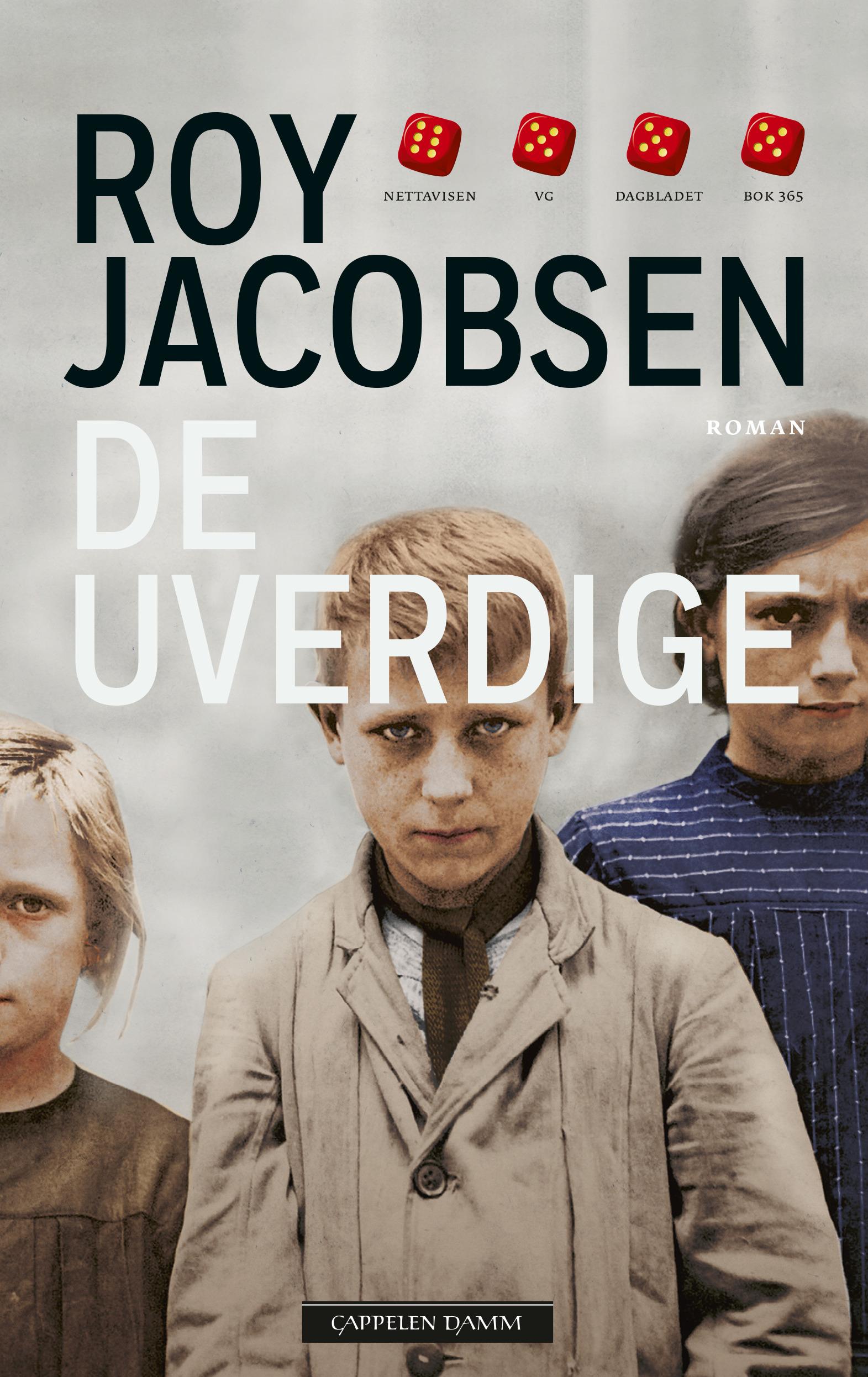
The Unworthy
Literature and Fiction2022 · 288 pp

The Unworthy

Roy Jacobsen

In Roy Jacobsen’s latest novel, The Unworthy, we follow a gang of boys and girls from an apartment building on the east side of Oslo during the WWII German occupation. They live in poverty, but they manage by creatively swindling, stealing like magpies, falsifying documents and committing extensive burglaries. They don’t shy away from exploiting the Enemy, either. With this pack of children, a lauded writer has rendered a brutally frank and warm portrait of a time, a place and an everyday life that thus far has been absent from the stories told of WWII. This is a Roy Jacobsen novel of best mark. The Unworthy is wise, brutal and entertaining. A gem of a story, written by an author in his right element. ReviewsA worthy and powerful reading experienceDramatic, interesting and exciting ... a fantastic picture of an environment and a time that not everyone knows today.Nettavisen, six/six starsNew first-rate novel by Jacobsen… once more Jacobsen wields the language in a nuanced, confident manner.Stavanger Aftenblad, six/six stars About ignoranceThe Unworthy has to be one of Roy Jacobsen's best novels.Klassekampen Brutal war novel from Roy JacobsenRoy Jacobsen is, as always, a master of details, environment and working methods.VG, five/six stars Good news from the Eastern front... the narrative offers surprising, humerous and cheeky touches that show Roy Jacobsen at his best.Dagsavisen Exciting like a thrillerThe characters are credibly drawn, the milieu renderings almost filmatic.Dagbladet, five/six stars The indifferent[Roy Jacobsen] has done it again. Created an environment and characters that will be remembered.Bok365, five/six starsIn full vigour Roy Jacobsen impresses again, both as astoryteller and a portrayer of people … an organic and unpredictable literary universe, as asymmetric and restless as life itself.DN The novel is incredibly well written and composed.Jyllands-Posten, Denmark Powerful historic realism.Weekendavisen, Denmark

Another masterwork by one of Norway’s foremost authors
Rights soldSold to 10 territories
The Little Man from Argentina
Literature and Fiction2022 · 176 pp

The Little Man from Argentina

Kristian Klausen

One of the worst war criminals in history arrives in Drammen in May 1960. He has escaped his pursuers to start a new life and is renting a flat in a building in Konnerudgata. He gets a job as a night watchman at a paper mill. He frequents a local café and learns Norwegian. He enters into a relationship with the novel’s other main character, Martha Dreyer, an author who lives two floors above him. Due to this relationship, his usual defence mechanisms start to fail. He starts to feel guilty. But even though he is troubled by his actions, he still struggles to acknowledge the scope of them. The historical figure is Adolf Eichmann, one of those chiefly responsible for organising the Holocaust.