FictionNon-fictionChildren's & YAAuthorsAbout us

Representing the authors and titles of Cappelen Damm for translation and adaptation rights worldwide.

Catalogue

  • Fiction
  • Non-fiction
  • Children's & YA
  • Authors

Agency

  • About us
  • Rights catalogues
  • Rights deals
  • News
  • Fairs & events

Get in touch

rights@cappelendamm.no
Stortingsgata 28, Oslo

© 2026 Cappelen Damm AS · Rights & AgencyPrivacy & cookiescappelendamm.no

Literary fiction

Literary fictionCrime & thrillerNarrative non-fictionChildren's & YASelf helpCook booksCrafts & hobbies

Browse

FictionNon-fictionChildren's & YA

Foreign rights

Rights sold

Genre

Children's Books902Literature and Fiction722Narrative Non-fiction336Self Help179Crafts and Hobbies146Mystery and Crime143Cook Books107UpLit82

Published

2025 and newer2020–20242015–20192014 and older

Rights sold to

Clear all filters

82 titles with rights sold

Literature and FictionRights sold2015–2019Clear all
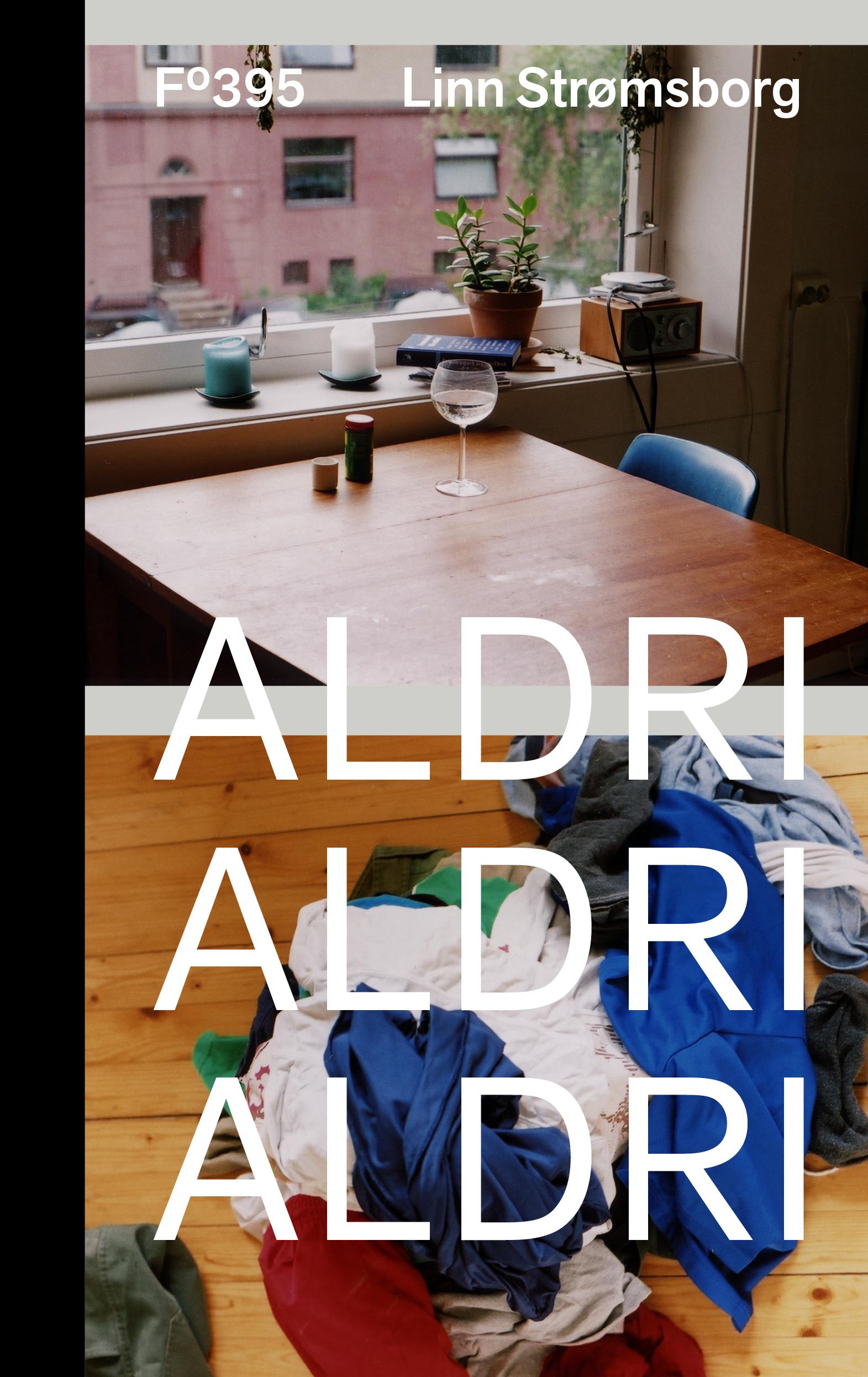
Never, ever, ever
Literature and Fiction2019 · 224 pp

Never, ever, ever

Linn Strømsborg

«I am 35 years old. I do not want children.It’s not something I talk to other people about. It is something that I am ashamed of, a topic I avoid; take long verbal detours around. When my friends talk about having kids, I change the topic. I do not want to be too certain or unbending, because I might suddenly wake up one day and find that I have become one of them, an ordinary woman in her thirthies wanting to get pregnant, wanting a family, wanting to expand my life, my body and my heart to make room for more than myself. You are allowed to change your mind.»The main character in Linn Strømsborg´s novel Never, ever, ever has never wanted children. She has been living with Philip for eight years, and they have agreed to not have children – up until now. Because maybe Philip might want to become a dad after all? And while her two best friends are expecting their first child, and her mother is constantly nagging about grandchildren, and her everyday life is full of parents with toddlers and births and the struggle of others to have enough time for it all, she is firm in her life and her choice about not having children. Never, ever, ever is a novel about why we have children, and why we do not have children. It is the story about choosing something other than what is expected of you, but at the same time wanting a normal life. NOMINATED TO THE NORWEGIAN BOOKSELLER AWARD Strømsborg explore motherhood through the relation the narrator holds to her own mother, her grandparents and her mothers relationship to her parents. She has interesting perspectives on Motherhood vs. Fatherhood, writes beautifully about growing up and how friendships change once someone has kids. The book is never introverted, but has a narrative driven by good dialogues and storyline. The story is elegantly composed, at times cinematic.Strømsborg has written rare and energized prose about a timely and somewhat taboo topic. ***** VGA thing that is exciting about the book is how it portrays the choice of not having children, both in a longer perspective but also in a somewhat critical period of life. Never, ever, ever shows how existentially gripping it is to see the window closing, and still tell yourself that it is the right thing to do. The novel gets very close on a childless everyday life and future. MORGENBLADET Linn Strømsborg awakens awareness about our family expectations. Her prose is pleasant and touching. KLASSEKAMPENLuckily the novel does not end up being an apology for the voluntarily childless. It is rather existential. And it is good literature. The novel describes exceptionally well the uncertainty of making such a choice, both for those who ends up with a yes and those who ends up with a no. ***** FÆDRELANDSVENNENThe issue is interesting: Why do people become so stressed out over the fact that someone would not want to have children? Never, ever, ever argues that a rich life can be lived in many ways, also without reproduction. DAGSAVISENThis book becomes more a novel the further you read. It turns from a monologue to allowing other people to make the narrative vivid. And the ending is beautiful, if not to say ugly beautiful. Strømsborg has managed to give her protagonist reflections that go beyond her choosing not to have children because there are many bars to visit and festivals to attend. There are also other interesting things to do with your life. Never, ever, ever is also a novel about the importance of friendship, and the acceptance for the choices of your friends - and not getting the same level of acceptance back from the rest of society. It is all heartfelt, tender and important. *****BOK365
1234567
Explores the challenges of not wanting children as an adult woman
Rights soldSold to 11 territories
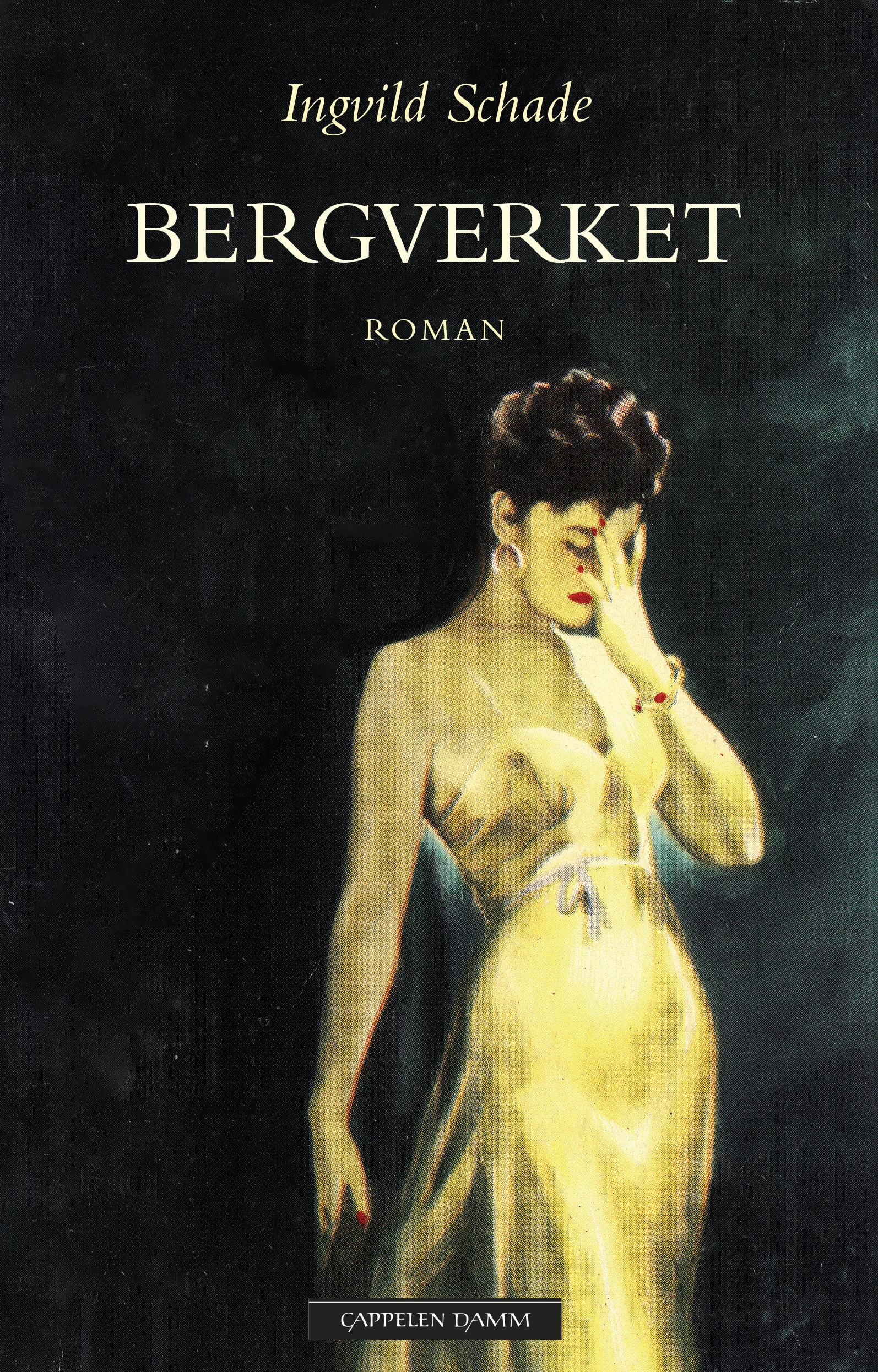
The Mannequin Murder
Literature and Fiction2019 · 128 pp

The Mannequin Murder

Ingvild Schade

The Mannequin Murder is a fascinating and dramatic account from the literary talent Ingvild Schade. It is a beautiful and painful, burlesque and grotesque novel with unexpected twists and turns. Reviewers have compared Schade with Kurt Vonnegut, Mikhail Bulgakov and John Kennedy Toole. Karsten is a meticulous and gaping young boy living in a normal Norwegian family. His father is a doctor and his mother is an English teacher, and his little sister is still in sagging diapers. All objects and events, big or small are subject to Karsten’s intense interest and exploration – whether he is holding a lengthy lecture on the history of stones or gutting a fish for his family’s Tuesday dinner. In the scree behind the stone villa where Karsten lives, seven neighbourhood boys roll loose rocks and point their fingers at him like guns. Lately they have sent him threatening letters signed the ‘The Enemy’. However, Karsten has other things on his mind: In the compost, he has discovered the bloody corpse of a mannequin, and thus he is in full swing interrogating witnesses and filming a dramatization of the murder mystery, with his mother acting in the role of the bloody murder victim. Suddenly one morning Karsten’s father asks him to say goodbye to his childhood home. An overnight bag is packed, and his father says they are leaving for a trip – and everything is set into motion. REVIEWSIngvild Schade is in the process of creating her own literary subgenre.MORGENBLADET The protagonist of Ingvild Schade's delirious new novel has a lot in common with both Patrick Bateman and Holden Caufield. (…) With The Mannequin Murder she confirms her role as a writer who seems totally independent from the current beat and tone of Norwegian literature.DAGENS NÆRINGSLIV To master style in this way is unusual and sorely needed (…) This is a prose cornucopia, a linguistic calorie bomb. You have to read Ingvild Schade. And she needs to write more. Just a friendly suggestion. KLASSEKAMPEN Ingvild Schade follows in the footsteps of Tarjei Vesaas and Ingvar Ambjørnsen, but with a more extreme linguistic skill than them. (…) Ingvild Schade appears as a daring and energetic storyteller. AFTENPOSTEN Breathe in; put away your cell phone and stick to the text, and you are in for an entertaining and peculiar read. The Mannequin Murder delights me, and is so far this year’s greatest literary surprise. DAG OG TID

Rights soldSold to Canada and Denmark
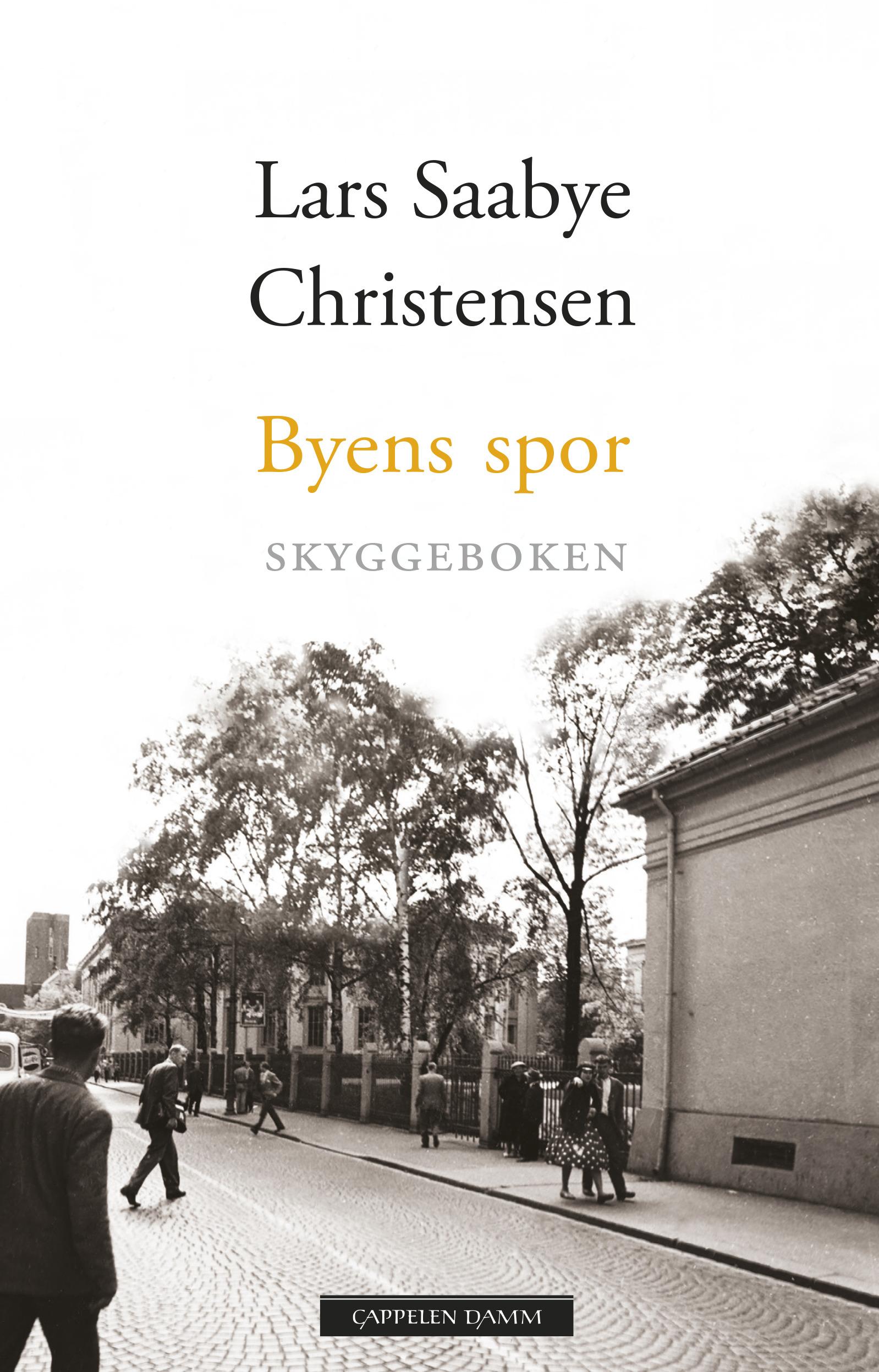
Echoes of the City - The Shadow Book
Literature and Fiction2019 · 544 pp

Echoes of the City - The Shadow Book

Lars Saabye Christensen

Lars Saabye Christensen has put his ear to the conch of the city and listened to the sound within. With finely tuned sensitivity he listens to every detail. He sees the light casting a shadow one way as the sun is setting over the city that was, and the other way over a city waking up to a new time. Inevitably the question arises: Whom are we who are living in this city, this country and this time - and who will we become? At the centre of the third part of Echoes of the City we find Maj Kristoffersen. Her destiny is intimately interwoven with Oslo and its streets; but not as much as the people she shares the city with. First and foremost her children Jesper and Stine, as well as her fellow women of the Red Cross, the invisible social backbone of Fagerborg borough. The children are grown up and times are changing. Hopes and dreams are challenged by a world no longer on track. Growing pains affect them all as new doors open and the old ones close. ‘It is gripping, in some passages glittering. And only a reader with a heart of steel could fail to be deeply moved…’DAGBLADET ‘Lars Saabye Christensen allows himself digressions and diversions in the last novel in his Oslo trilogy Echoes of the City. This sets the three-volume work slightly off-kilter. Just what it takes to make the trilogy necessary. Yes, necessary.’NRK ‘The author serves up metaphors and images that will make the reader cheer.’FÆDRELANDSVENNEN ‘The Shadow Book is a very powerful novel, which stays with you for a long time. And yes, it is a bit funny too.’ADRESSEAVISEN ‘… an emotional roller-coaster’ VG ‘With The Shadow Book, Lars Saabye Christensen has concluded his trilogy in a way that ensures Echoes of the City will stand as a masterpiece in the oeuvre of this soon-to-be 66-year-old Oslo man.’ BOK 365 6/6 ‘Echoes of the City is a vast monument to the past and the present day. …it works, the whole thing. Echoes of the City – The Shadow Book is a brilliant conclusion to the trilogy about Oslo and Norway in the decades after the war.’DAGSAVISEN ‘Lars Saabye Christensen writes warming literature of reminiscence, full of linguistic treats.’ AFTENPOSTEN

Rights soldSold to 3 territories
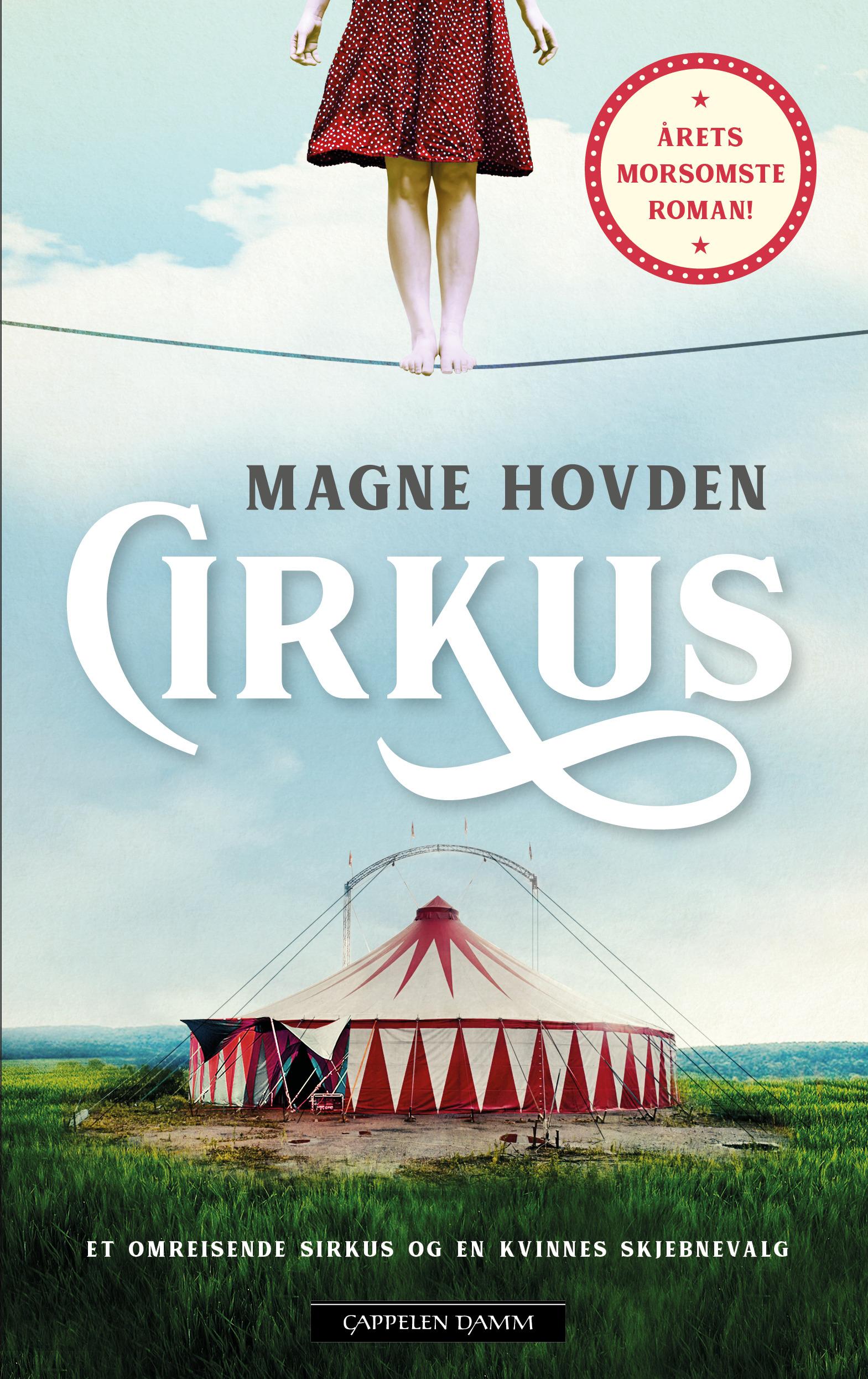
Circus
UpLit / Literature and Fiction2019 · 320 pp

Circus

Magne Hovden

Funny, elegant and entertaining novel about a traveling circus and a woman's fateful choice. A cynical, self-centered businesswoman inherits a circus and sets out on a journey that introduces her to a world of traditions, dedication and camaraderie that gradually causes her to reevaluate how she'll spend the rest of her life.Sold to Germany, Italy, France and Estonia before it was launched in Norway!Hovden has succeeded in writing a colourful, satirical and catchy novel.DAGBLADETSend in the Clowns! ‘"I would rather shovel Elephant muck!" seems to be the moral of this cross over between Jonas Jonasson’s The Hundred Year Old Who Climed out the Window and Wall Street. In other words likeable and well written entertainment.’STAVANGER AFTENBLAD

Rights soldSold to 4 territories
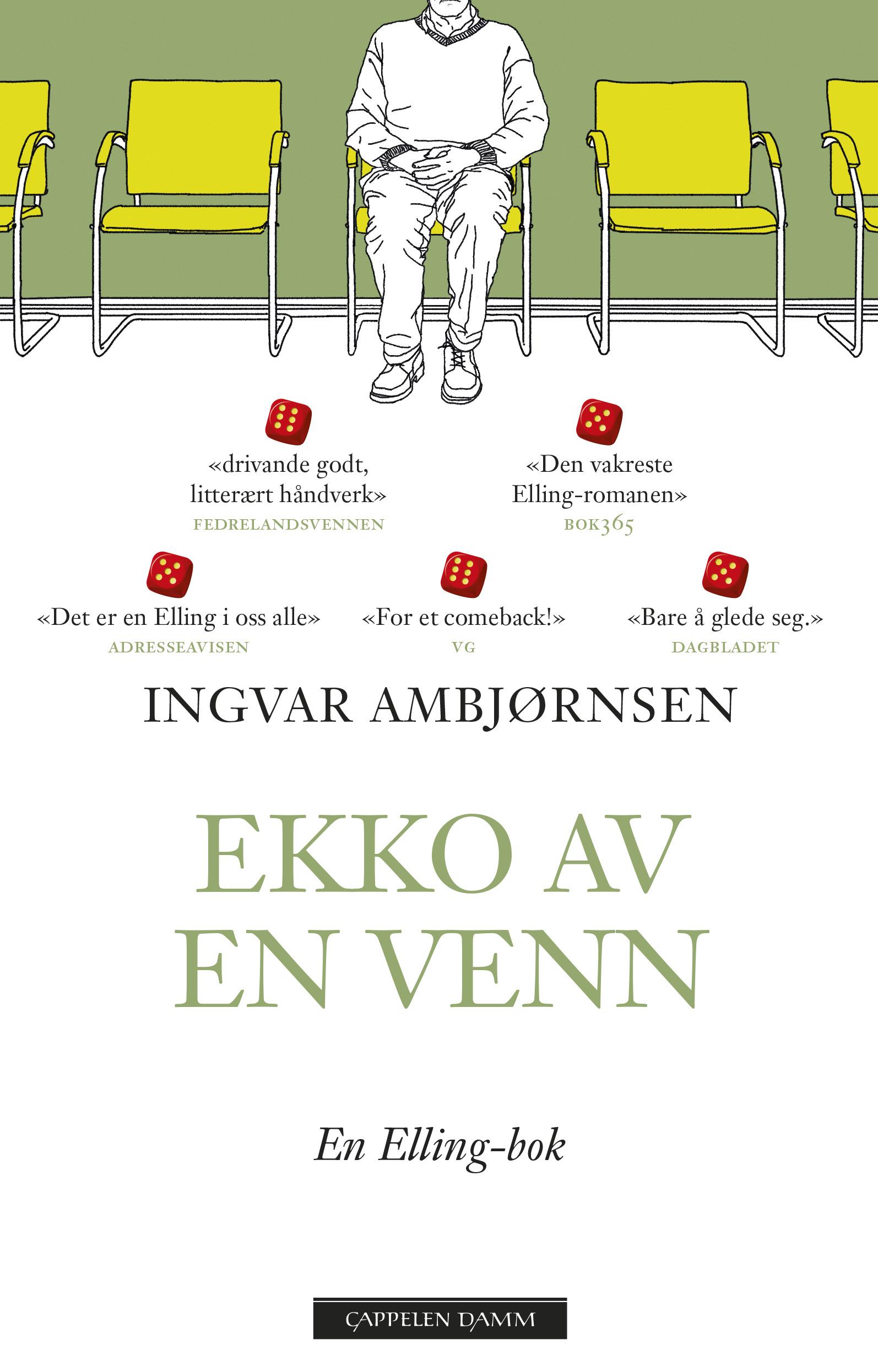
The Echo of a Friend
Literature and Fiction2019 · 320 pp

The Echo of a Friend

Ingvar Ambjørnsen

Elling is finally back, as vulnerable and funny as ever. He has moved into a basement apartment in Oslo, renting from the widow Annelore Frimann-Clausen. This is Ingvar Ambjørnsen´s fifth book about Elling, and it continues to build on the strong narrative from the previous books. The new book is a beautiful and gripping story about a lonely human being, a story that many can relate to. 'What a comeback!Echo of a Friend is a genuinely funny book, offering a lovely row of shining comic episodes. But just under the cheerful surface there is a tender nerve of something different. For The Echo of a Friend is maybe first and foremost a novel about great and bottomless loneliness. Even if Ambjørnsen manages to add a feeling of redemption to the story, there is no doubt that this story is quite terrible. And terribly good, as well.'VG ****** 'Of course this is a real Elling novel. But the backdrop that Ambjørnsen has drawn up for us also contains deep and striking comments on society of today – you can by all means call it humoristic satire – but Echo of a Friend has a deeper and more serious undertone, describing some of the most pronounced contemporary features of our time.'DAGBLADET ***** 'Elling is back. Almost just as funny, and quite as sad – but even lonelier.The recognition of what Elling is struggling with, finding his place in the world and a dignity in his own life, make Echo of a Friend not only relevant, but yes – important.'ADRESSEAVISA 'Ruthlessly honest return of Elling.The return of now 20 years older Elling in Ingvar Ambjørnsen´s Echo of a Friend is sad, melancholy and at the same time invigoratingly humoristic. As a novel it is a recognizable Ambjørnsen landscape, smartly delivered with a sense for precession and dark humour. It is not an exaggeration to say that Ambjørnsen was at his very best with his books about the lonely, dysfunctional and at times crazy Elling. And he shows us again, 20 years later that he is at the same level. It is a joy to read this new novel.'DAGSAVISEN 'Ingvar Ambjørnsen is back with a new book about Elling – 20 years later. This is a reunion that you do not want to miss.Ingvar Ambjørnsen is back with a new book about Elling – 20 years later. This is a reunion that you do not want to miss. Reading this book on the tram might lead to spontaneous laughter behind the book covers, making you feel a bit like Elling yourself. This is the strength of this author. In a seemingly relaxed way he illuminates the pages with different perspectives of our time, with Elling as a modern day and anxiety filled fairytale hero. We are all Elling. We are all a bit weird. This is the thing that adds depth and nerve to the stories about Elling. Like always, the writing is great. Great images, excellent rhythm and not a single loose sentence. He is light at hand, and builds sentences the way Elling changes moods. When they are good, they are tight and snappy. This book, like they say, brings joy to both old and new readers. I can not wait for the next book, because now Ambjørnsen is on a roll – and so is Elling.'AFTENPOSTEN

Rights soldSold to Norway
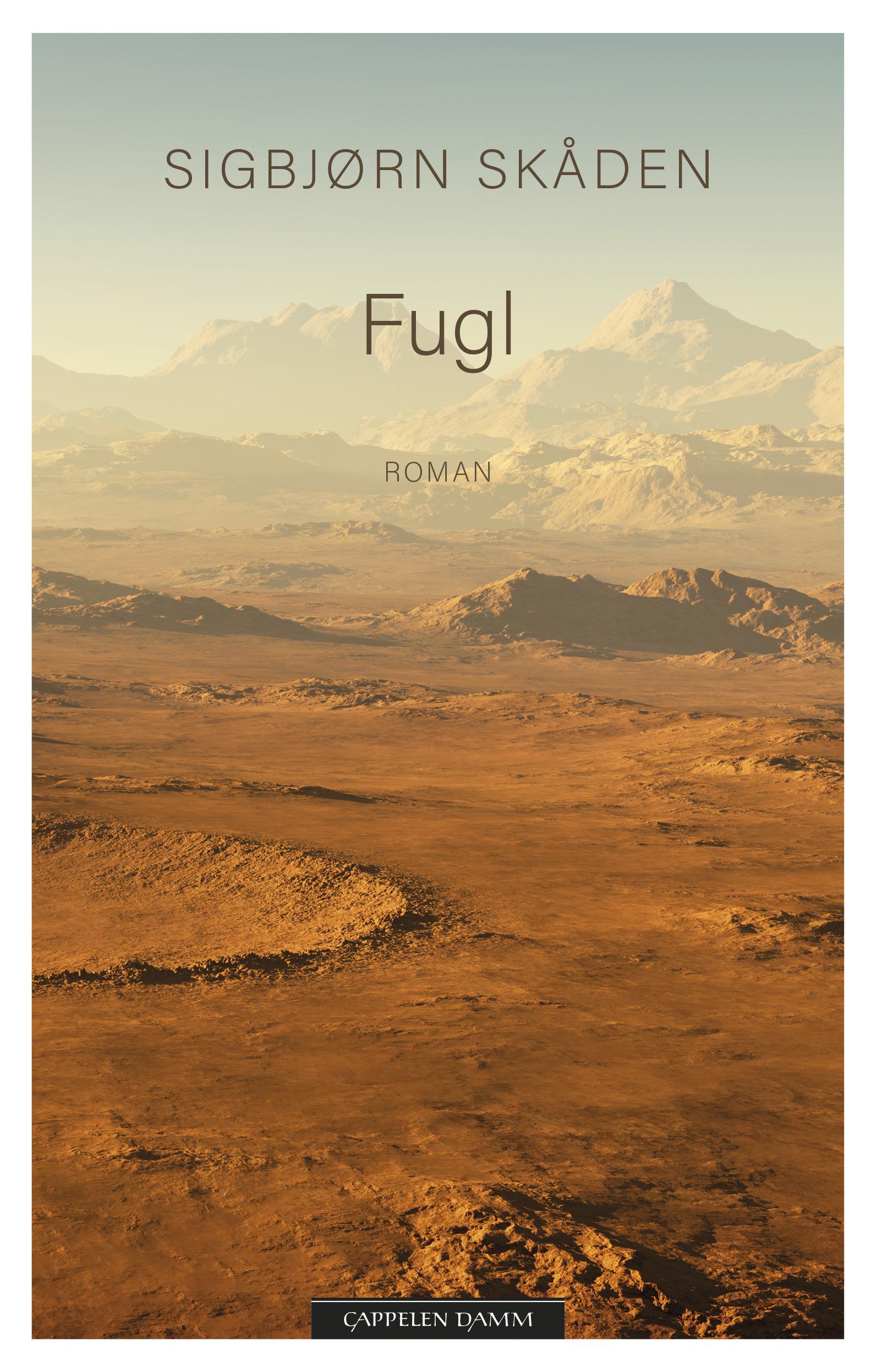
Home
Literature and Fiction2019 · 128 pp

Home

Sigbjørn Skåden

2048: A child is born on Home, a previously unknown planet named after the research expedition that established a colony there a few years earlier. The researchers left Earth with the goal of establishing a colony, well aware that they can never return. As researchers, they are willing to take the risk and the psychological strain it entails. But the child's mother is no longer a researcher; she is a mother – and she has plans for her daughter that no one knows about.2147: The descendents of the first people are living on the edge of starvation inside the dome on Home. The animals the first people had brought with them died long ago, they haven't managed to get anything to grow outside the dome walls, and all electronic equipment are outdated and discarded. After a storm, another dome suddenly appears on the landscape. The new people present themselves as having the same motivations as those who came a hundred years before – they speak of hope and community. But when the truth about the inhospitable conditions on Home sink in, another agenda gradually comes to light.

Rights soldSold to France
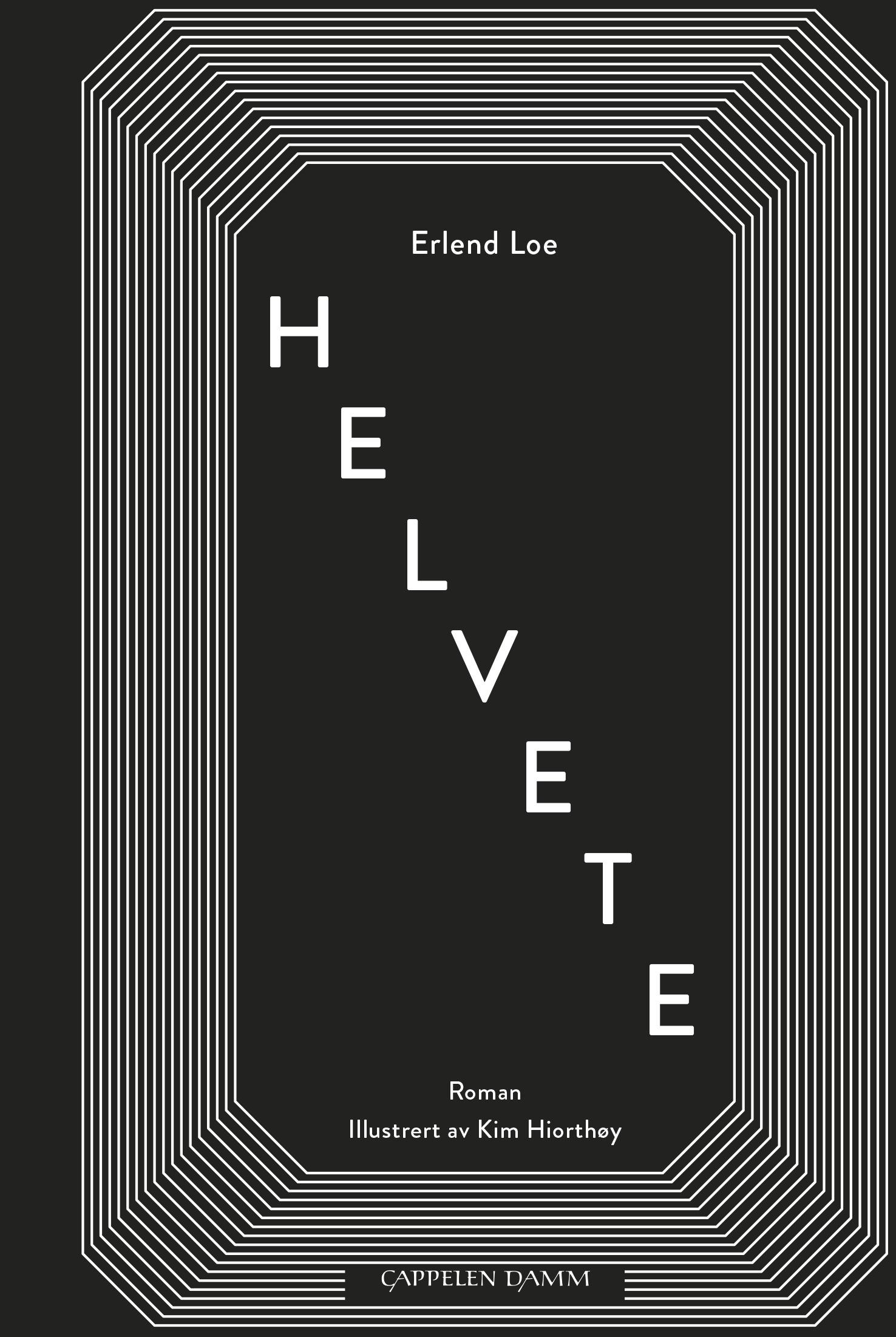
Hell
Literature and Fiction2019 · 136 pp

Hell

Erlend Loe

Rakel is newly divorced. Her ex-husband’s new girlfriend has a sparkling laugh and bakes her own crispbread. Rakel has to move from her villa into a smaller townhouse. She has custody of her children every other week. With plenty of time on her hands, Rachel decides to tackle her small patch of garden with a rusty shovel she finds in an old shed. Just as she starts digging, she uncovers a hatch that happens to lead straight to Hell. At Hell’s front desk, Rakel buys a stamp card, so she can come back. She also buys nuts to feed Satan, who is Hell’s main attraction. (His favourites are macademias.) When Rakel sees Satan for the first time, their eyes lock, and Satan’s gaze doesn’t let go. It’s a devilish gaze. This journey to the heart of darkness comes with typical Erlend Loe absurdism and lots of dark humor. Illustrated by Kim Hiorthøy. Yours truly had the greatest of times with this book! Loe does not make a batter bigger than what he can beat, but what hell of a cake he is baking! The naïve lines in the illustrations by Kim Hiorthøy suits this absurd and delightful novel that also has a very surprising end. ADRESSEAVISEN, 6/6 STARSLoe is witty and satirical. Childish and wise at the same time. He messes around with stereotypes, standardized language and human weaknesses. Hell can be read as an allegory of life and what happens in the tension between the highs and the (cellar) lows. The book touches the modern feeling of vigour and doubt. Even the Devil - who´s sister is God, who has become so hard to handle that she is "the main problem for evil" - trembles and longs. He is "full of longing" and doubting the whole system. Quite human. Maybe that is why it is so easy to like the novels by Loe. They are fun stories about doubt, weak moments, crisis and contra productive life strategies. The are about life, a topic that matters to most of us. DAGBLADET, 5/6 STARS Charmer in Hell... elegantly illustrated novella about the hustle and bustle of Hell.STAVANGER AFTENBLAD, 5/6 STARS The book pokes at the modern feeling of life and doubt. Even the devil, whose sister is God and so difficult that she has become «the problem of the evil», falters and yearns. He is «full of longing» and calls «the whole system into question». Quite human. Perhaps that is why it's so easy to like Loe's novels. They are fun stories about doubts, weak moments, crises and counterproductive life strategies. They are about life, which affects most people.DAGBLADET 5/6 STARS

Rights soldSold to 4 territories
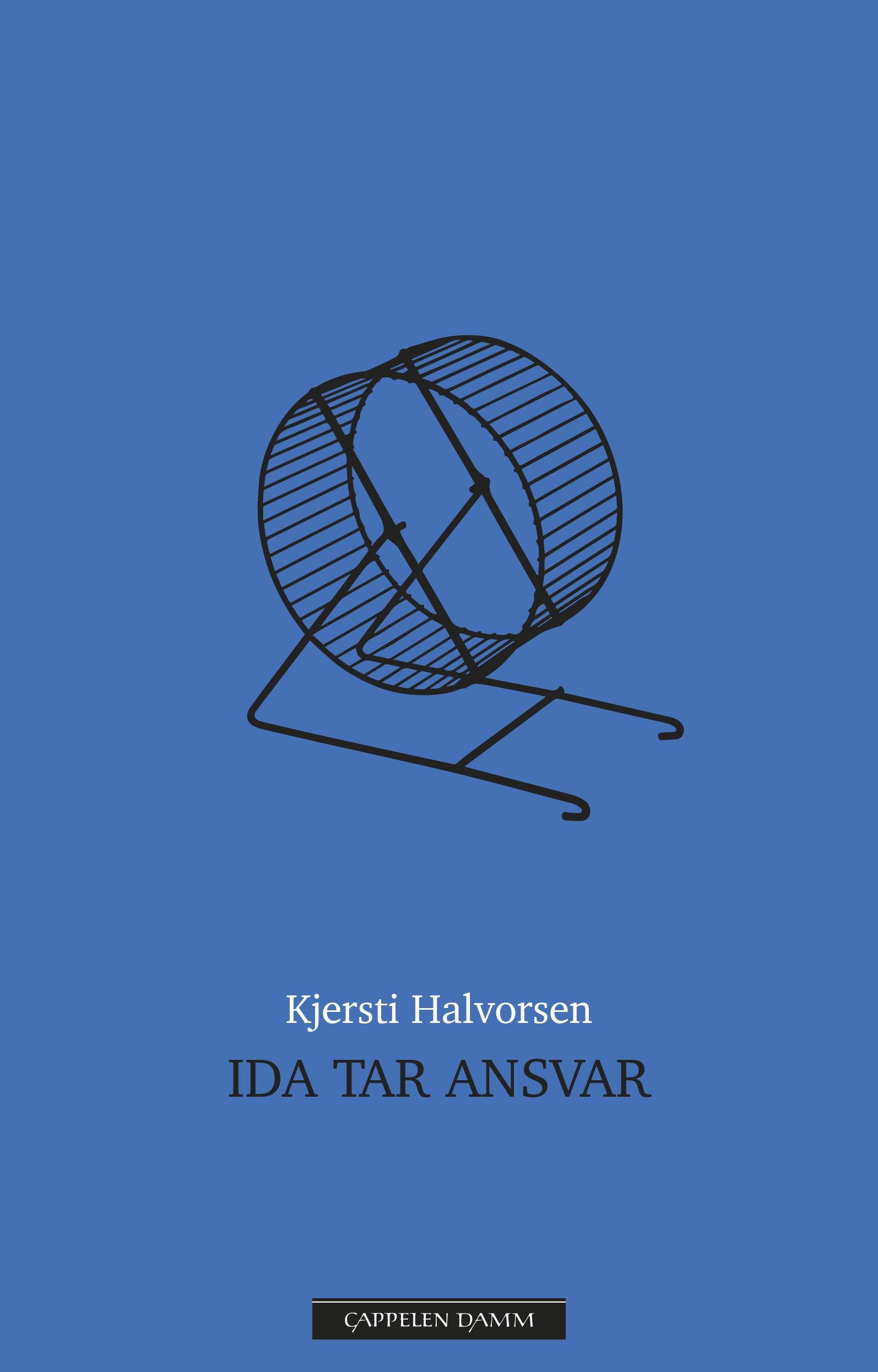
IDA TAKES CHARGE
Literature and Fiction2019 · 224 pp

IDA TAKES CHARGE

Kjersti Halvorsen

Ida's greatest fear is terror. This doesn't get any better when she meets Aksel at University; a lone wolf with dubious interest in weapons. Aksel has become an outsider, and Ida needs to take drastic measures: How can she save Axel – and the world? Perhaps equally important: How can she save herself?Ida Takes Charge is a dark and funny debut novel about overcoming fear and finding your calling in life.NOMINATED TO THE TARJEI VESAAS DEBUT PRIZE 2019. Brilliant language ... precise and observantThe novel explores, among other things, what can create a breeding ground for loneliness and xenophobia in young boys, which allows them to end up as misogynists, despisers of society - or school shooters. It is well portrayed, and you have to confront yourself with it while reading.DAG OG TID This book is freakishly well written about anxiety in general, and specifically anxiety about terrorismThe peculiar double nature of compulsive disorders, and what is actually reality, is masterfully communicated. The story is a thriller, in the shape of a detective novel where the reader turns the page with great expectations of what revelations they will find on the next page. Ida´s emotions move in waves, between catastrophe thinking and good experiences. Between her thoughts and the events that calms her, and a fear bordering on paranoia. And the reader experiences the waves too, accompanied with the hope that she will find a way out of her anxiety. This is freakishly well written, in content as well as topic and style.ADRESSEAVISA This book is a gem, in many ways a mystery novel. Halvorsen writes with a razor sharp edge about internet stalking, anxiety and fear in general. It is a story about keeping our catastrophe thinking in check, something many of us might need right now.DAGENS NÆRINGSLIV Fear and loathingKjersti Halvorsen strikes a nerve between fear and crippling anxiety. She is good at writing about what is nasty and disgusting. The book has a dark humour in its mellow deadpan way, a humour that suits the anxiety.KLASSEKAMPEN At no point does it become boring. Halvorsen keeps a steady course through the entire novel. During the reading of Ida takes Charge, you will inevitably ask yourself what you would have done in the same situation. How to treat someone who is on the outside of society? It is an excellent debut, character driven, with no need to lean on some meticulous plot to attract the readers.MINERVA The debut of Kjersti Halvorsen is founded on a brilliant idea. Like Elfriede Jelinek or Albert Camus, Kjersti Halvorsen works in uncompromising ways, taking her main characters in extreme directions. She dissects the most problematic sides of contemporary society in a very interesting way, by investigating two damaged twenty-year-olds.STAVANGER AFTENBLAD

Rights soldSold to 3 territories
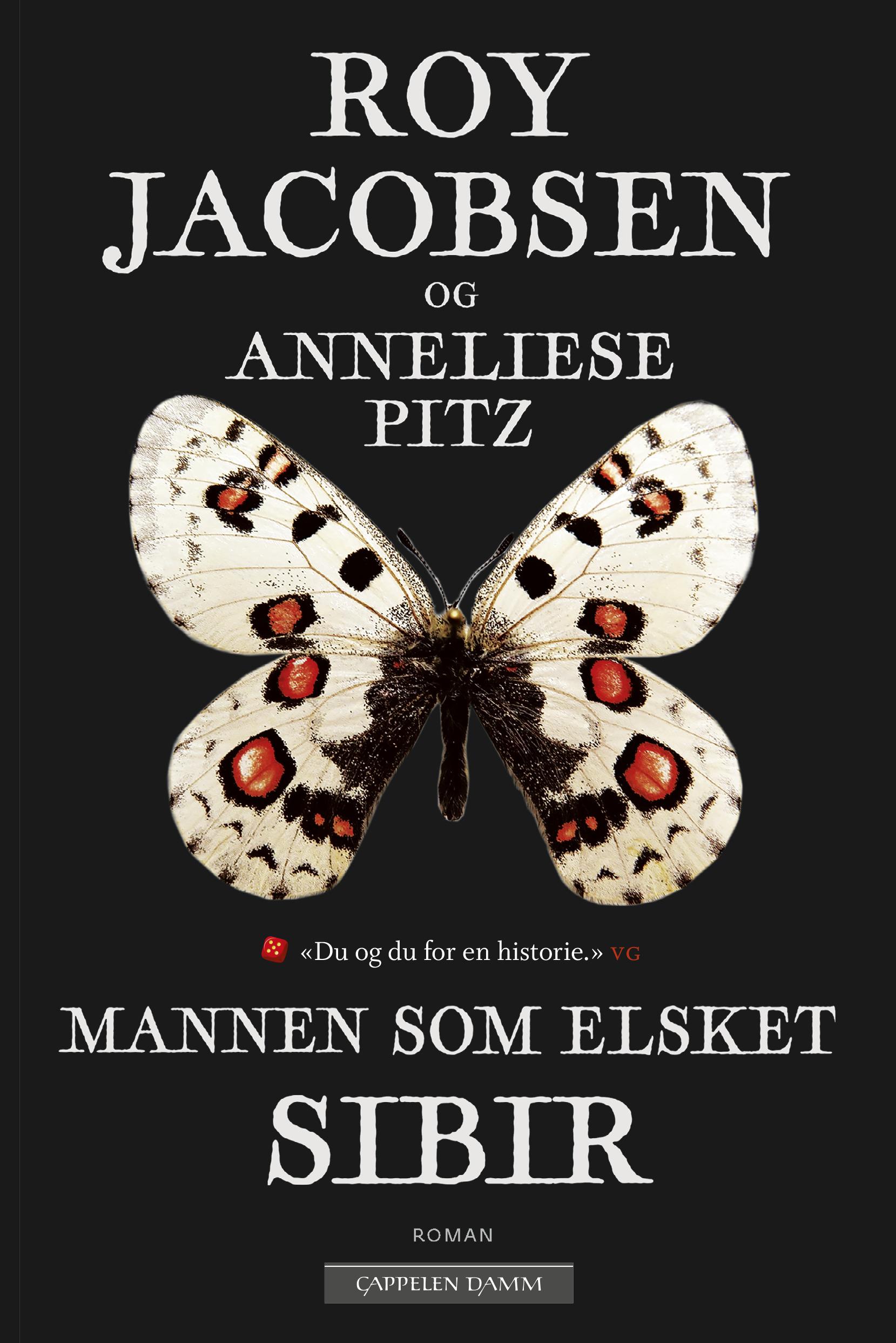
THE MAN WHO LOVED SIBERIA
Literature and Fiction2019 · 288 pp

THE MAN WHO LOVED SIBERIA

Roy Jacobsen / Anneliese Pitz

Fritz Dõrries (1852–1953) lived a life that few of us can grasp today. During his 22 years of adventurous travelling in Siberia, he collected tigers, deer, eagles, plants, and butterflies. He was a mixture of Ed Stafford and Carl von Linnaeus travelling alone in a sled across Siberia. Cold, beauty, and suffering. This novel is based on his memoirs – an incredible story about nature, travel and discovery.

Rights soldSold to 4 territories
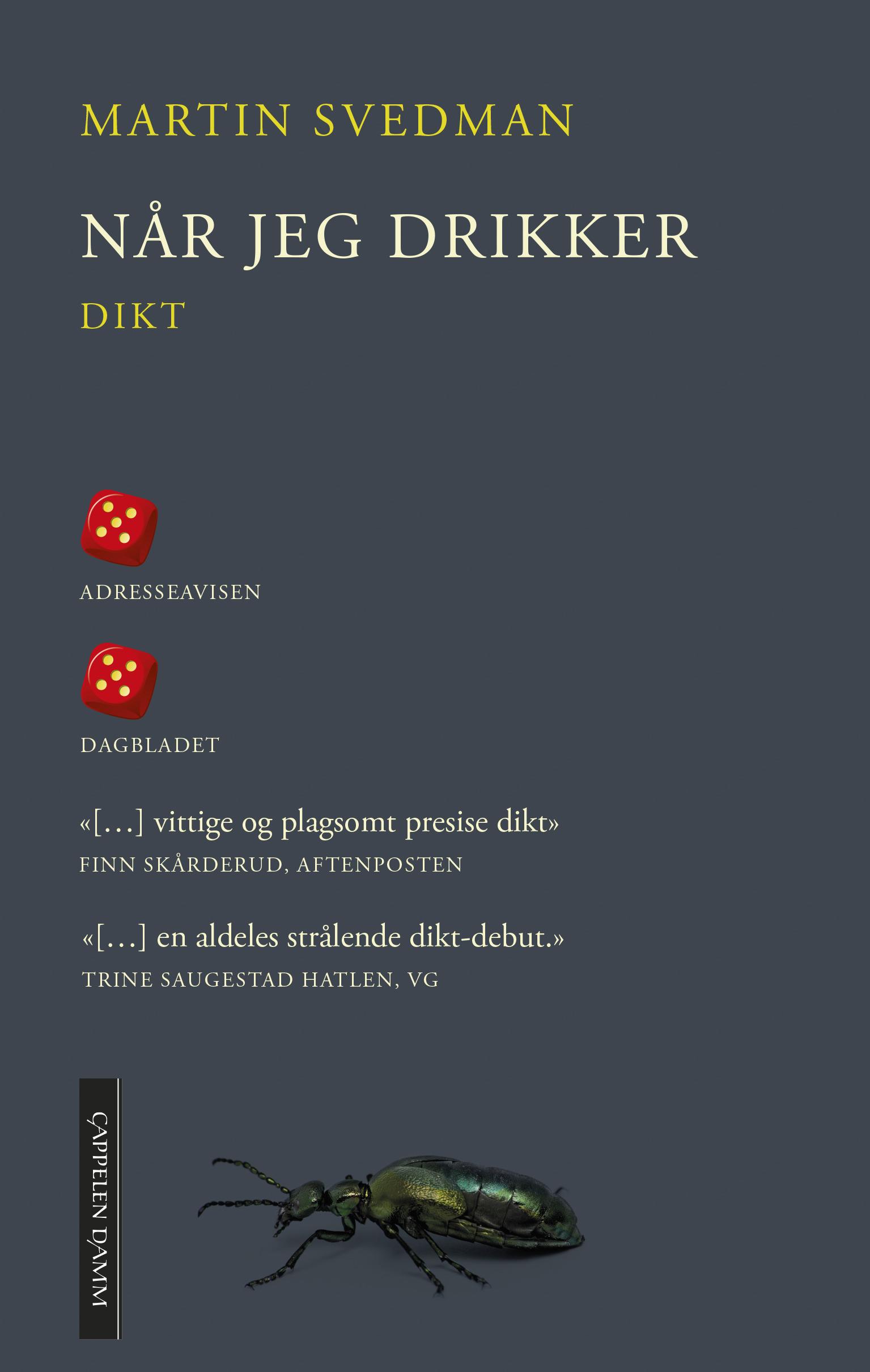
When I Drink
Literature and Fiction2019 · 128 pp

When I Drink

Martin Svedman

11-year-old Henrik stretches out on the bathroom floor after drinking vodka. He laughs, he cries, he discovers that he has a talent for ecstasy. When he as a young man starts his MBA his parents have been trying to deal with his alcoholism for years. He has been to rehab and in therapy. Henrik can stop drinking for a while. The problem is that he always starts drinking again. As a student he meets Sofie. Henrik likes that Sofie has a sense for numbers and complex calculations, and that she knows the piano concertos by Mozart. And he loves that she can drink just as much as he can. But when Henrik and Sofie move in together, Sofie changes personality. She stops drinking.When I drink is a poetry collection that portrays an alcoholic through sad, euphoric, painful, hopeful, absurd, and pathetic episodes. Henrik becomes just as sick when he does not drink as when he drinks. In a precise, specific and at times playfully poetic language the author shows us the otherness and pain of the alcoholic, and the way that they react both mentally and physically in a different way to a substance that most of us have a relationship to - alcohol.Inspired by the prose of Charles Baudelaire and talkative, narrative poets like Frank O´Hara, the author started writing poetry after being submitted to detox. He has not had a drink for 8 years.This book is solid. A long time will pass between each time a poetry collection of this calibre is published in Norway.DAGBLADETWhen I drink is in every way an unusual collection of poems. Not just unusually good. First and foremost, the collection is a rarity because it wants to do more than to mirror its originator.ADRESSEAVISENThe first print run was sold out in less than 2 weeks when the book was launched in Norway in January of 2019.

Rights soldSold to Serbia
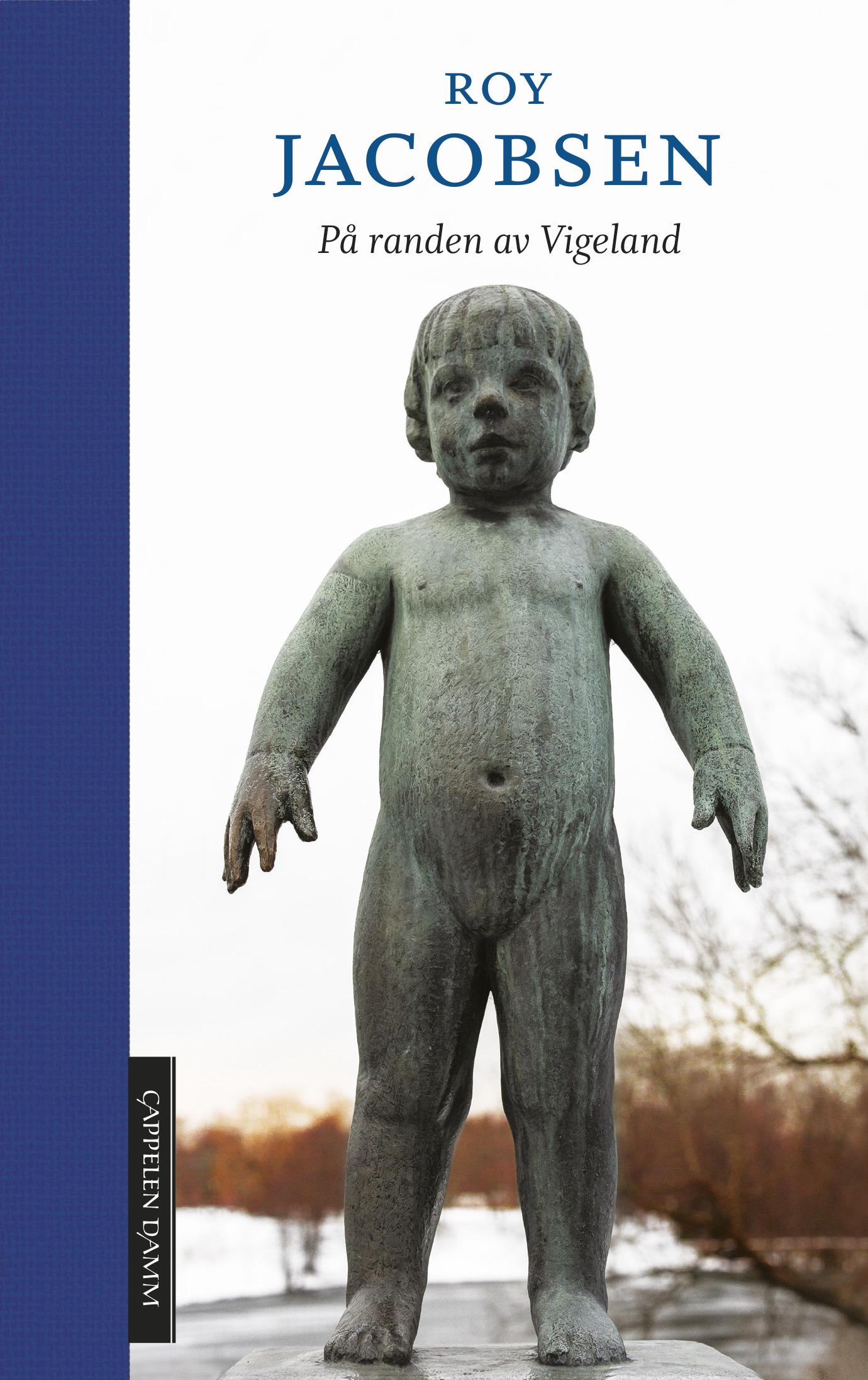
On the Edge of Vigeland
Literature and Fiction2019 · 72 pp

On the Edge of Vigeland

Roy Jacobsen

Roy Jacobsen's celebrated essay on his many childhood visits to the Vigeland Park, the world's largest sculpture park by a single artist, and his mother's mysterious dentist appointments, is now a book of its own, accompanied by photographs. This personal essay is a must-read for all Jacobsen fans. 'Not only does the text impart knowledge about Vigeland's artwork, but it also approaches something I understand to be the driving powers in Roy Jacobsen's authorship, rife with countless strong, complex female figures as it is. Making the invisible struggle visible isn't just a goal for his newest series fra Barrøy on the Helgeland coast (…) The essay is appalling, upsetting – and encouraging.'KLASSEKAMPEN'I wouldn't have believed that one of the year's best reading experiences would show up in an anthology about Oslo's art collection.'AFTENPOSTEN

Rights soldSold to France
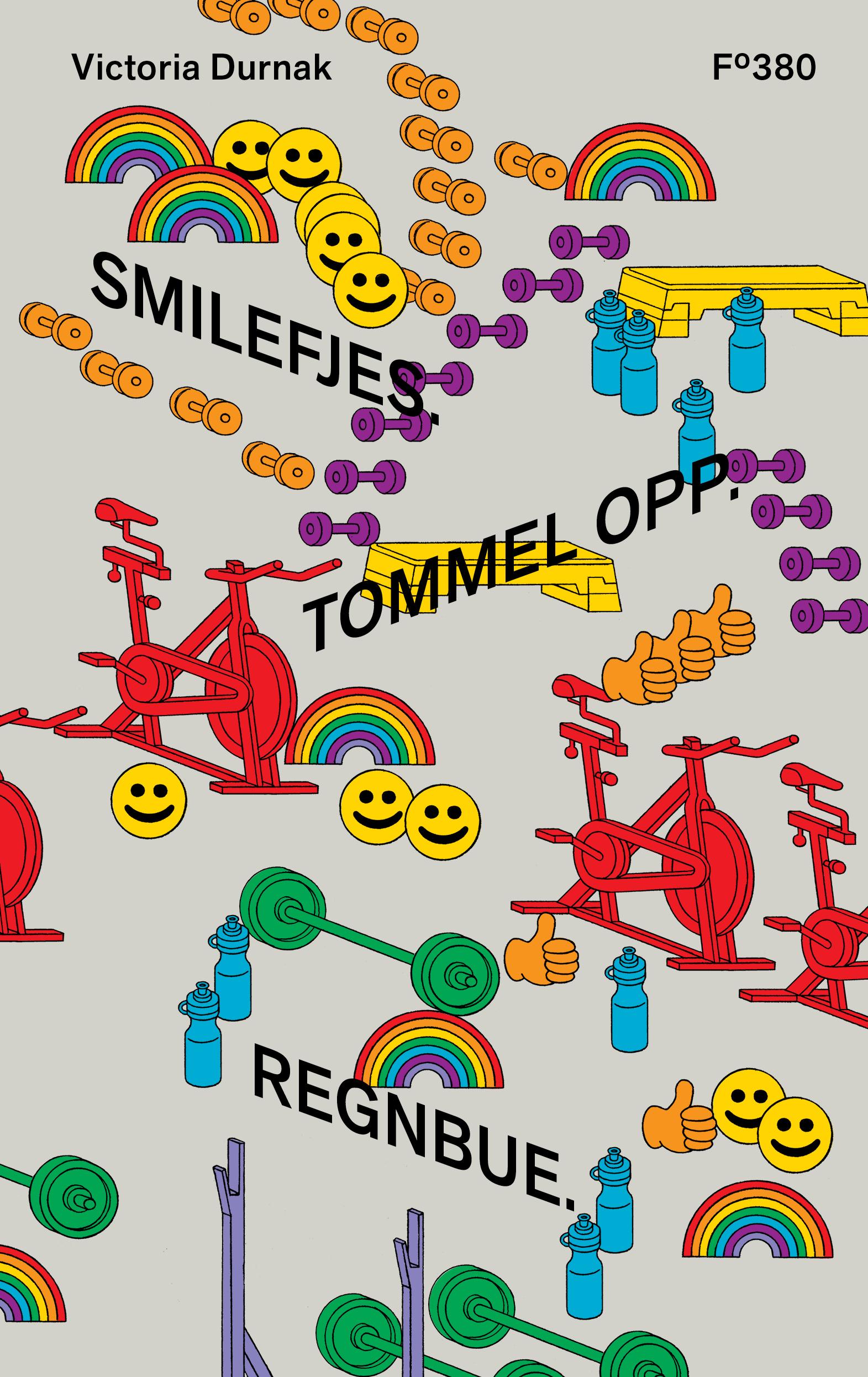
Smiley Face Thumbs Up Rainbow
Literature and Fiction2019 · 152 pp

Smiley Face Thumbs Up Rainbow

Victoria Durnak

Ivana wants so be an actress, but can´t get into the Theatre Academy. Kaja is engaged to a man (Jostein) who is cheating. She contacts Ivana with the following suggestion - that she in one way or another befriends the mistress (Sunniva) and make her end the affair she is having with Jostein. "You could start by becoming a member of the same gym that Sunniva attends, and then take it from there? You will be paid well. And the experience will make you a much better actress - it would actually for sure get you into the Theatre Academy the next time around. I give you 12 months. What do you say?" Friendships are like locker rooms. Some of them are solid, with dimmed lighting and classy interior. Heat in the floor. Nourishing soap in the dispensers. Others are built in the cheapest possible material and have lighting that always make you look your worst.

Rights soldSold to Norway