Gaute Brochmann
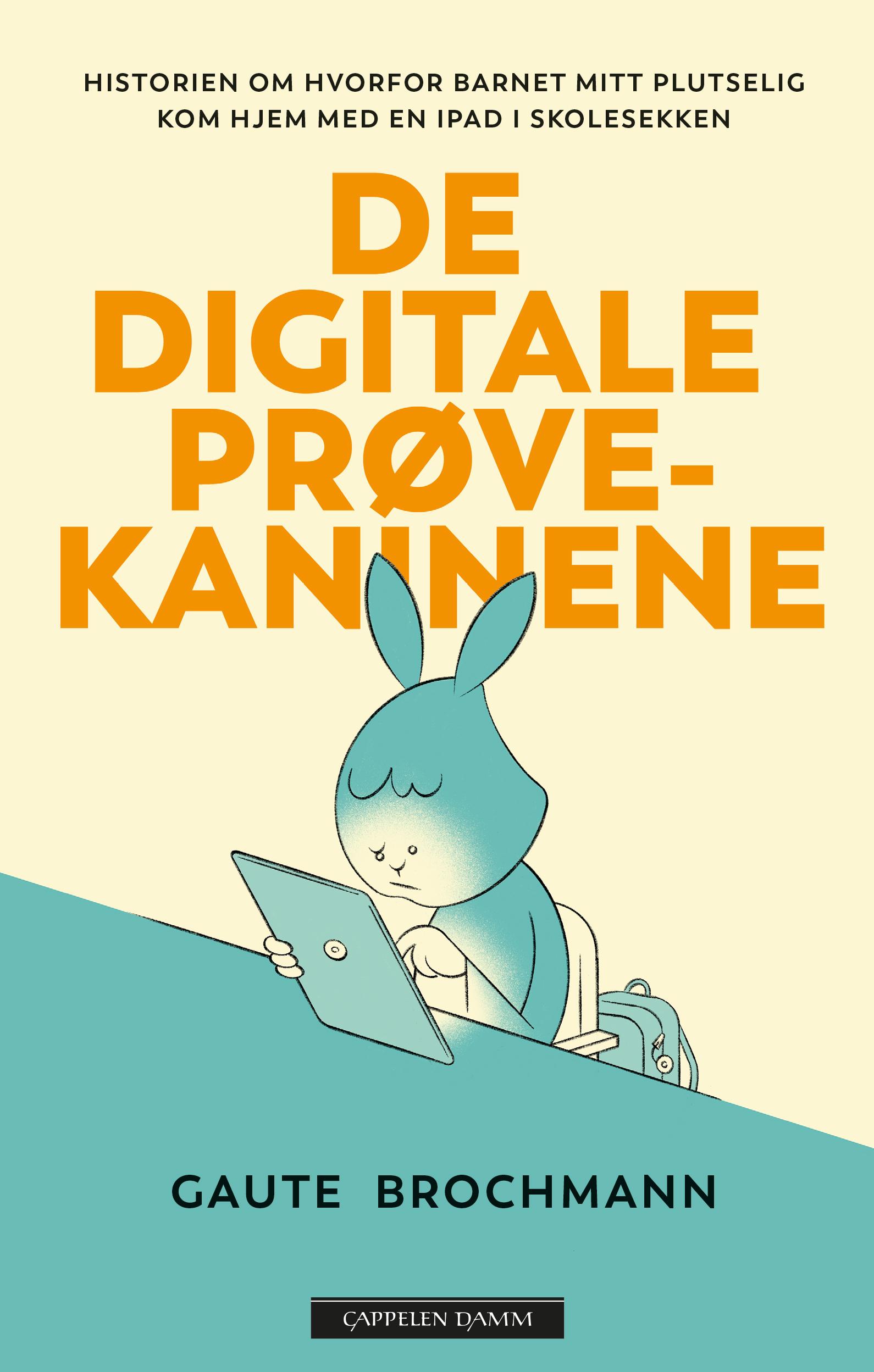
Norwegian society is in the midst of a comprehensive digitalisation process whose front line is primary education. Developments have taken place without research into or examination of the consequences for either education or public health. The compulsory introduction of iPads for children as young as six is happening entirely without parental involvement, debate or any kind of qualified knowledge, claims architect, editor and father of three, Gaute Brochman. Digital Guinea Pigs attempts to trace the history and reasoning behind the choices that are made, to give a status report on the current situation – and to foresee the future consequences of an increasingly digitalised school life. The result is a hard-hitting polemic that will spark heated discussions around dinner tables and force the politicians responsible to answer for their choices. Is it really true that the children of today need more digital expertise? Or is it rather the case that they already possess this expertise and are in sore need of other, complementary skills, such as the capacity for deep thinking and prolonged concentration?
Andreas Engvig
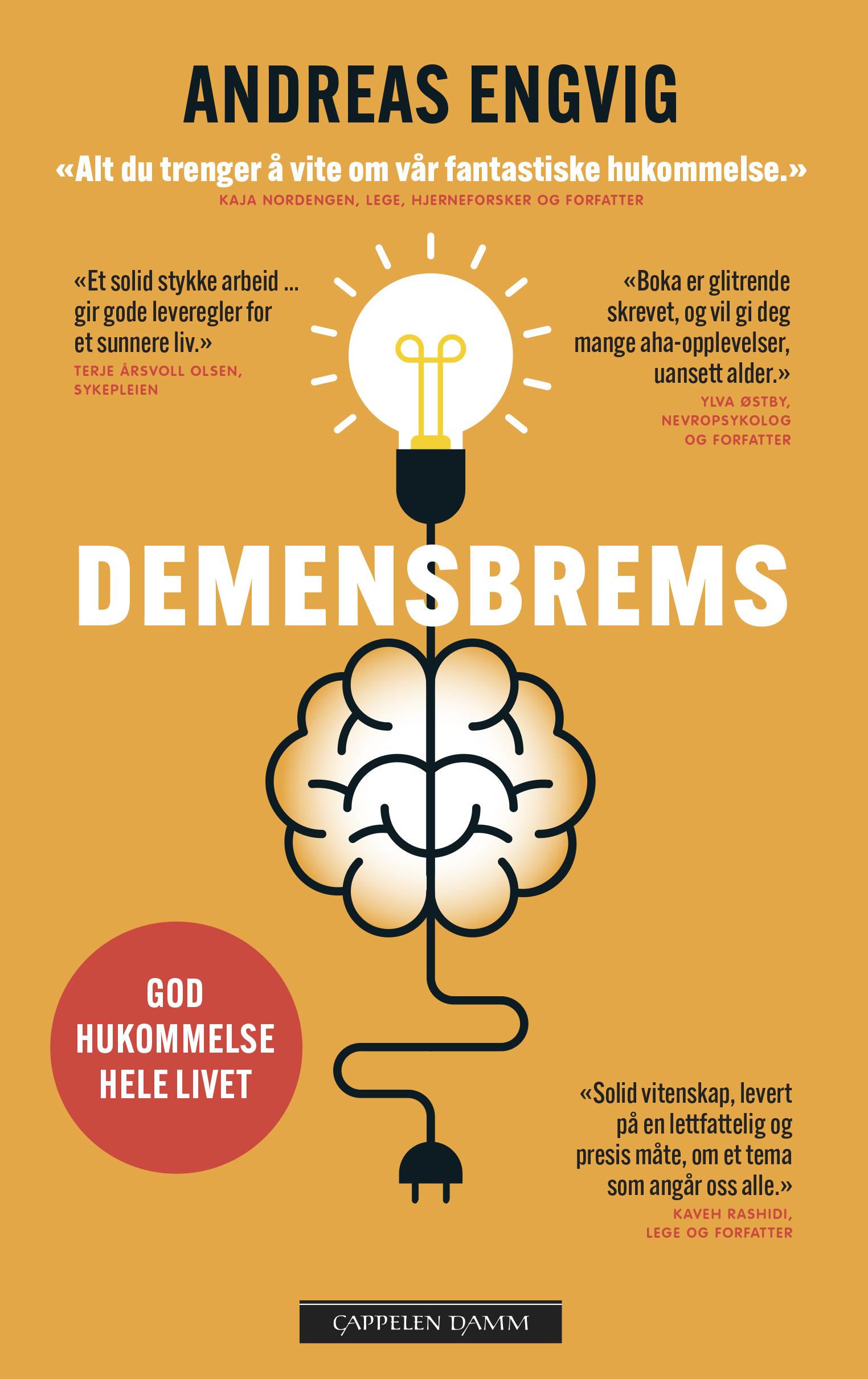
Why is it that some of us have good memories throughout our life whereas others have much poorer memories? In one study 72 per cent of respondents aged 30 to 70 said that fear of memory loss was their greatest source of anxiety about aging. Close to 100,000 Norwegians have age-related dementia and the number is constantly climbing. What if we could influence our biological age and pursue a lifestyle that kept our brain healthy for longer? Age-related dementia implies loss of memory, judgement and the capacity to take care of ourselves. There is no shortcut or magic pill for avoiding dementia, but diseases and lifestyle-related issues such as obesity, diabetes, social isolation, high blood pressure and hearing loss contribute to the development of dementia. The processes that lead to dementia and memory loss arise several decades before the symptoms emerge, so early prevention is crucial. But there is a dementia deterrent! This book contains a three-step method with concrete advice to give you a good memory and keep your brain healthy for longer. Take control of your aging process, prepare your brain and prevent dementia within the boundaries set by your own genes. Learn how you can strengthen your neurons, keep the arteries to your brain healthy and ensure the good maintenance of your brain. You’ll be motivated to adopt habits and take steps that reduce the age-related forms of dementia, and you’ll get a slightly better life along the way because you’ll achieve better brain health. The book sums up all the research about what can affect the development of dementia and how we can maintain a good memory throughout our lives. This is a research-based, practical handbook that will help readers make lifestyle and health choices that will keep their brain healthy for longer. Deterring Dementia is interesting for anyone who are curious about what memory is, and what affects memory. The book conveys in an easy and amusing way the scientific foundation of how you can maintain memory in the best way, as long as you have a healthy brain. The Norwegian National Health Association