FictionNon-fictionChildren's & YAAuthorsAbout us

Representing the authors and titles of Cappelen Damm for translation and adaptation rights worldwide.

Catalogue

  • Fiction
  • Non-fiction
  • Children's & YA
  • Authors

Agency

  • About us
  • Rights catalogues
  • Rights deals
  • News
  • Fairs & events

Get in touch

foreignrights@cappelendamm.no
Stortingsgata 28, Oslo

© 2026 Cappelen Damm AS · Rights & AgencyPrivacy & cookiescappelendamm.no

Narrative non-fiction

Literary fictionCrime & thrillerNarrative non-fictionChildren's & YASelf helpCook booksCrafts & hobbies

Browse

FictionNon-fictionChildren's & YA

Foreign rights

Rights sold

Genre

Children's Books902Literature and Fiction722Narrative Non-fiction336Self Help179Crafts and Hobbies146Mystery and Crime143Cook Books107UpLit82

Published

2025 and newer2020–20242015–20192014 and older

Rights sold to

Clear all filters

336 titles in the catalogue

Narrative Non-fictionClear all
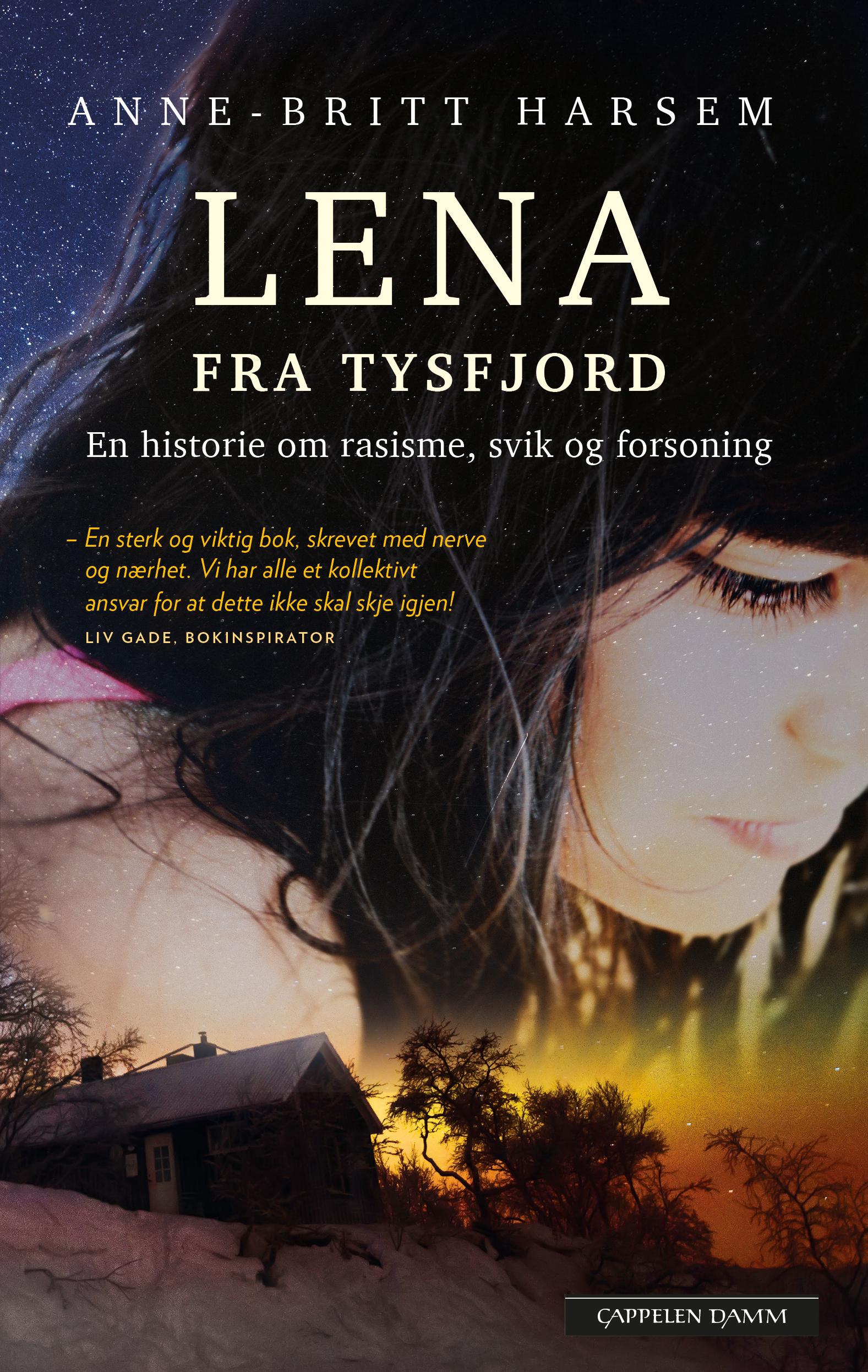
Lena from Tysfjord
Narrative Non-fiction2020 · 192 pp

Lena from Tysfjord

Anne-Britt Harsem

Since news of the extensive cases of abuse in Tysfjord broke, many people have been asking themselves the following questions: ”How could it happen? And how could scepticism towards the establishment persist for generations?” Lena from Tysfjord takes readers one and two generations back in time, giving an insight into what it was like to be part of the Lule Sami community in Tysfjord. Norwegianization policy, racial hatred and racism are just as relevant today as they were in those times for minorities in the Norwegian population. Lena from Tysfjord is the follow-up to The Dark Secret of Tysfjord, in which Liv tells her story. In the new book, the narrative voice is that of Lena, Liv’s mother.

12…141516…2728
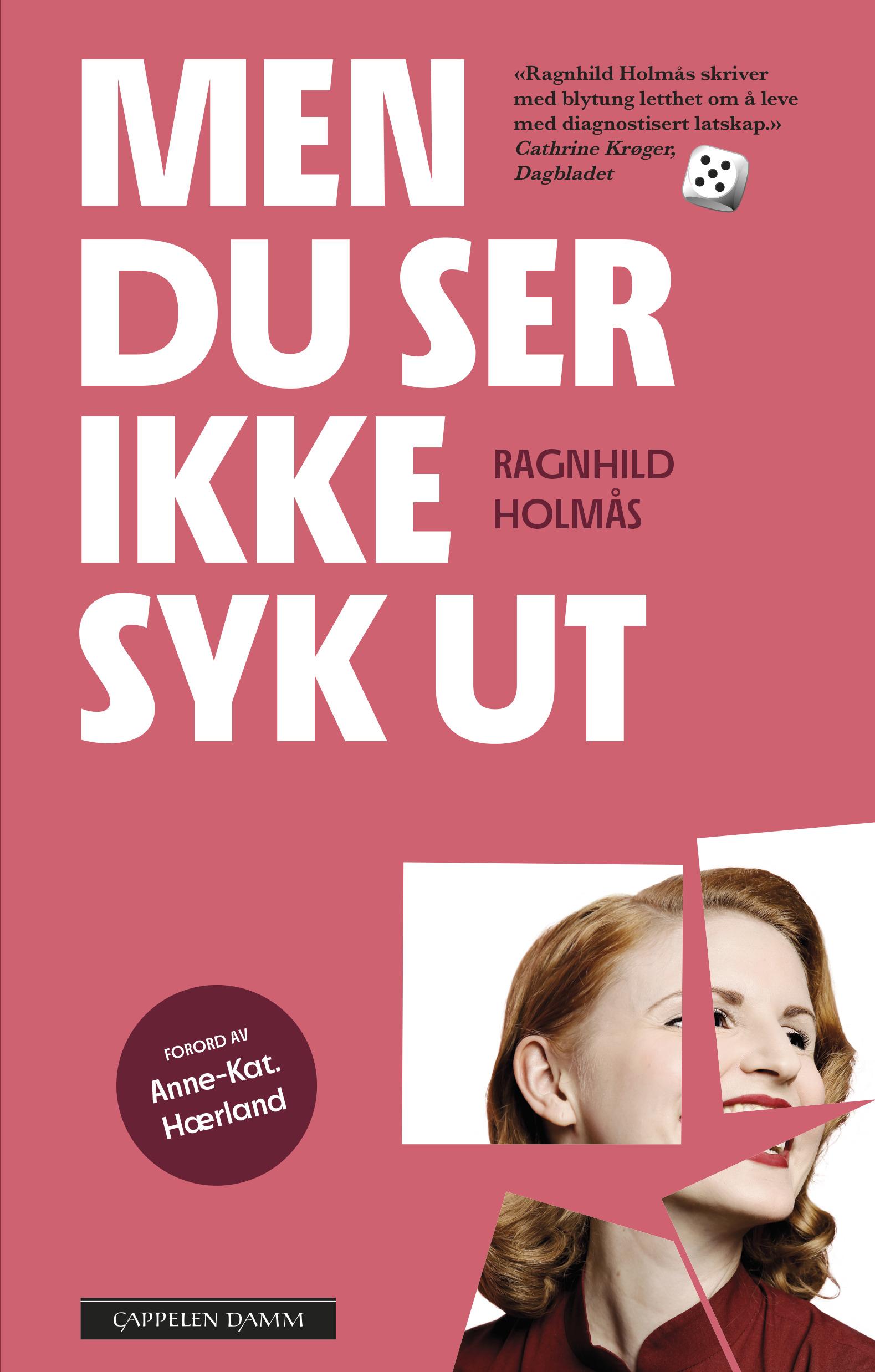
But You Don’t Look Sick
Narrative Non-fiction / Self Help2020 · 240 pp

But You Don’t Look Sick

Ragnhild Holmås

But You Don’t Look Sick is an unusual contribution to the debate around a group that is much discussed but rarely heard from: people living with invisible illnesses. When Ragnhild Holmås fell ill with myalgic encephalitis (ME) as a 23-year-old, she had no idea that her struggle against the disease would be overshadowed by her struggle to be believed. To live with an invisible illness is to live with scepticism – from doctors, from social services, from employers; even from friends and family. Over the period of her illness, Ragnhild moves from denial to acceptance and tries to speak openly about being invisibly ill. Using her own story as a starting point, she investigates topics such as stigma, lack of knowledge, language and identity. Her descriptions may strike a chord with sick people and their relatives, who may also draw strength from the book when they encounter prejudices themselves. People who have dealings with the sick person or have an opinion about them may gain a fresh understanding of what they are going through – as well as tips about how to be their best possible ally. The author writes with a self-deprecating sense of humour, interspersed with pain and seriousness, making free use of creative elements, such as an internal dialogue in the format of an SMS exchange, lists and “prejudice bingo”. The book consists of numerous short vignettes that mirror the limited endurance that results from many chronic diseases. Sucker punching the ScepticsRagnhild Holmås writes with a leaden levity about a life of diagnosed laziness. If anything, this book has humbled me for the next time I meet someone who is chronically ill. If you, like me, are one of many who has a deep-set scepticism towards the ME diagnosis, you should read this book. The most thought provoking aspect of this book is the way Holmås shows us the prejudice and stigma that used to be part of illnesses we now know so much more about.DAGBLADET The invisibly illRagnhild Holmås writes the autobiographical and societally scrutinizing “But You don´t look ill” on behalf of anyone suffering from chronical and invisible illnesses – the way she does. Through airy chapters, with plenty of dark humour in the shape of bingo boards and lists of useful tips, Holmås addresses a history of self–imposed silence.Holmås paints a vivid picture of being referred to as a burden, in a society where two out of three think that people with long-term illnesses should just “pull themselves together”. She does a good job linking the gaze of society with the lack of research in this low status field, and the misguidance of medical language.The book is a meaningful first hand description of the sorrow that comes with the loss of function, and the longing to make others understand a life where every movement has a price, no matter how well you look.AFTENPOSTEN

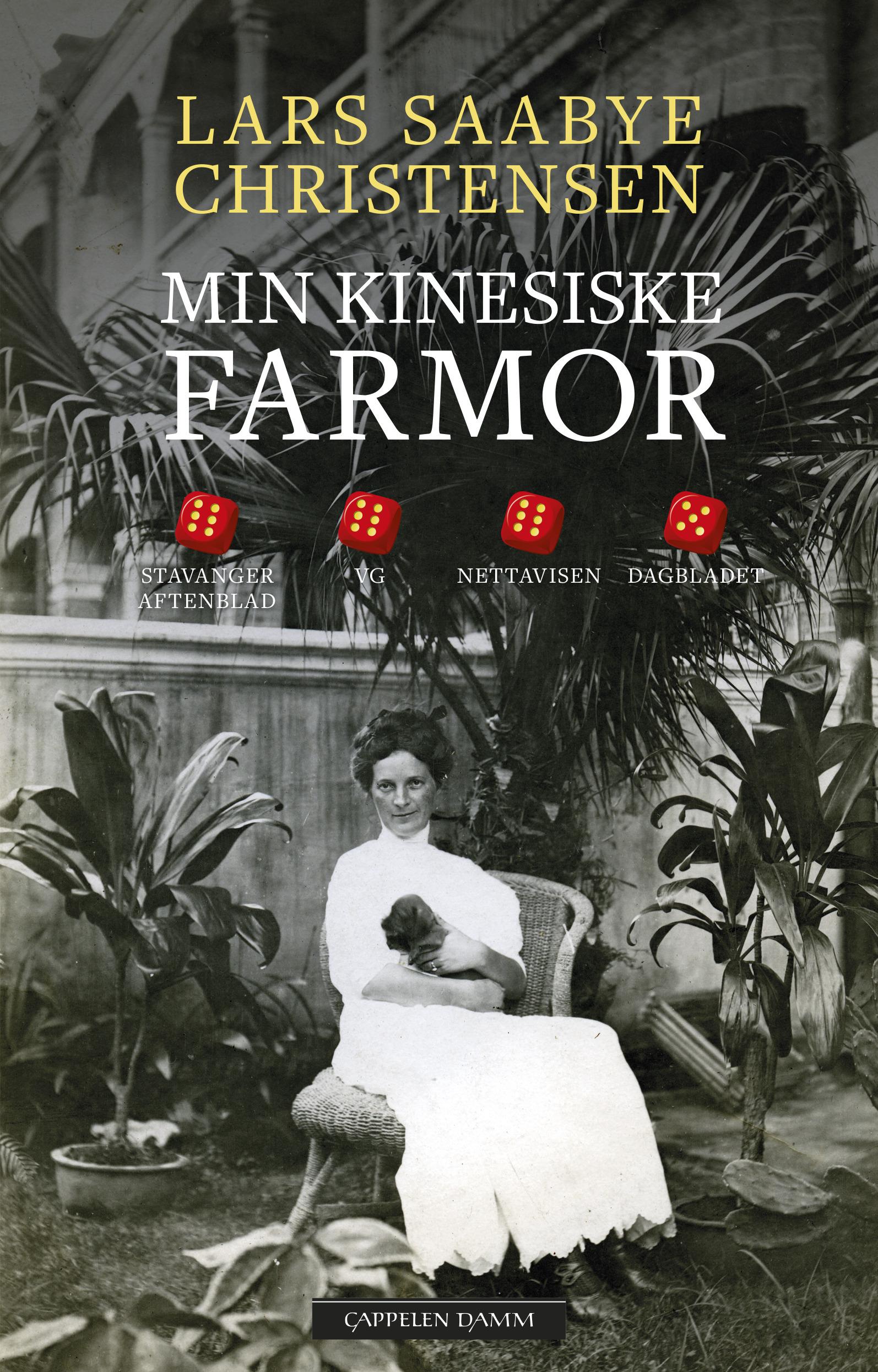
My Chinese Grandmother
Literature and Fiction / Narrative Non-fiction2020 · 176 pp

My Chinese Grandmother

Lars Saabye Christensen

After the first Opium War in 1842, China ceded Hong Kong to the British Empire; after further conflicts and uprisings, the two parties entered into a contract in 1898 whereby the British would lease Hong Kong for 99 years. It is to this British enclave, a trade and seafaring hub, and an international melting pot where East meets West, that Jørgen Christensen travels in 1906. He is on his way to take up a post with Svitzer’s Bjergnings Enterprise. The forward-thinking Copenhagen-based salvage company has set up an office in Hong Kong. A couple of months later, Hulda joins him. Jørgen and Hulda Christensen are Lars Saabye Christensen’s paternal grandfather and grandmother. When his father is on his deathbed, Lars Saabye Christensen asks him about China, and about his grandfather and grandmother’s years in the East. Who were these people he is descended from? What persuaded a young woman from Copenhagen to set out on a long and arduous sea voyage alone? How was their life among the colonials and traders? Lars Saabye Christensen opens up a Chinese box, whose contents are not always what we expect them to be. He has gone through letters and photographs in the possession of his family as well as official documents to painstakingly bring the story to light. In the process, he discovers that the author of fiction cannot help him: in this case, neither imagination nor guesswork can fill in the gaps in the story; he cannot invoke elements that are not already documented in the annals of history. But precisely by remaining true to the documented material, Lars Saabye Christensen sketches a fascinating picture of a time, a family, a couple and an individual, and thereby, also, a compelling picture of our own time – and perhaps also of us and the author himself? «My Chinese Grandmother is a lovely family portrait, as well as a key to the literary universe of Lars Saabye Chistensen. This book is a gem!»VG, six/six stars «Never before has the author written such a penetrating text about his own life, his own family, his own artistry.»STAVANGER AFTENVLAD, six/six stars «Make me understood, asks Saabye Christensen. I am afraid of not being understood, he answers, and he can be completely at ease: he is so definitely understood. Through this concise, precise journey where the grandmother travels from Denmark to China and back to Denmark again via France, and where we gain insight into both her, the rest of the family and Saabye Christensen himself, is both exciting, interesting and at the same time great literature. Truly great literature.»NETTAVISEN, six/six stars «My Chinese Grandmother is a kind of hybrid, a memoir, a family history, a biography and a reflection on the relationship between poetry and reality. But first and foremost, it is a declaration of love to a grandmother he tries to conjure up from the veil of oblivion. It is a heartfelt, beautiful book.»DAGBLADET, five/six stars «With his family history as a compass, Saabye Christensen sets sail and travels east from his safe haven in [Oslo's] western suburbs. He's going far east this time. He's going to find himself on the outer edges of fiction. The result is rich and satisfying.»NRK «The strongest part of the book is the raw descriptions from his father at his deathbed. The most beautiful part is the many questioning investigations in search of the grandparents's history and soul. In both parts he writes with a mix of direct, vulnerable objectivity and a recognisable sense of baroque metaphors.»AFTENPOSTEN «There is much to enjoy in this book. It is marked by exuberance and the joy of writing, but also by sadness over the brutal conditions of life. A small book with great content.»DAGSAVISEN «This little book also proves that Lars Saabye Christensen is an extraordinarily professional storyteller. He has full control of his craft, and of what makes the reader's brain tickle, what makes us read books – can we call it an inner glee?»DN «… the work of a master.»WEEKENDAVISEN (DK «Lars Saabye Christensen’s new book is one you can grow into and keep quoting from, about forgetting, remembering and the passage of time. He himself is perhaps Norway’s most generous and beloved author.»INFORMATION (DK)

Rights soldSold to 3 territories
Stoic - in harmony with nature
Narrative Non-fiction / Self Help2020 · 176 pp

Stoic - in harmony with nature

Jens Oscar Jenssen

Stoically calm explains in an easy way that we have much to learn from stoicism, a philosophy with roots in Greece in the year 300 BC. In ancient Greece stoic philosophy was conveyed in a verbal dialogue between master and apprentice. In the same spirit, the writer invites us to reflect on questions that take us to the core of being human. What is good or bad for a person? What are feelings? What is wisdom? Is there a God, or is there just Nature? Philosopher Jens Oscar Jenssen take us into stoicism with sayings of wisdom, practical exercises and reasoning developed by stoics, and show us how their philosophy of life can be adapted into modern every day life. At the same time he enlighten us in how much we can learn from the stoic way of thinking about topics like Ethics, Science, Religion and Psychology.

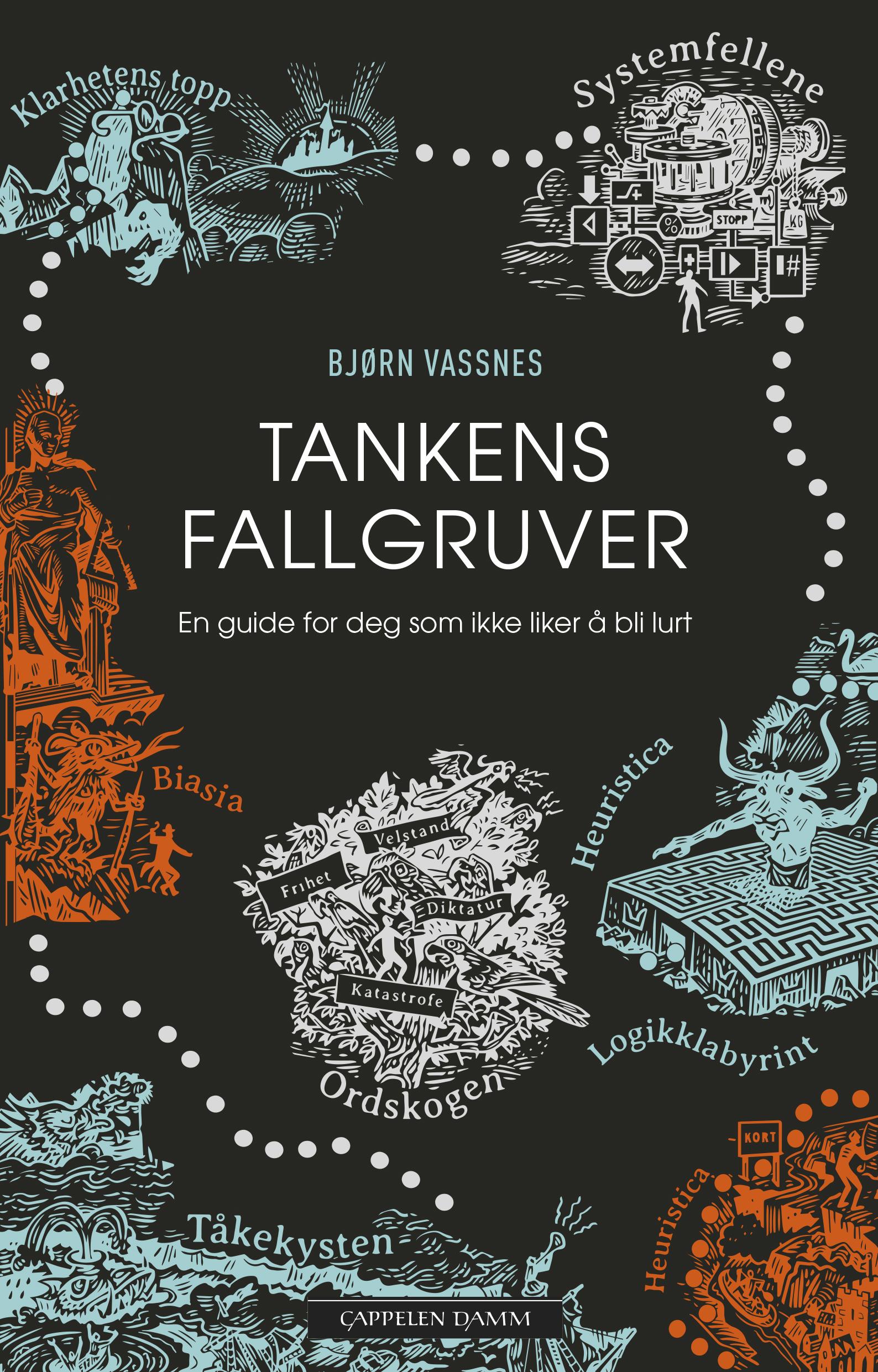
Brain Traps
Narrative Non-fiction2020 · 208 pp

Brain Traps

Bjørn Roar Vassnes

Never before have we had access to so much information – but are we any the wiser? Quite the contrary, many would say, because we have never been exposed to so many lies. But this isn’t just down to fake news and social media. According to science journalist, Bjørn Vassnes, the most important reason why we are taken in lies in us. Thanks to a brain that often takes instinctive short cuts, and therefore often leads us astray, and various ”thought helpers” – thinking technology that we master too poorly (language, numbers, logic) – we lead ourselves time and time again into brain traps. And the new media reality has further increased the pitfalls, making them more difficult to identify. Vassnes’ book is a “travel guide” through this landscape. It makes the traps easier to discover and explains the background to their existence. The book is the first to present all types of thought traps in a single overview, but does so in an easily comprehensible way – like a kind of atlas of thought. The topics are illustrated with readily recognisable episodes from everyday life and more spectacular thought traps that the media and well-known figures have fallen into. It shows how thought traps affect all of today’s most important debates – about the climate, migration, new pandemics, etc – making it difficult to understand what is happening and what we ought to do.

Tutta
Narrative Non-fiction2020 · 432 pp

Tutta

Suzann Pettersen / Arne Jørstad Riise / Bjørge Stensbøl

Suzann "Tutta" Pettersen has been leading the field in one of the World´s largest individual sports for 20 years. In Solheim Cup in 2019 she made the deciding put for Europe against USA and ended her career with a great comeback. She had just become a mother, and it had been over 20 months since she last prepared for and played a great tournament. Still, she was again the best when it mattered the most. Best under maximum pressure. In the course of her Golfing Career, Suzann Pettersen achieved 15 individual victories in the LPGA-tour, and two Major titles. She was ranked in the top ten (mostly in the top 5) of the World ranking of Golf for 436 weeks and has represented Europe nine times in Solheim Cup. In 2020 she received The Honorary Award at the Norwegian Athletics Gala, and she is a lifetime ambassador for NIKE. In 2012 she played her very best Golf and was at the hight of her career. She was ranked second in the World ranking and was just about to take the final step up to the top. Instead, she was once again injured, an injury that could have stopped her from playing professional Golf. And still she managed to do a comeback. What is it that makes her so mentally strong that she could return to the top again and again, and preform on a high level in Golf for 20 years?In this book the extreme winner tells the stories about the games on an international top level, and life off the Golf course. When I played with Tutta I always loved how she carried herself on the golf course. Strong body language with calmness, and spirit of the game … Playing on tour with her is one of my greatest memories.AI MIYAZTO I have known Suzann for over 20 years. She has always been a fierce competitor and lot of fun. Some of my best Solheim memories are with her, including our comeback at Barsebäck.ANNIKA SØRENSTAM In my 35 years working with Tour Pros, both men and woman, Suzann is at the top of my list in talent, dedication, passion and work ethic. She is one of the best professionals I have ever been lucky enough to work with. BUTCH HARMON Suzann is someone I would always want on my side, picking her for Solheim 2019 was a no brainer. I couldn`t think of anyone I`d rather have fighting for you down the last few holes. CATRIONA MATHEW Suzann Pettersen, a great competitor, a loyal, and a lot of fun to be around, unless you are going down the stretch with her.LAURA DAVIS Suzann is probably the greatest athlete ever to come out of Norway. I rank her at the top, as we have not seen anyone else who has been even close to her achievements in an individual World Sport.Kjetil André Aamodt - retired World Cup Alpine Ski Racer

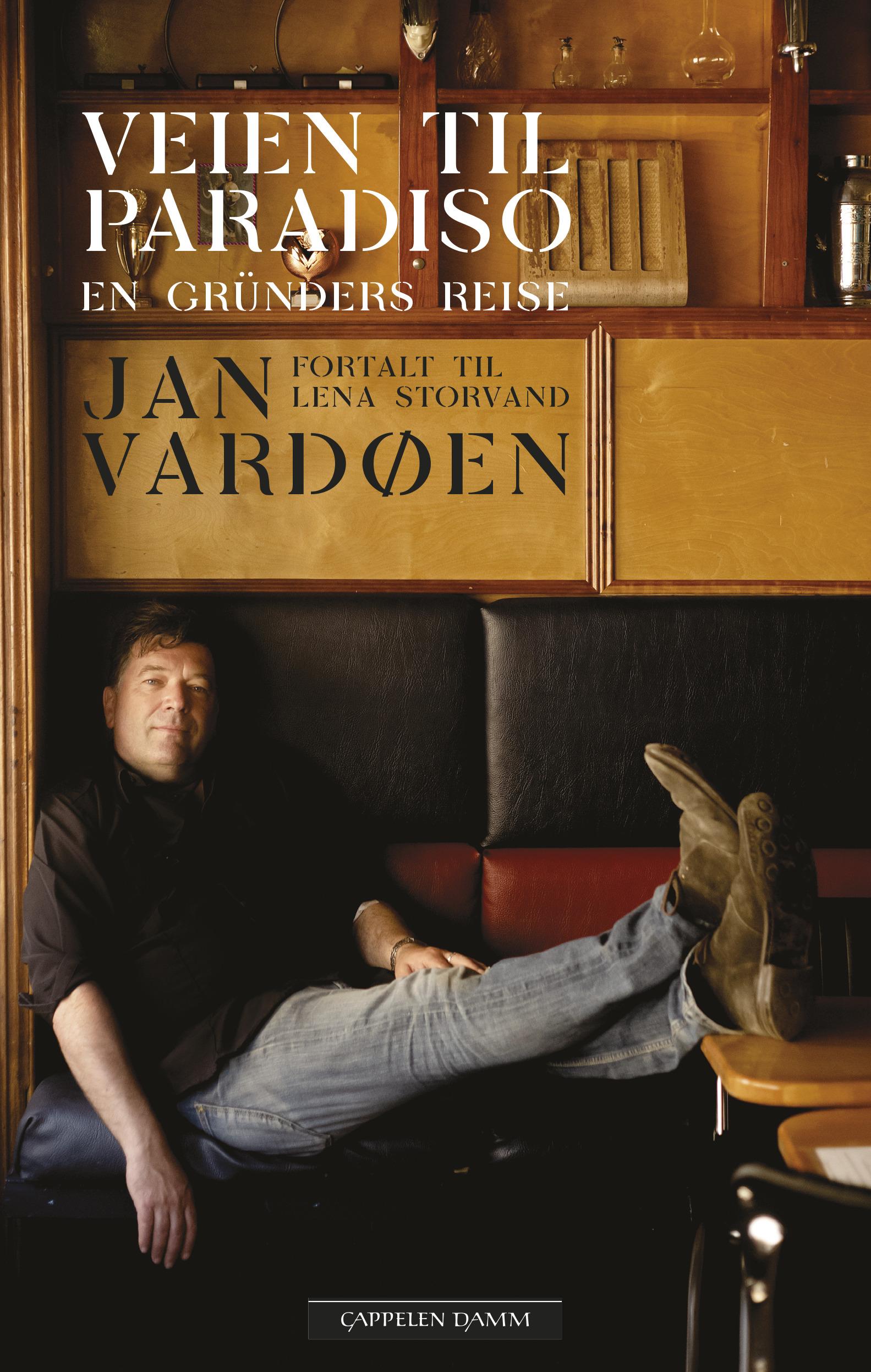
The Road to Paradiso
Narrative Non-fiction2020 · 176 pp

The Road to Paradiso

Jan Vardøen / Lena Storvand

In The Road to Paradiso Jan Vardøen tells the story of how a rootless young British boy ended up as one of Norway’s leading restaurateurs. A story that begins with dishwashing in a ramshackle London restaurant, takes a detour via a boat-building course and bar jobs aboard a storm-tossed Hurtigruten cruiseship, and ends with a slap-up meal at a table of the restaurant the owner has put his heart and soul into.

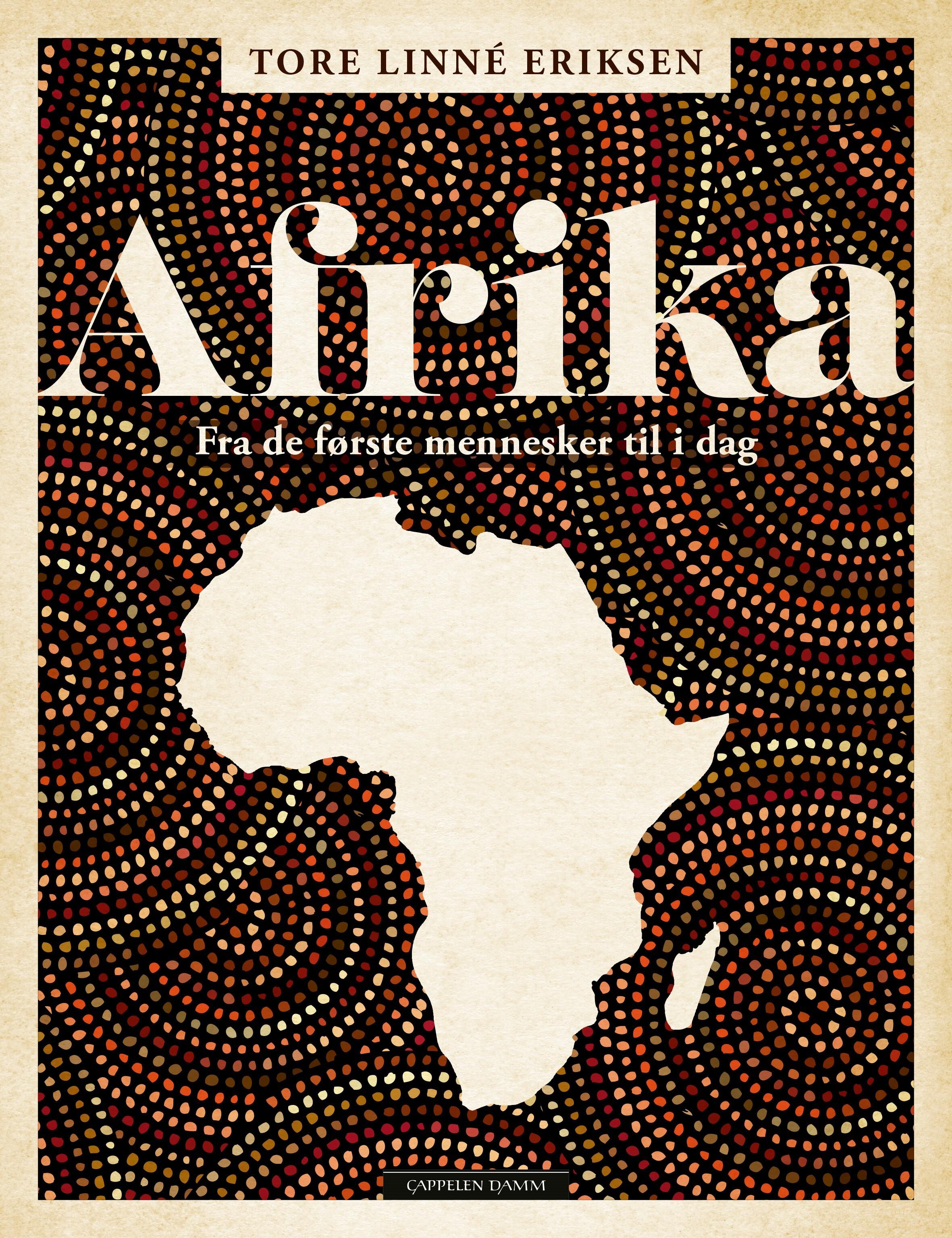
AFRICA
Narrative Non-fiction2019 · 392 pp

AFRICA

Tore Linné Eriksen

No continent has been populated by humans as long as Africa has, and in this book we are taken on an exciting journey, stretching from the first hunter-gatherers to the present day. The author presents up-to-date knowledge and new perspectives, highlighting Africa's contribution to our shared global history. The book is richly complemented with pictures and maps, and is aimed at both students and wider audiences. “It shouldn’t be possible to tell the history of Africa from the first humans to the present day in one book. But that is exactly what Tore Linné Eriksen has done. I believe that everyone who is, in their own way, interested in this enormous continent will find great joy delving into Africa. In addition to everything else the book has to offer, we also find an updated and extensive bibliography where the author refers to a great number of books, not least written by African authors.”Jon Magne Lund, Vårt Land (Norway)Norwegian writes about Africa in a lively and insightful way“Eriksen has now collected his impressive knowledge in his book Africa: A Complete History […] It deserves to have many readers in Denmark as well.”Klaus Winkel, globalnyt.dk (Denmark)“With an extremely successful intertwining of stories, Tore Linné Eriksen criticises dystopian portrayals of Africa […] Africa is changing and this is therefore all the more reason to read about Africa’s past and present once again – like Tore Linné Eriksen has done in this wonderful, wide-spanning book intended for the general interested reader.”Bjørn Enge Bertelsen, Klassekampen (Norway)“Africa: A Complete History is a truly glorious book to have lying out. It mustn’t be placed in an office bookshelf, but by the sofa, where grandchildren disturb the peace during calm Sunday dinners by asking questions and demanding attention: The book is a door-opener, with its many short, thematic stories which can inspire us to dig deeper […]”John Y. Jones, Ny Tid (Norway)“[The book] is extremely reader friendly. The language is simple, and the text is rich with well-titled sub-chapters and insightful figures and tables. The publisher has allowed space for pictures of art and photographs of its political development to be used richly. Africa: A Complete History is simply a beautiful, colourful book which has the potential to interest a lot of people.”Randi Rønning Balsvik, nordnorskdebatt.no (Norway)“Tore Linné Eriksen’s history of Africa is a triumph of a book […] When compressing a million years of history between two covers, in a book of scarcely 400 (large) pages, there is a danger of resorting to listing things. But Eriksen also has time for explanations and detours, to reports of individual people, cultural movements and reflections on the subject of history. Eriksen truly does paint a rich and complex picture of Africa […] deserves to remain a go-to piece of writing for many years.”Andreas Viestad, Morgenbladet (Norway)Brilliant textbook about the history of Africa“[…] Linné Eriksen argues well and convincingly for his approach to how the history of Africa can be written. In the introduction “Is it possible to write the history of Africa”, he is by far reviewing his own book. The author does not fall into old Marxist rhetoric on economic profit and neo-liberalism as the most important explanation for the lack of development. In addition, he contributes to giving nuances to the points of view of both Afro-optimists and Afro-pessimists. […] This book should be compulsory for everyone who is studying, is interested in, or is travelling to Africa.”Terje Vigtel, Bistandsaktuelt (Norway)“A superb “complete history” which depicts Africa’s variation in vegetation, culture and politics – richly illustrated with maps and diagrams. […] It is difficult to do the book justice in a short review, so let me say right away that this book is written for a general readership, and that it is extremely good. This “complete history” is told through a shrewd combination of geographic, historic, linguistic, biologic, social, economic and political perspectives, with rich content and a good flow.”Kjetil Vikene, Forskerforum 1/2020 (Norway)“Tore Linné Eriksen argues in an informal and not-at-all polemical way that there are few reasons to still be Eurocentrics. We all come from Africa anyway. […] With pictures, text boxes and pie charts, Africa does unavoidably have a certain textbook-characteristic, but in that case the book is at the top of its genre. Every caption is thought-out, and it isn’t bad to be shown how small a share of the cake an African farmer gets for a thirty-kroner cup of coffee in London (14 øre). […] With his book, Tore Linné Eriksen has proven that it is entirely possible for a general reader to find a shortcut into everything they didn’t know they wanted to know about Africa.”Knut Hoem, nrk.no (Norway)
Rights soldSold to Serbia
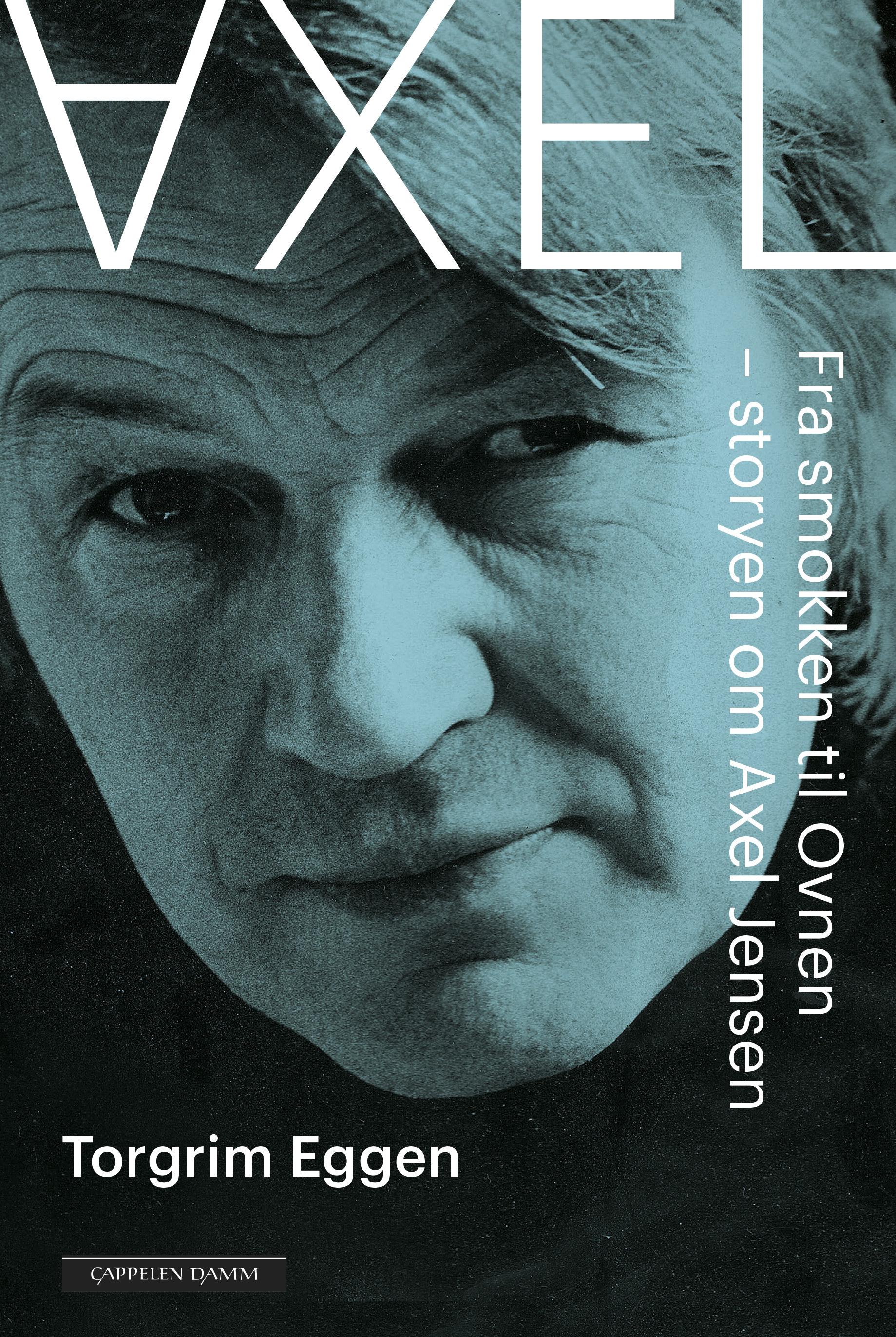
Axel Jensen
Narrative Non-fiction2019 · 624 pp

Axel Jensen

Torgrim Eggen

Author Axel Jensens life was an amazing, chaotic and mythical adventure. Torgrim Eggen has as the first one ever written a biography about Jensens remarkable artistic life - from birth until his death in 2003. WINNER OF THE BRAGE PRIZE FOR BEST NON-FICTION IN 2019 This book is cheeky, wild and strikingly beautiful in an ugly way. BOK 365 ****** Profound biography about a brilliant assholeTorgrim Eggen has achieved something remarkable with this biography; it has been a shaking and entertaining journey through the life of this genius rascal.ADRESSEAVISA ****** Masterly about Axel Jensen An engaging story, linguistically playful with an impressive scope. FÆDRELANDSVENNEN ******

Better to just shut up!
Narrative Non-fiction2019 · 160 pp

Better to just shut up!

Frank Rossavik

A Small book about the freedom of speach crisis.Frank Rossavik is a journalist, writer, editor and commentator in the Norwegian press. In this book he asks the question: Is Freedom of Speech as we know it – one of the foundations of modern democracy – under a pressure that we have yet to see the consequences of? Rossavik has been following the development in the public debate with a special focus on self-censorship, and how we now have almost rock solid agreements on what you can and cannot say in public. With this book he delivers his points on why we need a more open and free room for debate in the world.

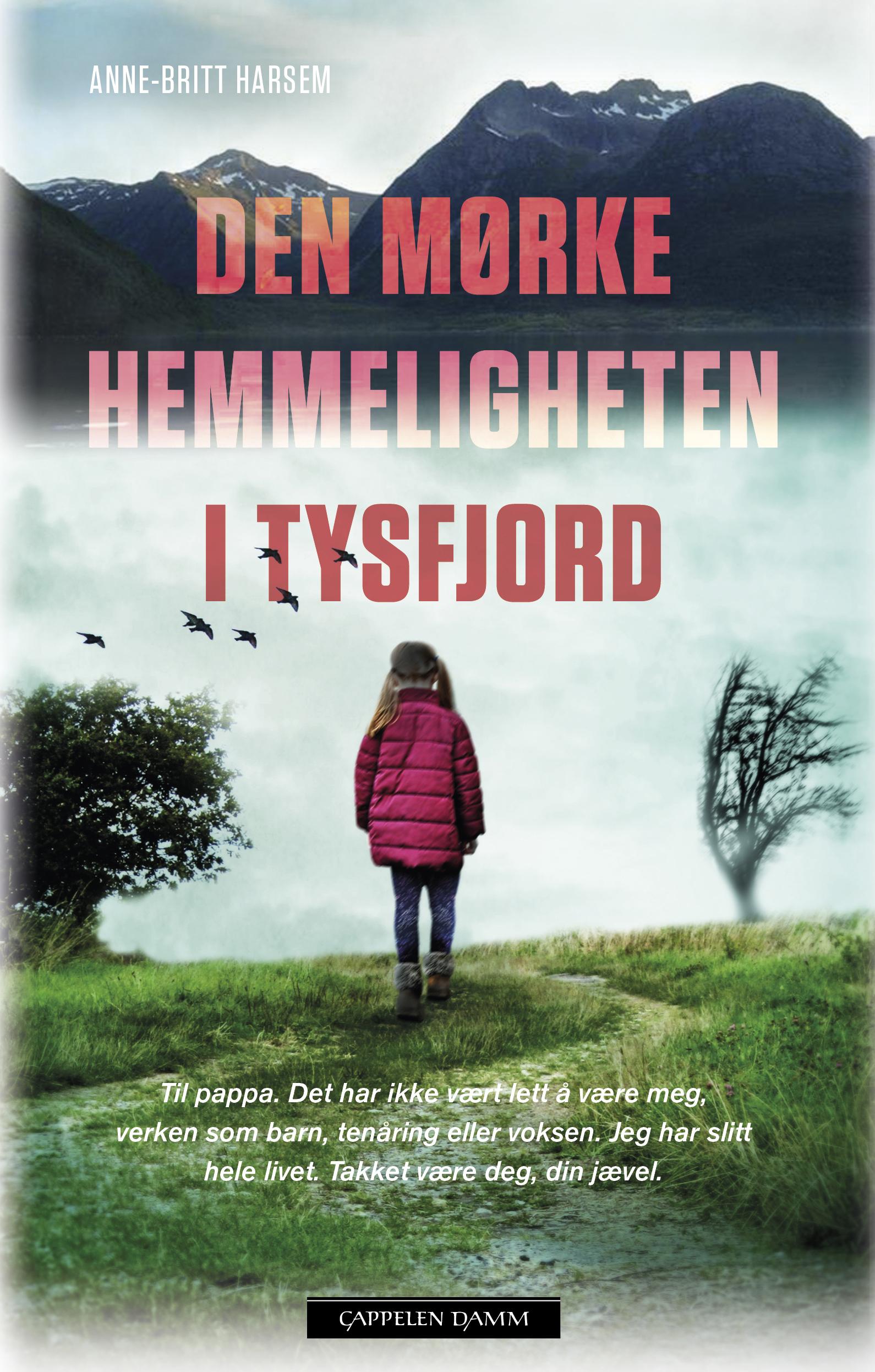
The dark secret in Tysfjord
Narrative Non-fiction2019 · 224 pp

The dark secret in Tysfjord

Anne-Britt Harsem

In 2016 eleven women and men in Tysfjord stood forth in media to tell about sexual violations. The police investigation revealed a total of one hundred and fifteen cases of sexual violations, most of them with connections to the lule sami environment in Tysfjord. This is the story of how a community could fail in such a way, told by the victims. It is a story of the responsibilites adults have for children, and the old conflict between the big community and smaller, closed environments.

Rights soldSold to 3 territories
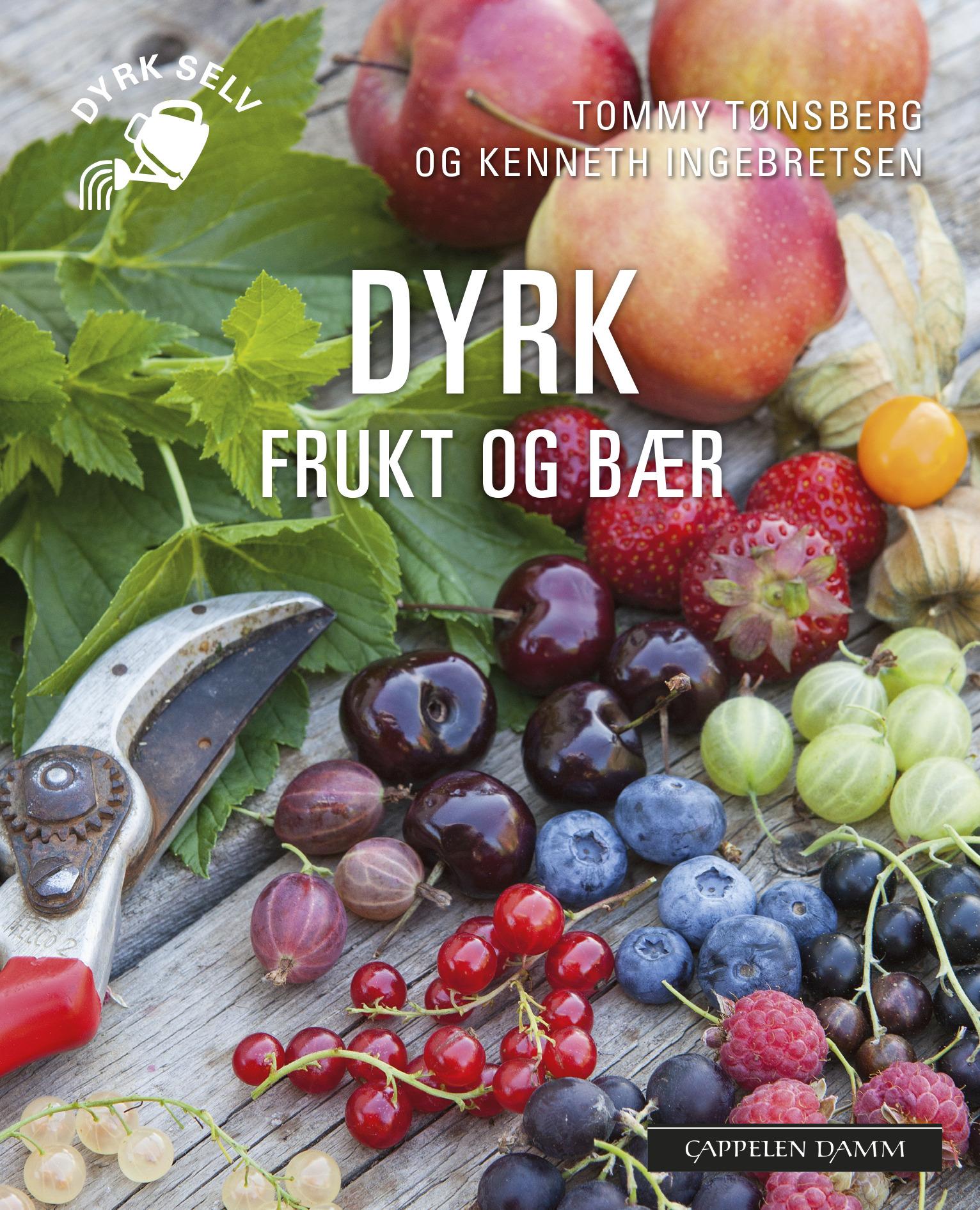
How to grow fruits and berries
Crafts and Hobbies / Narrative Non-fiction2019 · 104 pp

How to grow fruits and berries

Kenneth Ingebretsen / Tommy Tønsberg

HOW GROW FRUIT AND BERRIES Do you dream of growing fruit and berries? Here are some tips and inspiration to grow your favourite crops, whether you prefer apples, plums, blackcurrants or currants, or more exotic fruits like apricot, peach and mini kiwi. You don’t need a large garden to grow fruit and berries, some varieties thrive well in little space. Good advice on selecting varieties, placement, planting, fertilizing and pruning makes it easy to succeed in cultivation.