FictionNon-fictionChildren's & YAAuthorsAbout us

Representing the authors and titles of Cappelen Damm for translation and adaptation rights worldwide.

Catalogue

  • Fiction
  • Non-fiction
  • Children's & YA
  • Authors

Agency

  • About us
  • Rights catalogues
  • Rights deals
  • News
  • Fairs & events

Get in touch

rights@cappelendamm.no
Stortingsgata 28, Oslo

© 2026 Cappelen Damm AS · Rights & AgencyPrivacy & cookiescappelendamm.no

Narrative non-fiction

Literary fictionCrime & thrillerNarrative non-fictionChildren's & YASelf helpCook booksCrafts & hobbies

Browse

FictionNon-fictionChildren's & YA

Foreign rights

Rights sold

Genre

Children's Books902Literature and Fiction722Narrative Non-fiction336Self Help179Crafts and Hobbies146Mystery and Crime143Cook Books107UpLit82

Published

2025 and newer2020–20242015–20192014 and older

Rights sold to

Clear all filters

336 titles in the catalogue

Narrative Non-fictionClear all
The Gateway to the North
Narrative Non-fiction2026 · 190 pp

The Gateway to the North

Dag Kullerud

It is an interesting paradox that Norwegians and Danes cross each other's borders millions of times a year, yet knowledge of each other seems to be diminishing. Dag Kullerud has reflected on this for four decades, and his observation is clear: The distance is growing, and knowledge is disappearing. In Norwegian media, Denmark is often associated with holidays, Copenhagen, Legoland, beer and red sausages. We rarely see mention of the country's history, the community we have, or current politics. This can lead to a somewhat limited image of our neighbor to the south. The Gateway to the North is an invitation to greater understanding. Dag Kullerud's book is an attempt to bridge this gap. Instead of accepting the distance, Kullerud invites us to a journey of discovery across established notions. The book explores questions such as: Why do we primarily travel to Northern Jutland, but overlook Southern Denmark? What significance do the areas south of the Kongeåen – the Wadden Sea coast, South Jutland – have for our common history? Here you will find unique stories about war and culture, and about the commitment of Norwegians to the Danes during the turbulent times of the 19th century. The Gateway to the North functions as both a travel guide and a history book, with a focus on hidden places and translated stories. Along the way, the author reflects on an important question: Can a deeper knowledge of each other help revive Nordic cohesion in a new era? Welcome to a journey that can broaden your view of Denmark and our common Nordic heritage.

1234…2728
One The Edge of the Abyss
Narrative Non-fiction2026 · 720 pp

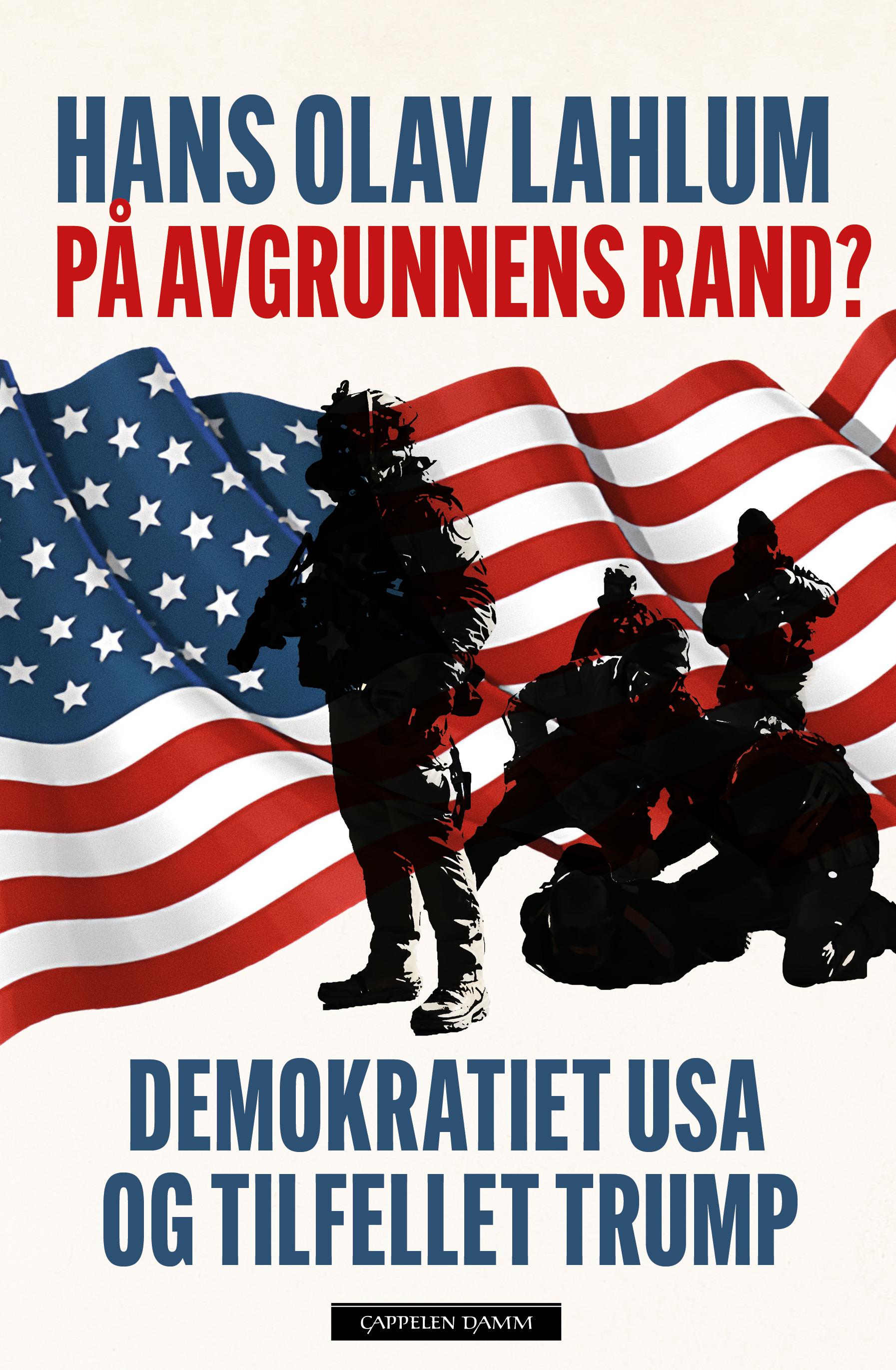
One The Edge of the Abyss

Hans Olav Lahlum

In this book, author and historian Hans Olav Lahlum explains and analyzes the situation in a deeply divided United States, a year and a half after Donald Trump’s major comeback as president – and just months before highly critical midterm elections. President Trump is portrayed by his opponents as an existential threat to democracy and the rule of law. Meanwhile, his supporters depict him as a long-awaited and necessary savior. Hans Olav Lahlum presents an accessible account of the history of democracy and the rule of law in the United States. The book explains the road leading to the current state of affairs and discusses the outlook for the coming years. As part of this analysis, the evolution and current state of both the Democratic and Republican parties are examined. The United States’ current position in the global community is also discussed in light of the legacies of past presidents. Furthermore, the final chapters of the book explore the role of Vice President Vance and the future prospects of the MAGA movement. Is American democracy truly teetering on the brink of the abyss—and are we witnessing the end of the global leadership role the US has held in the West ever since World War II?

Russians on Svalbard
Narrative Non-fiction2026 · 224 pp

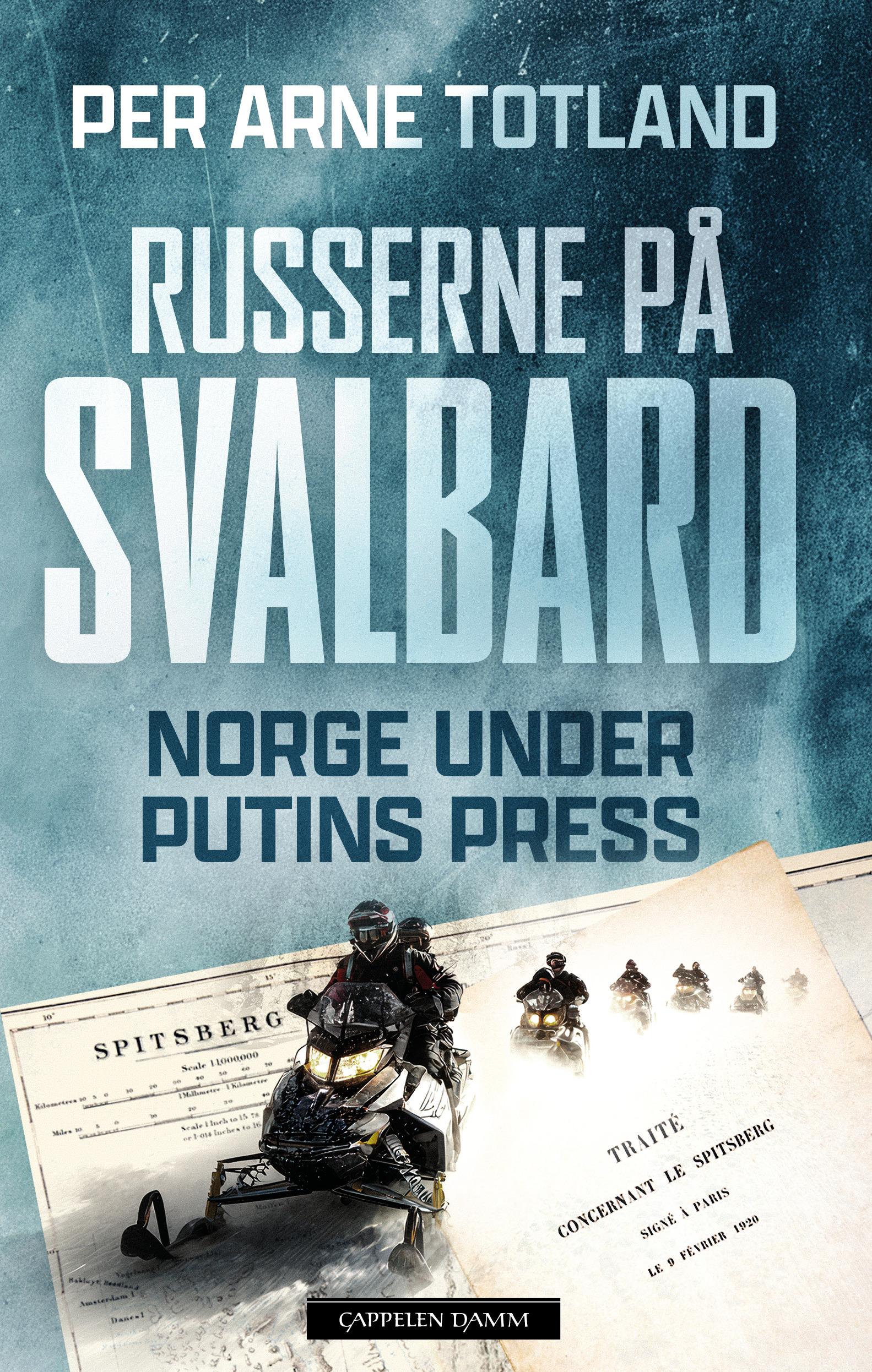
Russians on Svalbard

Per Arne Totland

The hybrid war over Svalbard is in full swing. For almost a hundred years, there have been Russian settlements on the Norwegian archipelago, but never before has the Russian-Norwegian neighborhood at 78 degrees north been more challenging. Russia's strategy for Svalbard is currently being controlled from the top in Kremlin, and it is more offensive than ever. The Russian presence in this part of Norway is to be strengthened. For the first time, extremely wealthy Russian oligarchs are being encouraged to invest in Svalbard. And for the first time, countries such as China, India, Brazil and Iran are being invited to be Russia's partners on Norwegian territory. Norwegian control and authority over Svalbard is being challenged. The more than a hundred-year-old Svalbard Treaty, which gave Norway sovereignty over the archipelago, is being used as a weapon against Norway. Behind this lies the increasingly threatening geopolitical situation between Russia and the West. In the event of a military conflict in the Arctic, Svalbard will be in the middle of the fire. Russians on Svalbard shed light on Russian Svalbard policy under Vladimir Putin, and how it has become more aggressive after the full-scale invasion of Ukraine. The book analyses the consequences this has for Norway's most vulnerable territory.

Victory or Death!
Narrative Non-fiction2026 · 362 pp

Victory or Death!

Thomas Aune / Aleksander Schau

Victory or Death! is the book that reminds you why you fell in love with the World Cup in the first place. With wit, passion and a sharp eye for the absurd, Thomas Aune and Aleksander Schau dive into ninety-five years of football’s greatest theatre – from the glorious to the ridiculous. This is not a book about tactics and formations, but about everything that makes the World Cup larger than sport itself: mafia threats and dictators, vanishing trophies and divine heroes. From Pelé and Maradona to the forgotten anti-heroes of the game, Victory or Death! captures the madness, mythology and magic that have defined the world’s biggest sporting event. Told with humour, knowledge and infectious enthusiasm, it’s a love letter to football and to all its beautiful flaws.

The Finals
Narrative Non-fiction2026 · 240 pp

The Finals

Eirik Grasaas-Stavenes

A travelogue of a tournament under pressure and a nation in crisis. Yes, we loved America. During the 1994 World Cup, eight-year-old Eirik Grasaas-Stavenes hung a poster of the bohemian American center-back Alexi Lalas on his bedroom wall. America represented freedom, democracy, and dreams. Thirty-two years later, the tournament is once again hosted on American soil, Norway has qualified for the first time since 1998, and Grasaas-Stavenes – now a US correspondent for the Norwegian daily Klassekampen – returns to a superpower where everything has been turned upside down. The country we once looked up to has become a threat to Norway and Europe. Lies have been exposed, old heroes have faltered, and Alexi Lalas has become one of Donald Trump's loyal supporters. What had happened to the country so many Norwegians loved? What kind of America was Norway returning to? And through football, could one find not just warnings of how terribly wrong things could go, but also hope and solutions to save our own democracies and communities? Eirik Grasaas-Stavenes has covered the United States for fifteen years. In this travelogue, written leading up to and during the World Cup in the US, he tracks down old heroes, maps out the concentration of power among oligarchs, and depicts the rise of economic inequality that threatens what was once considered the world's most powerful democracy. Yet on his World Cup journey, he also finds resistance, hope, and historic political shifts that could change both the United States and the entire world forever.

Trauma – The Price We Pay to Survive
Narrative Non-fiction / Self Help2026 · 208 pp

Trauma – The Price We Pay to Survive

Mari Kjølseth Bræin

When safety is lost, survival takes over. We adapt by becoming invisible, controlled, strong on the outside while turmoil brews within. These adaptations help us endure, but they come at a cost: tension in the body, self-blame, shame, and the persistent feeling of never being truly safe, even when the danger is long gone. In Trauma – The Price We Pay to Survive, clinical psychologist Mari Kjølseth Bræin explores how attachment wounds and trauma shape the brain, body and nervous system and how we can begin to heal. With warmth and clarity, she shows how early experiences of fear, neglect, or broken bonds continue to echo through adult life, influencing our choices, our relationships, and the way we see ourselves. This is a book about how we survive and how, slowly, we can learn to live again.

The Spruce Forest Above All
Narrative Non-fiction2026 · 344 pp

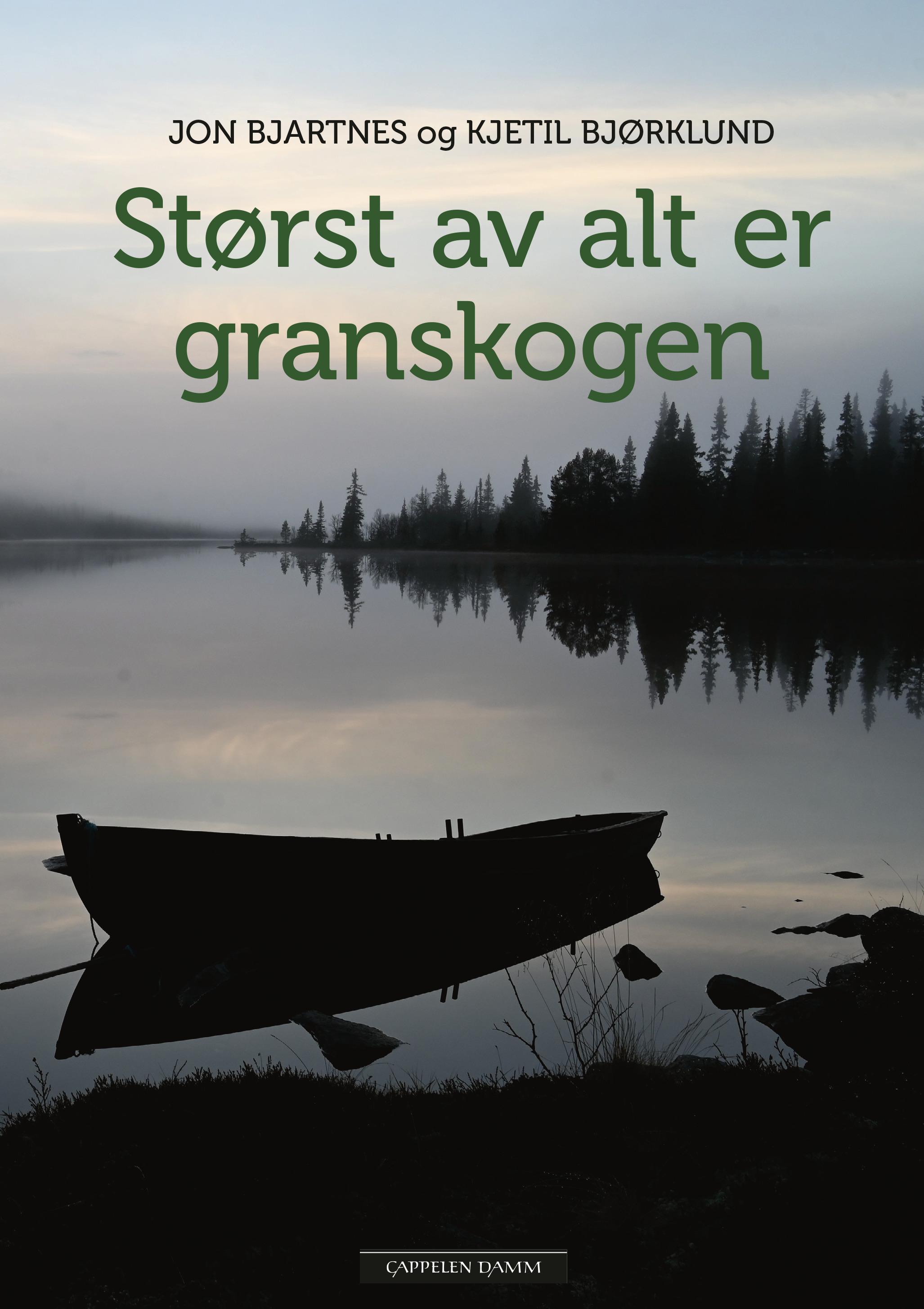
The Spruce Forest Above All

Jon Bjartnes

Have you ever truly paused to feel the pulse of the forest? To the silence that calms, and the scent of spruce needles that awakens the senses? This is a personal account of the forest's tranquility. Through fascinating stories, untold historical traces, and new research, this book reveals the complex and mutual bond between humanity and the forest. You'll learn not just how we use and preserve it, but why this relationship is more crucial than ever. Meet people whose lives are inextricably linked to the forest: whether they are berry pickers, hunters, loggers, childhood explorers, researchers, conservationists, or simply dreamers – they are all part of the forest's infinite network. These are stories that will move and inspire you. Bjartnes insightfully writes about major global challenges like the climate crisis and conservation, all the way to the deepest personal peace of mind. He shows why the forest is more than just a resource; it is a living, breathing sanctuary that gives life to both the planet and your soul.

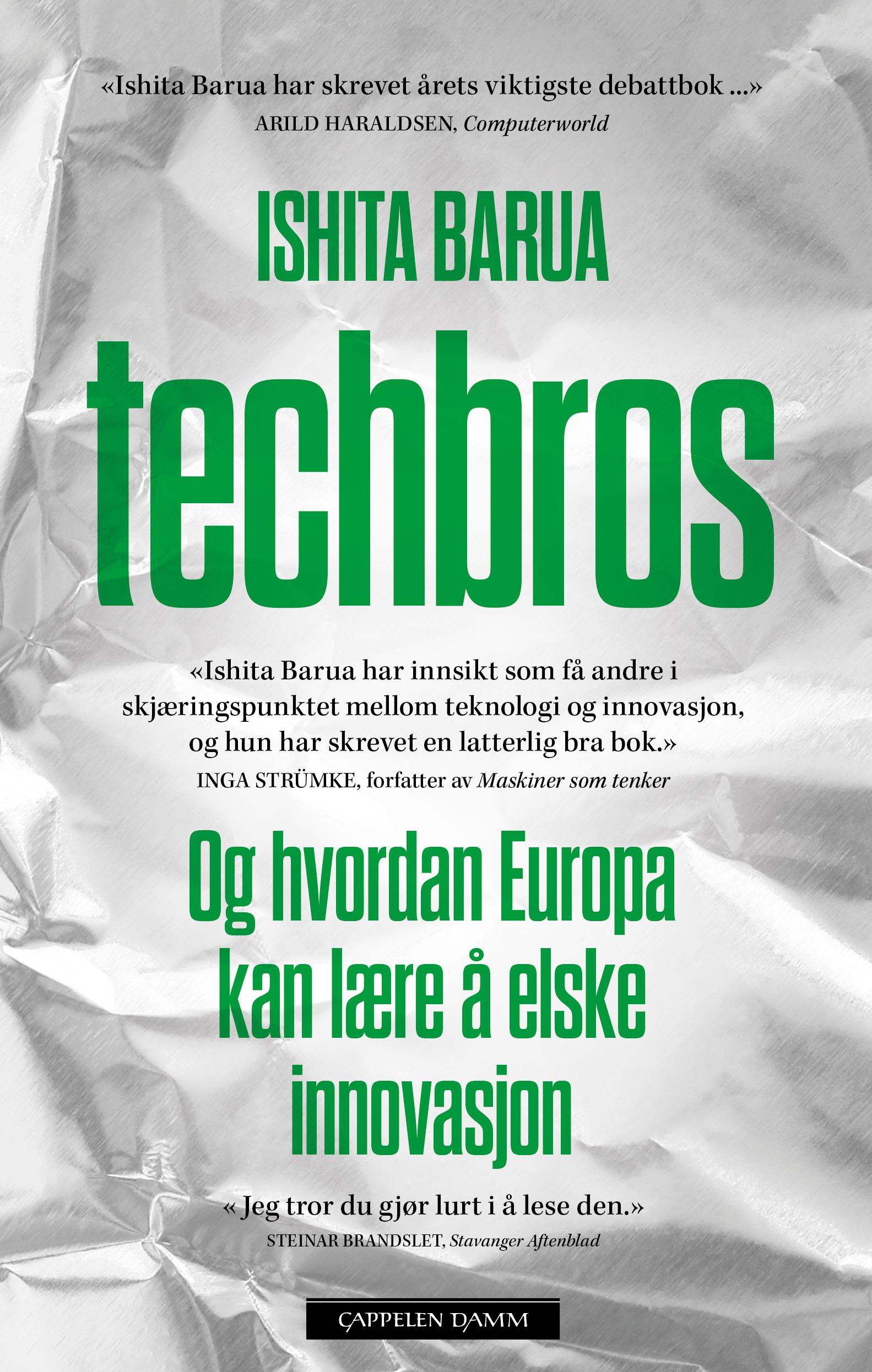
Techbros
Narrative Non-fiction2026 · 214 pp

Techbros

Ishita Barua

Europe's Innovation Crisis: An Existential Threat Once a scientific epicenter, Europe now lags as the US and China dominate the high-stakes race in AI and groundbreaking technology, shaping a new global economy and power balance. While Europe possesses the talent and research, our innovations too often remain in labs, unlike the tech giants building future platforms elsewhere. This isn't merely an innovation crisis; it's an existential one. Failure to close this gap threatens European welfare, independence, and influence. As KI researcher Ishita Barua argues, the future is being written now, but not necessarily by us.

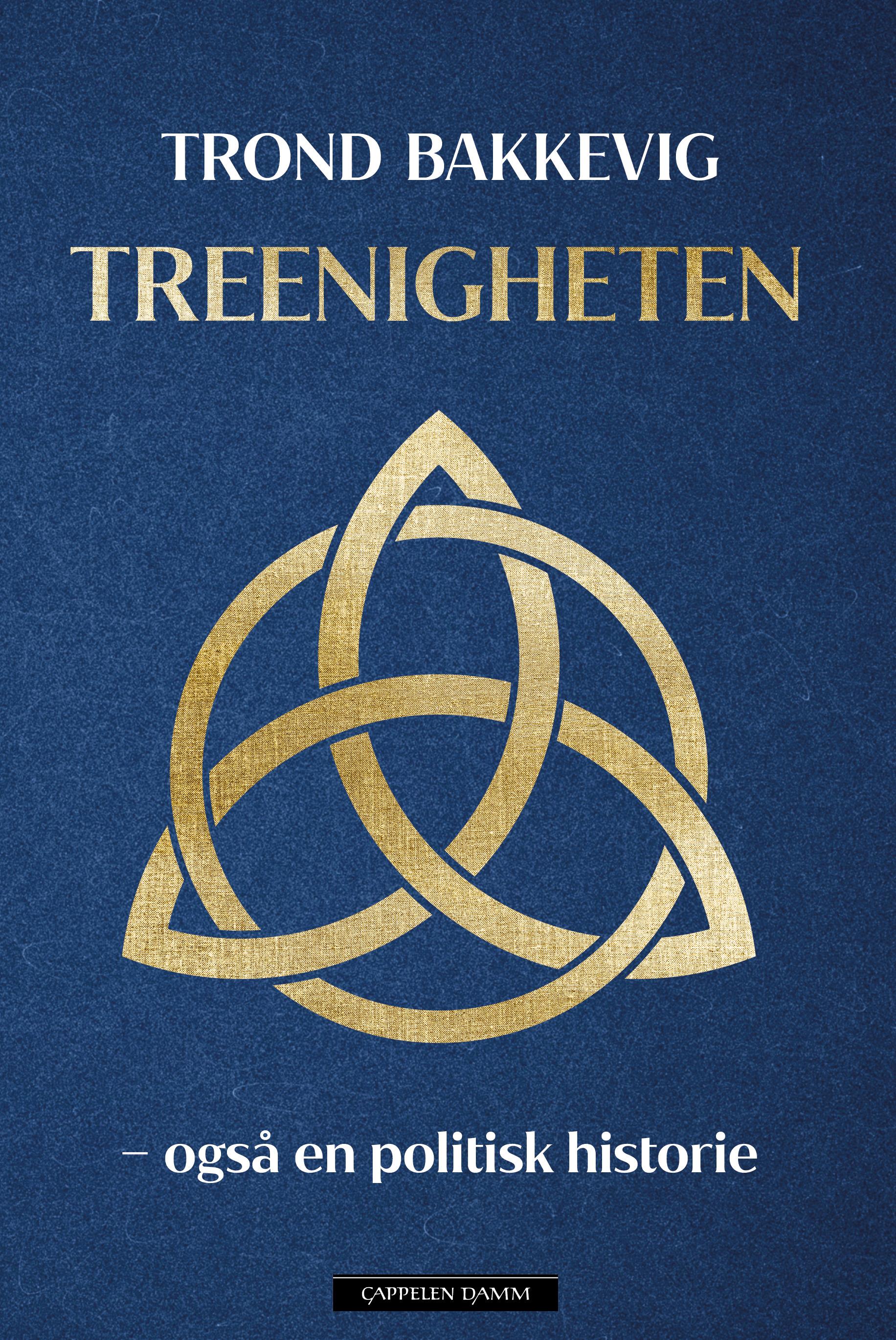
The Holy Trinity
Narrative Non-fiction2026 · 160 pp

The Holy Trinity

Trond Bakkevig

The belief in the Father, Son, and Holy Spirit – three in one and one in three – is a cornerstone of Christianity. Though difficult to grasp and describe, the interpretation of the Trinity has had profound and often violent consequences throughout history, extending even to the present day. Leaning on insights from philosophy, other religions, economics, politics, and psychology, Trond Bakkevig unravels this concept, revealing a surprisingly dramatic past. He convincingly demonstrates how the struggle over this fundamental theological principle can be traced in everything from the war in Ukraine to the EU's eastern border. This book draws long historical lines, showing how we are all part of a much larger story.

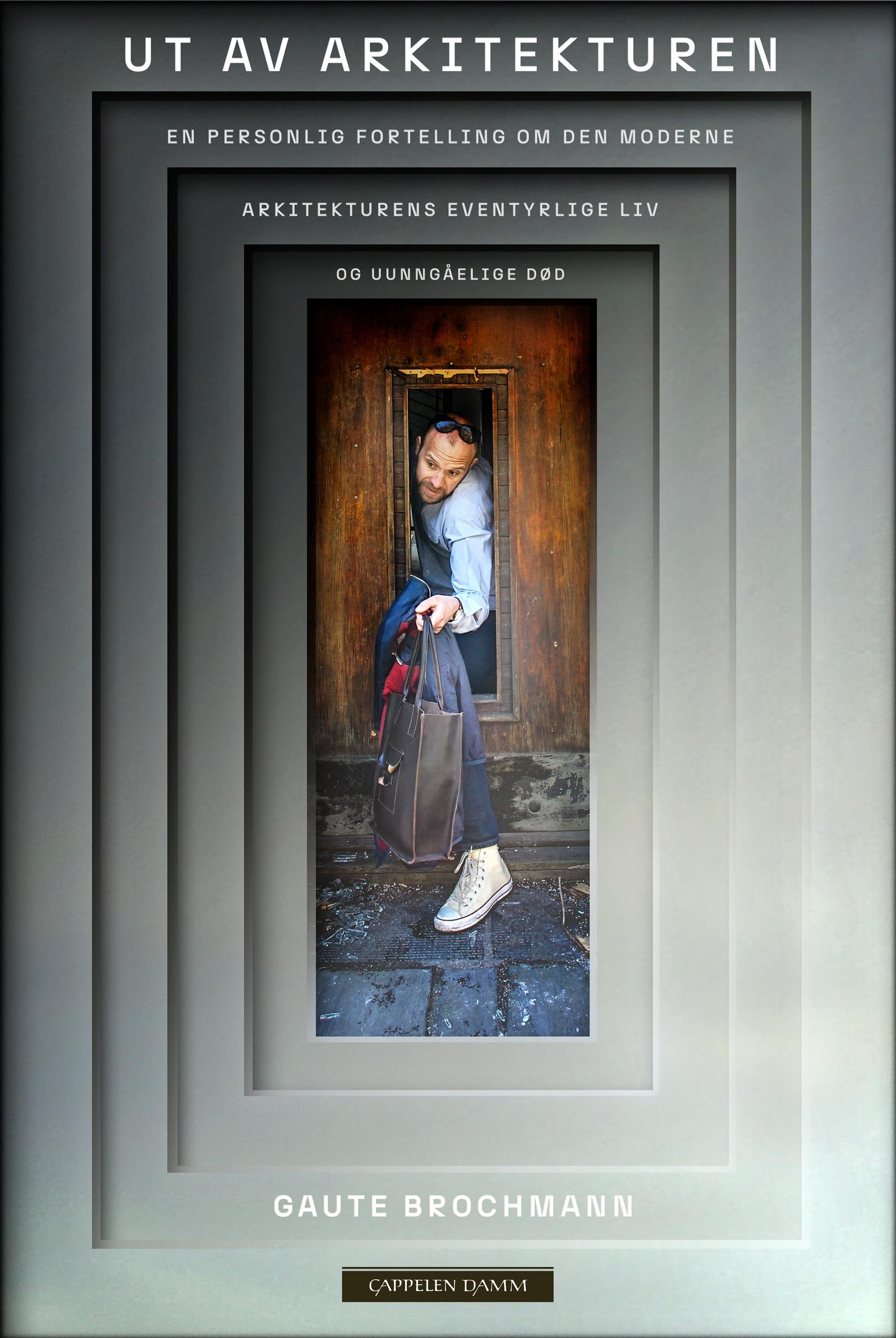
Beyond Architecture
Narrative Non-fiction2026 · 224 pp

Beyond Architecture

Gaute Brochmann

Ordinary people experience it every day. Architects are painfully aware of it. And the Norwegian Architectural Uprising (Arkitekturopprøret) constantly screams it out: By and large, we are building much worse houses than before. And this is despite the fact that Norwegians have never had more money or better education than we do today. So why on earth is that? This is the question driving Gaute Brochmann's book Out of Architecture. And the answer? Brochmann looks for it in the movement that has driven the profession forward for almost exactly a hundred years—namely, modernism. For what actually is modern architecture? Why did it become so popular that we never let it go? And not least: Why is it becoming increasingly clear that it no longer gives us the houses we want? A diverse and personal journey that goes deep into the architectural profession and back out again, undertaken with a simple goal in mind: to help restore the profession's pride and status. We need to break free from a modern way of building houses that has gradually come to feel very old-fashioned, and move into a new architecture. By helping the field step out of one way of thinking about architecture, and transition into the next.

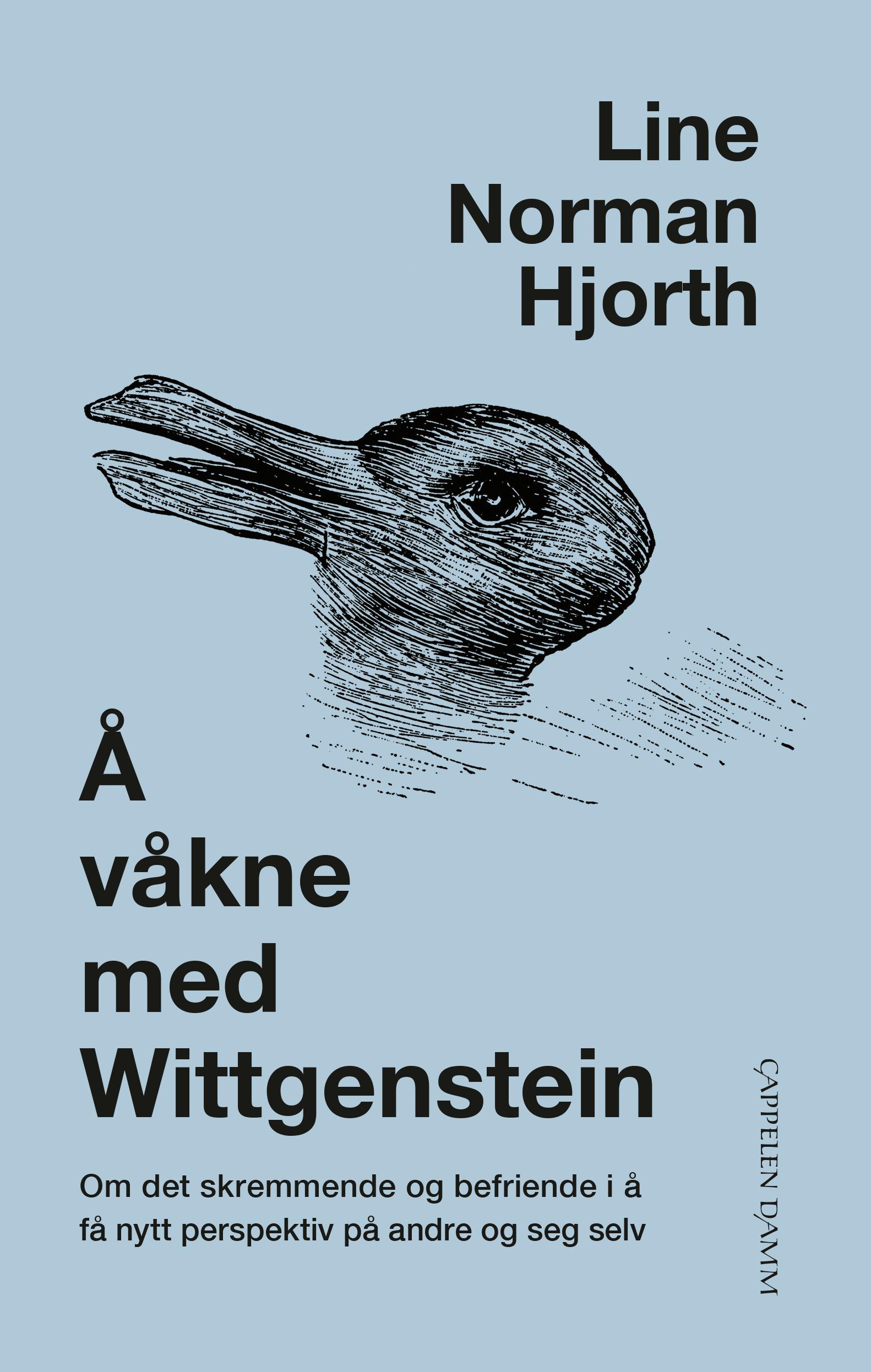
Waking Up with Wittgenstein
Narrative Non-fiction2026 · 112 pp

Waking Up with Wittgenstein

Line Norman Hjorth

In this inspired essay, Line Norman Hjorth explores the possibilities and limitations of language. The eponymous protagonist works as a church minister while struggling to write a text about «the topicality of philosophy and the connection between skepticism and the culture of insult, or was it deconstructivism and power criticism? Alas, I hardly knew it myself.» By chance, she comes into contact with the younger nurse Mari. This meeting and the conversation that occurs between them inspire her in a way that she does not initially understand. But something is happening, a movement is underway. The dialogues and reflections they make do not yield any clear conclusions, but discuss questions that give Wittgenstein’s philosophy of language a surprising topicality and echo current debates about language and interaction. «Something in me still believed that it was the offended who had to practice recognition. At the same time, I realized that it could just as well be as she had suggested on the bench, that it was I who was the blind one and who projected my darkness onto the offended.» One of this autumn’s most original reading experiences«... at once strangely intricate and self-evident. It is playful and serious. Exuberant, funny, strange, and irritating. ... By staging how the perspective we see from, and the language we choose to use, help color our experience of the world, Waking Up with Wittgenstein is not only one of this autumn's most original releases – but also one of the most relevant.»Vårt Land A charming gateway to Wittgenstein's philosophy of language«...a thoroughly charming book (...) All in all, it is a kind of cheerful enlightenment project in a humanistic spirit [...] Precisely this simple message of community, almost at the level of UN Day celebrations, makes the book impressive: Being able to make me feel the truth in these kinds of thoroughly examined and oft-repeated ideas requires compelling narrative craftsmanship.»Morgenbladet Revitalizes the literary dialogues of the Enlightenment for our own time«...through meticulous attention to the functions of language—Hjorth is able, in true Enlightenment fashion, like a modern-day Diderot, to show what such a process of realization might look like, rather than merely explaining it. I cannot help but admire this, and delight in how such an old concept can be given new life in what must be one of the quirkier books the autumn literary season has to offer.»Klassekampen

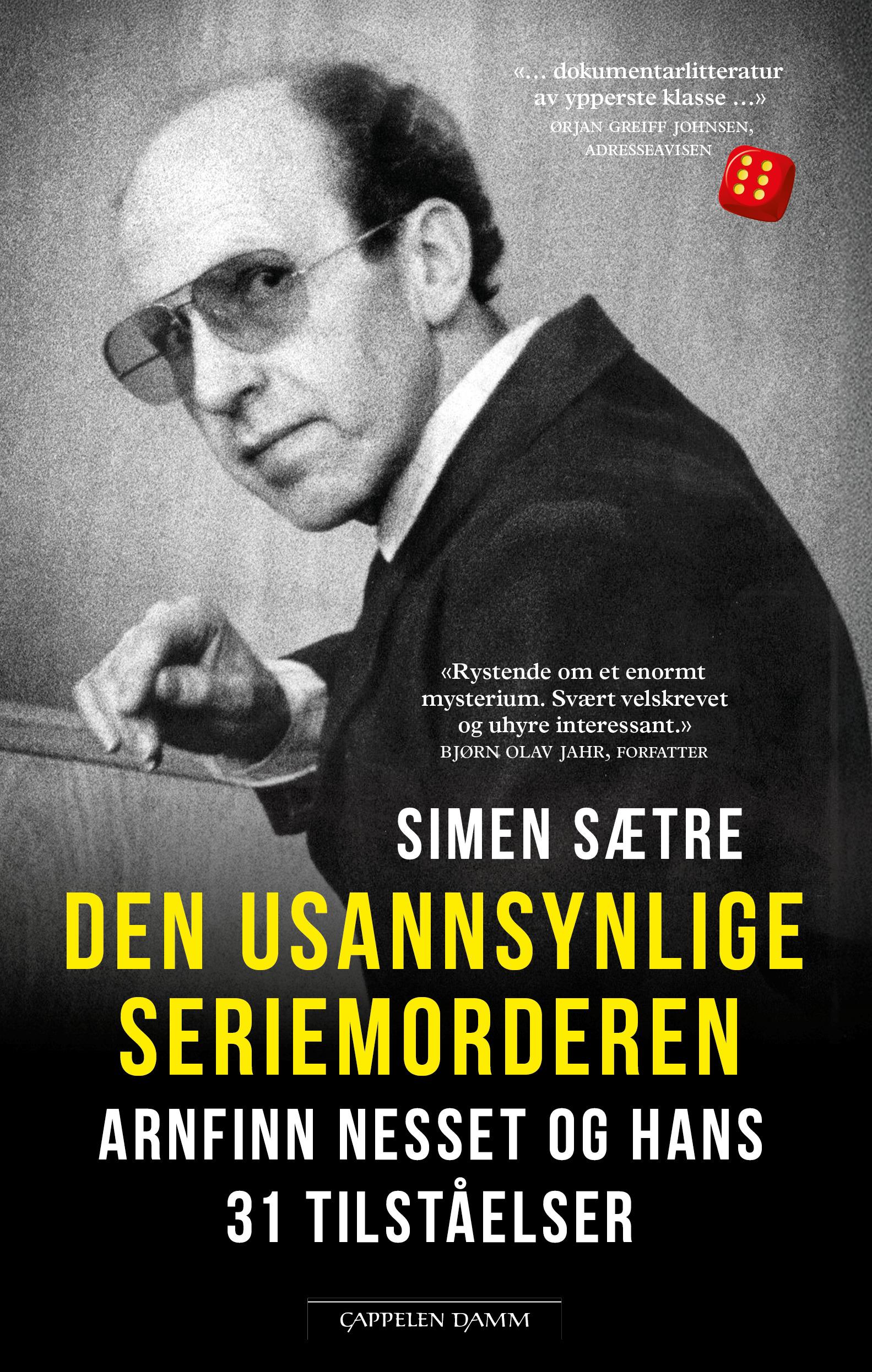
The Unlikely Serial Killer
Narrative Non-fiction2025 · 416 pp

The Unlikely Serial Killer

Simen Sætre

In The Unlikely Serial Killer, one of Norway's leading feature journalists, Simen Sætre, delivers the first comprehensive, investigative account of Norway's most talked-about serial killer. In 1983, Arnfinn Nesset was convicted of poisoning and killing 22 elderly people at the nursing home he managed in the small town, Orkdal. Nesset is not only the worst serial killer in Norway, but he also regularly appear on lists of the worst serial killers in the world. Yet today, fifty years later, the case has never been explained or never truly solved. When Adresseavisen revisited the case in 2002, they concluded that “no one has solved the Arnfinn Nesset riddle.” Despite years of speculation, the mystery remains: what could have driven a respected nursing home director to commit such horrific crimes? During the investigation, Nesset confessed, describing an eerie “urge to kill” that triggered physical symptoms like sweating and heart palpitations. He even claimed responsibility for far more deaths than he could realistically have committed. But before the trial, he retracted every confession, stating he had been pressured during interrogations and felt he had no choice but to comply. Perhaps most baffling of all, Nesset was convicted entirely on circumstantial evidence. He was found in possession of the poison used but claimed it was intended to euthanize a dog. No technical or forensic evidence ever proved his involvement in the 22 murders. While researching the book, Sætre has had access to all the investigation documents of the Nesset case. This is material that the public has not had access to before, and which brings new insight into the case and puts it in a different light. This is not just true crime — this is an attempt to finally solve one of the most enduring riddles in Scandinavian criminal history. «The book is exceptionally well-written, and the author demonstrates a writing style and capacity for reflection not all too often seen in documentary literature [...]. The Unlikely Serial Killer has become an exceedingly successful book. And at times, it's as thrilling as a crime novel. Documentary literature doesn't get much better than this.»Adresseavisen, six/six stars «It's superbly done. The Unlikely Serial Killer is, all in all, exceptionally well handled, and confirms Simen Sætre's position as one of our foremost writers of documentary literature.»Morgenbladet

Investigative journalism meets true crime