FictionNon-fictionChildren's & YAAuthorsAbout us

Representing the authors and titles of Cappelen Damm for translation and adaptation rights worldwide.

Catalogue

  • Fiction
  • Non-fiction
  • Children's & YA
  • Authors

Agency

  • About us
  • Rights catalogues
  • Rights deals
  • News
  • Fairs & events

Get in touch

rights@cappelendamm.no
Stortingsgata 28, Oslo

© 2026 Cappelen Damm AS · Rights & AgencyPrivacy & cookiescappelendamm.no

Narrative Non-fiction / Self Help
Literary fictionCrime & thrillerNarrative non-fictionChildren's & YASelf helpCook booksCrafts & hobbies

Browse

FictionNon-fictionChildren's & YA

Foreign rights

Rights sold

Genre

Children's Books902Literature and Fiction722Narrative Non-fiction336Self Help179Crafts and Hobbies146Mystery and Crime143Cook Books107UpLit82

Published

2025 and newer2020–20242015–20192014 and older

Rights sold to

Clear all filters

38 titles in the catalogue

Narrative Non-fiction / Self HelpClear all
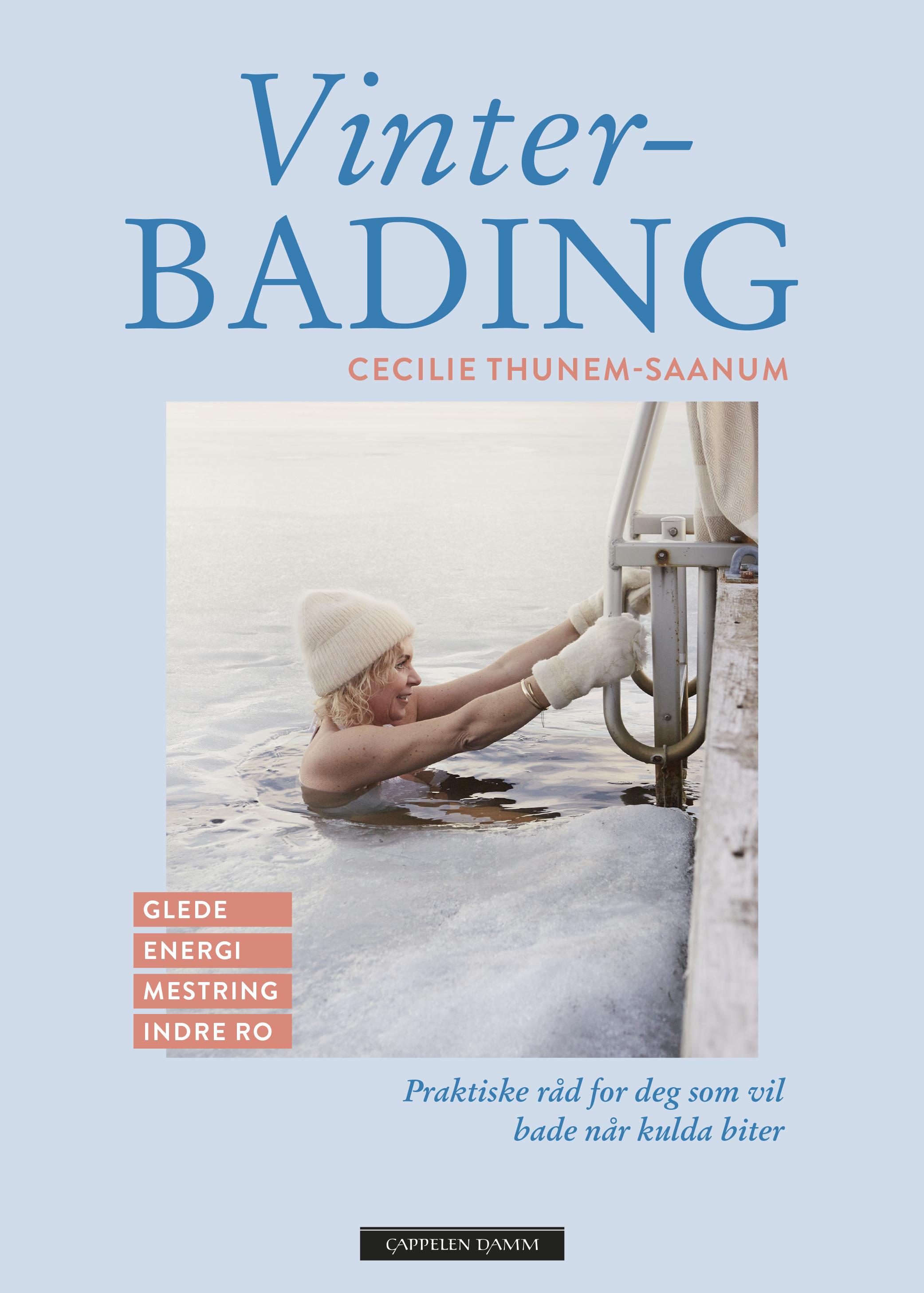
Winter Swimming
Narrative Non-fiction / Self Help2021 · 168 pp

Winter Swimming

Cecilie Thunem-Saanum

Why are more and more people choosing to submerge themselves in ice-cold water in midwinter? To don mittens and bobble hats and feel chunks of ice sloshing against their naked flesh? The author, who’s in her eight year of year-round bathing, tells you what you need to know before, during and after winter bathing, and uses science and her own experience to answer questions like: Is it safe? Can anyone go for a dip when it is freezing cold? What happens inside your body? In Winter Bathing, Cecilie Thunem-Saanum invites you to join her in the open channels between the ice when the temperatures are well below freezing and long after the frost has taken hold. In the water, an experience of profound peace, a clarified mind and great wellbeing await you. On land, an energy boost, a rush of joy and a sense of achievement is the award – along with a towel and dry clothes.
1234
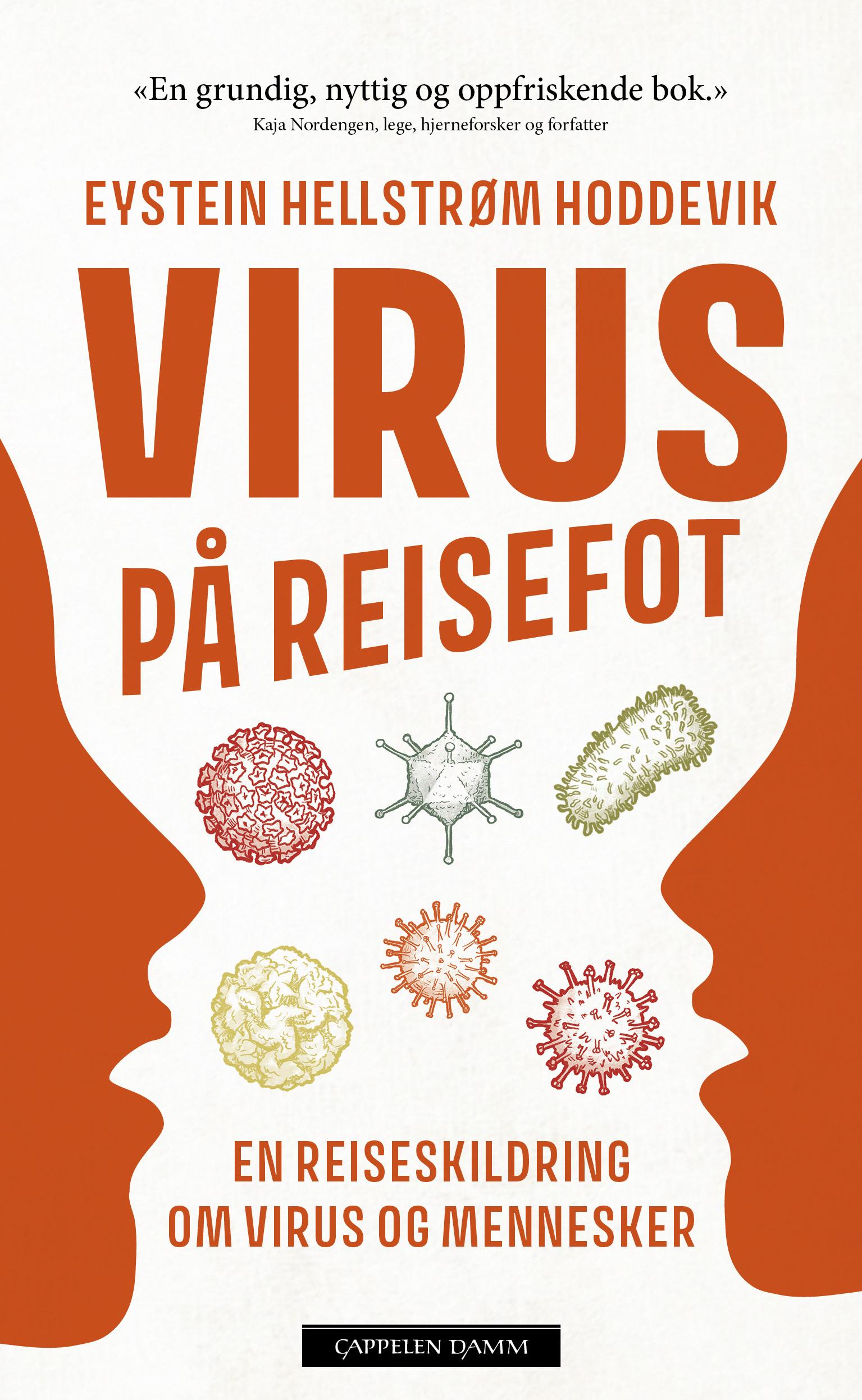
Viruses on the Loose
Narrative Non-fiction / Self Help2021 · 352 pp

Viruses on the Loose

Eystein Hellstrøm Hoddevik

What is a virus? Even experienced microbiologists need to stop and think before answering this simple question. Viruses are tiny. The SARS-CoV-2 coronavirus has a width of no more than one hundred nanometers. Ten thousand such viruses lined up after each other will barely have the width of a pinhead. But an invisible enemy like this can bring a whole world to its knees, just as it did in spring 2020, with the COVID-19 pandemic. Through carefully selected stories, the author shows you what a virus is, what it consists of, how it is transmitted and how it produces disease. Viruses and humans have coexisted forever, so this journey covers biological evolution, our own bodies, historical events, diagnostics, global politics, genetic material, ethics and biological warfare. The book is also about vaccines, one of our most important weapons in the war against viruses. The making of vaccines is in itself a science which is based upon our knowledge of how viruses are constructed and cause disease. Viruses are bred to spread and don’t hesitate to set off on intercontinental journeys, like the travel-loving stowaways they are. In this book, you’ll get to know different kinds of viruses: some of the most common, some that are extremely cunning and some that are so dangerous their fatality rate is close to 100%. Viruses cause contagion by travelling, just as we do, but their journey doesn’t stop there. The way in which they produce disease inside us can also be viewed as a microscopic travelogue. We shall therefore follow some viruses as they travel through our bodies to reach the cells they both hijack and harm. If you are prepared to face what fear of viruses you might have, you’ll discover that knowledge of viruses is extremely helpful. In certain situations, it may help you survive and avoid diseases like warts, cold sores, shingles, blindness and even cancer.

Rights soldSold to Serbia
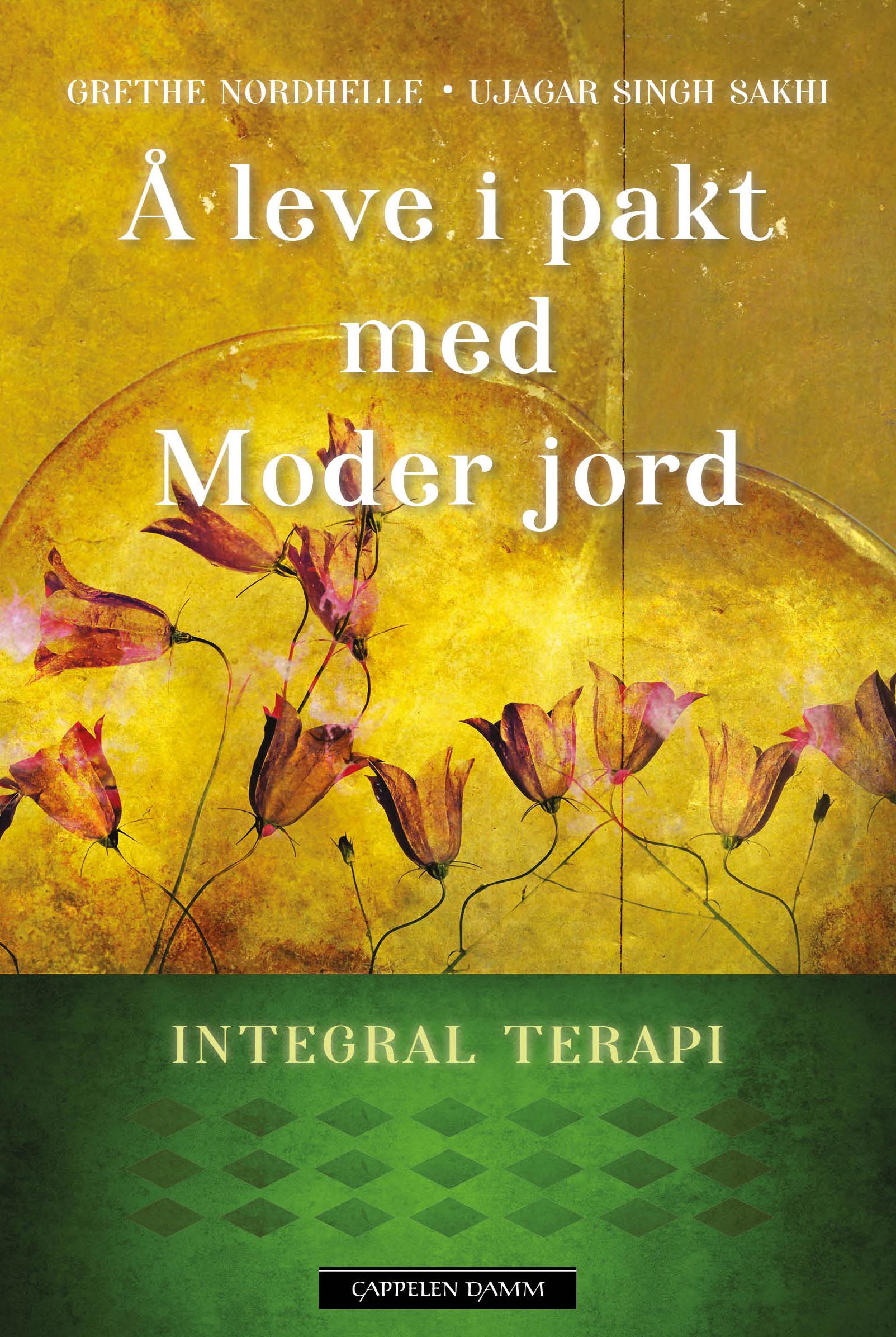
Living in Tune with Mother Earth
Narrative Non-fiction / Self Help2021 · 240 pp

Living in Tune with Mother Earth

Grethe Nordhelle / Ujagar Singh Sakhi

Humans are part of nature. We are utterly reliant on it. If we distance ourselves too much from its terms and premises, we create an imbalance – in nature, in society and, not least, in ourselves as individuals. Living in Tune with Mother Earth aims to serve as a supplement – and counterweight – to knowledge creation in our specialised society. The more fragmented society becomes, the greater the need for more people to be concerned about integral thinking and knowledge. Integral knowledge creation is a scarce commodity in modern society, the author claims. This is where integral therapy can make a vital contribution, by looking at the process of human development in its entirety – physical, psychological, environmental and spiritual. The book aims to raise people’s awareness of the genuine need to understand themselves as individuals, in relation to themselves, nature, the family, society and the entire universe. It’s about creating and maintaining a natural balance between the internal and the environment. How can we function in an integral way – physically, psychologically and spiritually – in relation to our immediate environment and wider society? And what hinders us at all these levels? The knowledge offered in this book can be used to both repair and protect. Living in Tune with Mother Earth is anchored in a value system that views humans as having a particular place in the natural order, just as plants and animals do. Because humans have the potential for far-reaching development – not just in positive but also negative directions – we are at risk of becoming remote from our positive, harmonious rhythm, growth and development. If we breach the principles of nature in the way we live, we risk creating physical and psychological discord. The one thing that can bring us peace, within us, between us, in relation to elements in nature with which we come into contact and in wider society, is an integral understanding of what it means to be human – and an integral practice in our interaction with our environment.

Brev til en sønn
Narrative Non-fiction / Self Help2020 · 320 pp

Brev til en sønn

Kristin M. Hauge / Kristine Gølin Haddal / Simen Knudsen / Hakim Lindland-Rahimi / Einar Norbakken / Trygve Skaug

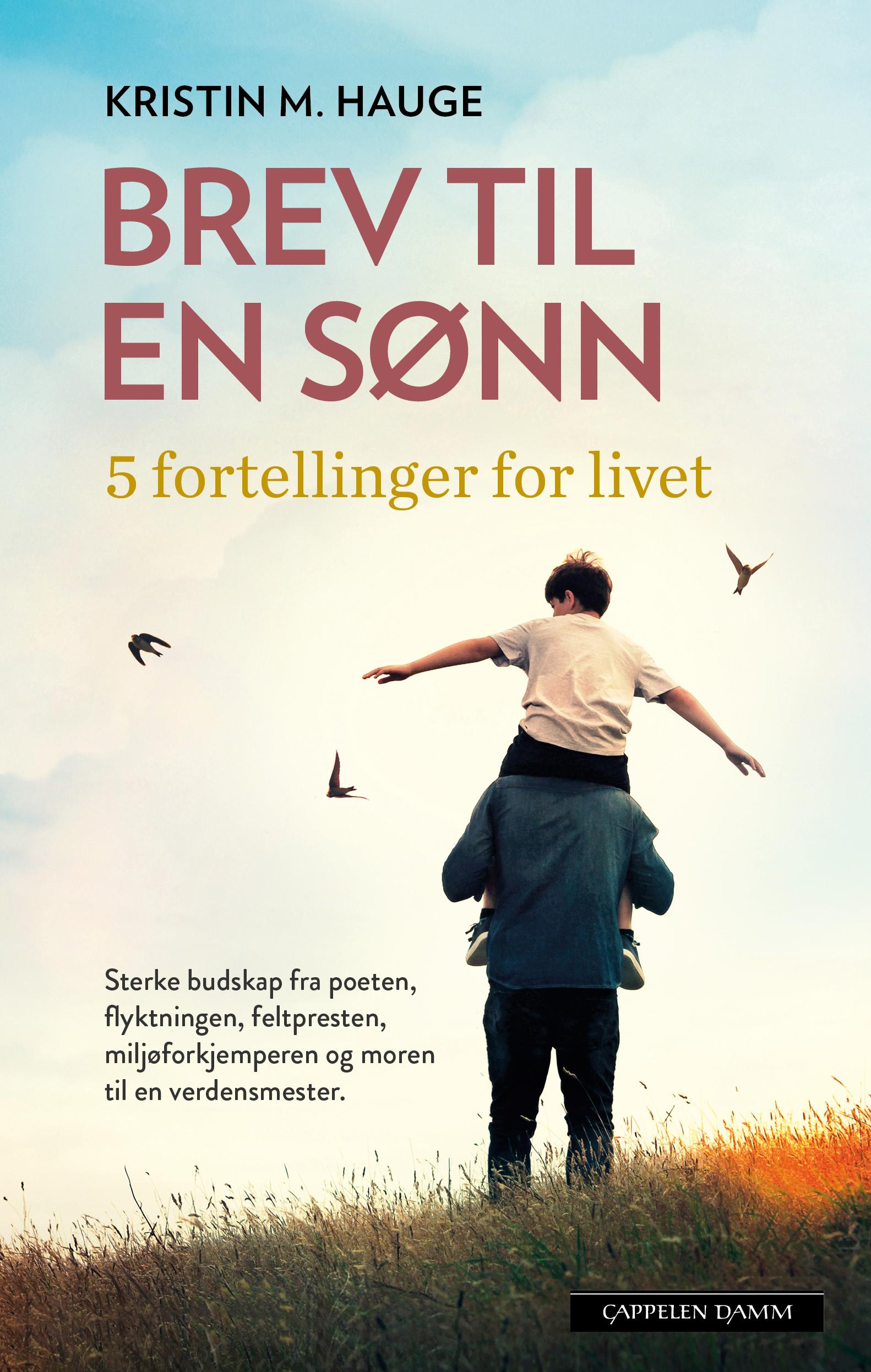
Boys are the extreme sex. The fastest and the ones that come last. The most robust and the most vulnerable. In this book, you’ll find timely and touching messages for the boys of today from the poet, the refugee, the military chaplain, the environmental warrior and the mother of a world champion. Five compelling stories about the power of relationships; about winning, losing and finding your place and values in modern, multicultural, egalitarian Norway.

Deterring Dementia
Narrative Non-fiction / Self Help2020 · 320 pp

Deterring Dementia

Andreas Engvig

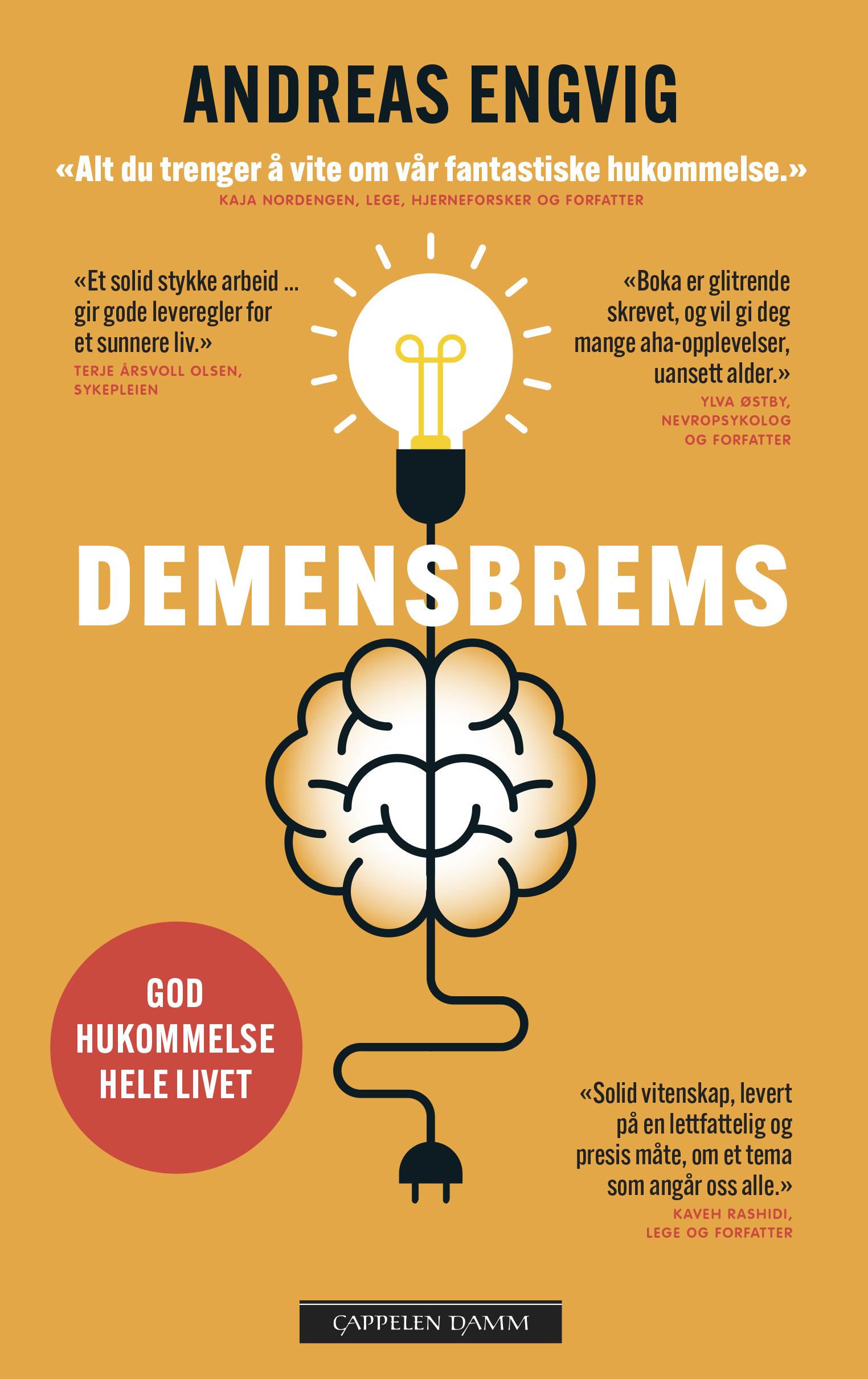
Why is it that some of us have good memories throughout our life whereas others have much poorer memories? In one study 72 per cent of respondents aged 30 to 70 said that fear of memory loss was their greatest source of anxiety about aging. Close to 100,000 Norwegians have age-related dementia and the number is constantly climbing. What if we could influence our biological age and pursue a lifestyle that kept our brain healthy for longer? Age-related dementia implies loss of memory, judgement and the capacity to take care of ourselves. There is no shortcut or magic pill for avoiding dementia, but diseases and lifestyle-related issues such as obesity, diabetes, social isolation, high blood pressure and hearing loss contribute to the development of dementia. The processes that lead to dementia and memory loss arise several decades before the symptoms emerge, so early prevention is crucial. But there is a dementia deterrent! This book contains a three-step method with concrete advice to give you a good memory and keep your brain healthy for longer. Take control of your aging process, prepare your brain and prevent dementia within the boundaries set by your own genes. Learn how you can strengthen your neurons, keep the arteries to your brain healthy and ensure the good maintenance of your brain. You’ll be motivated to adopt habits and take steps that reduce the age-related forms of dementia, and you’ll get a slightly better life along the way because you’ll achieve better brain health. The book sums up all the research about what can affect the development of dementia and how we can maintain a good memory throughout our lives. This is a research-based, practical handbook that will help readers make lifestyle and health choices that will keep their brain healthy for longer. Deterring Dementia is interesting for anyone who are curious about what memory is, and what affects memory. The book conveys in an easy and amusing way the scientific foundation of how you can maintain memory in the best way, as long as you have a healthy brain. The Norwegian National Health Association

Dynamism
Narrative Non-fiction / Self Help2020 · 224 pp

Dynamism

Kristian Hall

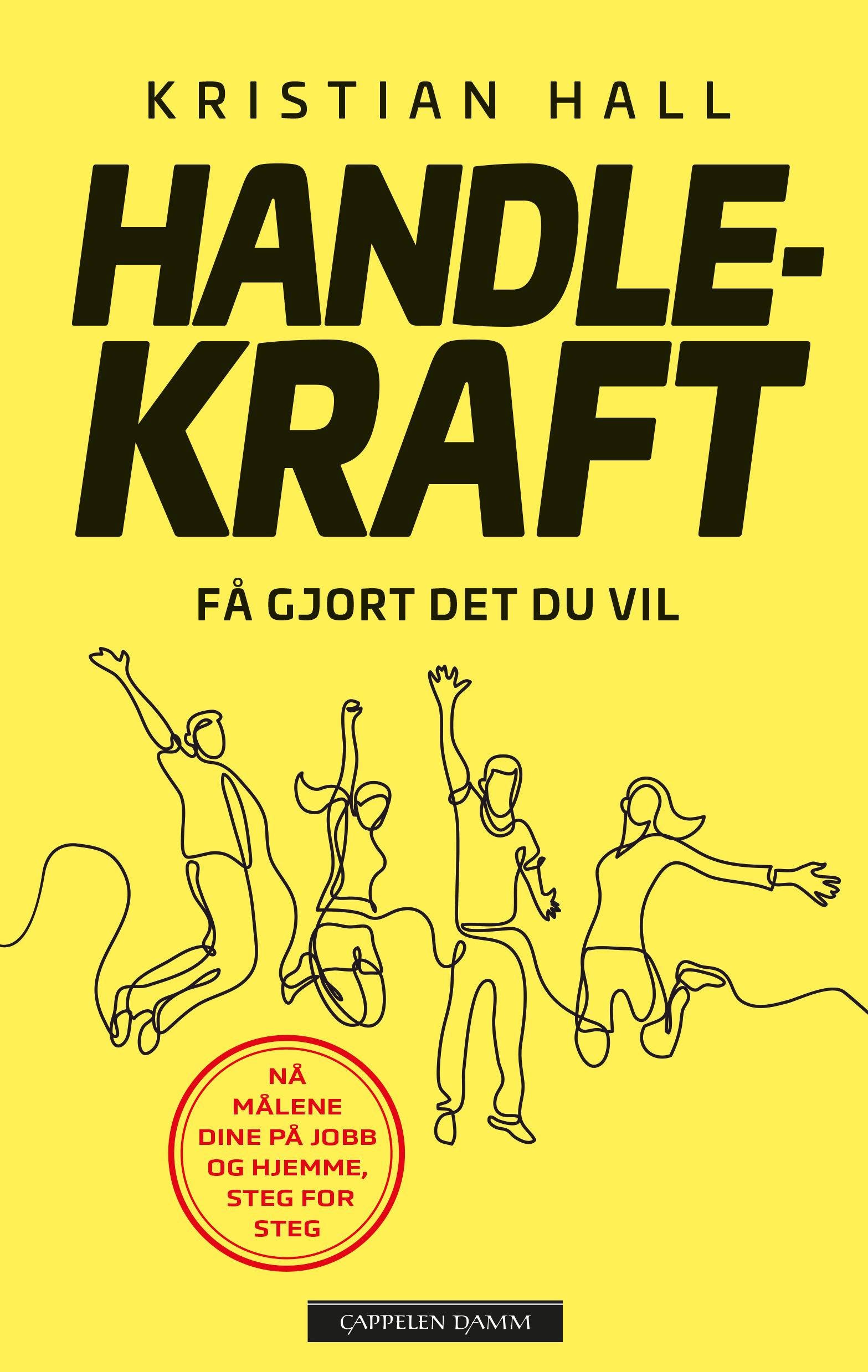
Is your goal to become a better project manager? Or clear up your e-mail system? Or do you want to become a football trainer, write a book or paint a picture? Whatever it is you want to achieve, at work or in your private life, big or small, the basic tools are the same. In 15 concrete steps, you’ll learn to be more dynamic. And this is what you’ll achieve once you have taken all the steps: You’ll work smarter than before You’ll postpone things less and prioritise better You’ll become more productive and efficient You’ll become a better problem-solver You’ll know where to find help when you’re facing adversity Plus many other benefits and tools besides. Make use of them, feel the joy of achievement and know that you’re a long way towards doing what you want to get done.

Honestly
Narrative Non-fiction / Self Help2020 · 400 pp

Honestly

Kirsten Holtmon Resaland / Astrid Nylander Almaas

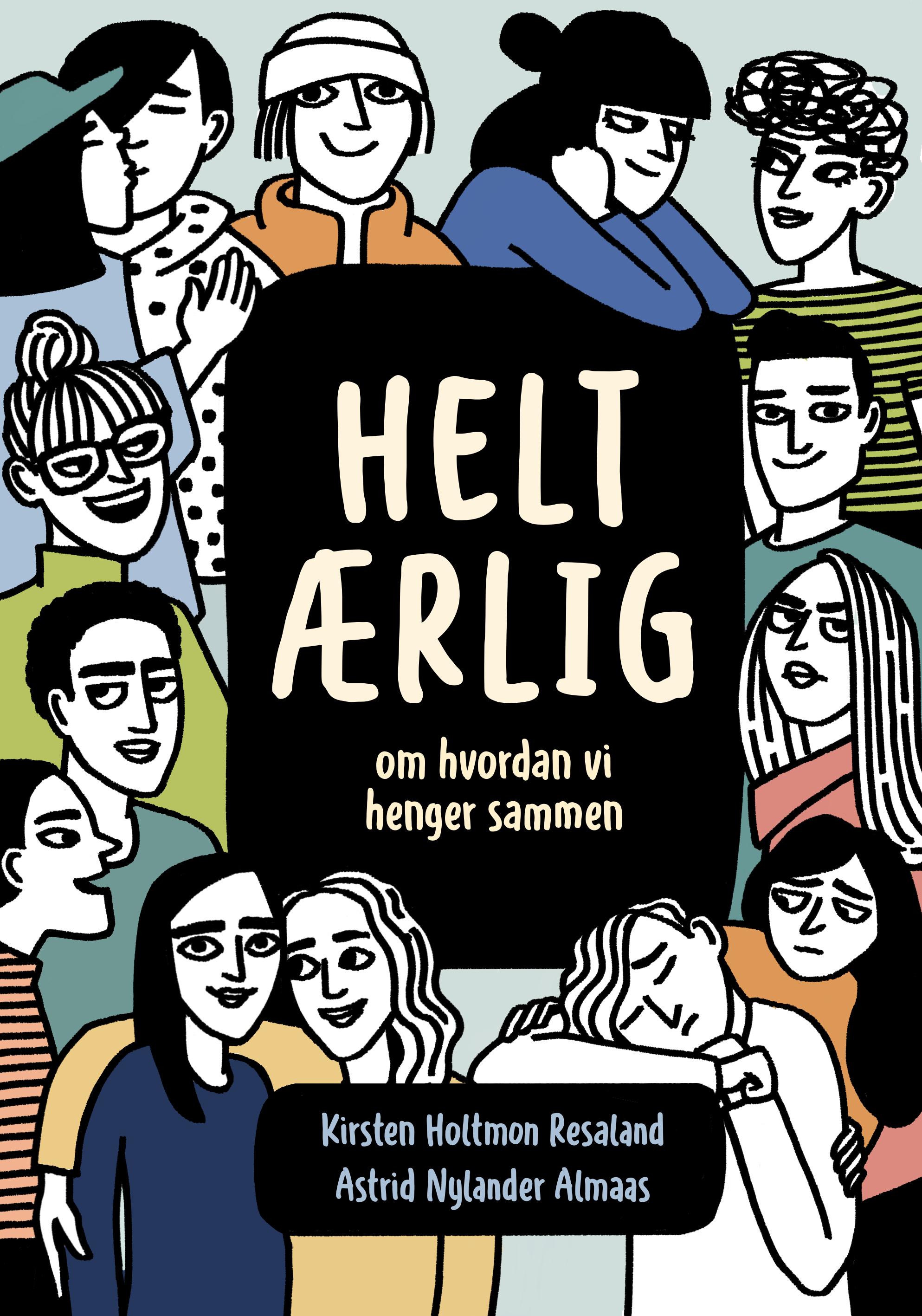
The ultimate young people’s guide to coping with life and mental health. Honestly is a thorough book that provides young people with knowledge and advice that can help ease their path through life. Read, among others, about identity, feelings and thoughts, self-image, body and sex, you and other people, when life gets tough and mental illnesses.Is there such a thing as dangerous thoughts? What makes You You, and what are your best qualities? Can falling in love change us? And what do you do if a friend is having troubled times? What is the difference between being afraid and having anxiety? What can you do about gossip, bad mouthing and general drama? What are sexual fantasies? How do we react when something really painful happens? Why do we believe in fake news? Is it normal to be grumpy for no reason? Everybody has stuff going on beneath the surface. There’s nothing wrong with that – it’s normal; and it’s what makes us humans different and exciting. This is a book that you do not have to read from cover to cover. You can simply look topics that you might be interested in - or have a need for. You can read about topics like Identity, Feelings and thoughts, Self-Image, Body and Sex. In Honestly you get thorough answers from a psychologist and a doctor, talking straight forwardly about being a human being. It is also a great reference book for anyone close to young people today; Parents, teachers and others, who want to know more and understand. Winner of RIKSMÅLSPRISEN 2020. Astrid Nylander Almaas (b. 1975) is Head Physician at the Ahus-hospital in Oslo, specialized in Paediatrics. She has a doctorate in how nutrition affects the development of the brain in Children. Since 2016 she has been part of the NRK TV-show "What is Wrong with You?".Kirsten Holtmon Resaland (b.1980) is a specialist in the psychiatry of children and young adults and has worked with the psychic health of youth for many years.The book is illustrated by Kristine A. Sand.

Rights soldSold to 5 territories
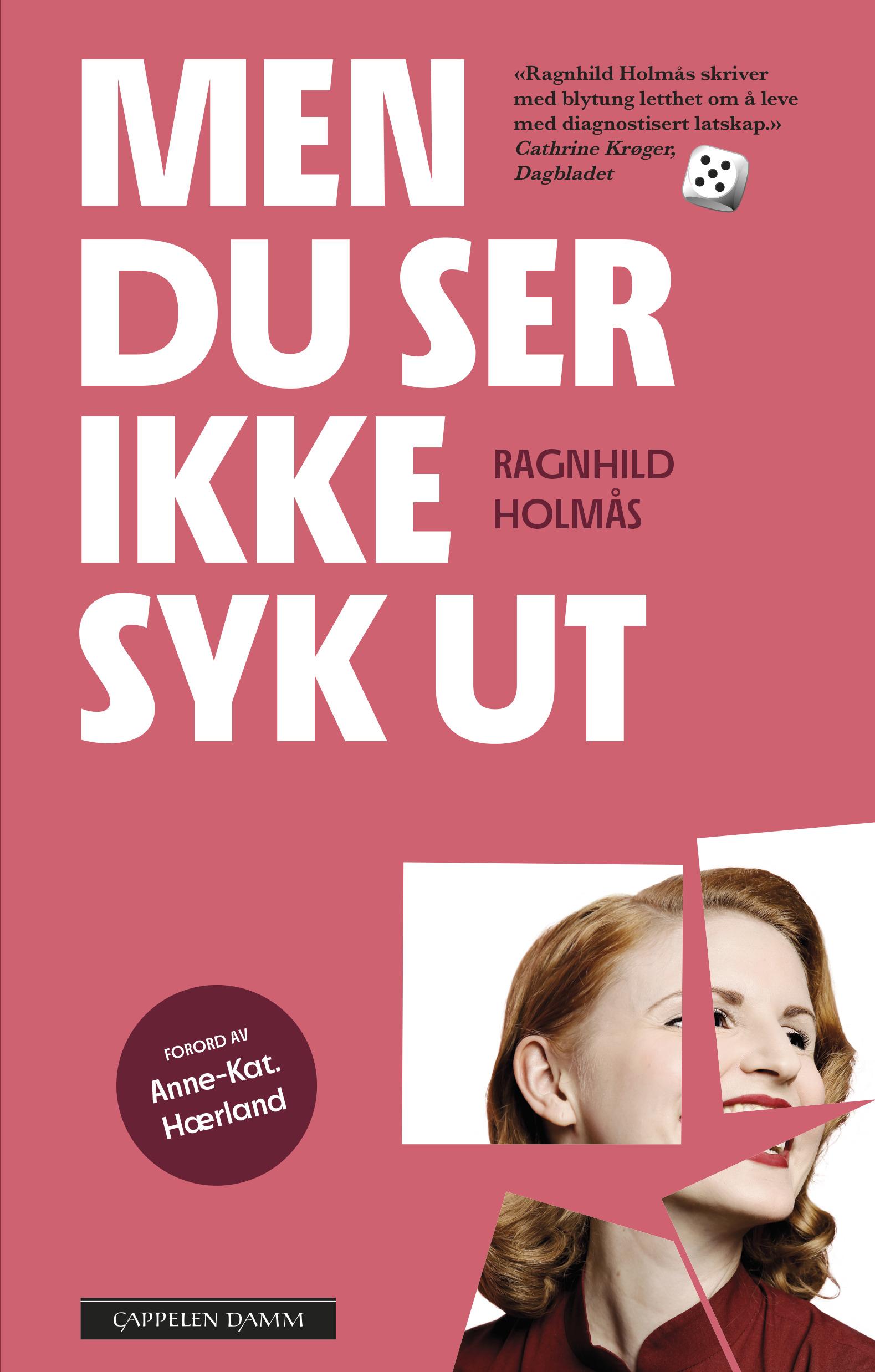
But You Don’t Look Sick
Narrative Non-fiction / Self Help2020 · 240 pp

But You Don’t Look Sick

Ragnhild Holmås

But You Don’t Look Sick is an unusual contribution to the debate around a group that is much discussed but rarely heard from: people living with invisible illnesses. When Ragnhild Holmås fell ill with myalgic encephalitis (ME) as a 23-year-old, she had no idea that her struggle against the disease would be overshadowed by her struggle to be believed. To live with an invisible illness is to live with scepticism – from doctors, from social services, from employers; even from friends and family. Over the period of her illness, Ragnhild moves from denial to acceptance and tries to speak openly about being invisibly ill. Using her own story as a starting point, she investigates topics such as stigma, lack of knowledge, language and identity. Her descriptions may strike a chord with sick people and their relatives, who may also draw strength from the book when they encounter prejudices themselves. People who have dealings with the sick person or have an opinion about them may gain a fresh understanding of what they are going through – as well as tips about how to be their best possible ally. The author writes with a self-deprecating sense of humour, interspersed with pain and seriousness, making free use of creative elements, such as an internal dialogue in the format of an SMS exchange, lists and “prejudice bingo”. The book consists of numerous short vignettes that mirror the limited endurance that results from many chronic diseases. Sucker punching the ScepticsRagnhild Holmås writes with a leaden levity about a life of diagnosed laziness. If anything, this book has humbled me for the next time I meet someone who is chronically ill. If you, like me, are one of many who has a deep-set scepticism towards the ME diagnosis, you should read this book. The most thought provoking aspect of this book is the way Holmås shows us the prejudice and stigma that used to be part of illnesses we now know so much more about.DAGBLADET The invisibly illRagnhild Holmås writes the autobiographical and societally scrutinizing “But You don´t look ill” on behalf of anyone suffering from chronical and invisible illnesses – the way she does. Through airy chapters, with plenty of dark humour in the shape of bingo boards and lists of useful tips, Holmås addresses a history of self–imposed silence.Holmås paints a vivid picture of being referred to as a burden, in a society where two out of three think that people with long-term illnesses should just “pull themselves together”. She does a good job linking the gaze of society with the lack of research in this low status field, and the misguidance of medical language.The book is a meaningful first hand description of the sorrow that comes with the loss of function, and the longing to make others understand a life where every movement has a price, no matter how well you look.AFTENPOSTEN

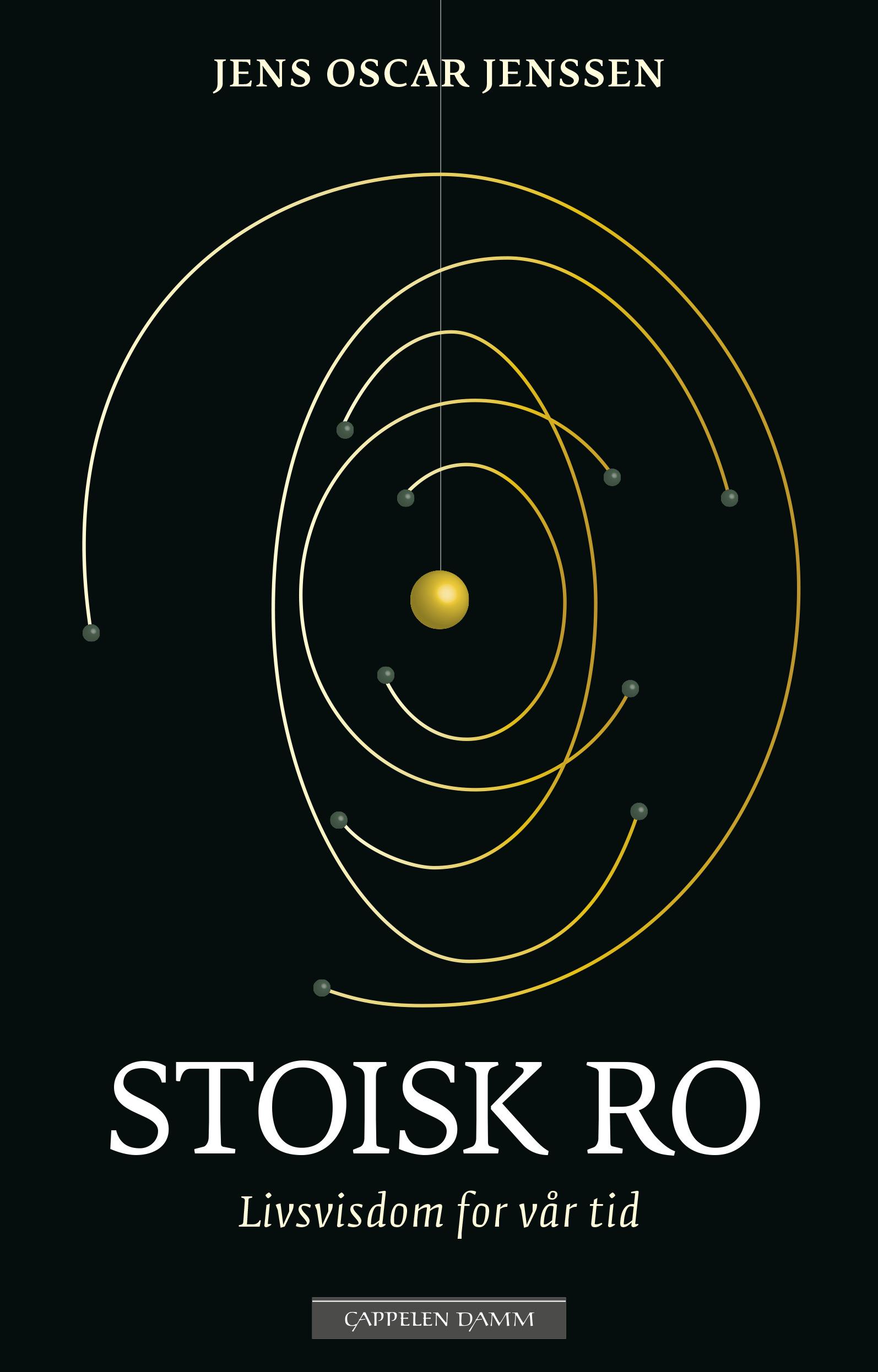
Stoic - in harmony with nature
Narrative Non-fiction / Self Help2020 · 176 pp

Stoic - in harmony with nature

Jens Oscar Jenssen

Stoically calm explains in an easy way that we have much to learn from stoicism, a philosophy with roots in Greece in the year 300 BC. In ancient Greece stoic philosophy was conveyed in a verbal dialogue between master and apprentice. In the same spirit, the writer invites us to reflect on questions that take us to the core of being human. What is good or bad for a person? What are feelings? What is wisdom? Is there a God, or is there just Nature? Philosopher Jens Oscar Jenssen take us into stoicism with sayings of wisdom, practical exercises and reasoning developed by stoics, and show us how their philosophy of life can be adapted into modern every day life. At the same time he enlighten us in how much we can learn from the stoic way of thinking about topics like Ethics, Science, Religion and Psychology.

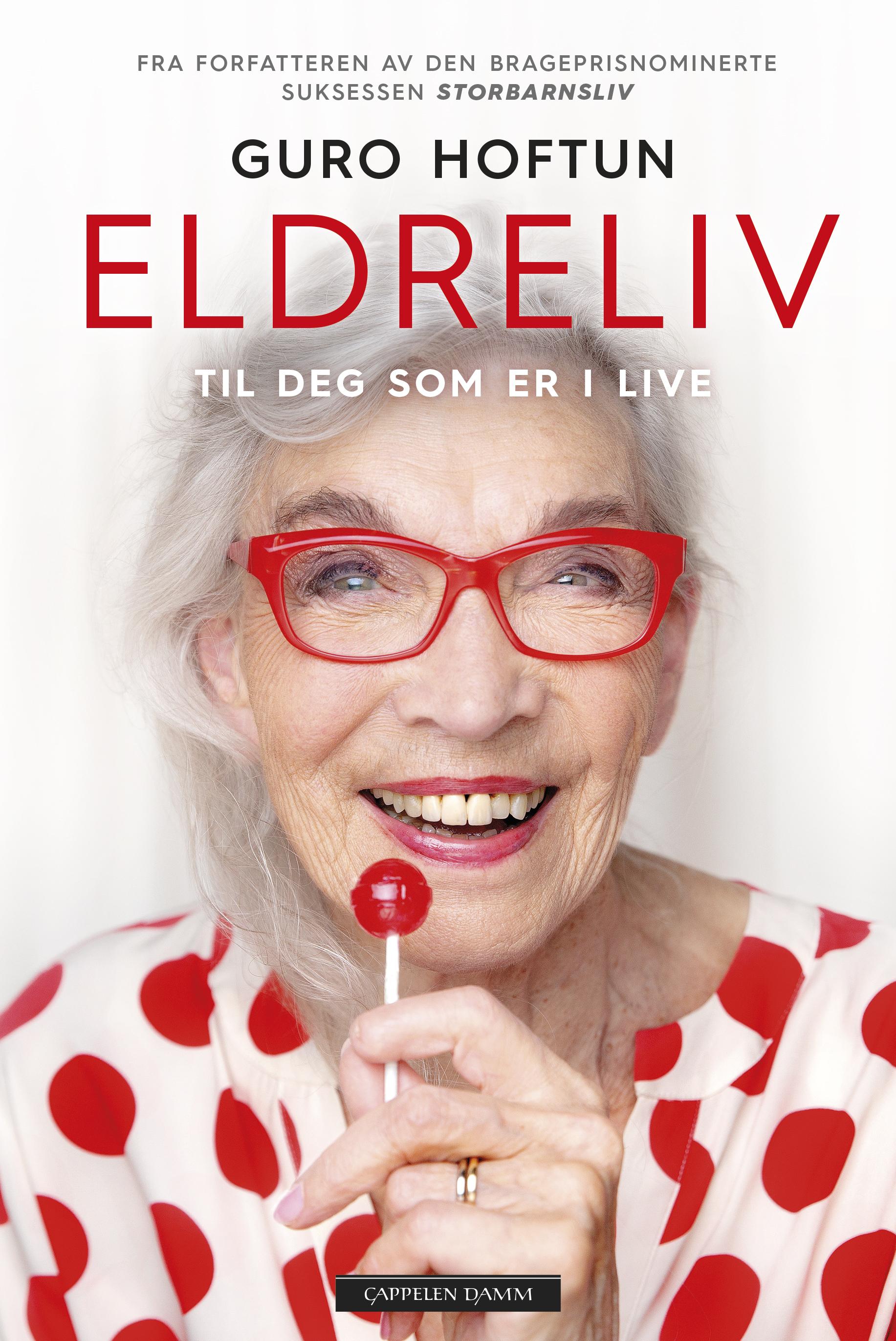
SENIOR LIFE
Narrative Non-fiction / Self Help2019 · 352 pp

SENIOR LIFE

Guro Hoftun

Senior Life is all about being old in Norway today, and about being the next of kin. The book offers humorous, serious and honest stories about Knut Erik (78) and Randi (78) for example, who found each other when they were adults; Vesla (82) and her friends on the Costa Blanca; Astrid (83) who has received a death sentence; Rukhshana (66) who demands that her children take care of her; and newlywed Olav Thon (96) who never watches TV without riding an exercise bike.

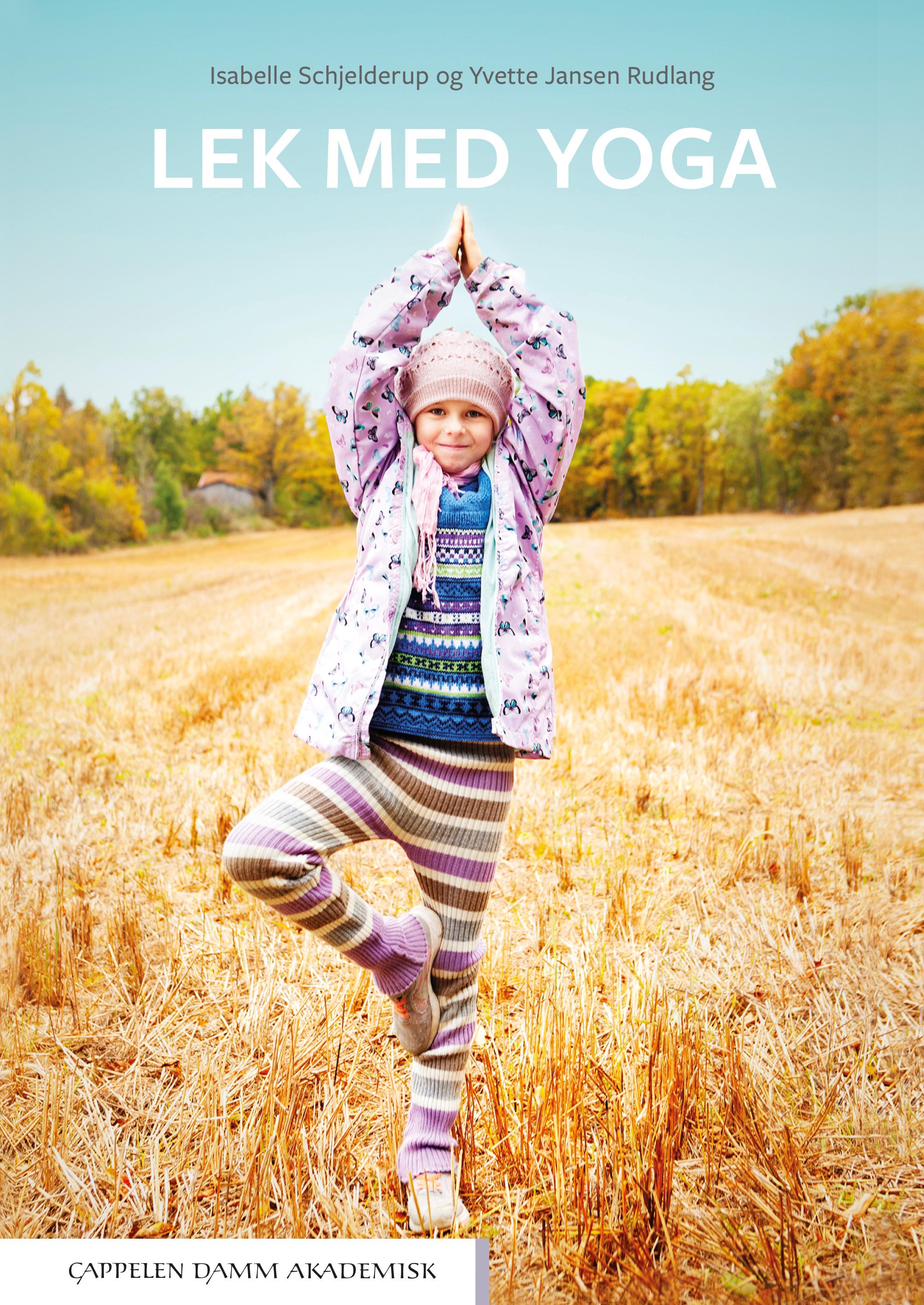
YOGA THROUGH PLAY
Narrative Non-fiction / Self Help2019 · 170 pp

YOGA THROUGH PLAY

Isabelle Schjelderup / Yvette Jansen Rudlang

This book is an introduction to Yoga through play. Simple instructions and pictures of children doing the yoga exercises describe how you do it. The different exercises follow the seasons and can be practiced both indoors and outdoors. The book provides the children with tools that will improve their balance in body, soul and mind. Yoga for Children is a way for children to feel that they master life and connect with their own body. This is a book for teachers or employees who work in kindergarten or lower grade schools; those who work with arranging activities for children or parents who want to try the exercises on their own with their children.

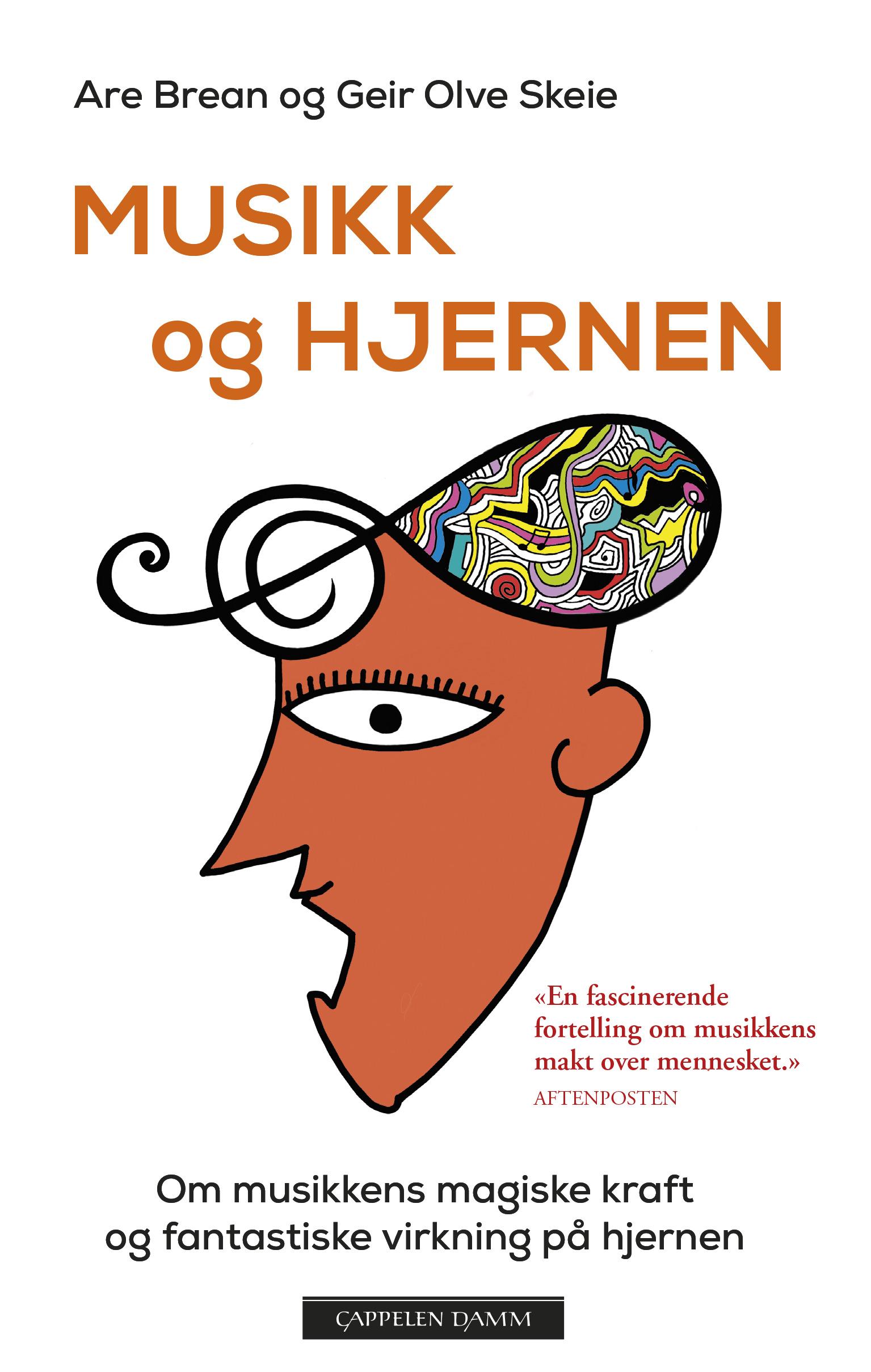
MUSIC AND THE BRAIN
Narrative Non-fiction / Self Help2019 · 256 pp

MUSIC AND THE BRAIN

Are Brean / Geir Olve Skeie

About the magic power of music and its amazing effect on the brainCreativity in music and the skills to play and appreciate music are uniquely human characteristics. All mammals seem to enjoy a tune but only human beings show true musicality and ability to communicate through music. The brain composes music to please itself: one can learn much about how the brain works by studying its responses to music and music-making.This book is written as three parts: The first part discusses what brain does with music, that is: how music is sensed and perceived, processes grouped together as the basis for "perception of music".The second part describes what music does to the brain: how it affects its functioning and enables it to change – effects known as manifestations of neuroplasticity. The authors then go on to analyse the characteristics of "the musician's brain" – the brains of musicians have shared features that set them apart from other people's brains.In the third part, the authors give an account of the ways in which the brain-changing effects of music can be used to aid recovery after blows to the head and to treat neurological and related disorders such as dementia, Parkinson's disease and mental illnesses. Music for the brain, not for the earsThe easy read, exciting and intriguing popular science book Music and the Brain is warmly recommended fro anyone who would like to learn more about the grey lump of water and fat that we carry between our ears.BALLADE Musically about the brainThis is a fascinating rendition of the power that music has over man. Music and the Brain is an engaging presentation of extremely advanced processes in the brain. The book is full of interesting facts and reflections around how we relate to music. It contains exciting and brand new research on the topic, well balanced and knowledgeable.AFTENPOSTEN

Rights soldSold to 4 territories