Liv Anniken Berg
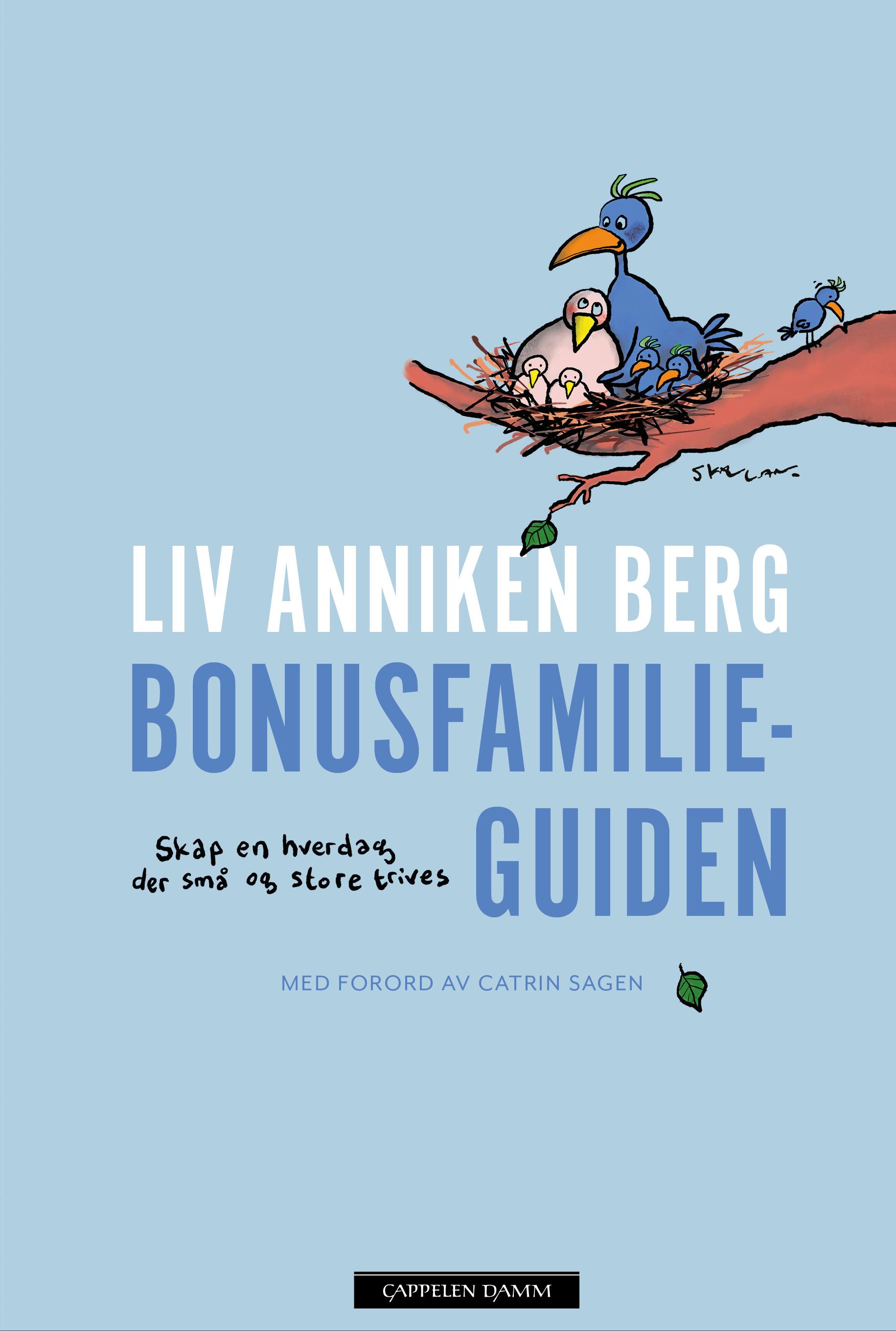
Four out of five patchwork families split up within five years. What is it that makes this type of family so challenging? The Patchwork Family Guide presents well-documented advice and useful measures to ensure that adults and children in blended families can live well together. Although this type of family is becoming more common, not everyone knows all they need to know to improve family life when things get difficult. With an awareness of the classic hurdles, your family will be better prepared to handle them. In this way, family members can focus their attention on the joys and benefits of a patchwork family. Research suggests that many patchwork families give up at the wrong time. Adults and children get on better when they know how to establish a this family form in a good and effective way. In The Patchwork Family Guide, experienced family therapist Liv Anniken Berg shares useful measures for young and old to live happily together in a patchwork family. This book gives you constructive advice and new knowledge about a type of family that is becoming more and more prevalent, in which research-based insight has so far been lacking.
Espen Skorstad
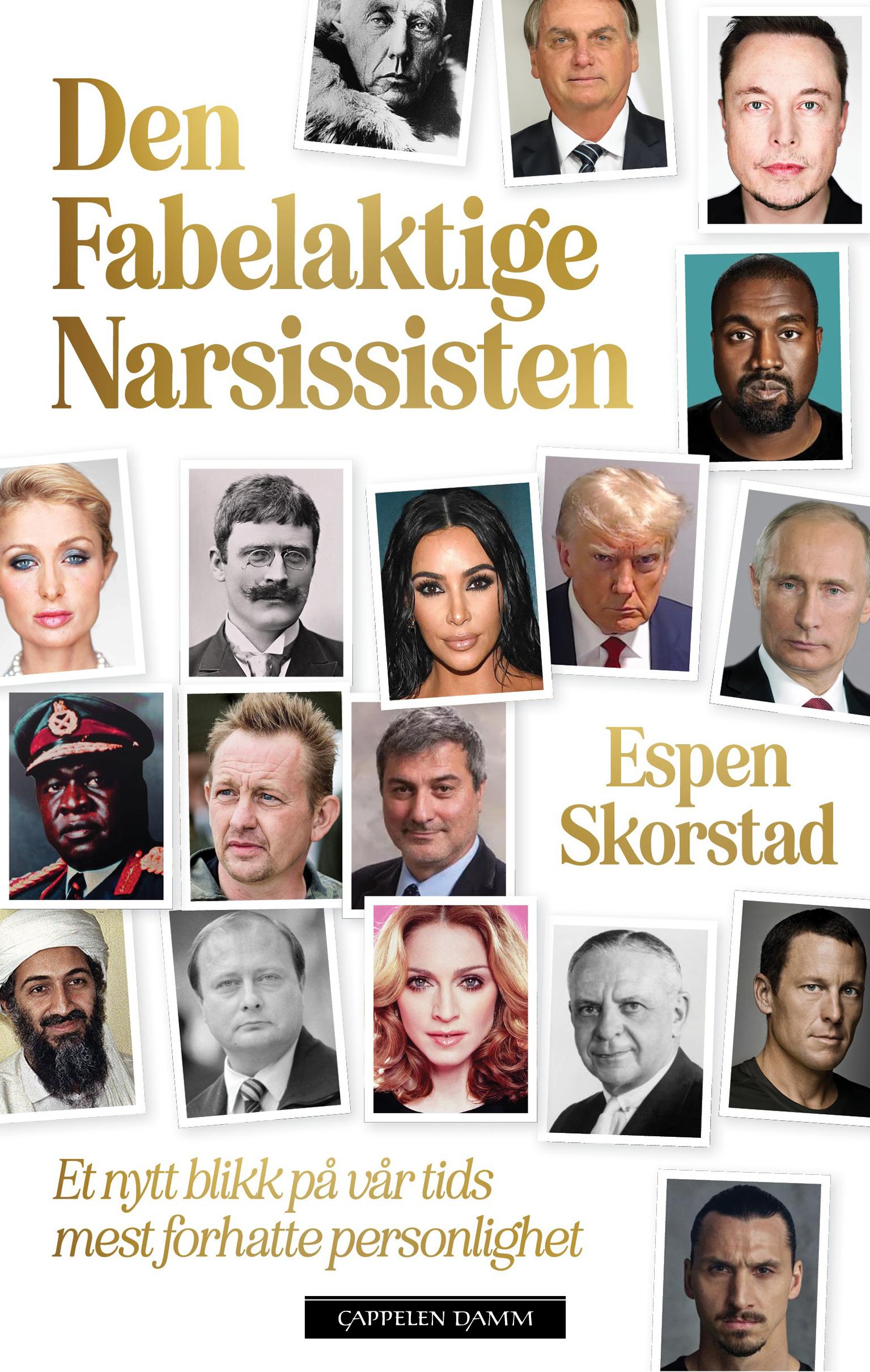
The Fabulous Narcissist offers a new look at one of the personality traits we seem most focused on and fascinated by in modern times, and it explains why the self-absorbed not only cause damage to their surroundings, but also move the world along. At the beginning of the 2000s, Espen Skorstad fell upon a project that was highly unusual for a psychologist at the time. He was fresh out of university and had just started his own business, but he had neither money nor clients. A celebrity psychologist he knew took pity on him, and asked if he wanted to help choose candidates for a couple of reality TV shows. Reality TV? Was that really how he should put his six-year-long education to use? What he didn't know then was that reality and celebrity TV was about to blow up. That in a few years, the Norwegian princess Märta Louise would be attempting to flee prison for our entertainment. That science journalists would be dancing shirtless on TV. Or that a politician would find the opportunity to run his election campaign from one of our most popular reality TV shows. Without knowing it, in 2001 Skorstad wandered into narcissism’s ground zero. Twenty years later, narcissism is in focus in popular culture and media. We are fascinated by antagonists, egoists and people who treat other people poorly. We must discuss: when is narcissism damaging, and when is it not? We might even ask: when is narcissism constructive? If we cannot see the positive aspects of a personality trait, or cannot recognise them in ourselves, will we ever be able to deal with our darker sides? «Interesting, well-written and diverse about narcissism.»DAGBLADET