Literature and Fiction2022 · 288 pp
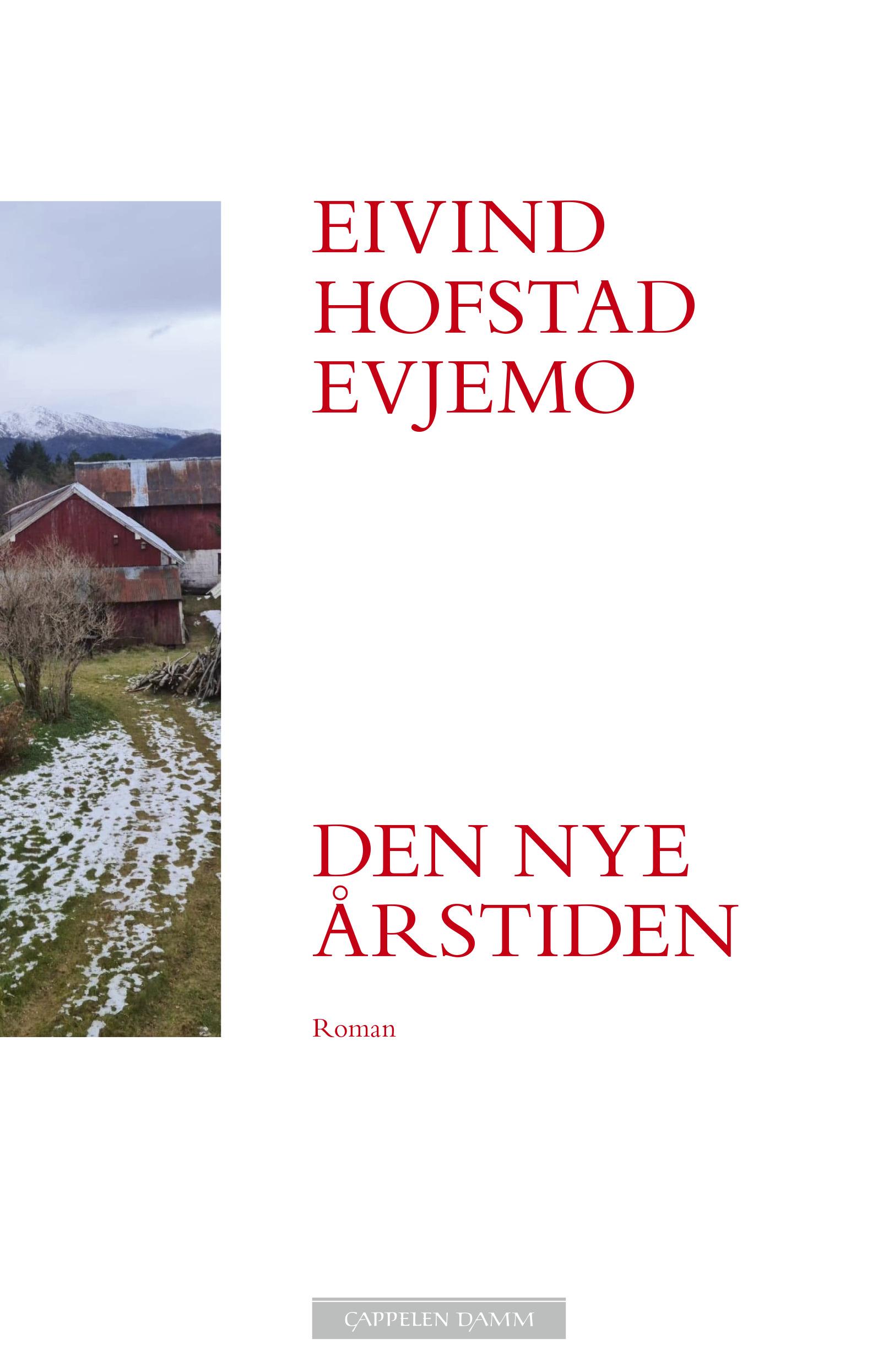
The New Season
Eivind Hofstad Evjemo
The great new novel about Norway, love and life as a farmer, and moving into a new time
The farmer has always been there. But what happens when the world, society, and climate changes – in ways that make it difficult to survive? Can the farmer still cultivate, create, build, live?
Hans Junior has a majority share to the farm somewhere along the coast of Norway. Together with Hans Senior, he runs it as a dairy farm. But when his father becomes ill, and later passes away, he ends up being responsible on his own. A single man in the house and a lot of animals in the barn.
One day the agricultural inspector Sylvi stops by to inspect the farming and animal welfare. She gets a cup of coffee when she’s about to drive away, as well as an invite for a ride on his boat. Hans Junior has an island he usually goes out to, where witchcraft was reportedly practiced in earlier times. Sylvi returns to the farm several times, and after a fairly short time she moves in. When she looks at Hans, she thinks: “There is my husband.” Both have always longed to belong to another human, and on the beautiful farm by the sea they experience a strong connection.
The cows in the barn start changing their behaviour, the Sitka spruce between the farm and the sea grows tighter – the nature is changing in challenging ways, and Sylvi and Hans do what they can. Sylvi is affected by an unexplainable illness and goes to their neighbour Siriporn, who’s just arrived from Thailand and offers massages from a room at the farm. Siriporn and Johan’s property borders ancient monastery ruins, and Siriporn has big plans for alternative operations.
The New Season contains lots of drama, is full of the sea, death and love, humans, and pets. The novel is moving and evocative. The mixture of realism and something close to apocalyptic is something truly unique. The world is changing, sometimes in ways we can barely imagine. The starting point for The New Season is traditionally Norwegian and classic, but the novel is simultaneously innovative – it explores how well-known landscapes are changed by the times we live in. All of this viewed through the gazes of two beautiful humans doing what they can to survive. The New Season is the first title of a planned trilogy.REVIEWS
The curse of the Sitka spruce«Hofstad Evjemo writes well. In a tactile manner. It smells strongly in the dairy building, the fireweed looms outside the windows. At the absence of rain, you can feel the thirst scrape your palate. (…) It’s told in a lively manner, with drive in its sentences. (…) it’s a joy to read The New Season. A novel which shines a particularly warning and especially important light on humans overstepping on nature. Because there will be a price to pay, as we all know. And the new season, where did it go? Well, it will come to us all, if it’s not already here.»BOK365.NOFive/Six stars
Practical farming for the apocalypse«… timeless picture of the apocalypse, which also holds mythical qualities. (…) Some of these renderings are close to the striking horror which can be found in the novels of Cormac McCarthy, without ever losing the work and days of the farmer from sight.»MORGENBLADET
A gem of a novel«The New Season is a highlight among this autumn’s titles, and will be remembered as one of the best Norwegian novels of the year.»ADRESSEAVISAFive/Six stars«The story flows calmly along, interspersed with glimmers of poetry and humour. It's all kept with tight, literary reins.»DAGSAVISEN«Beautiful and gripping novel about everyday heroism.»STAVANGER AFTENBLADFive/Six stars