Literature and Fiction2015 · 352 pp
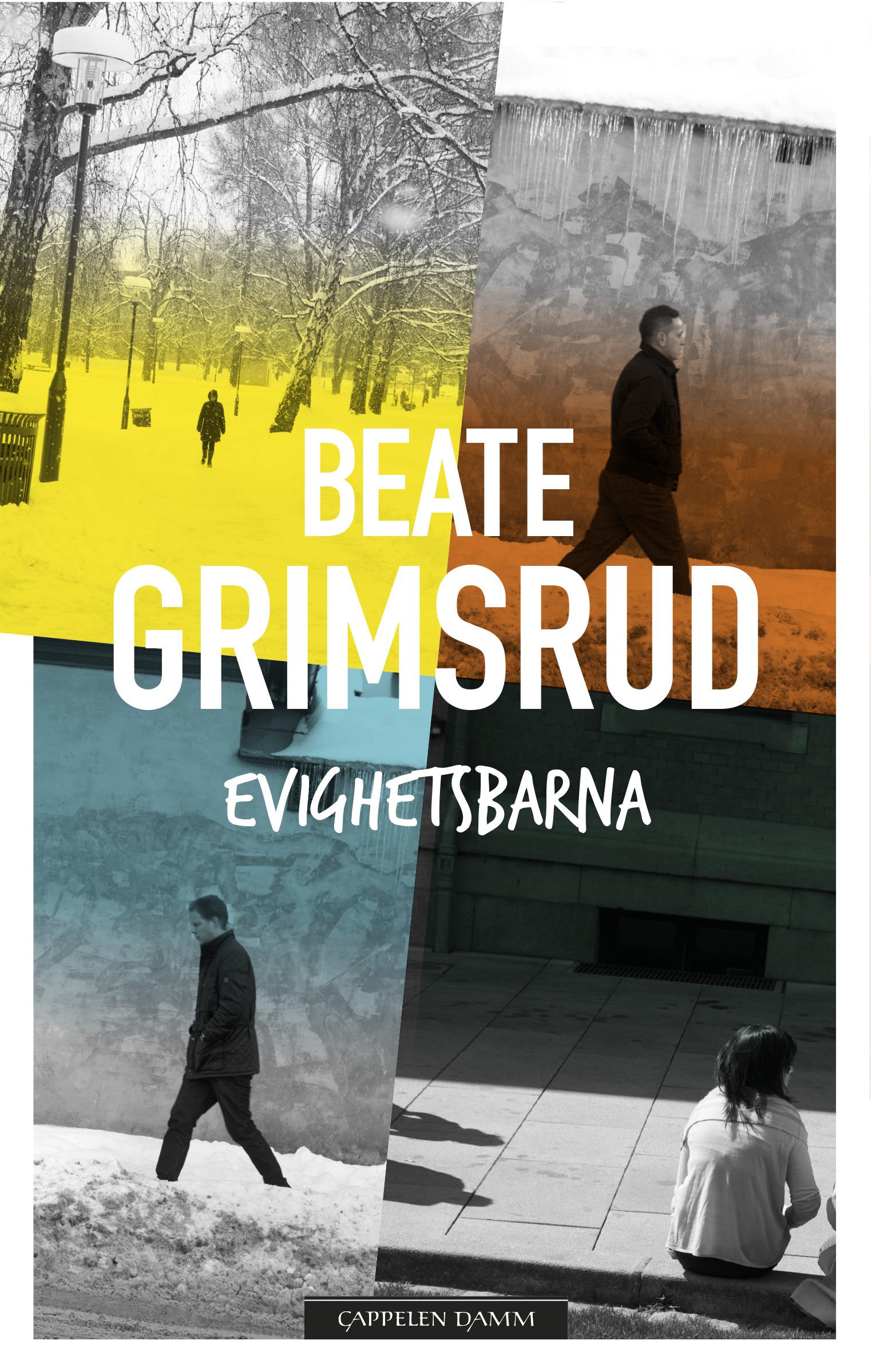
Children of Eternity
Beate Grimsrud
In Evighetsbarna we meet Siri, Louise and Tomas, who are trying to understand what it means to be adults as they are thrown into experiencing the contrasts between strong interdependence and stark loneliness one winter and spring on the island of Södermalm in the city of Stockholm. In her new novel, Beate Grimsrud tries to extend the bounds of narrative with her blending of realism with poetry, humour and philosophical gravity.
'I know of few authors who manage in this way to express the big existential and philosophic questions by describing people’s lives in short episodes which each end slightly unresolved. This is one of the autumn’s best and most important books.' ADRESSEAVISEN
'... her characteristic strength lies in going so far into existential situations that she normalises the madness. She turns things inside out, and writes about the most painful situations with a comic levity and most amazing images.' DAGBLADET
'Beate Grimsrud’s language is always close to experience and feeling, expressed in plain words without explanations or circumlocutions. We as readers are thereby compelled to see and experience the world in a new way.' P2
'Grimsrud has a fabulous talent for drawing the reader right into loosely coupled trains of thought which will make sense even to the most healthy. Even psychotic situations can seem logical within her linguistic repertoire.' AFTENPOSTEN
''Evighetsbarna' is a new reminder of Beate Grimsrud’s literary gifts and her intelligent, oblique view of the world and existence.' DAGSAVISEN
'Beate Grimsrud and her books have a rare quality, recognisable when you see it. […] outstanding book of the year.'STAVANGER AFTENBLAD
Reviews of the Swedish edition of Evighetsbarna:
'Altogether, this novel approaches the human condition with such sympathy and respect that my eyes watered as I read it. Grimsrud expresses in words the fundamentals of being human, and reminds us of obvious truths which we stupidly seem to have forgotten.' GÖTEBORGS-POSTEN
'Beate Grimsrud's greatness and strength – for she is one of our great Scandinavian authors – are in the voices, the spaces between the words, the rhythm, the flows of thought, the contrasts, the language. Despite her dyslexia she writes relaxed, strong, independent, soaring prose. It is often mournful and not infrequently funny – often both at the same time.' VÄSTERBOTTENS-KURIREN