FictionNon-fictionChildren's & YAAuthorsAbout us

Representing the authors and titles of Cappelen Damm for translation and adaptation rights worldwide.

Catalogue

  • Fiction
  • Non-fiction
  • Children's & YA
  • Authors

Agency

  • About us
  • Rights catalogues
  • Rights deals
  • News
  • Fairs & events

Get in touch

rights@cappelendamm.no
Stortingsgata 28, Oslo

© 2026 Cappelen Damm AS · Rights & AgencyPrivacy & cookiescappelendamm.no

Fiction

Literary fictionCrime & thrillerNarrative non-fictionChildren's & YASelf helpCook booksCrafts & hobbies

Browse

FictionNon-fictionChildren's & YA

Foreign rights

Rights sold

Genre

Children's Books902Literature and Fiction722Narrative Non-fiction336Self Help179Crafts and Hobbies146Mystery and Crime143Cook Books107UpLit82

Published

2025 and newer2020–20242015–20192014 and older

Rights sold to

Clear all filters

191 titles in the catalogue

Fiction2014 and olderClear all
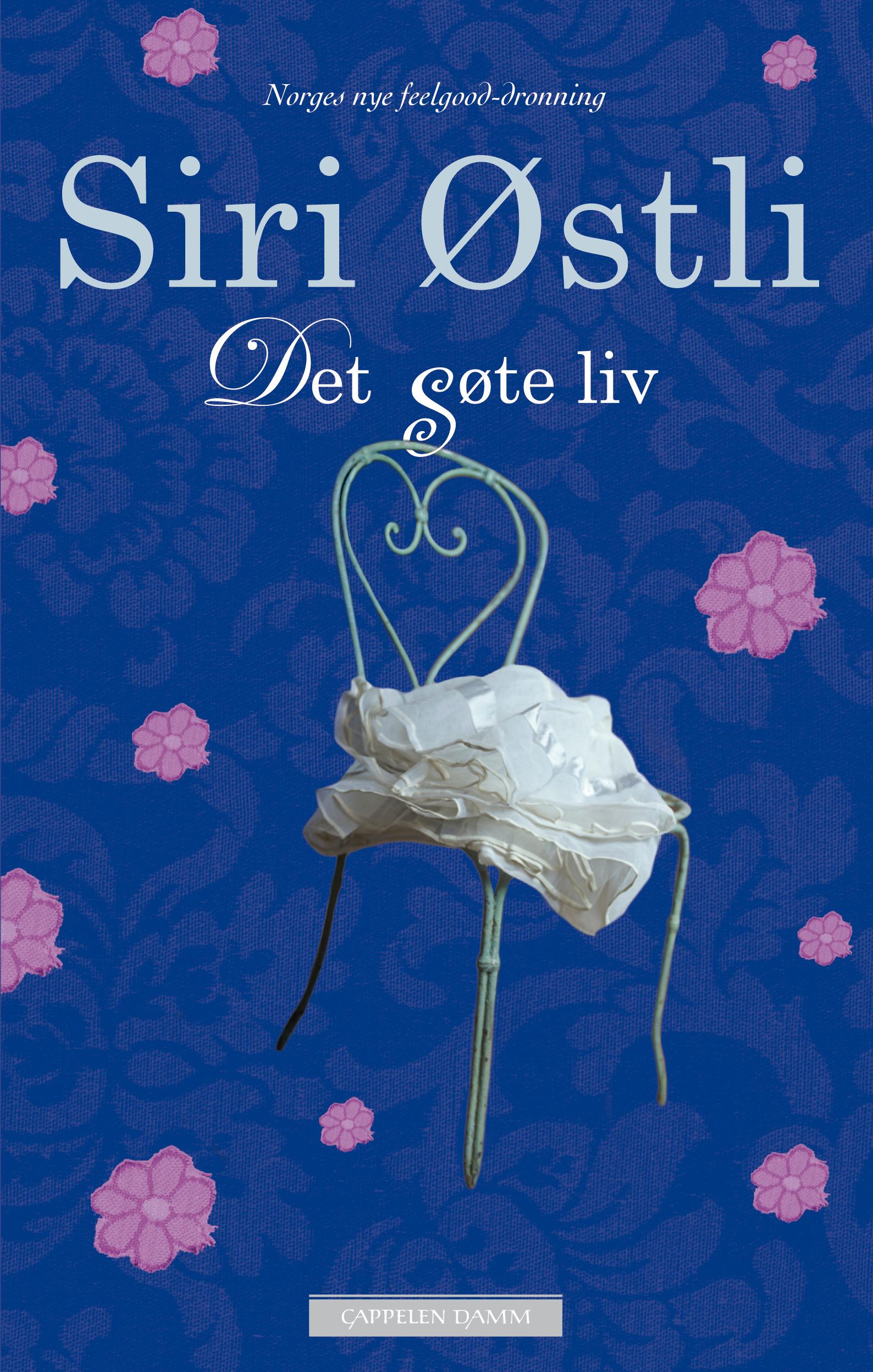
This Sweet Life
Literature and Fiction2011 · 432 pp

This Sweet Life

Siri Østli

Mari, Charlotte and Irmela are growing up in a small place called Barkestad. They are best friends and share everything – until Charlotte and Irmela have one of these juvenile rows and it ruins their relationship. A few years later, they all meet in Oslo's bohemian Grünerløkka quarter; Mari tries bravely to mediate between the friends, even though she has her own issues to deal with. So have all three of them, in fact. Mari, who is coping with post-natal depression, finds a note on the kitchen table. It's written by her beloved Peter, who has moved out and left her alone with nearly-new-born Lilja in an old, draughty house with the cellar stocked with fine wines. Irmela, impulsive as ever, has run away from her church wedding, right in the middle of the ceremony. And now she worries about whether she's married or not. Charlotte, who is goal-oriented, wants just two things: a permanent job as a journalist and the status of a fashion icon. But first she simply must help Mari to sort out her life and make Irmela realise that somewhere, her husband is waiting for her.

12…8910…1516
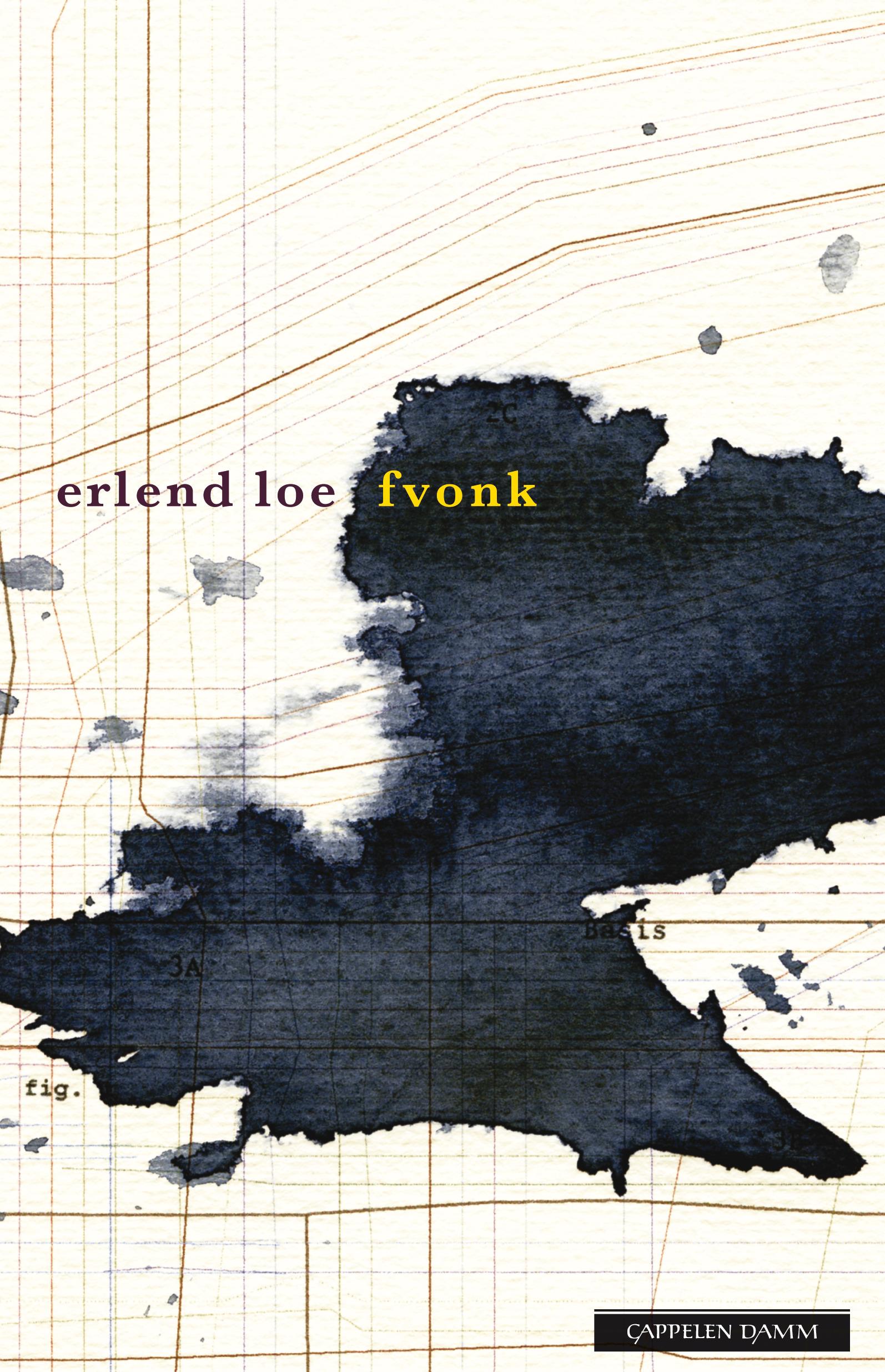
Fvonk
Literature and Fiction2011 · 176 pp

Fvonk

Erlend Loe

Just as Fvonk is contemplating life in general, a large, shiny, very clean car of a German make glides up the drive and stops without cutting the engine. It is black, has darkened windows and looks official. Fvonk resents all interference by the authorities and this one in particular. A few seconds later, the rear door on the right opens and a woman in her fifties climbs out. Irritatingly, the door makes a hollow, thumping noise – boom, boom, boom – a signal alerting everyone to the fact that it is open. The woman slams the door and checks her surroundings, making sure that she isn't observed by anyone except Fvonk. But there are just the two of them present – this woman and Fvonk. At the time when the Norway Hiking & Exercise Association was going through a rough patch, Fvonk was an employee. He can testify to the financial mess. Fvonk is deeply uninterested in culture. Then a lodger moves into his place, but not a Nobody. On the contrary, quite a Somebody. As it happens, his name is Jens and, as it happens, he is the Prime Minister. ‘With a bubbling joy of telling a story Erlend Loe creates a room where the country’s most powerful man can finally be himself. … Fvonk is first and foremost a highly entertaining book about a friendship out of the ordinary.’Vårt Land ‘Loe creates several entertaining situations with this cartoonish universe. Both on and between the lines a clear critique of The Norwegian Social Democracy’s ways of understanding and behavior can be found.’VG ‘Like most of Erlend Loe’s books, this too is a light read, light philosophy, lightly consummated. But it is not necessarily simple as a result. Because if you liked Naiv.Super. or Tatt av kvinnen, you will like this one too.’Sandefjords Blad ‘It is hard to imagine why Jens Stoltenberg felt offended by Loe’s story, because it is sensitive, sympathetic and wonderfully naïve, in best Loe style. The narrative is a stream of consciousness – often, stretching over entire pages as thoughts, separated only by commas, are reeled off at a headlong pace. It gives the novel and its language an authentic and overflowing tone that suits the two protagonists.’ Jyllands-Posten, DK ‘Laugh and have your heartstrings tugged by Erlend Loe’s new novel about Fvonk … Fvonk is filled with warmth, craziness and tiny, precise detail; it is one of the kind of stories that one swallows whole in a great gulp, despite its mad, unbelievable plot.’ Weekendavisen, DK ‘A true Loe book.’ Elle, DK ‘Yet another funny novel by Loe about the role-playing we do in our daily lives and about the need to be oneself that goes along with it, despite everything – also, one hopes, true of the powerful in the land.’ Politiken, DK ‘Erlend Loe has got a grip on both the Prime Minister and ordinary people in his ironically affectionate novel full of social criticism. Behind the power there is always a human being. Behind every book there is an author. Erlend Loe is one of those able to see through all the trappings in a way that elicits both smiles and tears, but never a malicious laugh. Which is very well done.’ Fyens Stiftstidende, DK
Rights soldSold to 8 territories
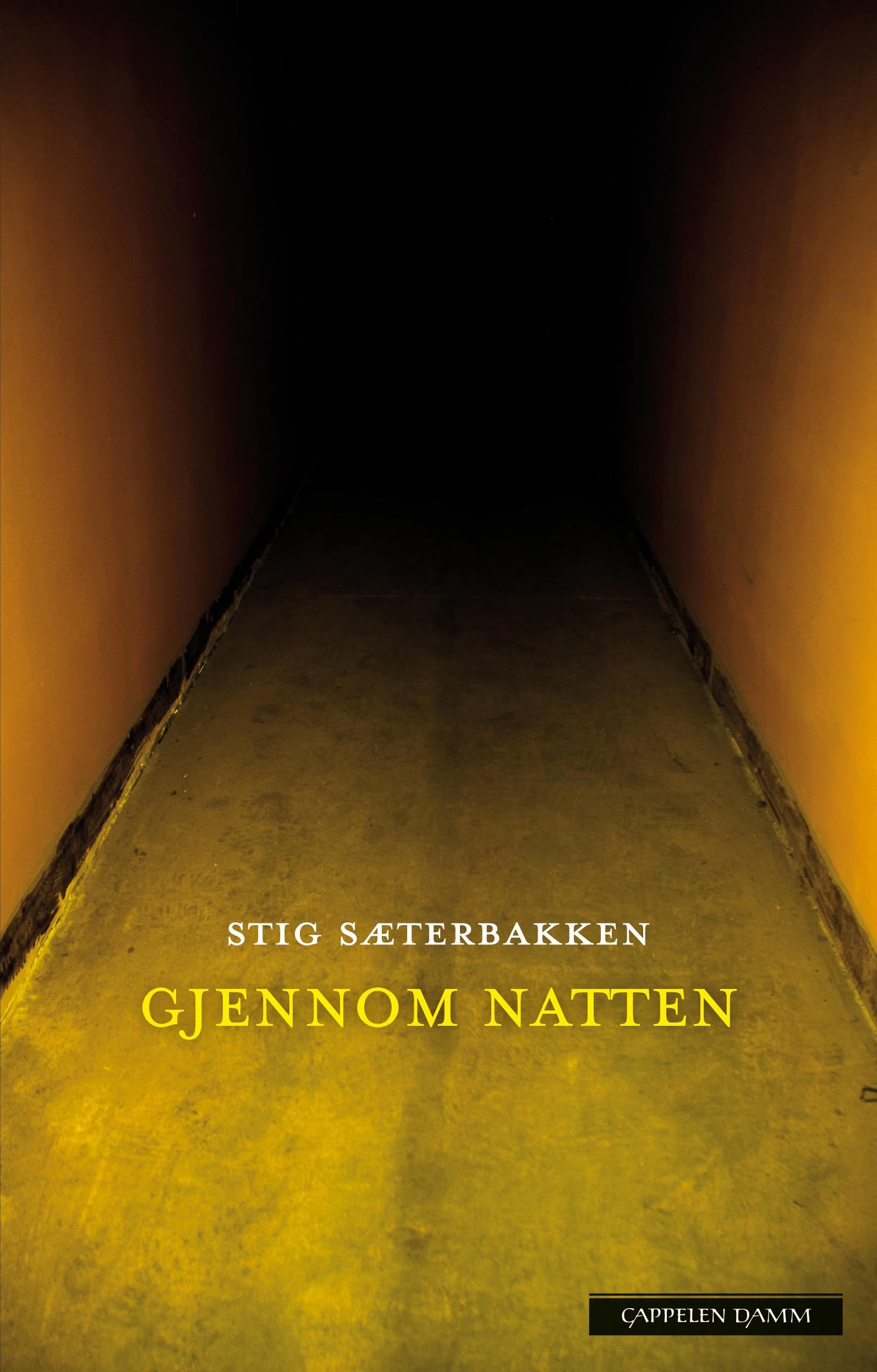
Through the Night
Literature and Fiction2011 · 272 pp

Through the Night

Stig Sæterbakken

Dentist Karl Meyer's worst nightmare comes true when his son, Ole-Jakob, takes his own life. This tragedy forms the springboard for a complex and diverse novel, which asks essential questions about human experience. What does sorrow do to a person? How can one live with the pain of unbearable loss? How far will a man be driven by the grief and despair surrounding the loss of his child? Gjennom natten is a dark story, drawing on elements from dreams, fairy-tales and horror stories, as it explores the mysterious ways of sorrow and love. ‘Stig Sæterbakken’s novel Gjennom natten must be one of this year’s most fabulous ones – in the fabulous books’ darkest, most heart-rending way.’Vårt Land ‘Stig Sæterbakken’s first paragraph in the novel Gjennom natten is a brilliant start to a black and heart-breaking journey in mourning.’VG ‘Garanteed one of this year’s best novels … This is Sæterbakken at his best, and Norwegian literature doesn’t get much better than this.’Adresseavisen ‘… a language which makes you hold your breath in the right places, and chase from side to side, from room to room, as if in a suspense novel.’Aftenposten ‘Stig Sæterbakken sounds deeper than most writers, and with Gjennom natten he has added a new dark, painful and artistically successful novel to his authorship.’Stavanger Aftenblad ‘An almost inapproachable theme, which writer Stig Sæterbakken circles in in a way which can be called a literary feat of strength.'Dagsavisen ‘A black, merciless masterpiece from Stig Sæterbakken … It is painful, but also rewarding to read, first and foremost because Sæterbakken writes extremely well. The language never becomes a shield or a filter, to the contrary, it drills into the darkness, with a precision and ingenuity in the use of images which paradoxically feels like a relief.’Dagbladet ‘This novel by Stig Sæterbakken is strong and fine and deadly serious, en ambitious, excellent narrative in a stylish and simple, but effective language.’ Dag og Tid ‘Sæterbakken writes about the labyrinth of sorrow and does it beautifully.’ Gudbrandsdølen Dagningen ‘As the novel moves on to take place in that house, you know the one, in Bratislava, you really feel as if the entire experience of reading vanished into the night. You can’t quite work out what is going on, but your spine is tingling with anxiety.’ Bergens Tidende ‘You do know the feeling, don’t you? Wishing that the book would never end? Your attempts to hold back to make reading last, not read too much in one go? Such books are rare. But Stig Sæterbakken’s latest novel Gjennom natten is one of these.' Fædrelandsvennen

Rights soldSold to 8 territories
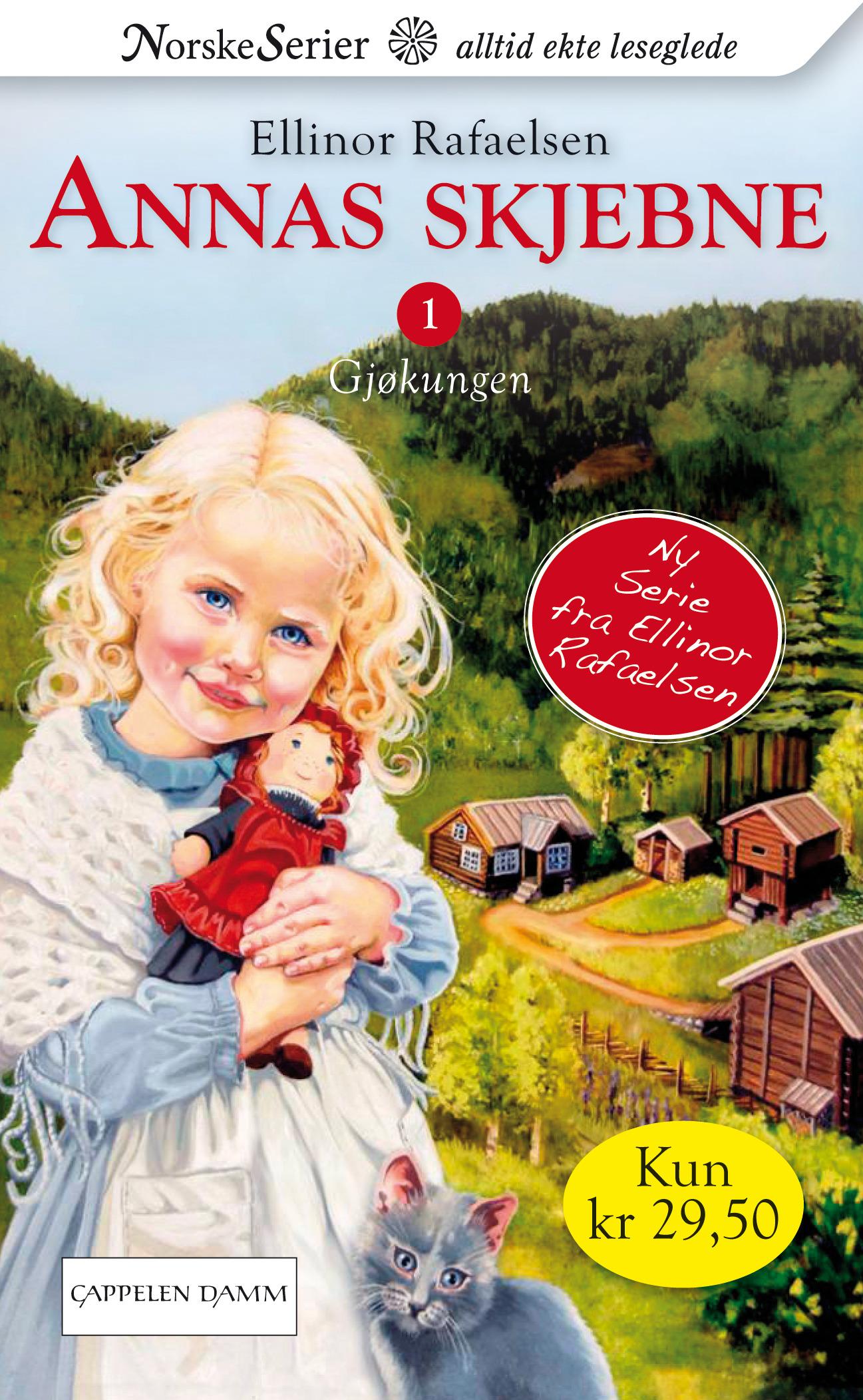
Anna's Fate
UpLit2011 · 256 pp

Anna's Fate

En kald vinterdag hentes fire år gamle Anna Johnsen av vergerådet. Hun plasseres hos Helga og Nils Bergmoen, som er dypt religiøse, og som ser det som sitt kall å redde henne fra det syndige livet i Ura. – Jeg vil bli med deg, hvisket hun med lav og skjelvende stemme. – Ikke denne gangen, vennen min. Moren gråt nå. – Jeg kommer tilbake og henter deg, det lover jeg, hvisket hun og tørket sine egne tårer før hun løftet hånden og tørket Annas våte kinn. – Jeg ville bare ikke reise før jeg hadde sett deg og sagt adjø, men jeg skal skrive … og jeg kommer tilbake.

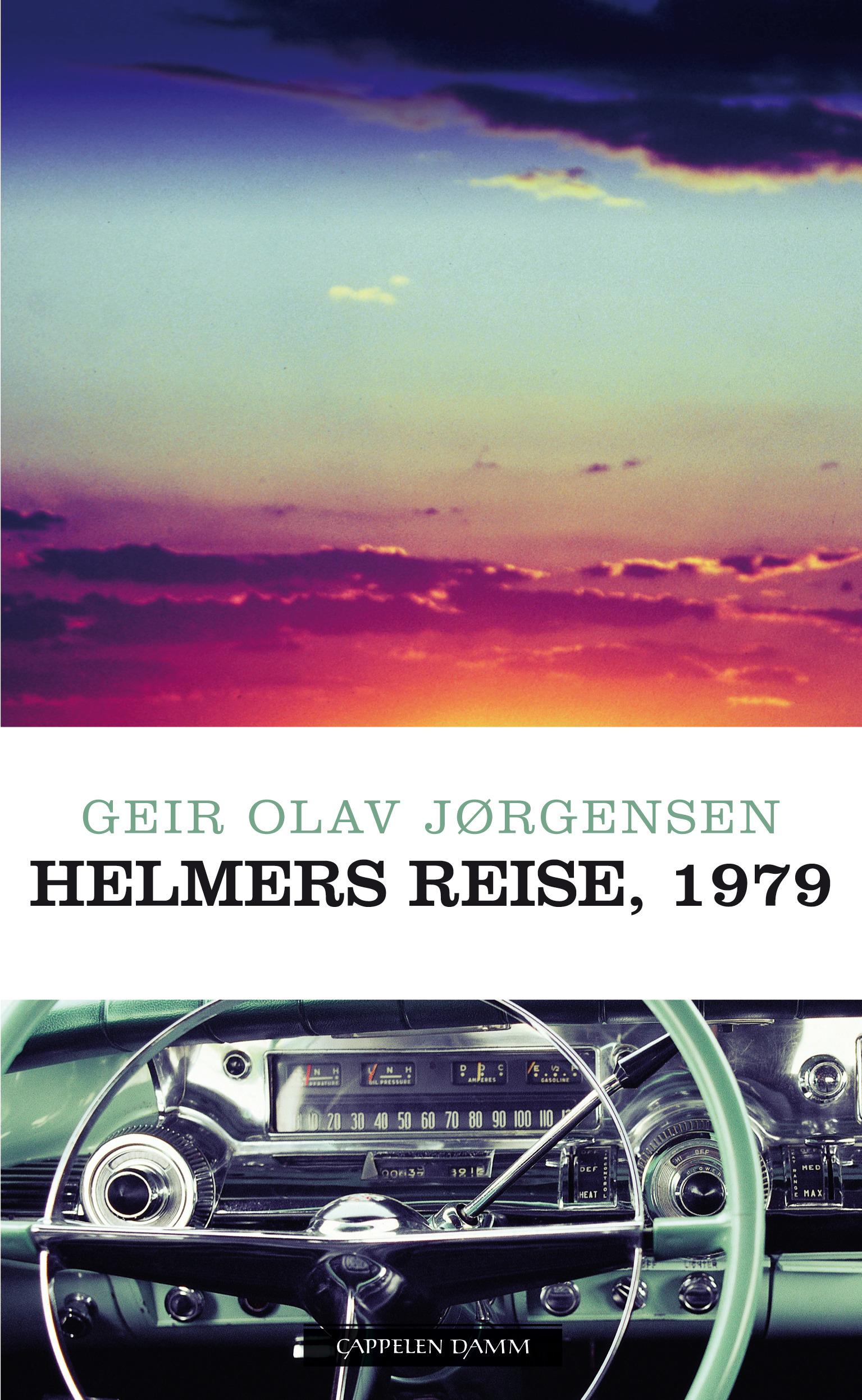
Helmer's Journey, 1979
Literature and Fiction2011 · 192 pp

Helmer's Journey, 1979

Geir Olav Jørgensen

“Doing casual work had made him learn how to be a fixer. As he moved about, he liked striking bargains, spruce himself up and catch any chances that came his way. He bartered goods against jobs, and job against goods, or, indeed, goods against goods and jobs against jobs. Wheeling and dealing created movement, life. It was his way of playing.” Helmer, the vagabond, is a man with a keen eye for both women and cosmos. One warm evening in June 1979, he said goodbye to his girlfriend, Judith. His plan was to work in a hippie-style collective, where he has been before. He drives off across the mountain at night. At first, the journey looks like a promising road movie. But life turns out different: he is taken on a dark odyssey and soon Helmer’s soul is at stake. "A man wipped out of his inner self. This is effectivelly portayed. Both deceitful and honest."VÅRT LAND"An original and engaging tale."VG

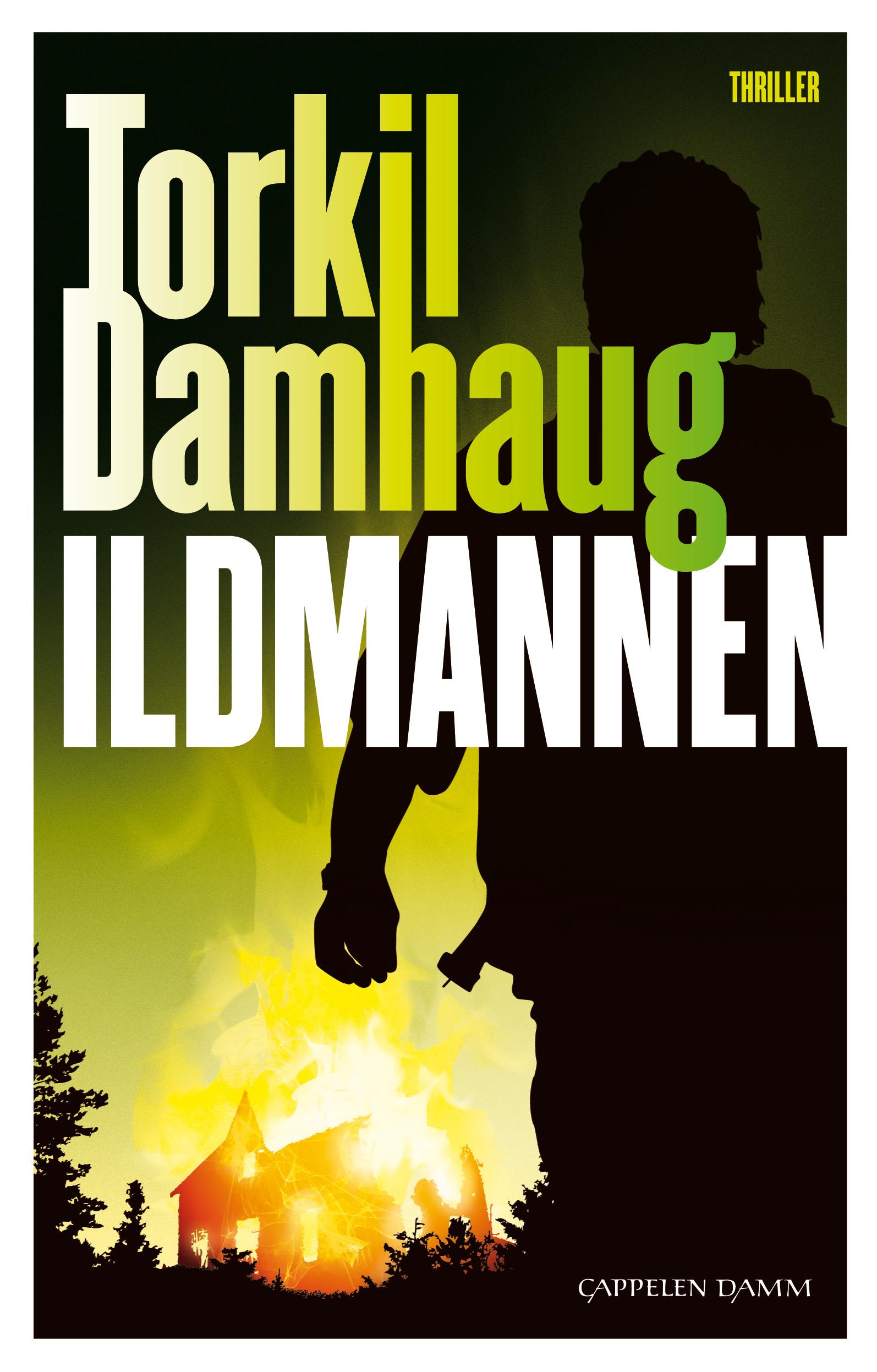
Fireraiser
Mystery and Crime2011 · 496 pp

Fireraiser

Torkil Damhaug

A fireraiser is active in Lillestrøm during Easter in 2003. He is obsessed by the cleansing effect of fire and wants to use it to wipe out everything that reminds him of his youth. Around this time, 18 year old Karsten falls in love with his classmate Jasmeen, but their romance brings the tempers of her tradition-bound Muslim family to boiling point. To protect himself from Jasmeen’s threatening family, Karsten joins a secret brotherhood of elder peers, only to discover that the group might be much more dangerous than he could ever imagine. During the Easter days, Karsten disappears. He never returns. Seven years later, Karsten’s sister Synne decides to find out everything she can about what happened when Karsten went missing. But her private investigation will have awful consequences, arousing slumbering but dangerous memories. And the fireraiser, quiescent during the intervening seven years, is now watching Synne’s search for the truth with intense interest... ‘Ildmannen is a hot candidate for top ranking among this year’s works of crime fiction. Damhaug demonstrates his formidable skill as a writer ... a wholly convincing novel, his best to date.’Dagbladet‘And it must be established, once and for all, that Damhaug delivers with a tremendous flourish. This is probably the best, most exciting Norwegian thriller/ crime novel that anyone will read this year.’Moss Avis ‘Does Ildmannen meet our expectations? Yes. Is this book even better than his earlier ones? Yes, I swear by Freud, Jung and Lacan, I do believe it is, and no mistake. ... It will be an uncommonly strong end to the autumn book season if Ildmannen doesn’t end up as the best work of crime fiction this year.’ Dagens Næringsliv ‘I would unhesitatingly insist that by now Torkil Damhaug is recognised as one of Norway’s outstanding thriller writers.’Romerikes Blad ‘Torkil Damhaug exploits his psychological tool-kit actively; suppressed memories and other handy notions are used deliberately to wind up the tension in his narrative. And it is exciting, with an effective and surprising twist right at the end.’ VG ‘Once again, Torkil Damhaug delivers a strong autumn book. Some of the passages in his thriller about an arsonist are so intense one’s hair stands on end.’ Bergensavisen

Rights soldSold to 8 territories
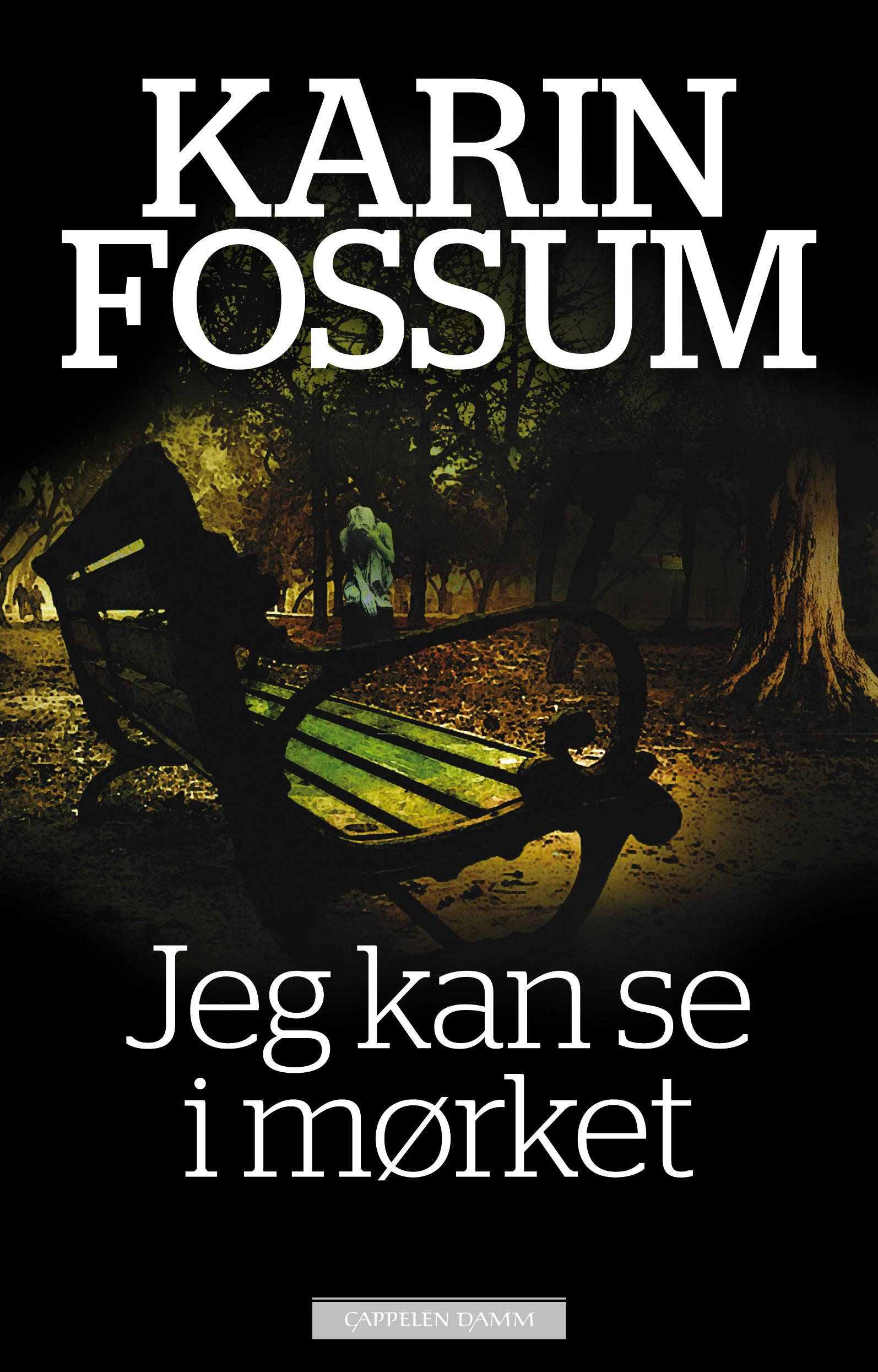
I Can See in the Dark
Literature and Fiction / Mystery and Crime2011 · 224 pp

I Can See in the Dark

Karin Fossum

Riktor is the protagonist in Karin Fossum's new crime novel. He has worked for many years in the Løkka nursing home and seems to be normal, quiet and polite. He is often left on his own to manage patients with many and complex care needs. He torments them at every opportunity – pinches the skin at the back of their necks, pulls their hair. Medication that might have soothed their pain is poured down the loo and syringe contents injected into the mattress. Riktor is, simply, the «Nurse from Hell». He is a loner, but when he encounters Arnfinn, a man with a severe alcohol problem, a kind of friendship grows between them. Then, one day, Riktor comes across Arnfinn extracting money from his wallet. That's the end of Arnfinn: Riktor kills him unhesitatingly. A few days later, DI Randers turns up and charges Riktor with the murder of one of the elderly patients in the nursing home and locks him up for a crime he didn't commit. The tension and suspense of the narrative are as much related to the insight into Riktor's dark mind, as to the case against him. Will he be found innocent of the old lady's murder? Will he be charged with killing Arnfinn? ‘Karin Fossum deserves great praise for her stringent language and impressive psychological insight in her new, dark novel.’NRK ‘The language in itself makes her new book worth reading. … Fossum's sentences are vivid and crystal clear, free of redundancies, and in this novel they come with a rhythm which seems to be perfectly in tune with the content.’DAGBLADET ‘A story in which the reader is driven forth by intensity and the unmatched mastery of language.’DAGSAVISEN ‘By making the “I” of the story its narrator, the author has created a difficulty for herself which demands a firm grip and all-round control. Fossum has what is needed, together with chiselled, brisk and very persuasive language with many facets and nuances.’ VG ‘She challenges, entertains and frightens you. Karin Fossum’s writing is exceptionally good. The protagonists have an intense presence and she somehow “paints” people’s stranger sides.’ TRØNDERAVISA ‘Karin Fossum’s shows her mastery at two levels. Her language is outstandingly precise and varied. It never tends toward grand, metaphorical. Also, there is her insight into the unknown, sometimes murky depths of the human mind, as for instance Ricktor’s - a leading character.' TØNSBERGS BLAD ‘The book is written in a poetic, vivid language. It is exciting despite not being crime fiction in the usual sense of the word. The story is tense and from time to time unsettling for the reader but it is impossible to put it down (…) I predict that Karin Fossum will be awarded several prizes soon.’ OPPLAND ARBEIDERBLAD ‘Karin Fossum has delivered the goods again and written a brilliant crime novel.’ TELEMARKAVISA

Rights soldSold to 10 territories
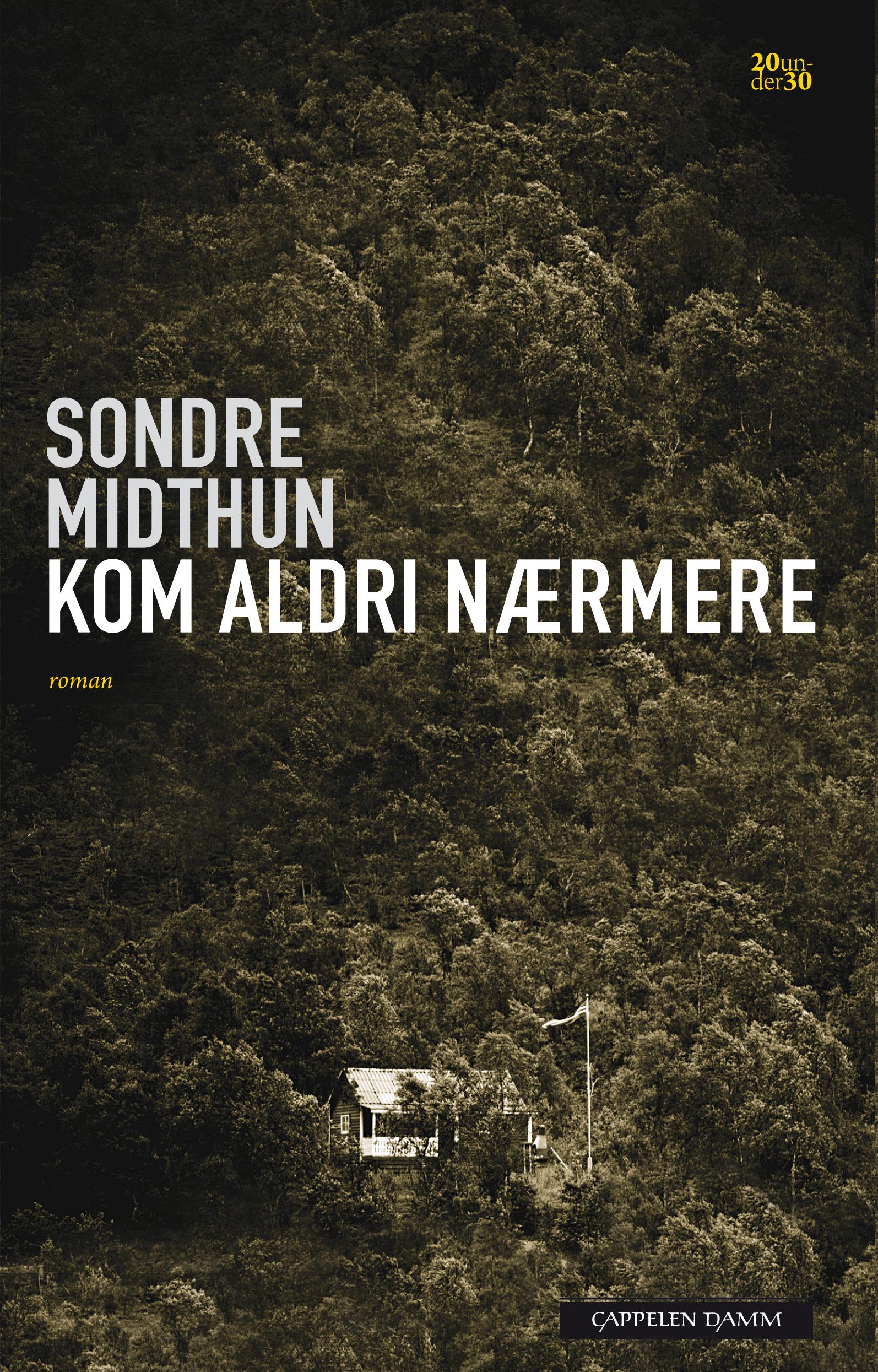
Don't Ever Come Closer
Literature and Fiction2011 · 232 pp

Don't Ever Come Closer

Sondre Midthun

Kom aldri nærmere begins on a summer's day: on holiday in the family cabin, the father drowns his son's dog in the pond. A child's perspective on life changes as a family and a friendship slowly approach their dissolution. How to restore what has been ruined? What are the limits of desperation and longing for a young boy? The son will remember the fatal moments near the cabin for ever – seven years later, he returns to the place to confront his father at last. Kom aldri nærmere is a novel that deals with devastating changes and their side-effects, as they happen. It is about loss, grief and a tormented father's all-encompassing anguish. ‘This is a nerve-wracking novel which is hard to put down.’Avisa Nordland‘One of this autumn’s strongest [literary débuts] … Midthun writes with a sensitive and controlled language, and with a distance which keeps the content from being suffocating.’Dagbladet‘Kom aldri nærmere is a mature literary début. Midthun has a light and steady pen, the story is told in a quiet and straight-forward tone, which suits the content well.’Adresseavisen‘…what distinguishes Kom aldri nærmere from ordinary books is a crystal clear language. Midthun always resists the temptation to exaggerate the use of words. The dramas are played out at a natural pace, and are told in a sober way through the young boy’s eyes and ability to observe. … Sondre Midthun makes his debut with a classical story that hurts.’Aftenposten‘What makes the novel good is not its originality, but its weight and consistency. The author has followed his thoughts all the way through, the painful ones too.’Dag og TId‘Extremely strong – with so much insight into the incredible ways of life – from such a young author.Gjengangeren‘This is a book which disturbes and moves the reader!’Porsgrunns Dagblad‘Midthun writes with empathy, in pure style and credible, when he explores the consequences of aggression in the home, and how the fear of it can impact a child from one day to the other.’Universitas

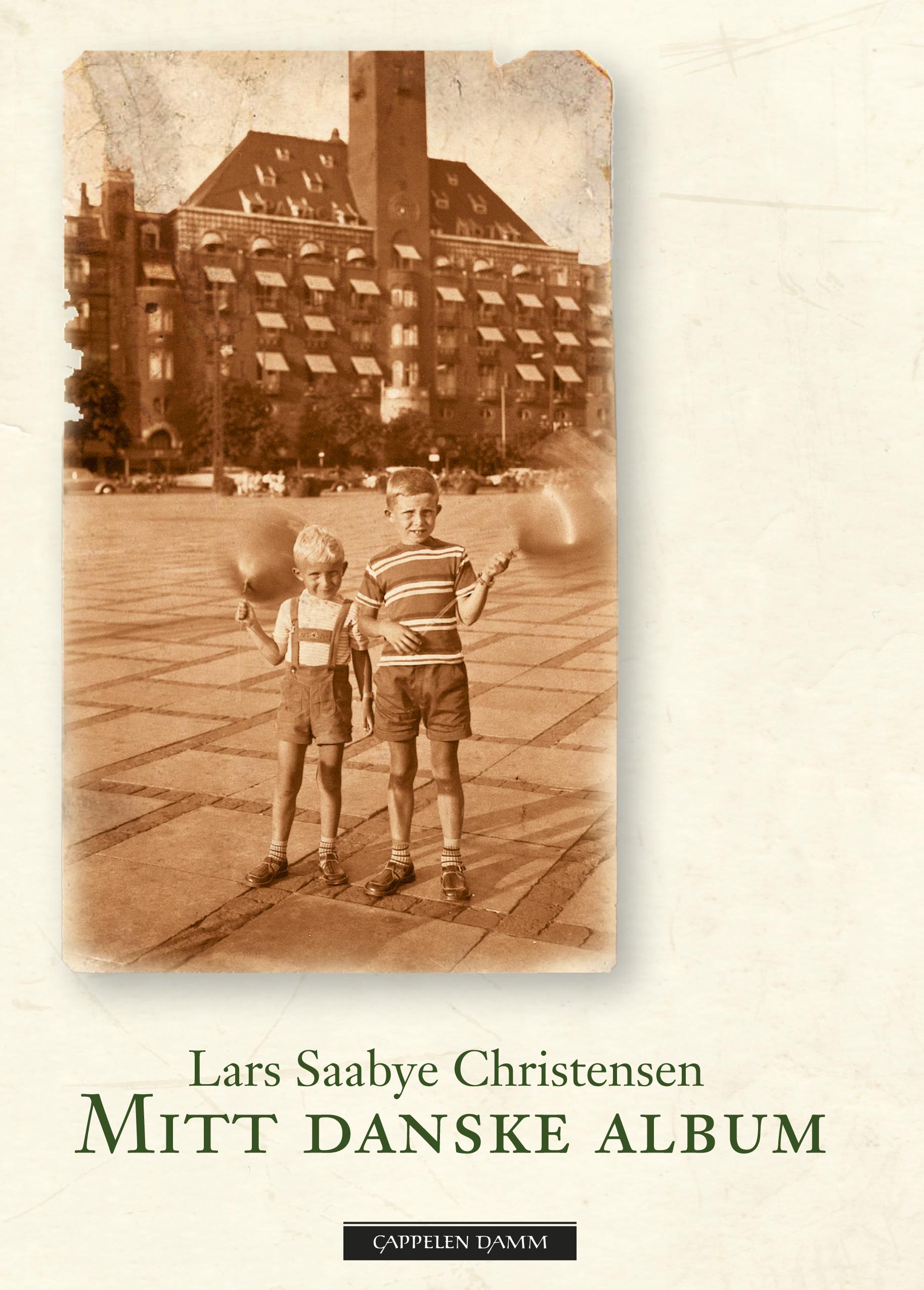
My Danish Album
Literature and Fiction2011

My Danish Album

Lars Saabye Christensen

Lars Saabye Christensen has always had a special feeling for Copenhagen, his now deceased Danish father being the essential link. Mitt danske album is a collection of poetry and prose about the author's exploration of himself, his family and the city. It is beautifully illustrated with family photographs and contains a section in which his father, Mogens Hjort Christensen, the Copenhagen lad who grew up to be an architect, tells us about his childhood. And about the family trip by car through Sweden to Denmark, when little Lars kept clutching his small blue suitcase in his arms, while big brother calls him a loser. «A charming little book of remembrance ... a loving, redemptive portrait of a father and a relaxed, amusing history of his family through three generations.» From the review in Politiken, when Mitt danske album was published in Denmark this spring. It was enthusiastically received.

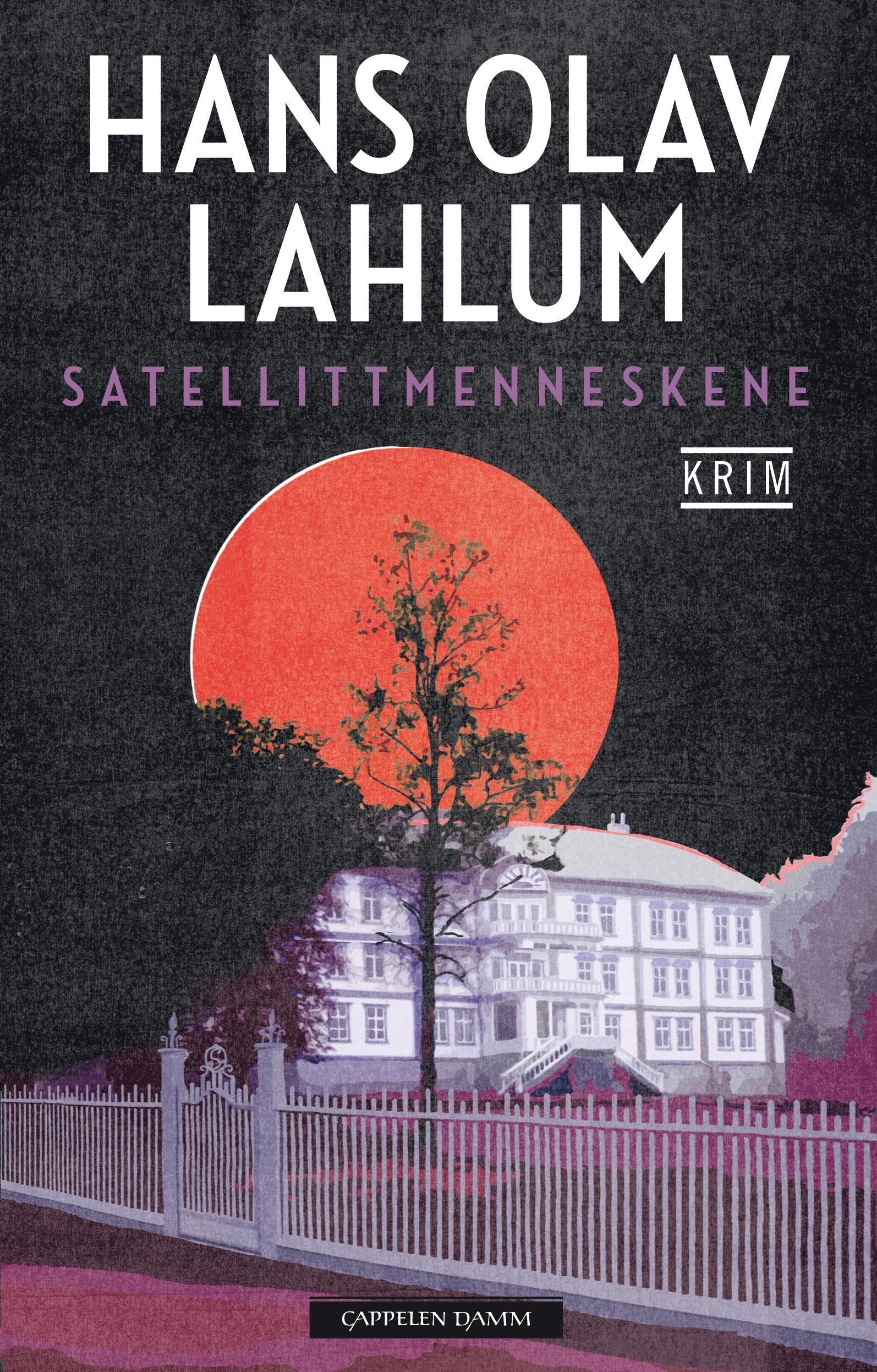
Satellite People
Literature and Fiction / Mystery and Crime2011 · 320 pp

Satellite People

Hans Olav Lahlum

The date is 10th May 1969, a Saturday. DSI Kolbjørn “K2” Kristiansen is in his Oslo office when he receives a phone call from Ferdinand Schjelderup, the legendary multi-millionaire and resistance fighter. Schjelderup wants to see DSI Kristiansen about a family matter: one of his nearest and dearest is planning to kill him. Before the meeting takes place, Schjelderup collapses and dies during a Sunday dinner, at which ten members of his circle are present. The powerful, much disliked patriarch has been poisoned and the murderer sat at his dining table. Exactly on which seat is the question that drives this thrilling crime story. The plot thickens, as one mysterious letter after another warns of further deaths among the guests at Ferdinand Schjelderup's last meal. DSI Kristiansen needs help and he seeks it from his secret consultant, professor Borchmann's part-paralysed, witty daughter Patricia Louise I. E. Borchmann. Hans Olav Lahlum's Satellittmenneskene is in the classical mould of crime fiction – as close as possible for a book published in 2011. Satellittmenneskene is a thought-provoking, engaging novel about characters whose lives were part of an important period of modern Norwegian history. ‘Refreshingly old-fashioned and genial … Satellittmenneskene is impossible to put down. It contains a forceful drive and demands the reader’s full attention, because here there is a lot to keep straight. Bulls eye once again.’Six out of sixOppland Arbeiderblad‘Thorough retro crime fiction … If you like the classical crime novel as it was created by Arthur Conan Doyle and Agatha Christie, you should immediately go and buy Hans Olav Lahlum’s Satellittmenneskene.’Dagbladet‘Here is style. Lahlum puts his own finger print on this work, as he did with his previous novel. We are talking “Lahlumian” here. There is no one like him. Dealing with such a particular pen is so liberating. And with a mysterious plot, carefully constructed, and delightfully free of unneccessarily detailed voilence.’VG Rights sold to: PORTUGAL (ASA II Edições - Grupo Leya), GREECE (Fantastikos Kosmos Publications), KOREA (Kugil Publishing, Co., Ltd), GREAT BRITAIN (Mantle /Pan MacMillan).

Rights soldSold to 7 territories
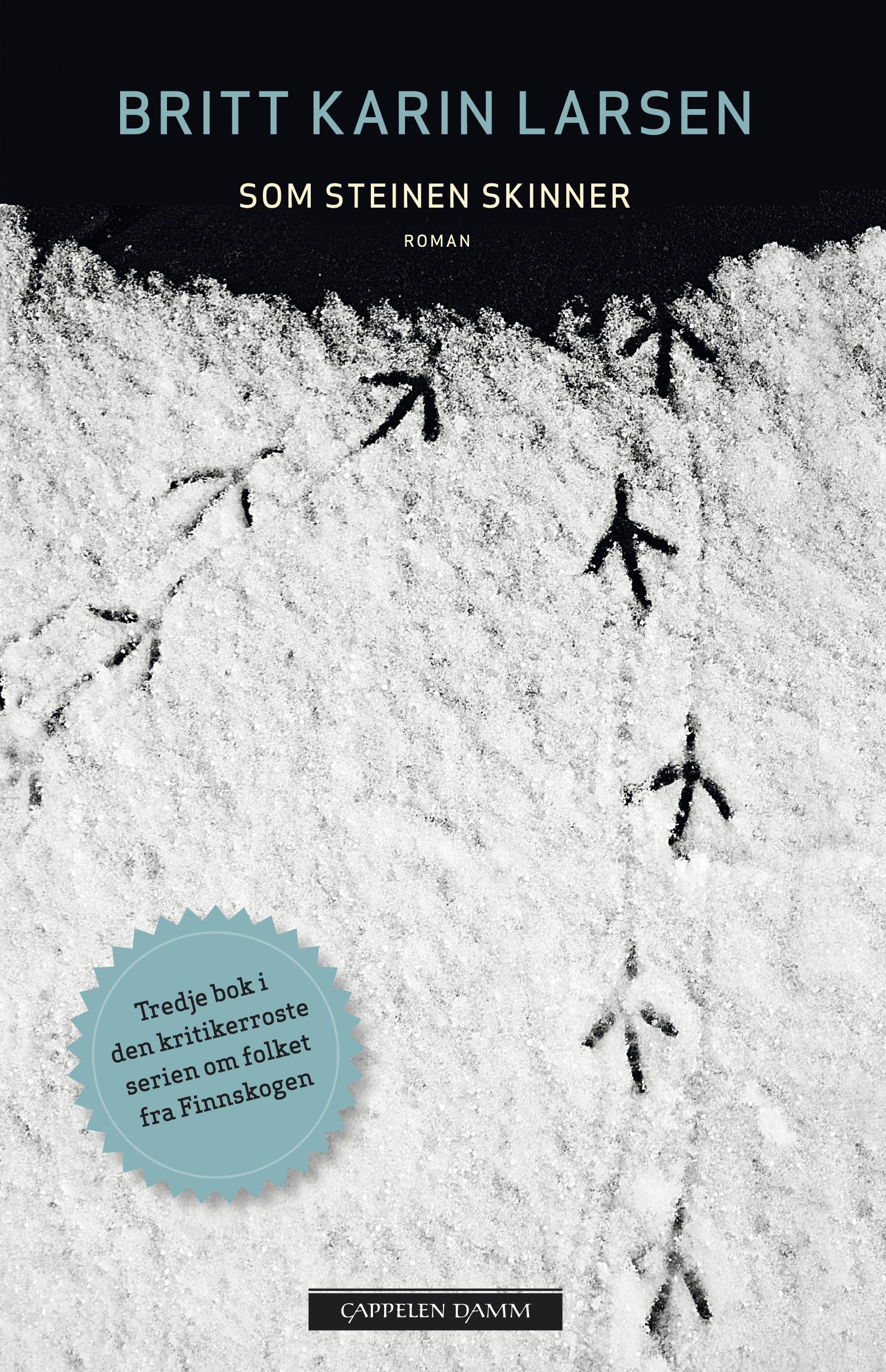
How the Stone Shines
Literature and Fiction2011 · 304 pp

How the Stone Shines

Britt Karin Larsen

The critics lavished praise on the two first novels about the family on Mostamägg, which took us into the deep Forest of the Finns, and also let us glimpse life in 19th century Christiania. This, the third book in the series, follows the lives of Finnish forest dwellers. To find and cultivate new land was part of their age-old culture and many of them immigrated to North America. They found that the forest Indians had many cultural similarities to themselves. Perhaps it was to be expected that they should have more in common with the “wild” natives, rather than the European immigrants. This time, we can read about Kerstin and Erik's early experiences in the country where, as soon as they stepped onto the quayside, they were accosted by ”helpers” who preyed on the naivety of the newcomers. Above all though, the narrative is about the lives of Lina and the others, who have stayed in the huge forest on the border between Sweden and Norway, where nature is as important – if not more so – as the people. Other core themes in this book are those of children who cannot bring themselves to forgive their parents and parents who cannot accept their children's choices. Perhaps the most painful state is that of not being able to forgive oneself, albeit for an act committed in deep despair? ‘The third book about the people in Finnskogen is at least as gripping and as stylishly written as the two previous volumes ...I am convinced that Britt Karin Larsen deserves at least one prize for this series of novels.’TARA (6 out of 6 points)‘Poetic and beautiful … Britt Karin Larsen’s very personal and lyrical language sets her apart from other Norwegian writers.’VG‘A strong content and lovely language … Britt Karin Larsen was awarded a prize for her trilogy about the travelling folk. Now she deserves another handful of prizes.’Dagbladet‘A shining memorial stone … Our expectations are completely fulfilled, and regardless of whether or not there is another novel in this series, Larsen has already erected a splendid literary memorial stone to the Finns of the forest. ... Nonetheless, it is the narrator’s – Britt Karin Larsen’s – literary virtuosity and sure sense of dramatic tension that lift these books far above the average historical novel.’Østlendingen‘… a new series by Britt Karin Larsen, the storyteller. It is a wide-ranging epic, written with generous inventiveness but which also contains subdued lyrical passages describing nature. And everything is precisely balanced to create the coherence that characterises this series of novels.’Hamar Arbeiderblad‘The story about the people in the forest never slips out of control. It begins from the beginning and goes on until the end, and so we suddenly find ourselves enriched by having shared a whole new kind of life.’Vårt Land ‘Britt Karin Larsen is an author who is dedicated to one project and this makes it stand apart from those usually created by contemporary writers.’Klassekampen‘Go to Finnskogen! … Som steinen skinner sustains the same high standard as the two previous books about the people in Finnskogen. ... Larsen’s books are not only unusual, they are unique.’NRK

Rights soldSold to Finland and Sweden
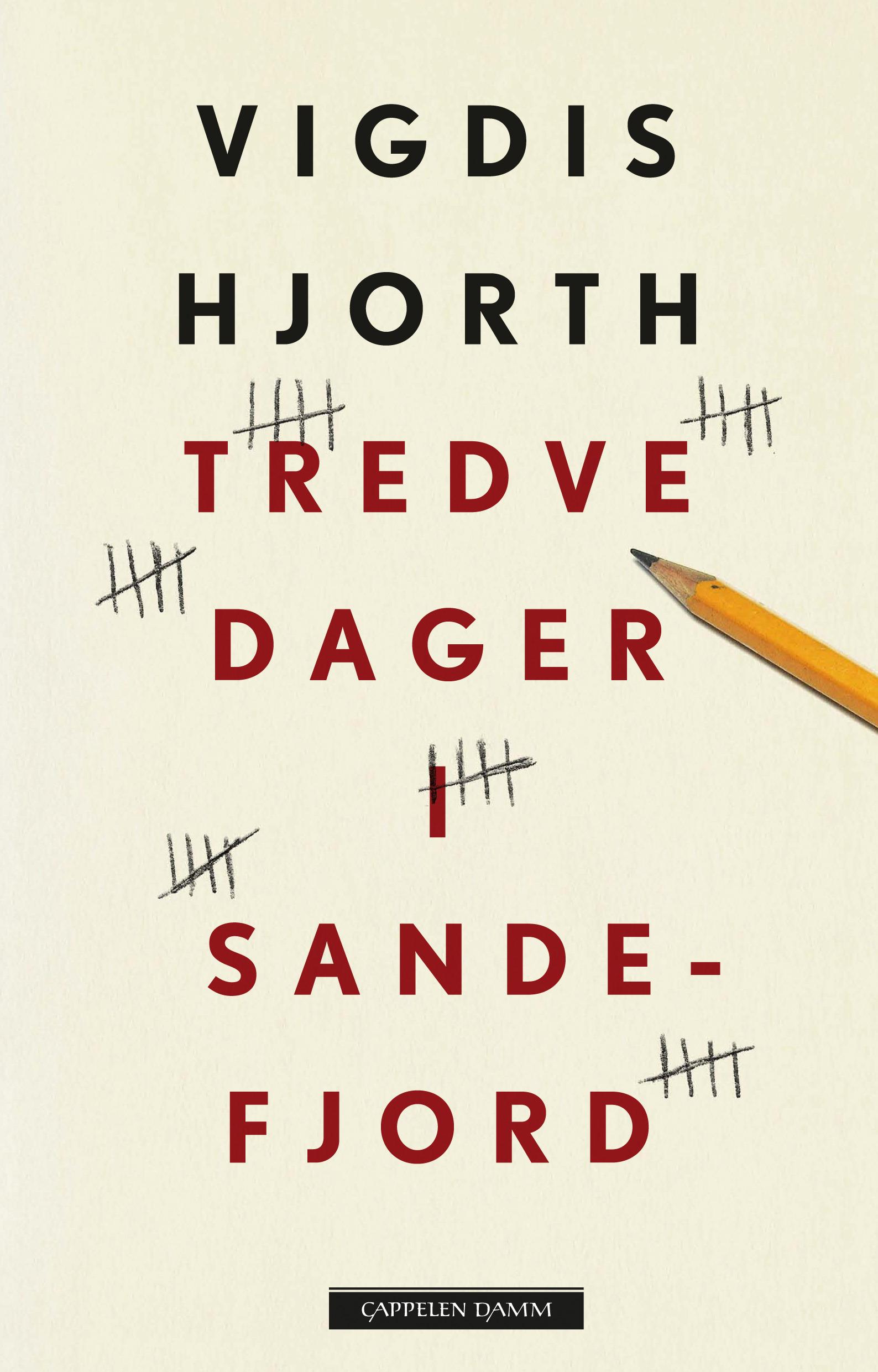
Thirty Days In Sandefjord
Literature and Fiction2011 · 272 pp

Thirty Days In Sandefjord

Vigdis Hjorth

Vigdis Hjorth constantly renews herself, now with a new novel. Recently, Hjorth has received glowing reviews for her recent novel Talk to me, and the highly prestigious Gyldendal Prize 2011 for her authorship in its entirety, as well as enjoying the terrific success of the film based on her classic story for young people Jørgen + Anne is true. In Thirty days in Sandefjord, she investigates the psychic states generated by being held captive: the woman at the centre of her novel has a one-month prison sentence. The writing illuminates the exceptional, strange and almost absurd condition of 'being inside' and analyses the effects it has on this resourceful woman. She compares it to returning to childhood, to being ten years old once more and the new girl in the class: how you respond by keeping a very low profile, accepting humiliation, withdrawing. As part of what the author shows to be the practical results of punishment, her protagonist feels put under guardianship, infantilised. The tone of the storytelling is both direct and literary, and the narrative offers unforgettable portraits of other prisoners. This is a challenging, thought-provoking account of how a Norwegian prison for women is perceived by those inside it.

Rights soldSold to Denmark and Norway