Narrative Non-fiction2023 · 224 pp
Wolverine Tracks
Dag O. Hessen
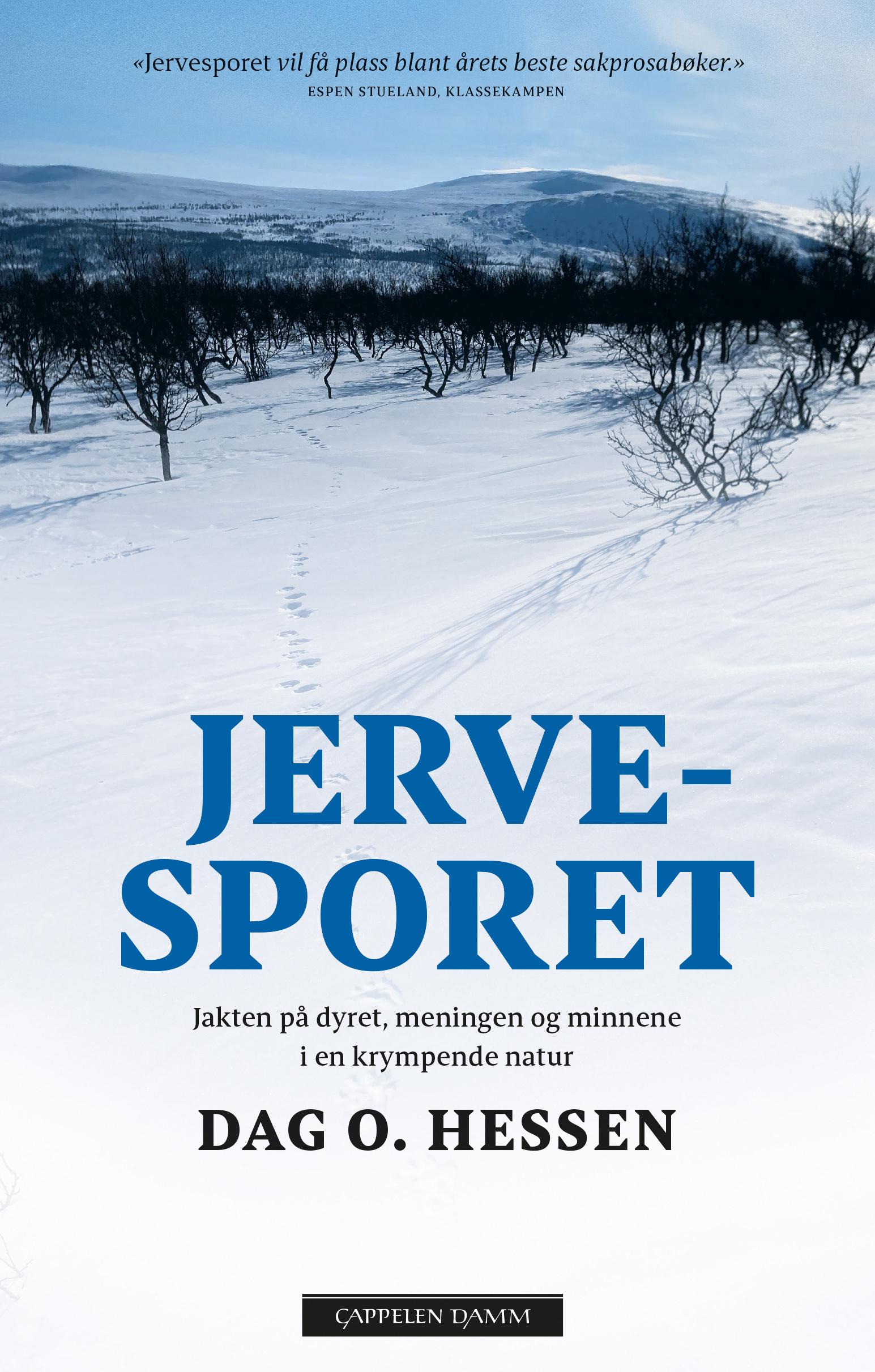
One day in February 1972 Dag O. Hessen is on a ski trip with his father in the mountains when they come across a wolverine track in the snow. The young Dag convinces his father to follow the trail, but after half an hour of searching the imprints of the predator disappear down a steep passage and they have to give up on their hunt.
50 years later he’s back at the same place to pick up on the trail of the animal that escaped him. His father is now long gone, but the mountains are still there and somewhere out there is a wolverine.
Tracking the Wolverine is Hessen’s most personal book so far. It’s a portrait of Norwegian nature’s most fascinating and shy animal, so compact in its wildness and power that there is hardly anything like it. An animal with a jaw strong enough to bite through even the thickest thigh bones and enough power to take down an animal many times its own weight, bite its head off and then drag its body up a tree. Seeing the animal in its natural habitat is a rarity only very few people get to experience.
The wolverine, and the desire to meet the wild animal, is the framing of the story taking place in the mountainous nature. But this is also a story about time passing and changes we cannot prevent. About everything that slips through our fingers. The things we cannot completely catch and tame: A childhood long gone, close family members who have passed, the wild nature and a natural diversity which is about to weather away. And at the bottom of all of this lies a deep affection and respect for nature and biology, presented by one of Norway’s most respected non-fiction authors.«... several of the country's non-fiction writers should envy his effortless elegance and ability to find formulations like this one, about the author's fascination for the wolverine as 'a primal force, the wilderness in animal form, everything that is lost in an increasingly tame residual landscape.'»MORGENBLADET
«Hessen the poet rises to his full height. This he has threatened to to in previous books too, but not dared to take the leap, perhaps? But this book was worth the wait. Hessen shows the tender and weary nuances in life, and in nature. The nature descriptions are touching. I feel I am gazing into the mountains, and feel, in an animalistic way, that life is good.»
«He is our Thoreau, in the year 2023.»
VÅRT LAND
«Dag O. Hessen’s Tracking the Wolverine will place as one of this year’s best non-fiction books.»
«The book deserves a place next to the author’s own favourite cabin reads: Zappfe, Thoreau, and Ingstad.»
BOKMAGASINET/KLASSEKAMPEN