Literature and Fiction2014 · 192 pp
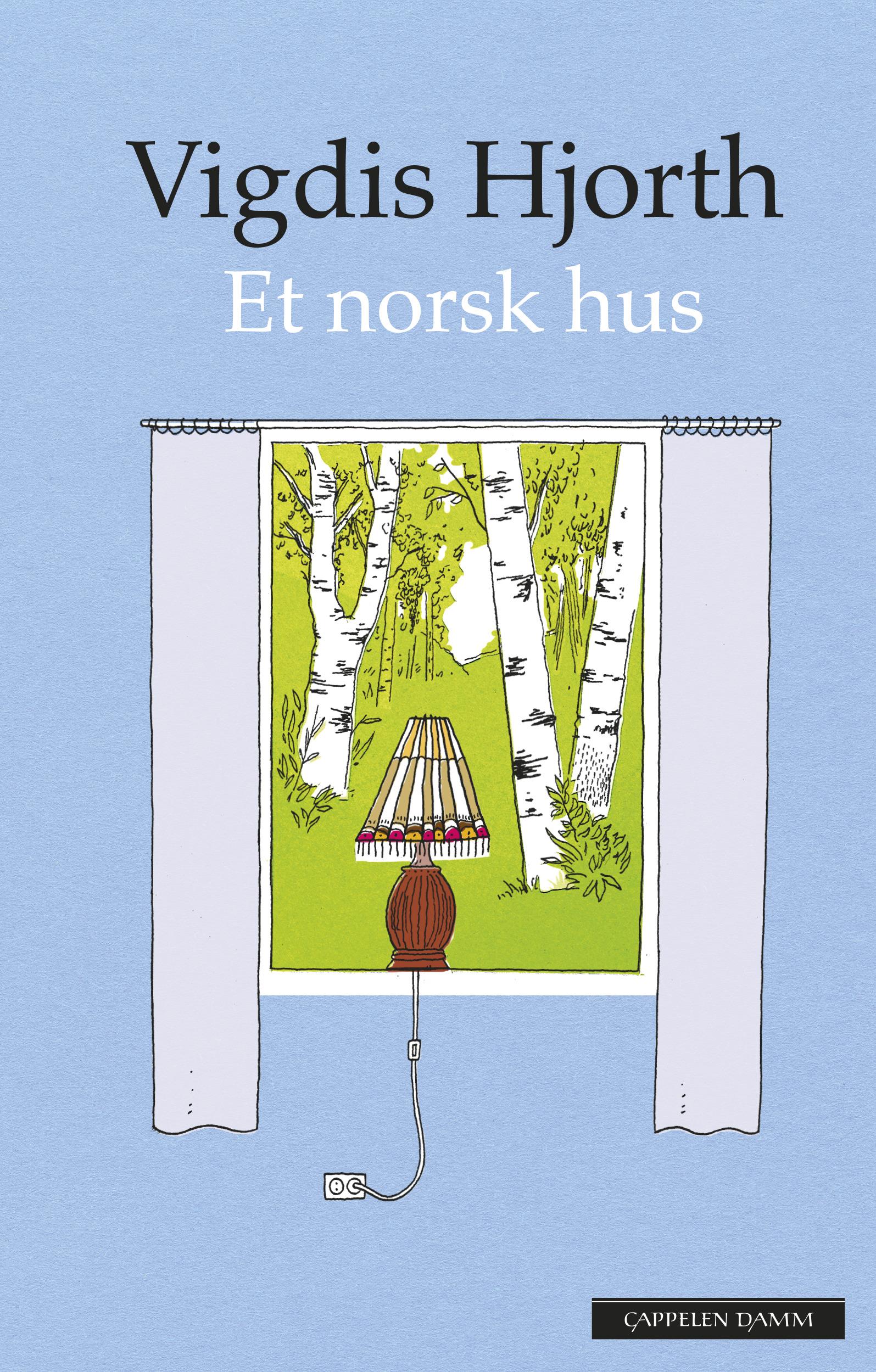
A Norwegian House
Vigdis Hjorth
A Norwegian log cabin plays one of the main roles in Vigdis Hjorth's new novel. What does it mean to own a house or land, to look after it and rent it out? Alma is a divorced, middle-aged textile artist who makes standards for marching bands and trade unions for a living, and who, for that reason, rents an apartment to a Polish family. One day, Alma is given an assignment requiring empathy and creativity: to make a carpet which will be displayed as part of an exhibition for the anniversary of the constitution and which should focus on the 100th anniversary of women being given the right to vote. Alma is flattered and accepts, but soon wonders if she's in over her head. Where should she begin? When, at the same time, she enters into a conflict with her Polish tenants, Alma's perception of herself as a good Norwegian feminist is challenged and she finds that her very existence is on shaky ground.
A house in Norway is a novel about the joy of creating and gaining recognition and the despair in realising that this recognition is difficult to translate to reality. So is it really worth it?
‘... a great novel that is plausible and realistic, but which has a metaphoric potential that the author cleverly never points out.’ DAG OG TID ‘Vigdis Hjorth has never been afraid of the banal or clichéd. She also has an uncanny ability to write through the hackneyed and stereotypical to something more painfully existential. This is one of the reasons that I am becoming more and more appreciative of her authorship. ... An important book about the dilemmas facing us all, about the relationship between what is familiar and strange and about Norwegian self-awareness.’ AFTENPOSTEN ‘Just as profound, existential and original as always. ... As always when I read Hjorth, it strikes me how deeply she thinks. And how elegant and original she is in her formulation of these thoughts.’ DAGBLADET ‘I don’t know how she does it, but I must say I’m impressed. Vigdis Hjorth always has her finger on the pulse of Norwegian society. ... There is a fire in everything she writes – a fire that Alma in this novel thinks must smoulder in young souls – and I think that Vigdis Hjorth gets older and wiser and younger and more passionate with every book she writes.’ NRK.no ‘A great book about the distance between ideals and everyday challenges.’ TRØNDER-AVISA ‘Hjorth unmasks us again, this time in a novel about inequality in the world’s richest country. Pressing questions and a prism of today’s Norway.’ KLASSEKAMPEN