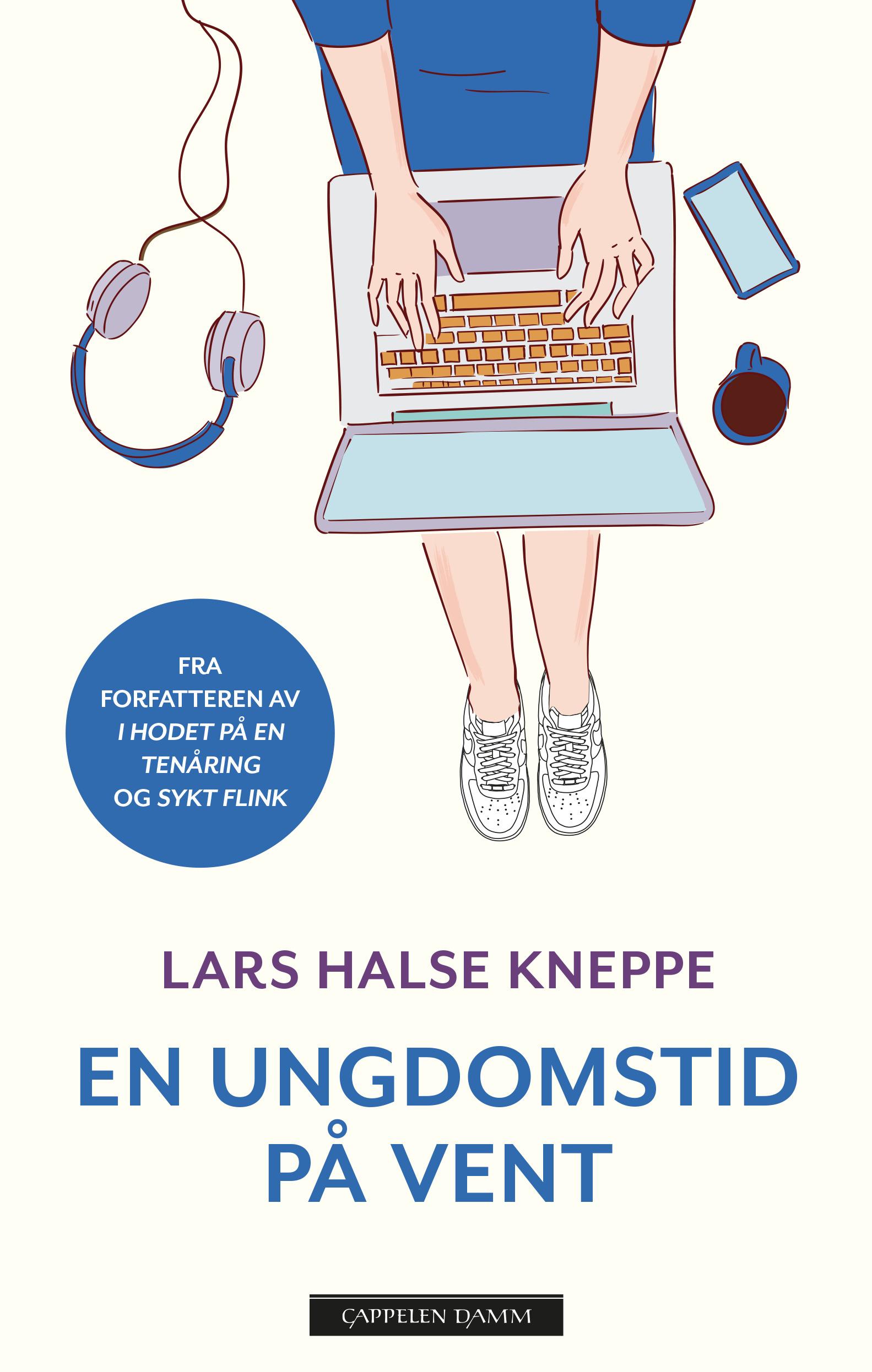
Lars Halse Kneppe
As a psychologist at a Norwegian high school in Oslo, Lars Halse Kneppe has spent the entire pandemic visiting schools and spending time among young people. The world was changing from week to week, and no one knew how long it would last. There has been much written about the youth during the pandemic, but Kneppe has met these young people who are the cause of scary statistics and worrying numbers. Behind the numbers are real humans with their own stories who can complement the impression we get from graphs or statistics. In this book Kneppe shares the stories of the youths, about how they’ve been coping during the pandemic, but also after the world opened back up. To understand what the youth has been through, and in order to meet them halfway in the aftermath, it’s more important to listen to their stories rather than reducing them to numbers as part of a statistic. This is an exploration of time and an insight into the day-to-day lives of the teenagers throughout the pandemic; how were they feeling and how were they doing, and how have their experiences affected the teenagers many refer to as the corona generation?
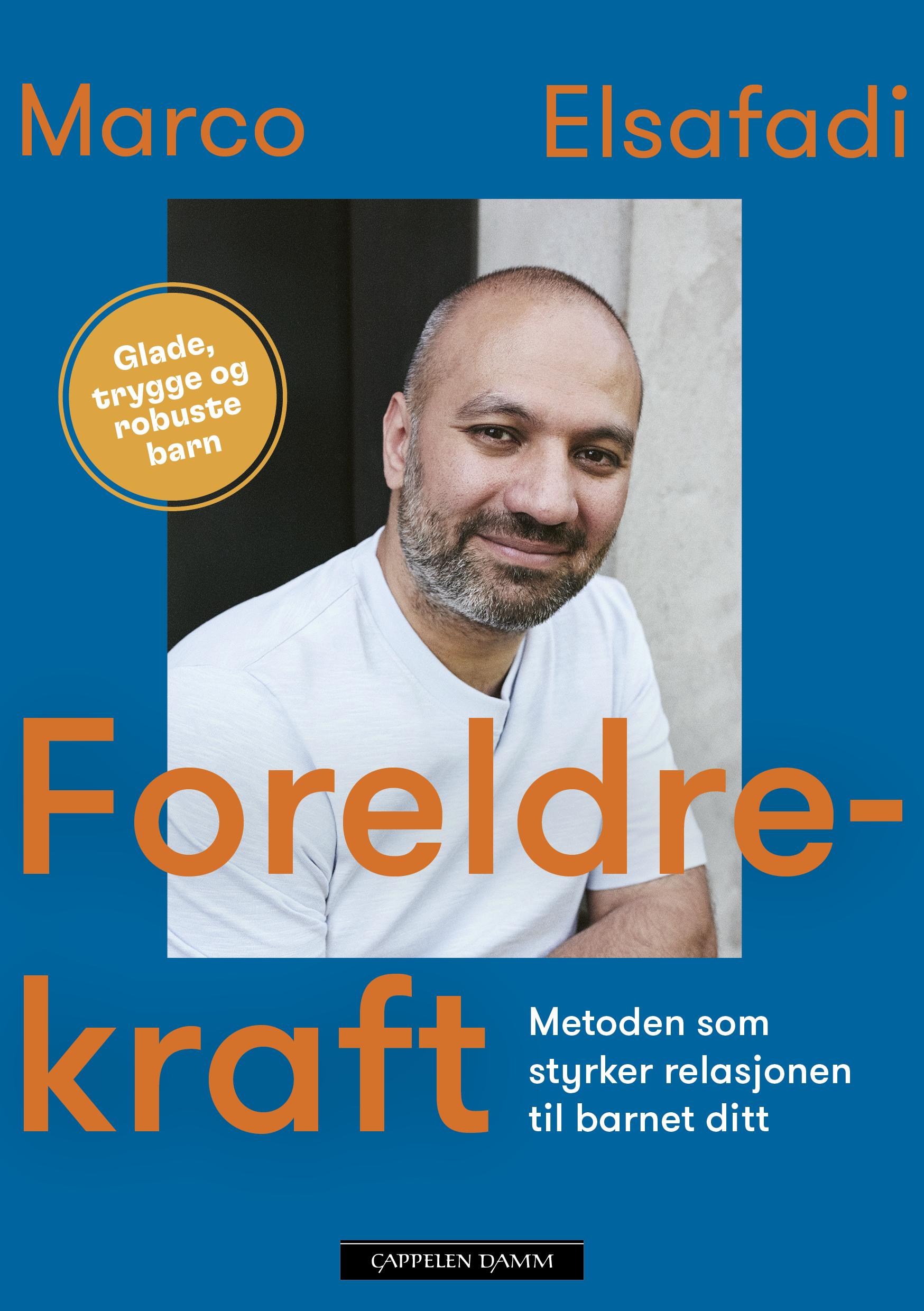
Marco Elsafadi / Nina Lødemel
As a parent you can help your child develop a strong and positive mindset. You can offer help to handle difficult emotions. You can parttake the good times and support the child’s curiosity as it explores the world. But how do you lay the groundwork for this good communication, and how can you strengthen it? In Parenting Power, youth worker Marco Elsafadi offers you the tools you need to get closer to your child. He shares his very best techniques on how to meet and understand your child in the best possible way – as well as how you can recognize the pitfalls when they first appear. It really all comes down to investing the time and effort – what you put into your relationship with your child while they are still living at home. Which questions should you ask, and which conversations should you have? The fights between parent and child can seem unnecessarily large if you don’t understand each other when situations arise. When you take their feelings seriously, your child will learn that they can come to you and share news, get support and comfort. Their safe haven. If the child feels loved, prioritized, and acknowledged, the desire to explore will come naturally and the chances that they will become a confident and independent young adult is high – which again will create strong and healthy relationships with other children and adults. Marco Elsafadis’ reflective, whimsical, and warm style of narration will both engage and touch anyone who reads this book. His goal is to help you become a calmer, more confident and harmonic parent, whose appropriate and constructive reactions become a natural part of your reflexes. By following his methods, you will be able to better connect with your child – right now, but also later in life.