FictionNon-fictionChildren's & YAAuthorsAbout us

Representing the authors and titles of Cappelen Damm for translation and adaptation rights worldwide.

Catalogue

  • Fiction
  • Non-fiction
  • Children's & YA
  • Authors

Agency

  • About us
  • Rights catalogues
  • Rights deals
  • News
  • Fairs & events

Get in touch

foreignrights@cappelendamm.no
Stortingsgata 28, Oslo

© 2026 Cappelen Damm AS · Rights & AgencyPrivacy & cookiescappelendamm.no

Rights catalogue

Literary fictionCrime & thrillerNarrative non-fictionChildren's & YASelf helpCook booksCrafts & hobbies

Browse

FictionNon-fictionChildren's & YA

Foreign rights

Rights sold

Genre

Children's Books902Literature and Fiction722Narrative Non-fiction336Self Help179Crafts and Hobbies146Mystery and Crime143Cook Books107UpLit82

Published

2025 and newer2020–20242015–20192014 and older

Children's format

Picture books318Easy read235Read-aloud184Children's novels238Young adult121Children's non-fiction181Comics33

Reader age

0–2 years3–5 years6–8 years9–11 years12 years and up

Rights sold to

2,497 titles in the catalogue

(DEVIL’S SPAWN)
Mystery and Crime2014 · 336 pp

(DEVIL’S SPAWN)

Elisabeth Gulbrandsen / Chris Tvedt

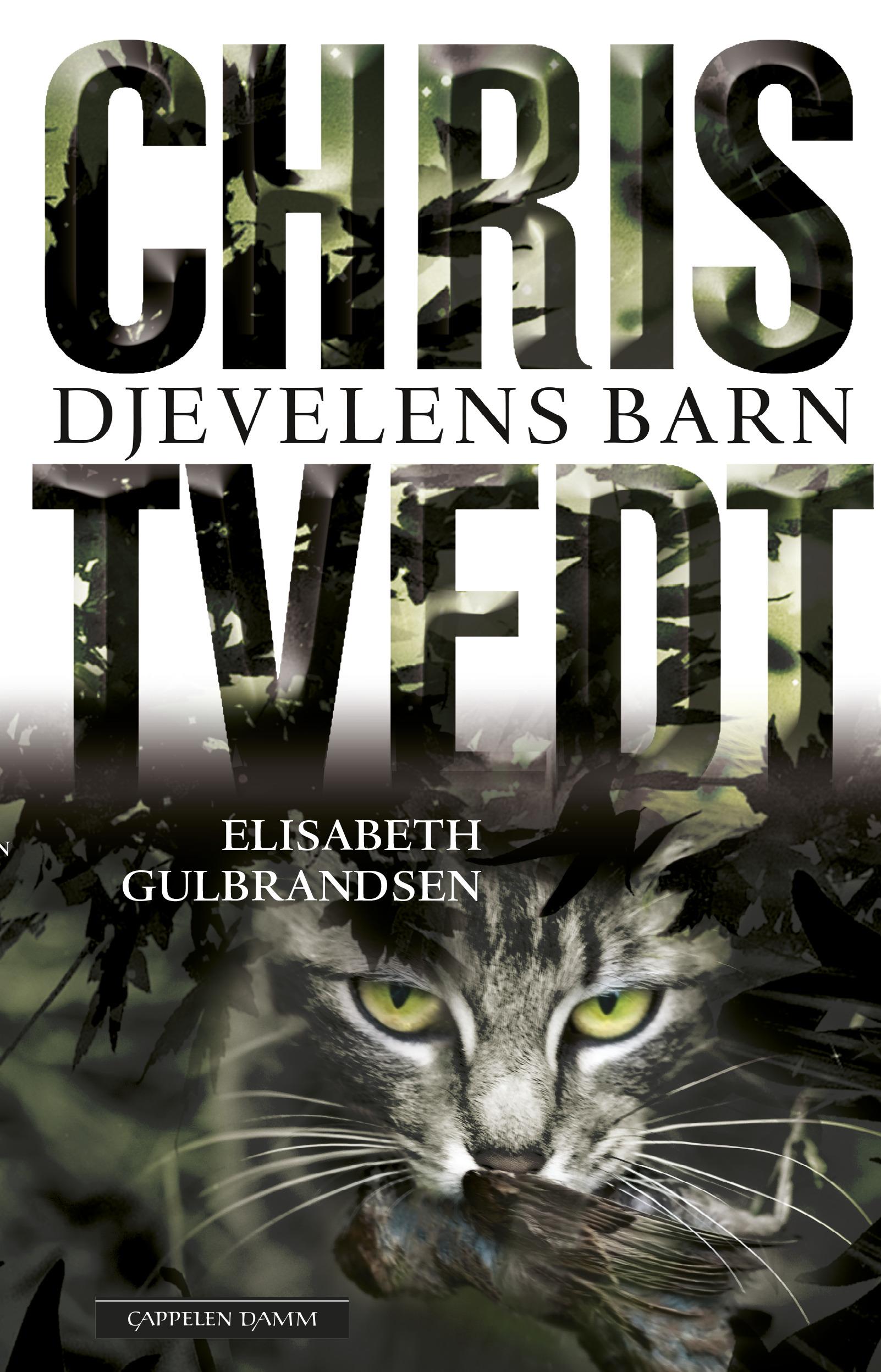
In the first book about crime squad investigator Edvard Matre, Av jord er du kommet, Edvard's sweetheart Victoria killed the man who murdered her friend. Edvard helped her to dispose of the body. At the end of the second book, Den blinde guden, Victoria travelled back to Bergen and confessed to the murder.Djevelens barn starts with the case against Victoria being dropped due to lack of evidence. Edvard has so far avoided being fired due to his involvement, but he has been transferred to a new department set up to look into cases of missing child asylum seekers. All Edvard wants is to get his old job as a homicide detective back.One day, a worried young woman comes into his office. A thirteen year old boy has disappeared from the reception where she works and no one seems to care. Against his will, Edvard starts looking into the case, but soon he realises that something is very, very wrong.In Bergen, Victoria can't live with her guilt. She is obsessed with the idea of finding out the identity of the man she killed. She eventually receives help from recently retired policeman Preben Jordal, who also struggles to put the case from his mind. But finding out more about a murder is not without danger. Just because it's done and buried doesn't mean it's dead…There is little more to say except to congratulate on a smartly completed work... Superbly exciting and intelligently plotted.’VG‘Den blinde gudenis Chris Tvedt’s second book about DI Edvard Matre. The first one was good, the second one just as good.’DAGBLADET ‘This is a story which accelerates immensely. The tensions built into several storylines are tightened at the same time throughout the 92 brisk chapters. Well plotted, elegantly invented and, definitely, no happy end. This will become a TV series, the only question is how soon.’BERGENS TIDENDE Crime fiction with thriller features and multiple tense, slowly unravelling storylines.’ADRESSEAVISEN ‘Chris Tvedt and Elisabeth Guldbrandsen occasionally write great passages that are fit to be filmed. The heart-breaking opening scene and the videoed account of the robbery hit the reader where it hurts.’BERGENSAVISEN ‘Den blinde guden is one of the more believable narratives that have so far emerged out of this autumn’s flow of crime fiction. Believability doesn’t make any less exciting than everybody else’s hunts for serial killers, but rather the opposite.’ DAGSAVISEN
12…169170171…208209
Rights soldSold to Denmark
Double Life
Literature and Fiction2014 · 256 pp

Double Life

Eivind Buene

Eivind Buene picks up musical threads from the novels Enmannsorkester and Allsang, and takes them further in a collection of literary essays. These texts listen, investigate and postulate, but most of all, they ask questions. What can music teach us about slowness? What stories can Glenn Gould's piano stool tell? Why do we talk about writing a song? What does a Norwegian novel sound like – and what is it about Gustav Mahler? ‘After reading this I feel much smarter and more sensitive.’ KLASSEKAMPEN ‘Thoughtful and well-written novel about music and literature, and the relationship between them.’ STAVANGER AFTENBLAD ‘... and I find myself hoping that Buene will be invited to lecture on music in Norwegian schools.’ P2

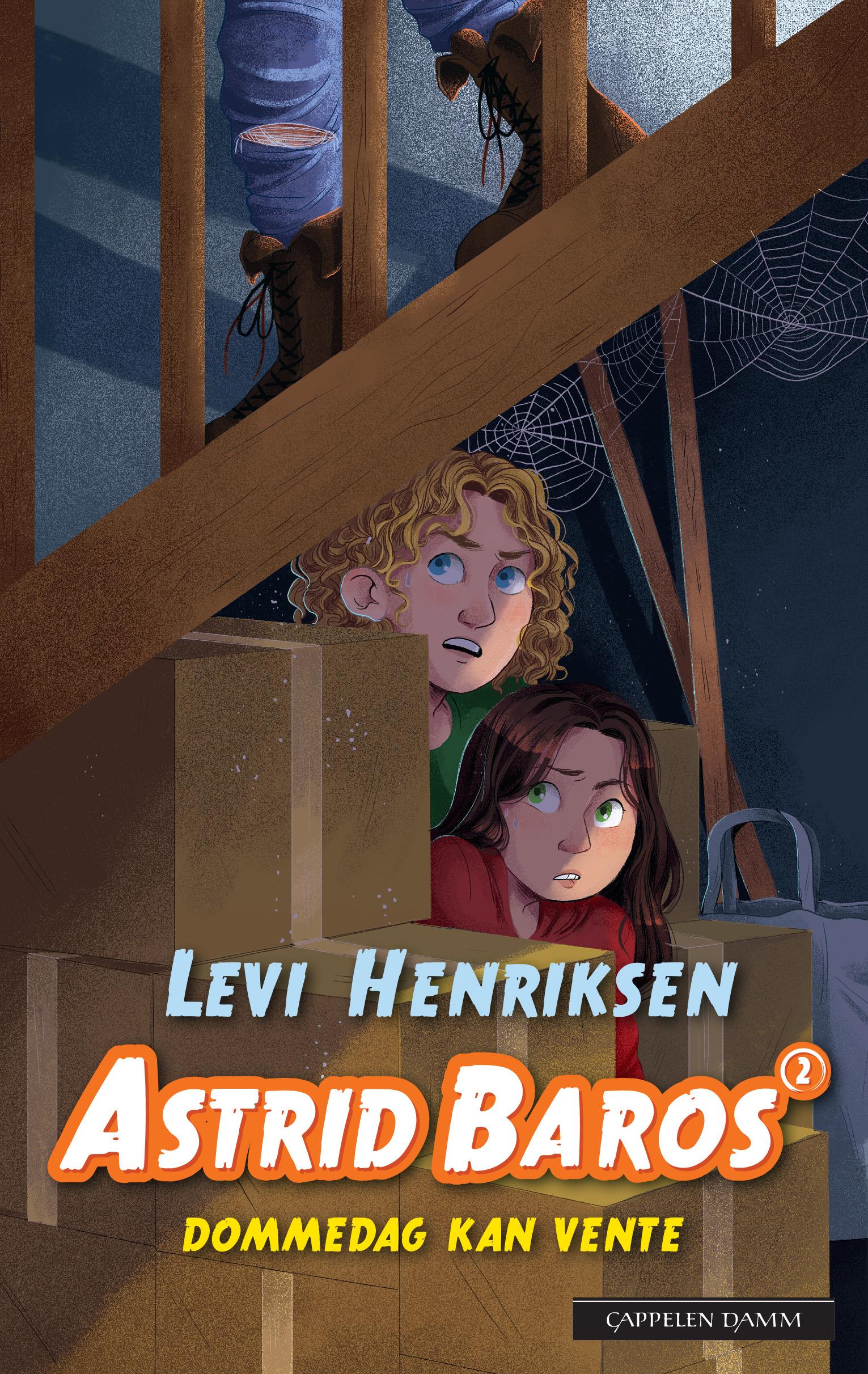
Doomsday Can Wait
Children's Books2014 · 192 pp · Age 9 - 12

Doomsday Can Wait

Levi Henriksen

Astrid will soon have a little brother, but that's not exactly top of any 13-year-old's wishlist. Luckily there's a better option: new best friend and neighbour, Matt. But things aren't exactly simple when it comes to Matt, either – his parents are preparing themselves for doomsday! And it soon becomes clear that the forest around Matt's house conceals Things even worse than doomsday preparations. The first book about Astrid, Engelen i Djevelgapet, is sold to Denmark, Estonia, Germany, Iceland and Sweden.

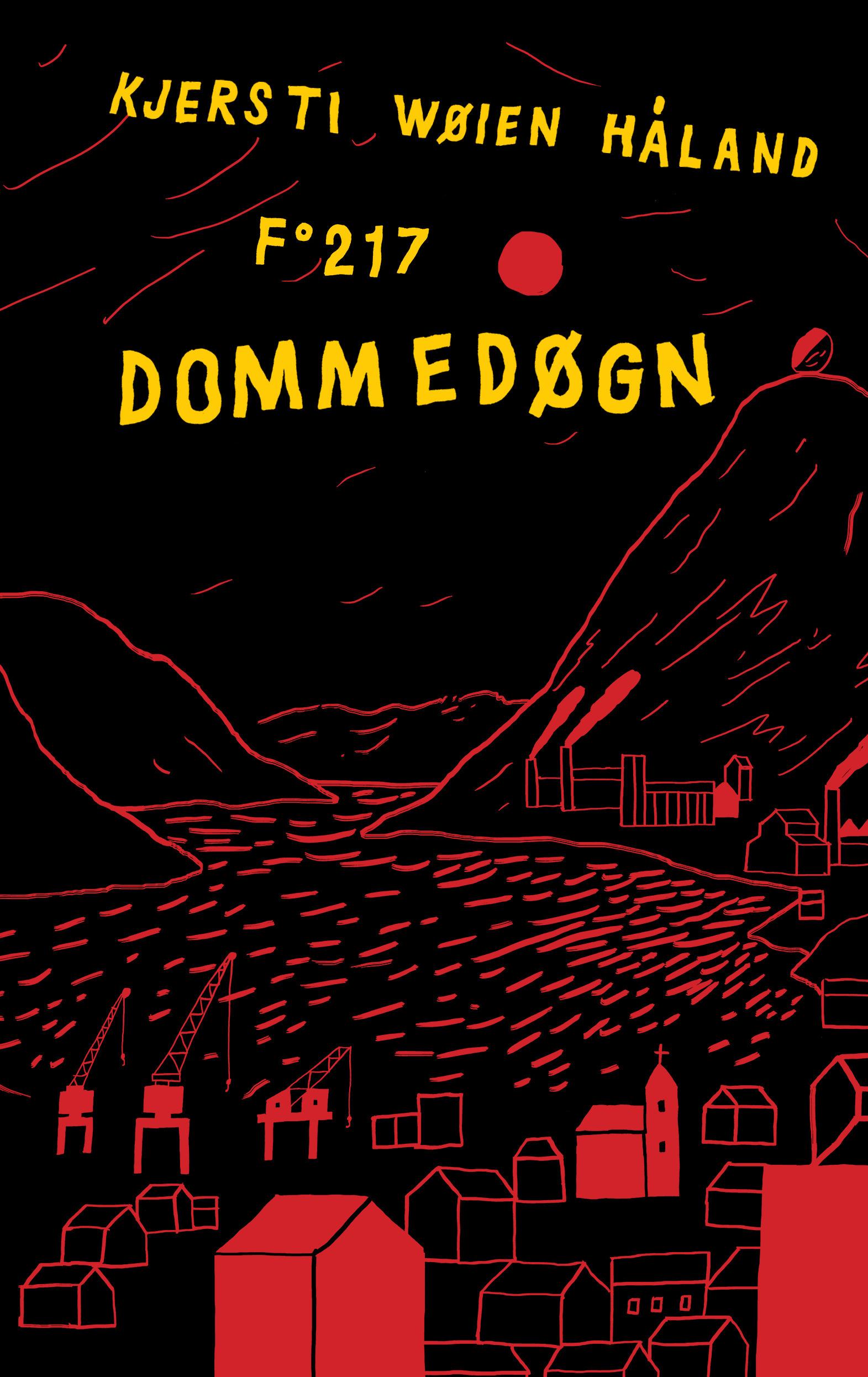
Doomsday
Literature and Fiction2014 · 192 pp

Doomsday

Kjersti Wøien Håland

Judgement Day (Dommedøgn) is a disaster novel about Berg, a little village on the west coast of Norway where the mountains tower over the village and the fjord stretches deep beneath them. A village whose continued existence has been secured all these years because of a factory which has now closed. A place where the rational and productive human being is flanked by a powerful and irrational nature which would increasingly have its own way. What will happen to them when the structures they have spent their entire lives building, fall? We follow five characters: the prophetic and strange teenager Linn is sure that something bad is going to happen. She is tormented by bullies, but awaits a greater catastrophe. Her only friend in the world is Fiver, her rabbit, who she thinks is psychic. Ingrid is the mayor trying desperately to attract new businesses to the town with help from national reorganisation, but she is constantly exploited. Gard, a misanthropist and recently unemployed drug addict who does everything he can to disturb the standstill. Care nurse Cecilie who makes friends with an elderly patient and helps her to die, but becomes so disturbed by this act that she leaves the body where it is and observes the slow process of decay. Lars, a naïve and self-appointed inventor who is working with a machine that will bring new business to the disillusioned village, a machine which packs waste into squares. All of them are trying to give meaning to an existence which seems to have lost it, but from the mountain and out over the fjord hangs a rock which constantly threatens to fall into the water. ‘Håland shows insight into the dynamics of the local community. She presents oblique reflections from both the town hall and pub with linguistic freshness. ... For those of us who fear or are fascinated by catastrophe, Dommedøgn is a somewhat erratic but entertaining literary supplement.’ KLASSEKAMPEN ‘Pulse racing: adrenaline pumps throughout this postmodern portrait that Kjersti Wøien Håland has painted of a village in a crisis. ... Kjesti Wøien Håland has a poetic streak that is all her own, and is without a doubt a literary talent in full development.’ DAG OG TID ‘Kjersti Wøien Håland has written an illustrious novel about a village on its deathbed.’ Nomination jury for the Young Critics’ Prize

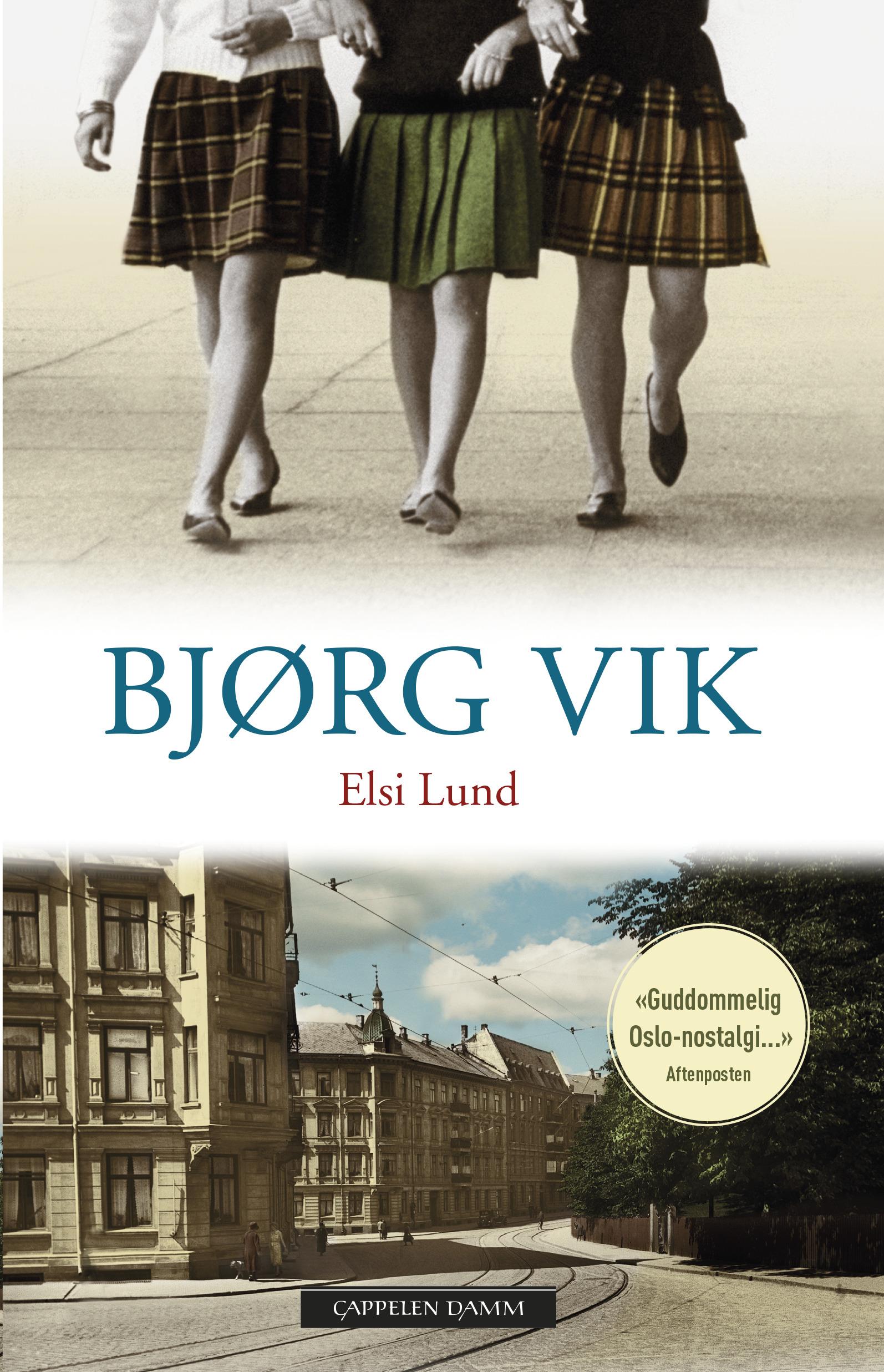
Elsi Lund
Literature and Fiction2014 · 320 pp

Elsi Lund

Bjørg Vik

In the third book in the series about Elsi Lund, she has reached womanhood. We follow Elsi through the mid-1950s: from graduation and domestic science college to engagement, break-up, and mental collapse, before she finds the key to her own life and her own voice at the Journalism Academy. With warmth, precision, and sensuality, Vik portrays the transition from youth to adulthood in a time marked by conventions and narrow frameworks for how women were expected to live their lives. The Elsi Lund trilogy today stands as a major work of Norwegian post-war literature and demonstrates why Bjørg Vik is considered one of our most central authors.

Rights soldSold to Denmark
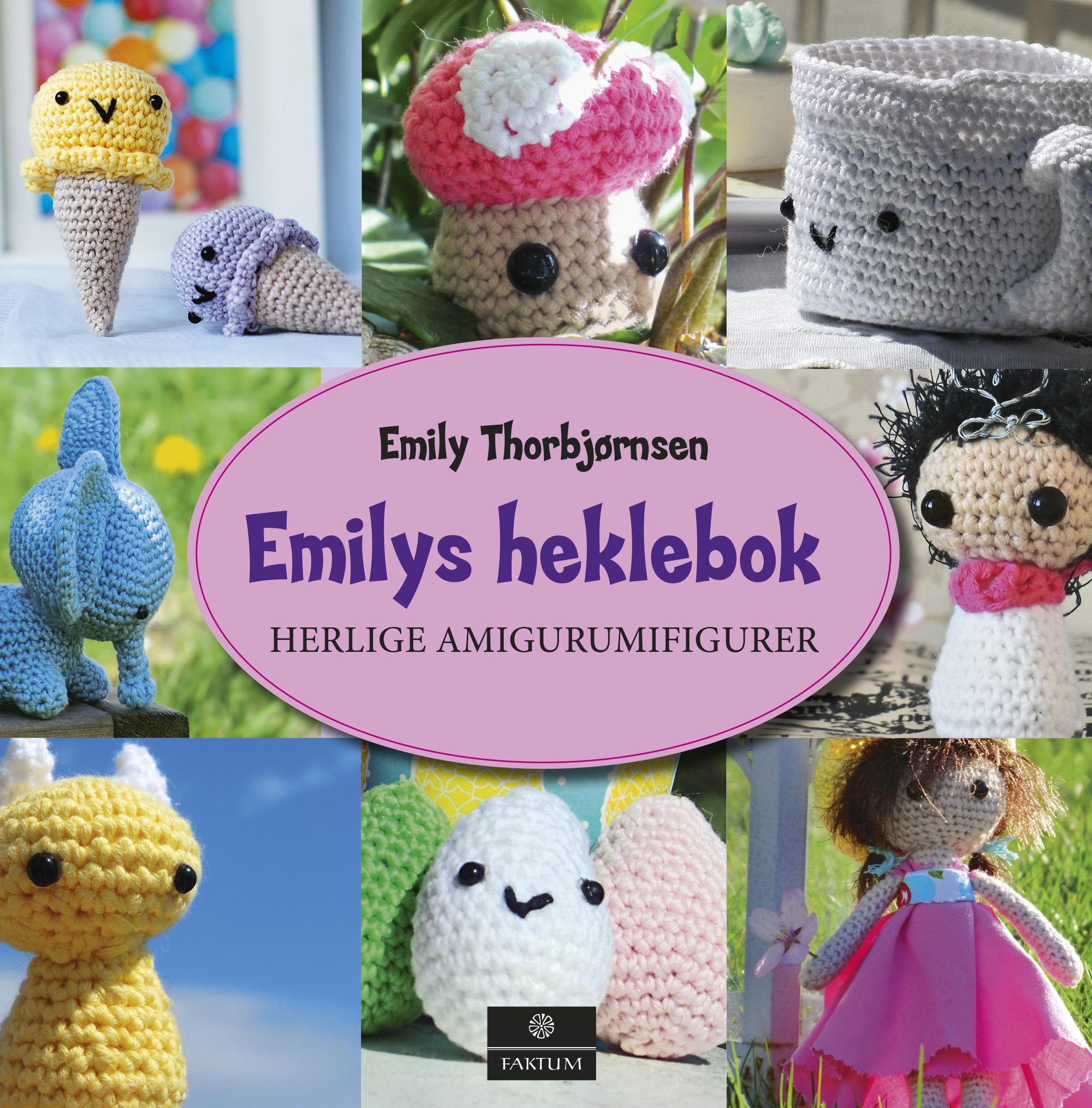
Emily’s Crochet Book
Crafts and Hobbies2014 · 48 pp · Age 12+

Emily’s Crochet Book

Emily Thorbjørnsen

Amigurumi characters are small, personalised, crocheted mascots. This is a hobby that is becoming increasingly popular, and Emily's cute characters have a fresh, Nordic style. All those who have never crocheted before can learn to do so now. The most important techniques are explained using text and pictures in Crochet School at the front of the book – the simplest first and the most advanced at the end. It's easy to become enchanted by Emily's characters, and this book is also suitable for young adults who want to try their hand at a small (and feasible) handicraft project. Emily Thorbjørnsen has written an inspiring crochet book for young girls.

Rights soldSold to Denmark
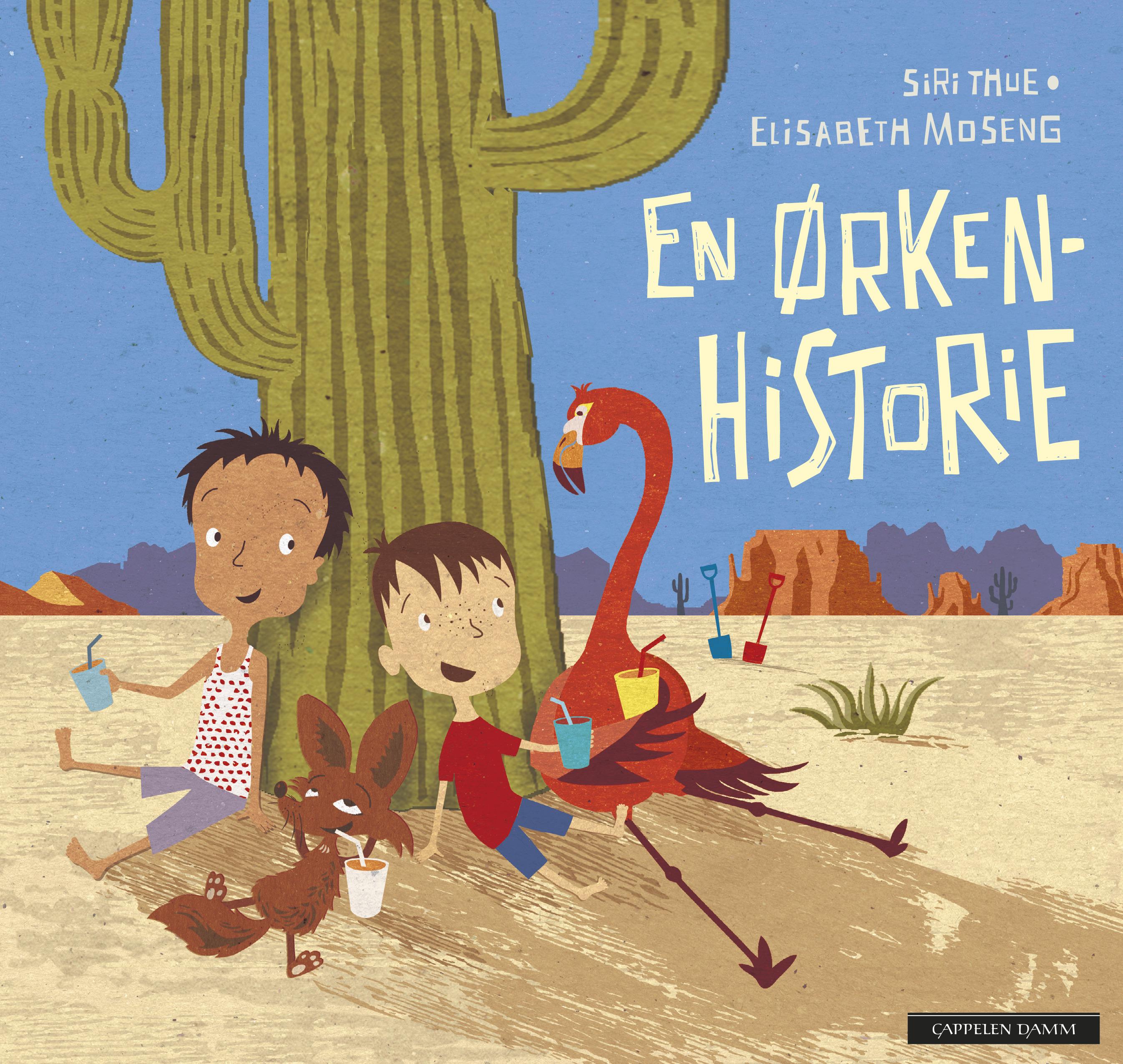
A DESERT STORY
Children's Books2014 · 48 pp · Age 3 - 9

A DESERT STORY

Siri Thue

Pedro and Victor are brothers. They live in the desert. One day they find a paper aeroplane. It is an invitation to a sandcastle competition! If there’s one thing Pedro and Victor have a lot of, it’s sand, so together with Mingo the flamingo and Pep the desert fox they start getting ready. They’re going to win this competition! A charming and unique picture book about seeing New opportunities in everyday situations, wherever you are. ‘A charming book about collaboration and usefulness. [...] Thue’s collaboration with Moseng has resulted in a charming children’s book about collaboration and usefulness. It also tells us that there are often alternative uses for things that seem useless if we are willing to think outside the box.’BARNEBOKKRITIKK.NO

Rights soldSold to Denmark
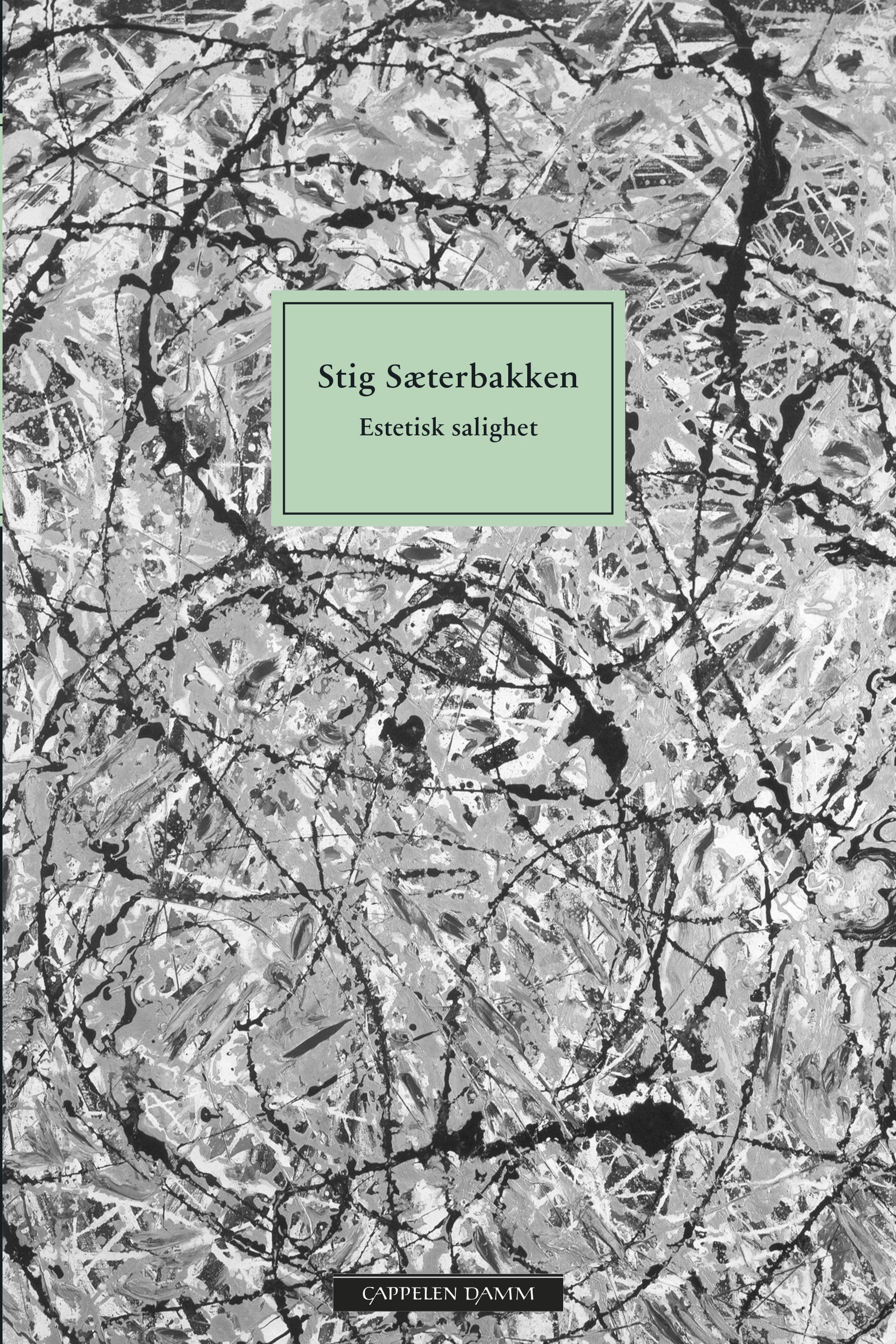
Aestethic Bliss
Literature and Fiction2014 · 168 pp

Aestethic Bliss

Stig Sæterbakken

Stig Sæterbakken was a sharp essayist and wrote essays through most of his authorship. His first collection Aesthetic Bliss (Estetisk salighet) from 1994 was written over a five year period and relates to "The Aesthetic Dimension" within different expressions of art, such as literature, film, painting and sculpting. "He is one of the most gifted essayists of Norway."MORGENBLADET"Sæterbakkens essays give us at least fifteen reasons to use art."ARBEIDERBLADET

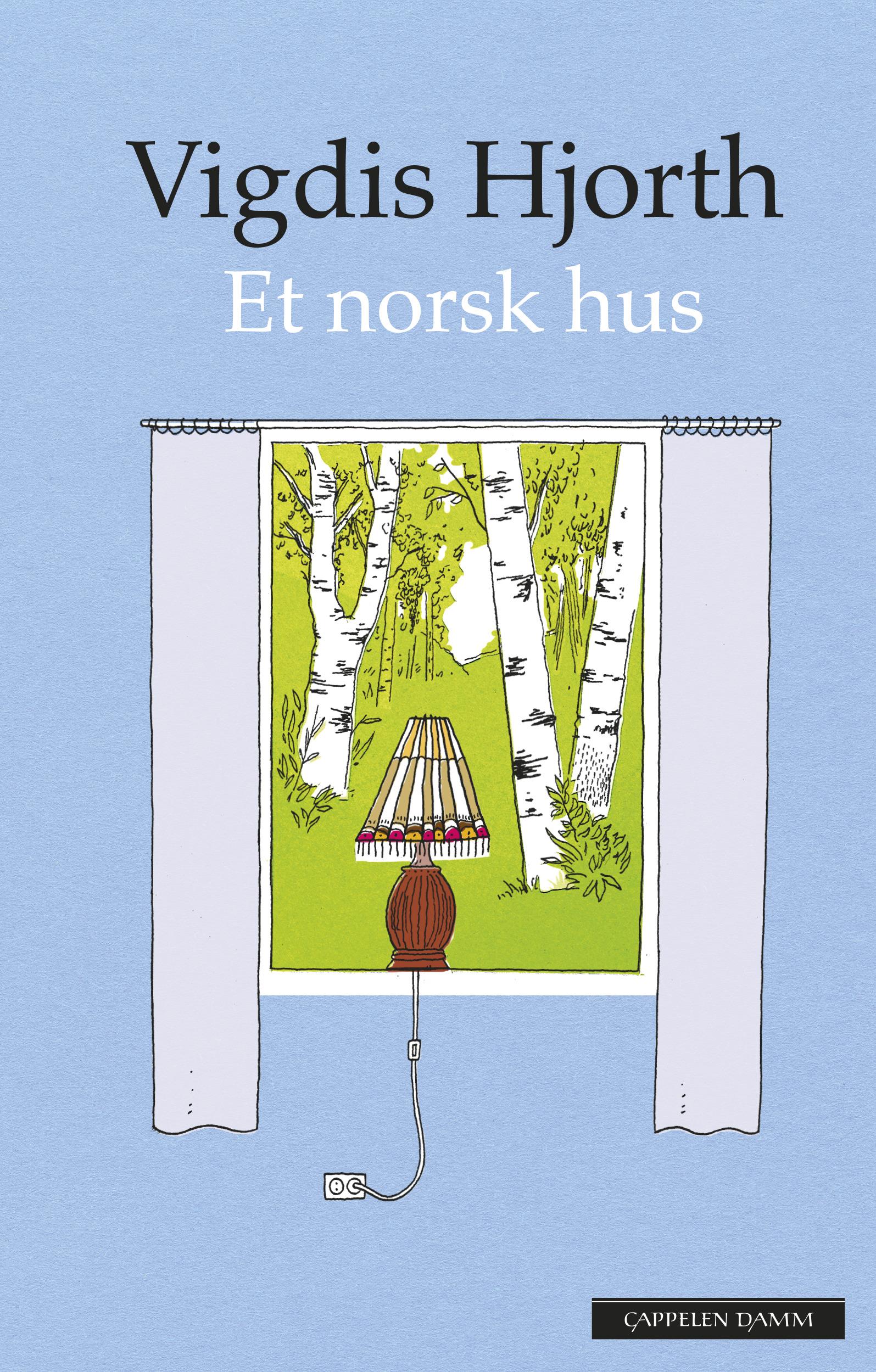
A Norwegian House
Literature and Fiction2014 · 192 pp

A Norwegian House

Vigdis Hjorth

A Norwegian log cabin plays one of the main roles in Vigdis Hjorth's new novel. What does it mean to own a house or land, to look after it and rent it out? Alma is a divorced, middle-aged textile artist who makes standards for marching bands and trade unions for a living, and who, for that reason, rents an apartment to a Polish family. One day, Alma is given an assignment requiring empathy and creativity: to make a carpet which will be displayed as part of an exhibition for the anniversary of the constitution and which should focus on the 100th anniversary of women being given the right to vote. Alma is flattered and accepts, but soon wonders if she's in over her head. Where should she begin? When, at the same time, she enters into a conflict with her Polish tenants, Alma's perception of herself as a good Norwegian feminist is challenged and she finds that her very existence is on shaky ground. A house in Norway is a novel about the joy of creating and gaining recognition and the despair in realising that this recognition is difficult to translate to reality. So is it really worth it? ‘... a great novel that is plausible and realistic, but which has a metaphoric potential that the author cleverly never points out.’ DAG OG TID ‘Vigdis Hjorth has never been afraid of the banal or clichéd. She also has an uncanny ability to write through the hackneyed and stereotypical to something more painfully existential. This is one of the reasons that I am becoming more and more appreciative of her authorship. ... An important book about the dilemmas facing us all, about the relationship between what is familiar and strange and about Norwegian self-awareness.’ AFTENPOSTEN ‘Just as profound, existential and original as always. ... As always when I read Hjorth, it strikes me how deeply she thinks. And how elegant and original she is in her formulation of these thoughts.’ DAGBLADET ‘I don’t know how she does it, but I must say I’m impressed. Vigdis Hjorth always has her finger on the pulse of Norwegian society. ... There is a fire in everything she writes – a fire that Alma in this novel thinks must smoulder in young souls – and I think that Vigdis Hjorth gets older and wiser and younger and more passionate with every book she writes.’ NRK.no ‘A great book about the distance between ideals and everyday challenges.’ TRØNDER-AVISA ‘Hjorth unmasks us again, this time in a novel about inequality in the world’s richest country. Pressing questions and a prism of today’s Norway.’ KLASSEKAMPEN

Rights soldSold to 5 territories
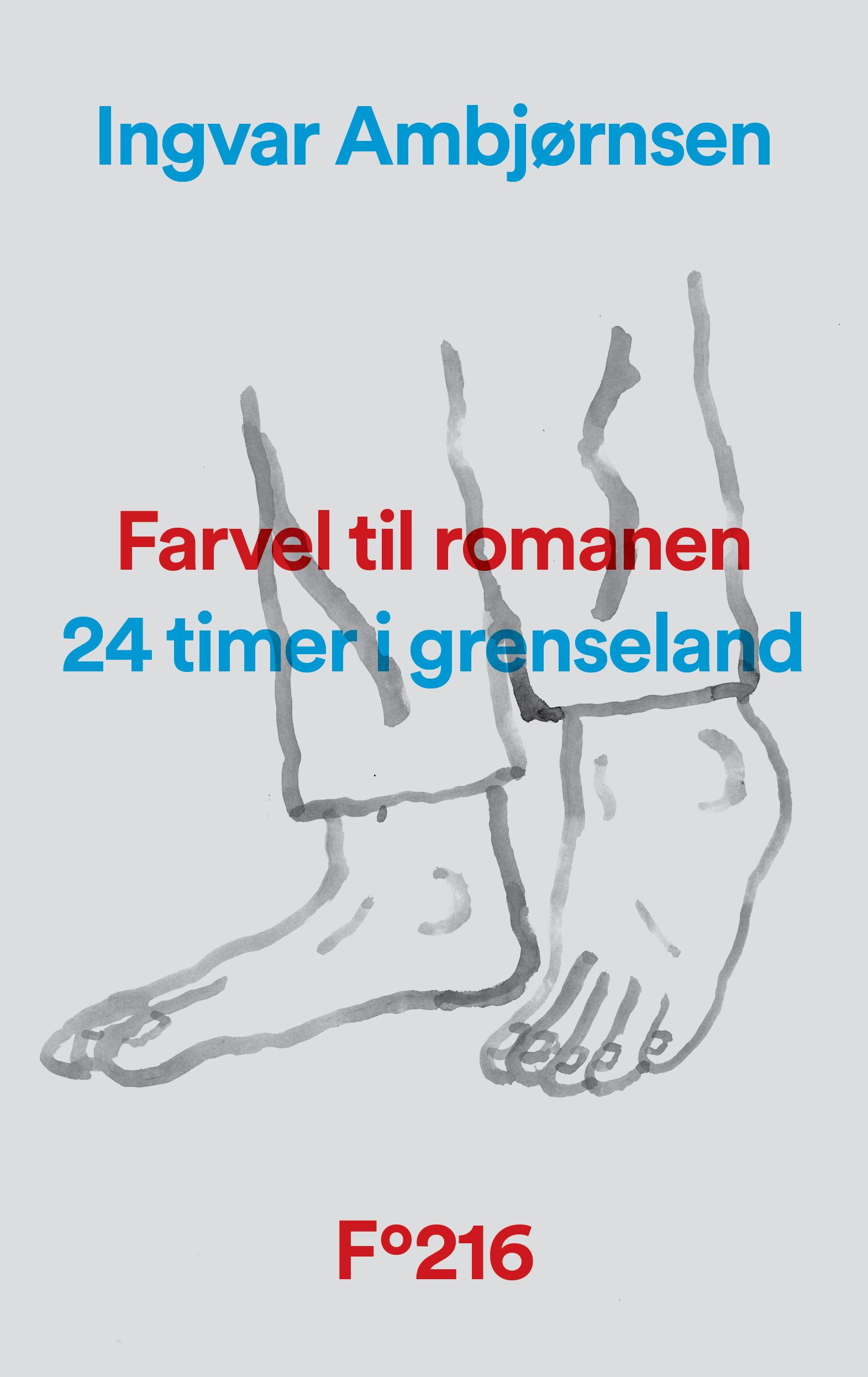
THIS IS GOODBYE TO NOVELS
Literature and Fiction2014 · 128 pp

THIS IS GOODBYE TO NOVELS

Ingvar Ambjørnsen

On the evening of 17 June 2010, Ingvar Ambjørnsen makes a snap decision to stop writing novels. It just comes to him. He's been writing, just like always. He's written the first forty pages of Brev til en uvenn, and he's not dissatisfied with what he's written. He reads it through and thinks it's good. He can do this. He's in control. But then, his thoughts turn on him: this is no good. He can't keep on doing this. He doesn't believe in himself anymore. Maybe he never has. And it's not the first time he's had this thought this spring or summer. It's come to him on a regular basis, and now, apparently, it's here to stay. But giving up being a novelist is a serious decision. Because he is a novelist. What else could he do? In Farvel til romanen, we follow Ingvar Ambjørnsen through a dramatic June day which threatens to turn his life upside down.

FIAT AND GRANDMA AND THE WHITE LION
Literature and Fiction / Children's Books2014 · 40 pp · Age 3 - 9

FIAT AND GRANDMA AND THE WHITE LION

Iben Sandemose

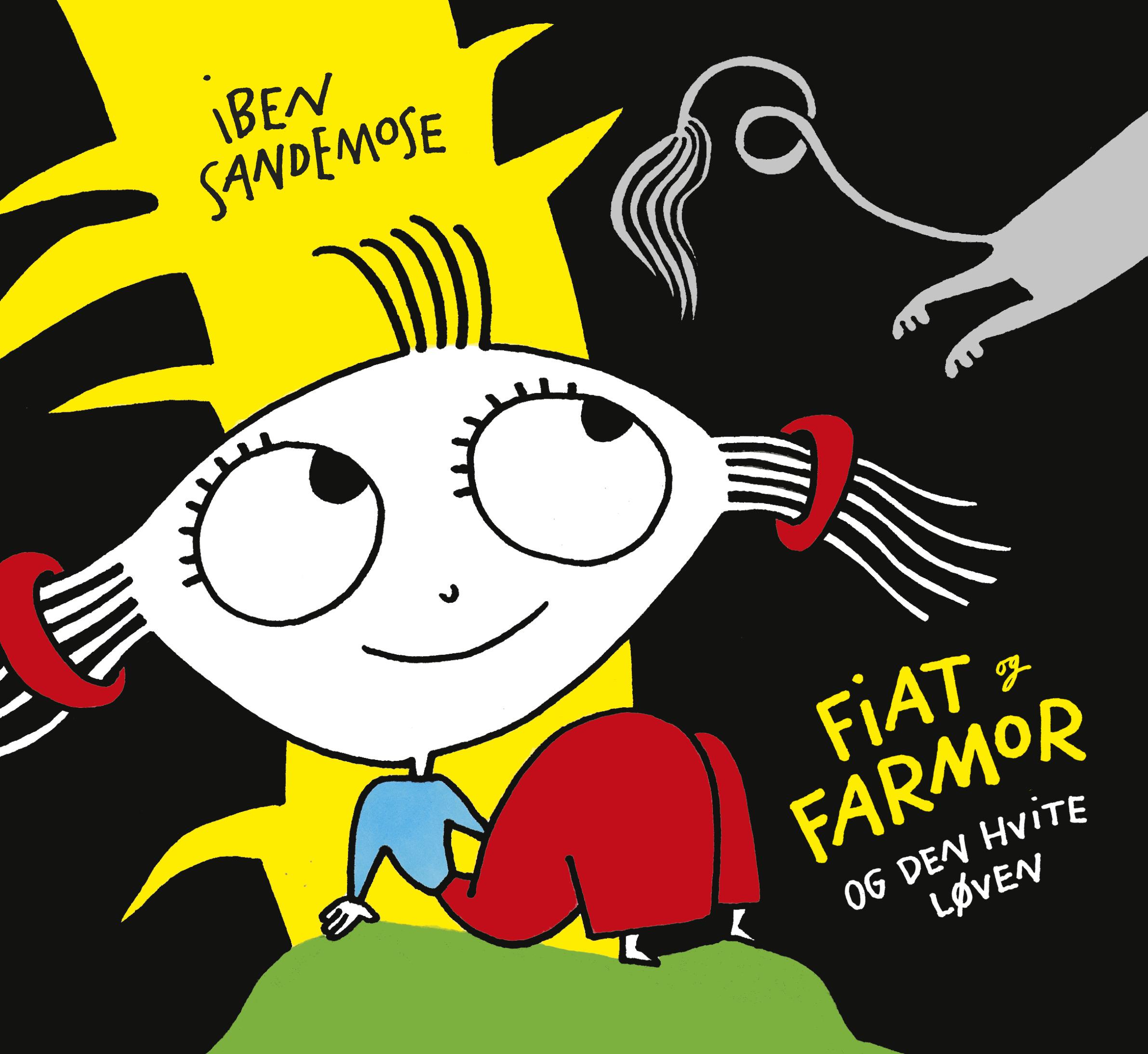
Fiat and Grandma are going to the lion forest. They have lion costumes on and lion food in a bag. Then they see a white lion. ’We need to get Granddad,’ whispers Fiat. ’He loves lions.’ But when they come home, Granddad is fast asleep in his favouritechair. They try to wake him, but they can’t, and he is very cold. Fiat gets a blanket. It doesn’t help. ’Is Granddad dead?’ Fiat asks. ’Yes,’ says Grandma, crying. Fiat and Grandma both have their own way of grieving. They ride lions, find a lovely yellow coffin, and Fiat writes a letter to Granddad which she puts under his jumper. No one other than Iben Sandemose could write such a nontraditional book about death. The book is sad, funny, playful and clever. Sandemose’s illustrations are as colourful and imaginative as ever. A great book to read for those who have lost someone they love and for those who are about to lose someone. Fiat og Farmor is an exciting and unique series for small children. Fiat og Farmor og den hvite løven is the seventh book in the series. The books have been translated into several languages.

Film an Animal!
Children's Books2014 · Age 6+

Film an Animal!

Bjørn F. Rørvik

Do you enjoy making films? Do you want to have some fun with your friends? Film an animal! Film an Animal! is made up a little like a doll's theatre. You control the animal's movements across the stage, whilst providing the voices and filming all at once. You can film with your mobile phone, a camera or a video camcorder. Film an Animal! comes as a handbook and equipped with plenty of figures, props, backgrounds and control sticks that you can use to move the figures. In the handbook you get to know all the different animals – Scare the Hare, the Lens Lice, Mincy Mink, Mrs Beaver, Lady Quack-Quack, the Poodle Rockers – and last but not least, Rumpstanger! The book is bursting with hints and tips and includes a manuscript in picture form providing lots of ideas for films you can create. After a while, you can even come up with your own ideas with your friends. It won't take long for you to pick it up! Roll cameras!