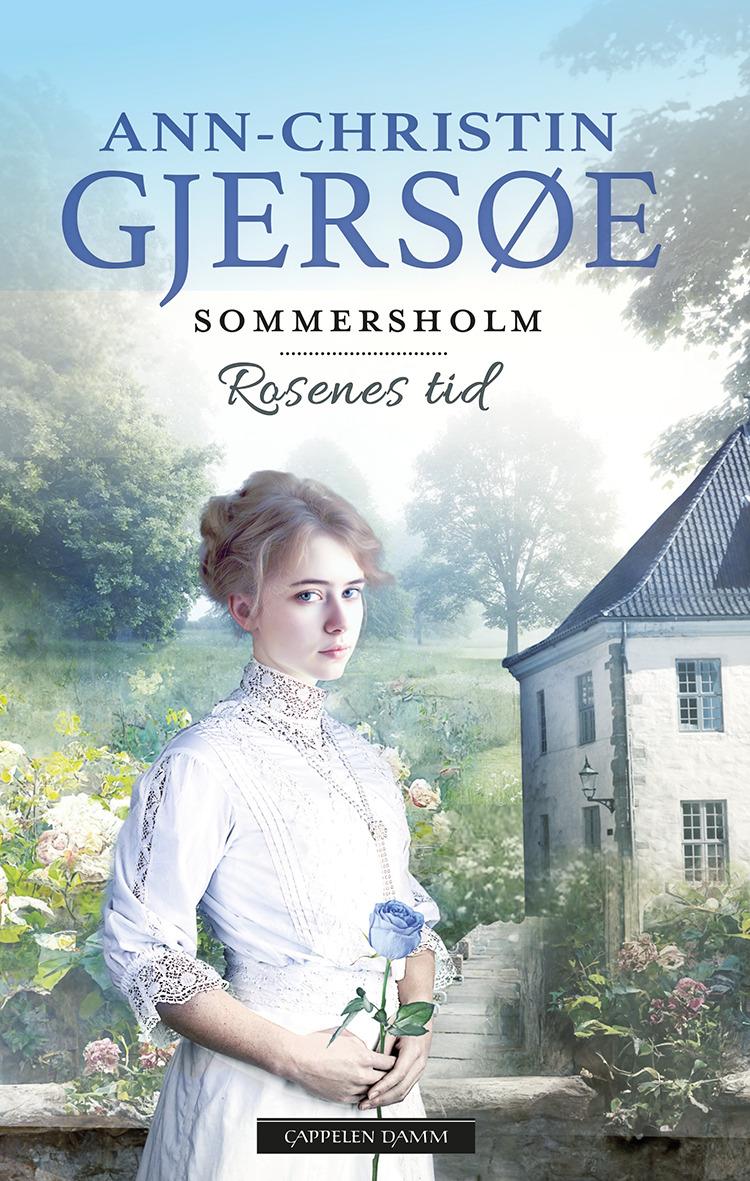
Ann-Christin Gjersøe
Alise leaves Sommersholm in dishonour, after being accused of theft. But where can she go? Her father is dead, Birk has forsaken her, and she is pregnant. Soon the pregnancy will begin to show, and she won't be able to hide it any longer. Margerete is finally with Axel, but she is still struggling to be accepted by the rest of his family. She stumbles upon a key, which unlocks an old mystery. But perhaps it's for the better that the mystery stays unsolved? Rose, still in Denmark, is trying to find a way for the charges against Torkel to be dropped. She fears that if he's convicted, he will be hanged. Hugo offers her a deal — if she marries him, he will withdraw the accusation against Torkel. It's an impossible choice for Rose to make. The Time of the Roses is the final volume in the Sommersholm series.
Tor Åge Bringsværd
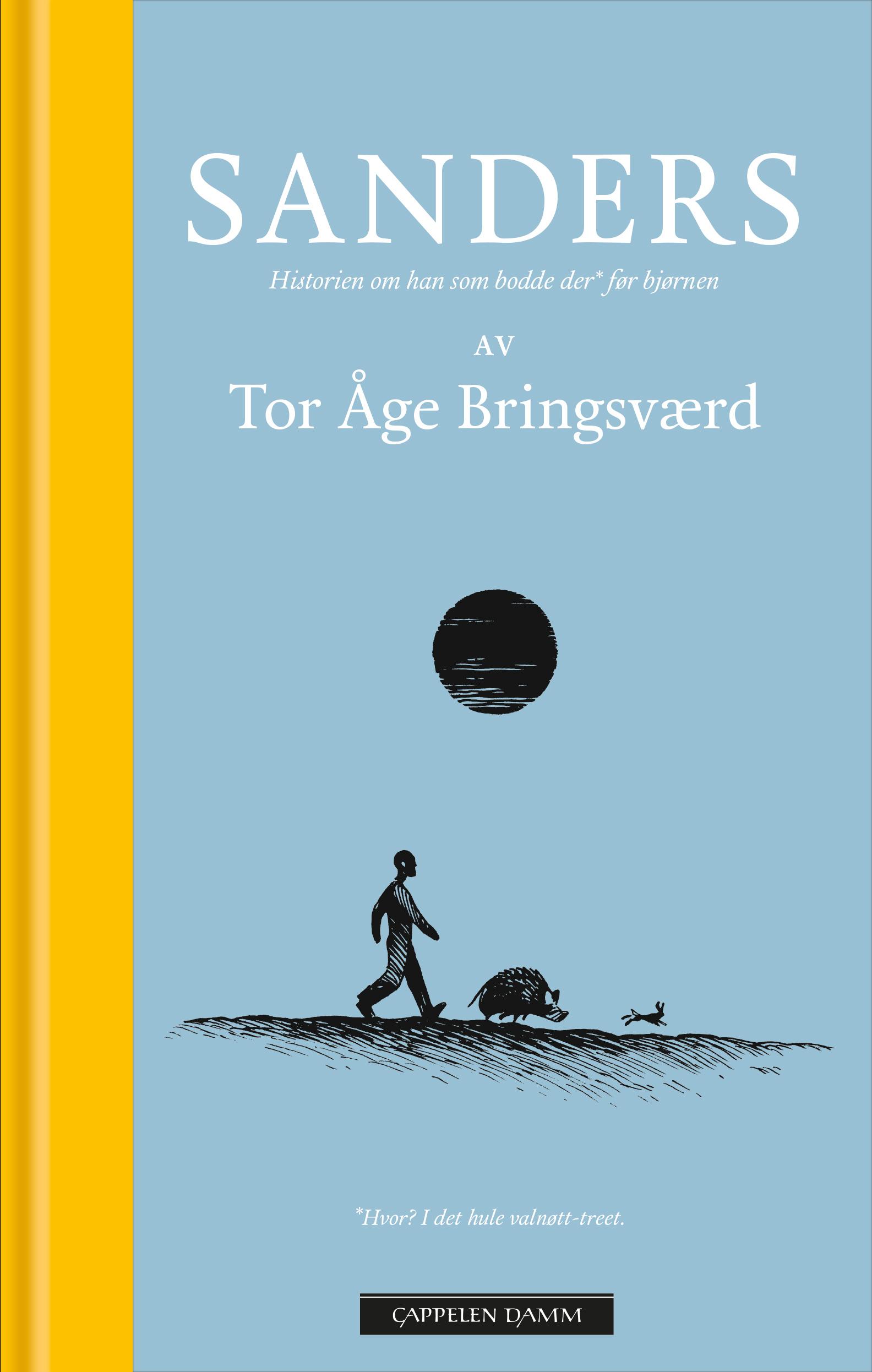
There’s a hollow walnut tree in a forest and in that tree, under a sign that says Sanders, lives a bear. His name is Winnie the Pooh. This story isn’t about him, however, but about Sanders, the name on the sign where he lives. Because who lived in that hollow walnut tree before the bear? Sanders is lost, in more ways than one. He doesn’t remember who he is or where he’s going, only that he began to walk and walked until he came to a forest. Here Sanders meets a variety of talking animals: a chatty wild boar, a timid hare, a dyslexic owl, a tired donkey, and 214 little ones. He gets to know the animals, but soon discovers that both the forest and its inhabitants are in danger. Loud noises frighten the animals and people in yellow coveralls and helmets wander amongst the trees. As the animals prepare to leave, Sanders must figure out who he is and what he can do to save the forest. Tor Åge Bringsværd’s Sanders hasn’t just captured the philosophical wit we remember from the Hundred Acre Wood but breathed new life into the beloved universe. Sanders is a wise and warm novel, intended for adults of all ages who want to learn more about friendship, identity, the vulnerability of nature, the art of seeing the big in the small – and the Hundred Acre Wood, of course.